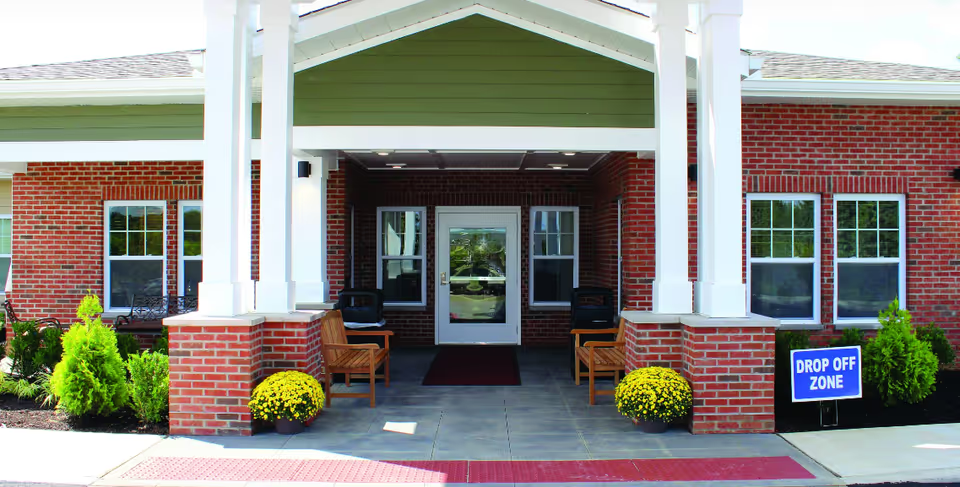
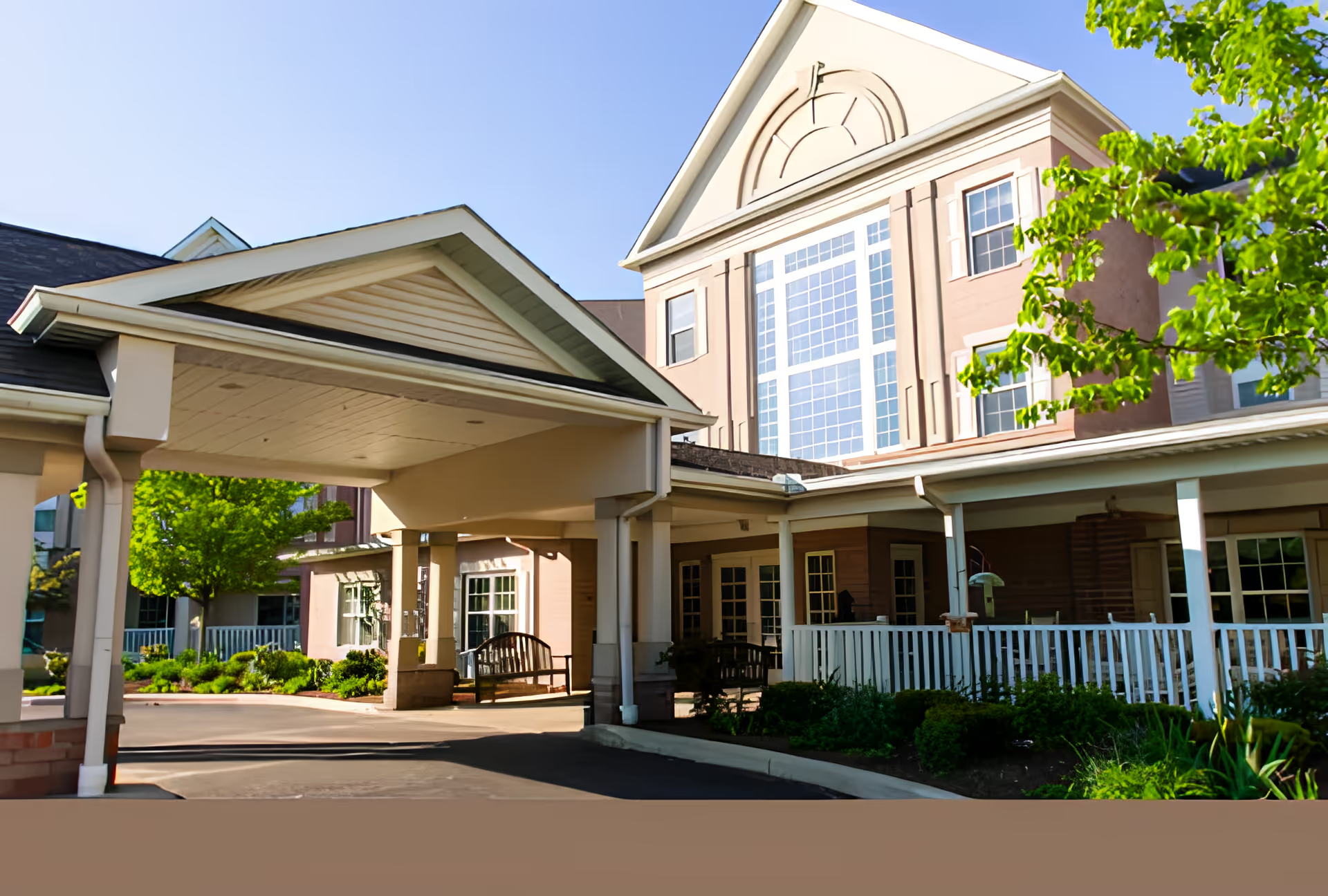
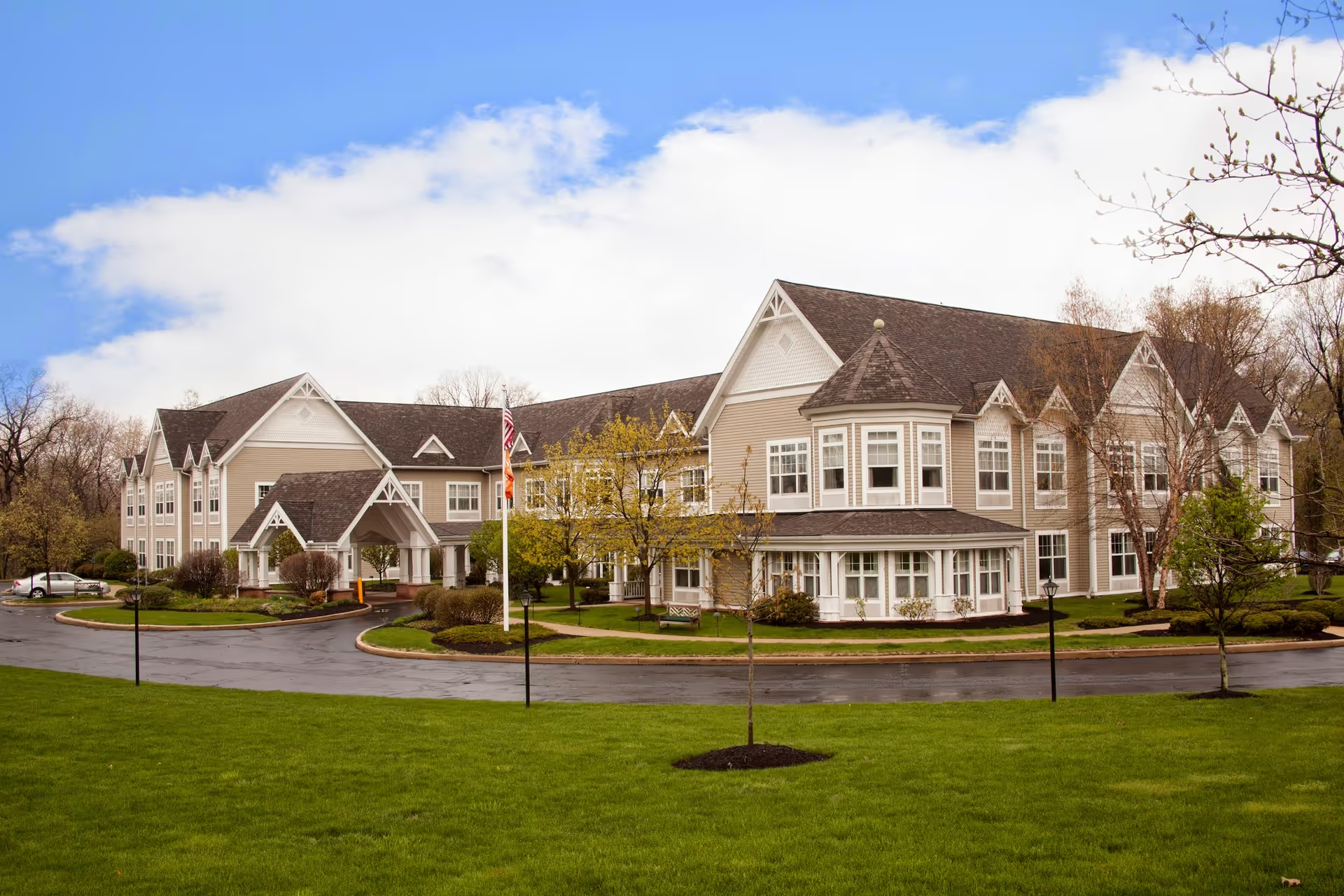
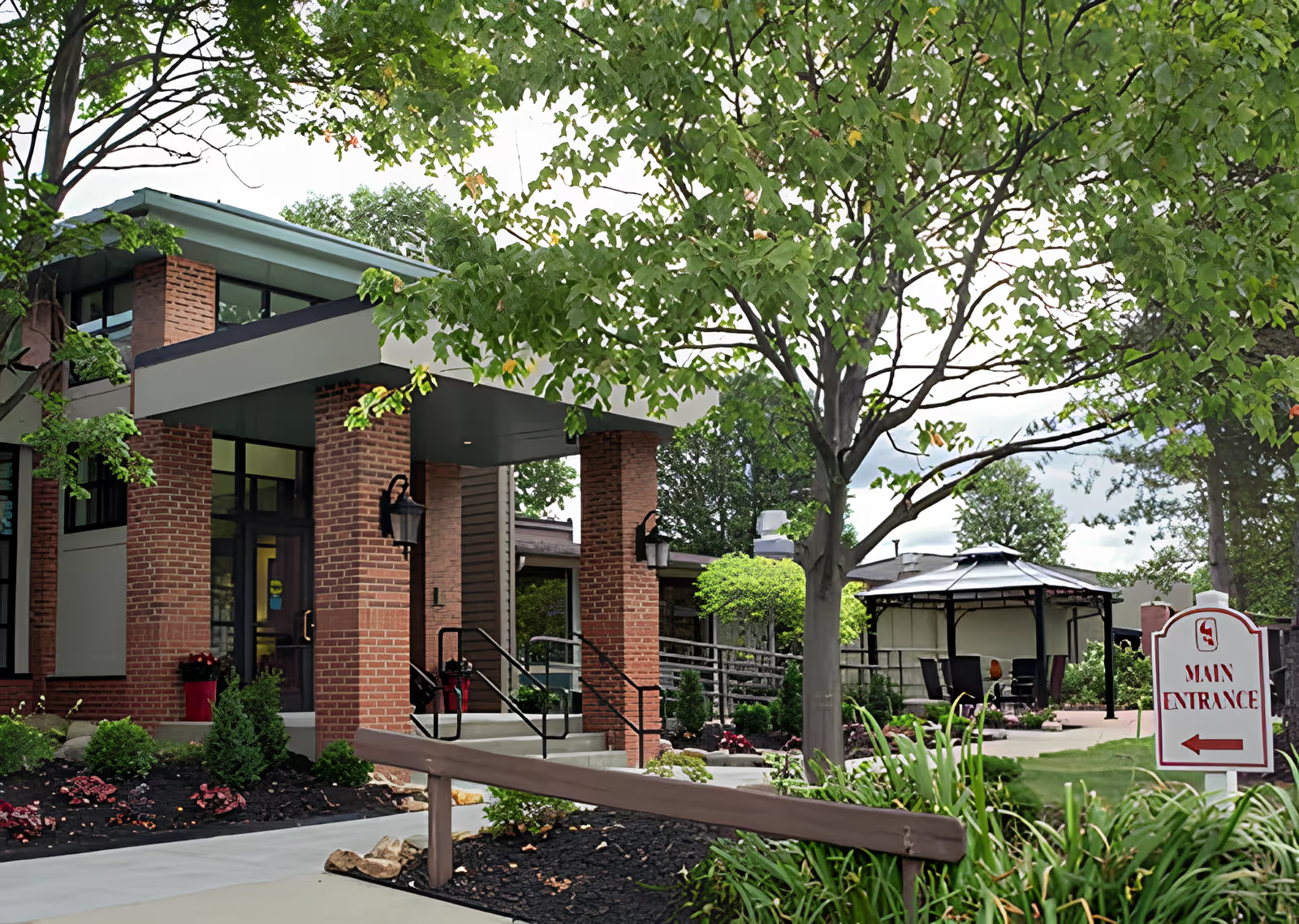
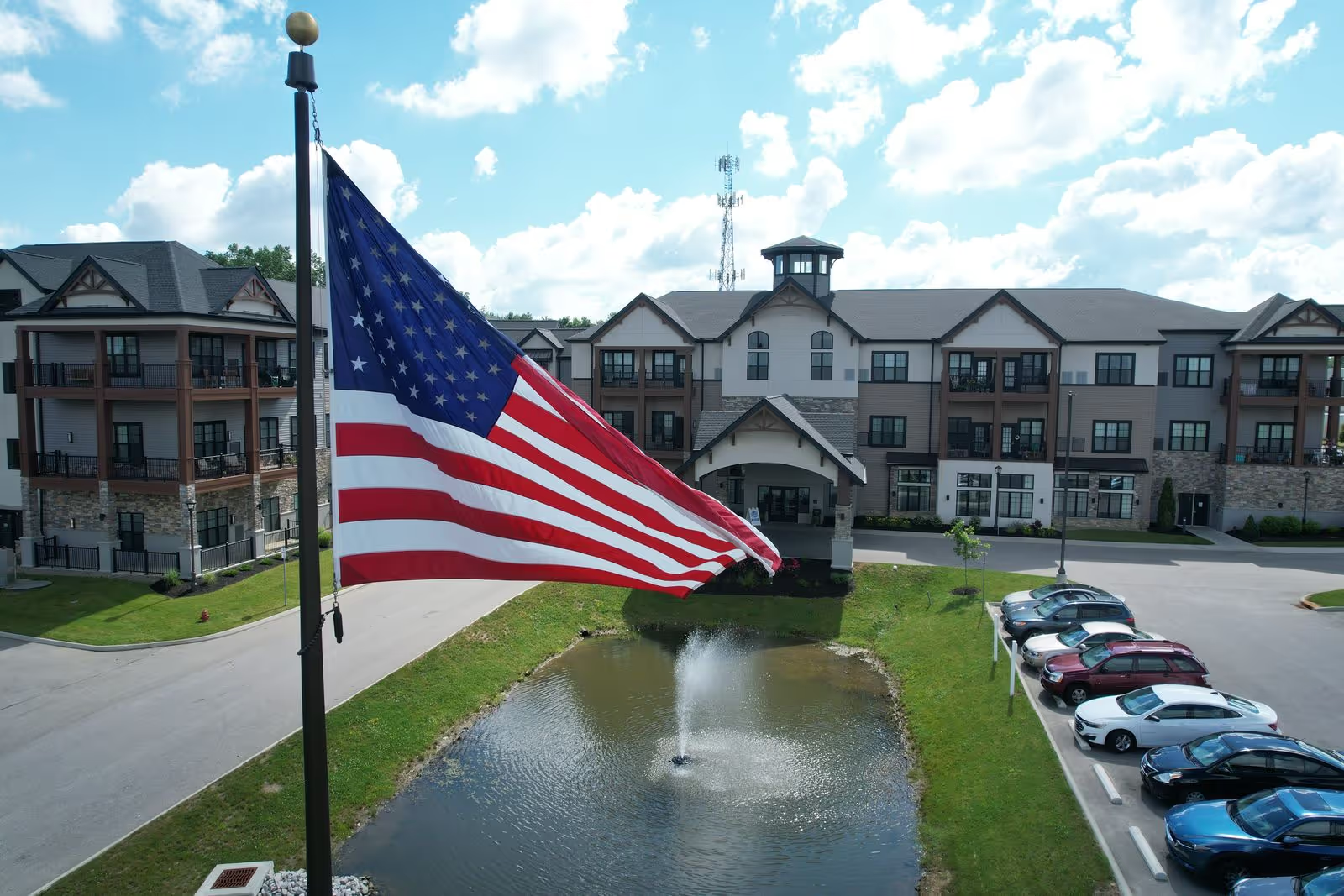
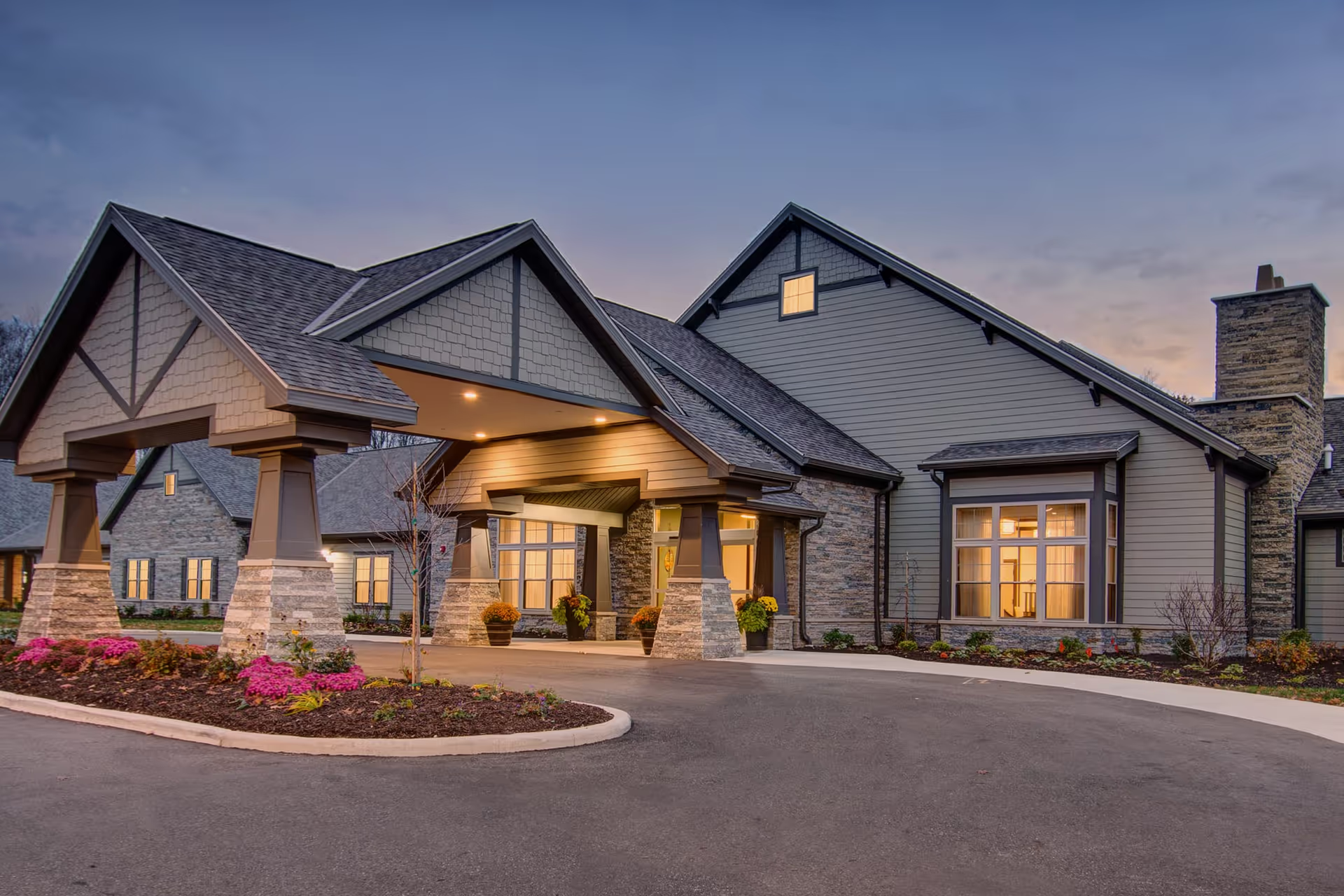
Mulberry Gardens presents as a well-kept, hospitality-oriented assisted living community with many families praising the physical environment, dining, and social programming. The building, apartments, and common spaces are repeatedly described as clean, bright, and restaurant-like; apartments commonly include kitchenettes and storage, and dining areas are noted as large and accessible. Housekeeping and laundry services are included and the facility layout — with ground-floor units and elevator access — is generally perceived as easy to navigate.
Staff and clinical care receive mixed but often positive commentary. Numerous accounts emphasize compassionate, attentive caregivers and nursing staff who provide frequent resident checks and proactive updates to families, contributing to family peace of mind. At the same time, there are recurring operational concerns about inconsistent staffing levels, high turnover, and variability in aide competency and responsiveness. These staffing issues are tied to delays in attending to residents, uneven personal-care routines (including bathing and clothing maintenance), and perceptions that the facility may not reliably meet the needs of higher-dependency residents.
Dining is a clear strength for many residents: meals are described as chef-prepared, varied, and served in a restaurant-style setting with linens and glassware for more formal service. Activities are another commonly cited asset — an active calendar of crafts, exercise, outings, live entertainment, and holiday events, with staff adapting programs during infection-control restrictions. Transportation for appointments and social outings is available and valued. However, reviewers also point to inconsistencies in meal service (occasional cold plates and long waits) and gaps in appointment coordination and timeliness that affect some residents’ access to offsite care.
Management and communication display a split pattern. Several families highlight proactive communication, helpful administrative staff, and timely resolution of issues; others describe poor front-desk interactions, slow callbacks, or an administrative tone that felt brusque. These mixed impressions extend to clinical follow-up; while some report excellent hospital coordination and frequent family updates, others experienced lapses in clinical coordination and would like clearer, faster communication.
Memory care and higher-dependency needs warrant careful consideration. While the community offers social programming and has staff who are praised for compassion, there are repeated notes that the facility may be less suitable for residents with advanced memory impairment or high assistance needs due to variability in engagement in memory-care areas and occasional gaps in direct-care consistency. Families considering Mulberry Gardens should weigh the active social environment and dining amenities against the facility’s staffing patterns, especially if the prospective resident requires more intensive, reliable hands-on care.
In sum, Mulberry Gardens is frequently recommended for residents seeking a clean, hospitality-focused assisted living setting with strong dining and a vibrant activities program, and where family communication can be robust. Prospective residents and families should evaluate staffing stability, after-hours administrative coverage, and the level of clinical oversight required for their specific needs; a targeted tour and explicit questions about staffing ratios, care plans for higher-dependency needs, and how the community manages appointment logistics will help determine fit.