The reviews present a highly polarized picture of Menorah Park Marcus Post Rehab Center, with substantial praise alongside substantive operational concerns. Positive comments commonly highlight strong short-term rehab outcomes: families cite effective PT/OT/ST teams, rapid clinical progress, and skilled nursing during post-acute stays. Many reviewers describe compassionate, attentive caregivers, meaningful therapeutic activities (music, crafts, exercise, outings), and a homelike, well-maintained campus with outdoor access and animal programming that supports resident engagement and morale.
At the same time, recurring operational themes undercut the positive experiences. Staffing instability and high turnover are the most consistent concerns and are linked to multiple downstream problems: delayed medication delivery (including delayed pain management), slow responses to call systems, inconsistent assistance with bathing and feeding, and variability in transfer practices. Housekeeping and sanitation practices are described as inconsistent across units; when combined with lapses in incontinence-care processes and occasional odor concerns, families cited a decline in baseline cleanliness and routine personal care in parts of the facility.
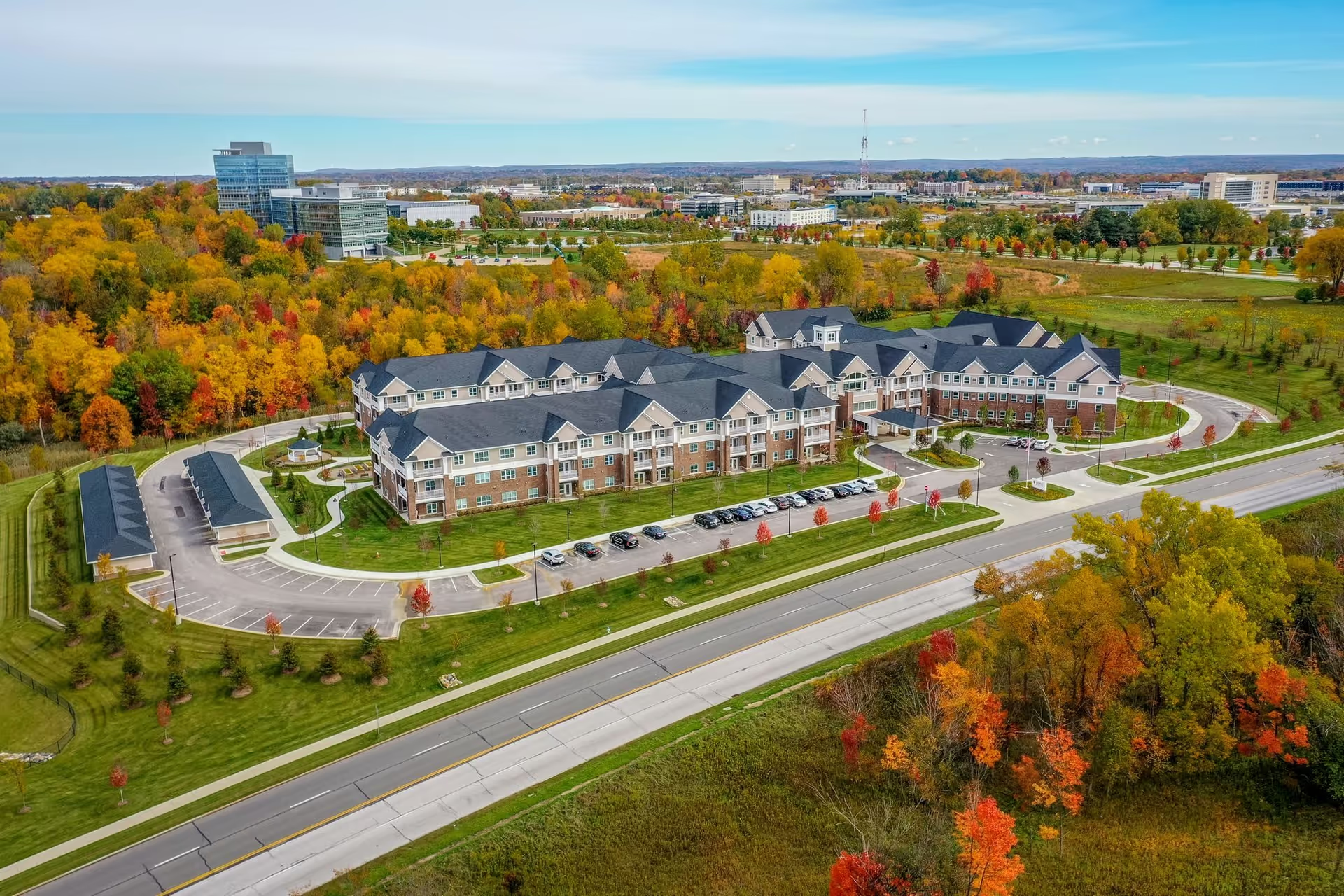
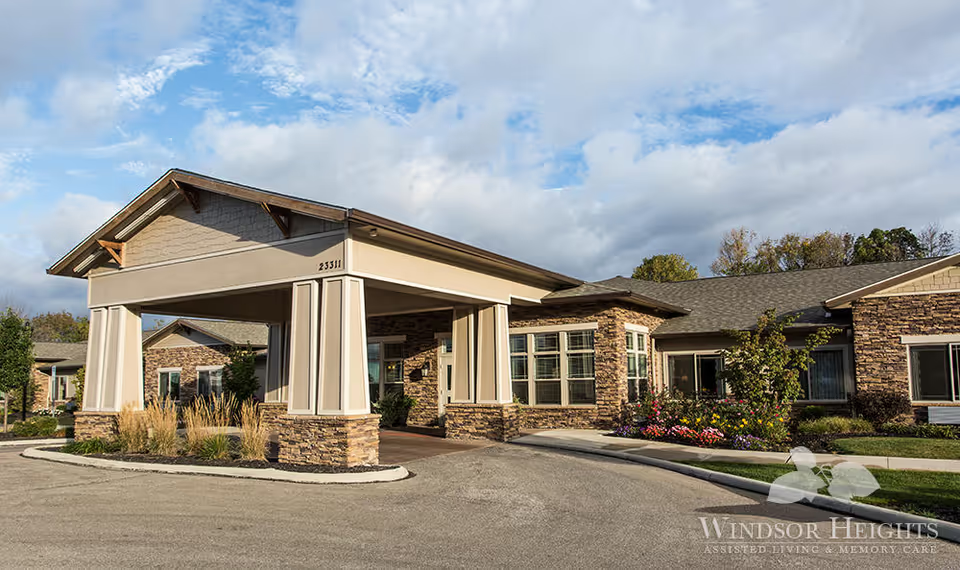
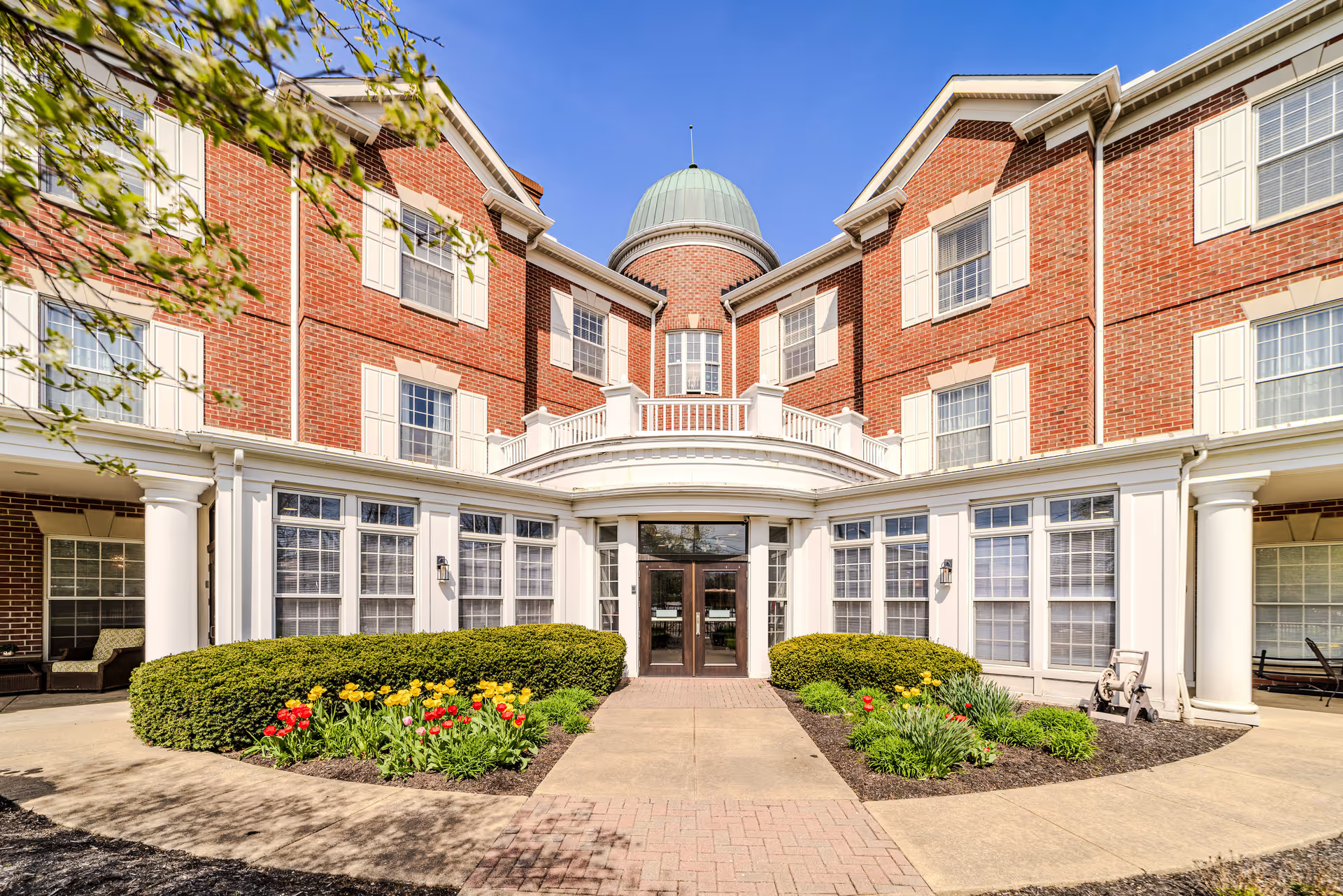
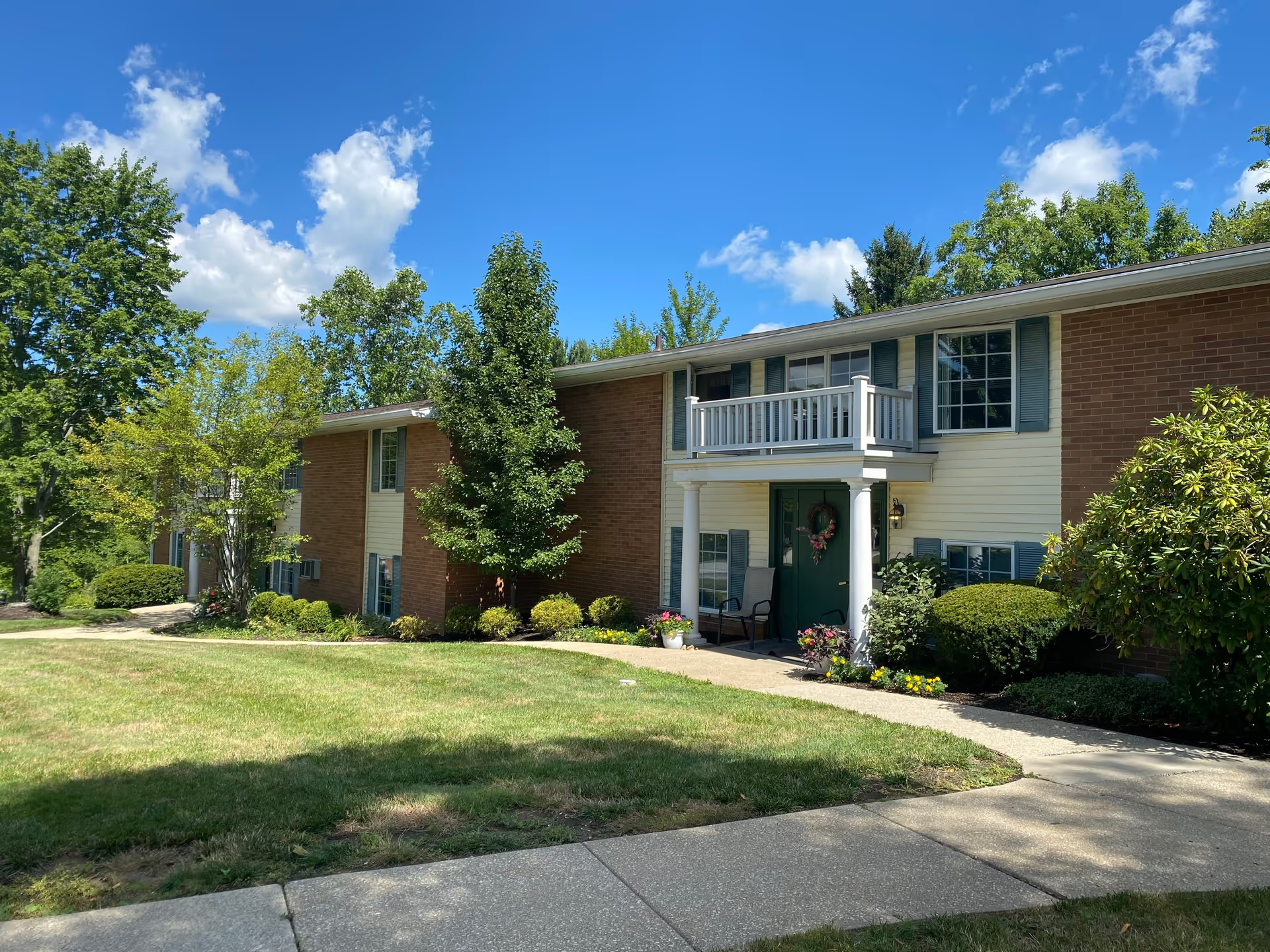
Dining and hospitality are uneven. Some families praise accommodating dining and pleasant communal areas; others report overcooked or undercooked meals, missing menus, and situations that forced residents to eat in rooms. Activity programming is frequently cited as a strength but appears to vary by unit—some units offer robust daily programming and family events, while others report limited stimulation. The physical campus and renovations receive positive remarks for cleanliness and atmosphere, although reviewers noted differences in room layouts (open rooms without doors in some areas) and occasional maintenance or housekeeping gaps.
Management and communication emerge as mixed. Several accounts praise responsive leadership, accessible unit managers, and clear discharge instructions, particularly during successful rehab episodes. Conversely, other reviewers describe inconsistent family communication, poorly handled discharges (including gaps in at-home planning, equipment, or medications), lost personal items, and billing or mail-handling issues. A small number of serious personnel concerns were raised, including an allegation of racialized language; such allegations prompted calls for accountability and, in at least one instance, formal complaint activity.
Overall, the facility demonstrates clear strengths in rehabilitation, therapy services, and community-oriented programming, with many staff members described as compassionate and skilled. However, persistent staffing shortages, inconsistent operational practices (medication timing, personal care, housekeeping, and dining), and uneven management follow-through produce variability in resident experience. Prospective residents and families should weigh the strong rehabilitation track record and campus resources against reported variability in long-term care consistency, and should ask targeted pre-admission questions about staffing levels on specific units, medication administration protocols, incontinence-care procedures, laundry/asset safeguards, and the facility’s current infection-control and discharge-planning practices.