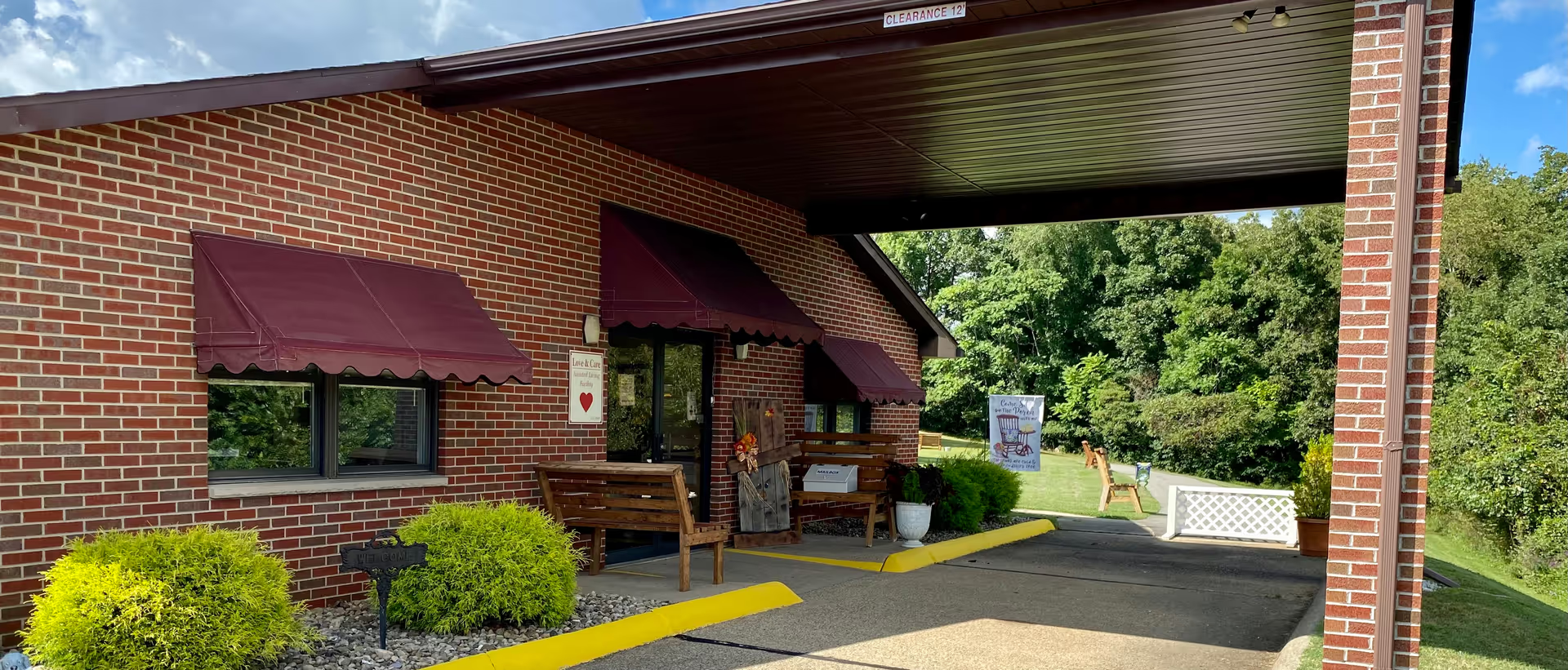
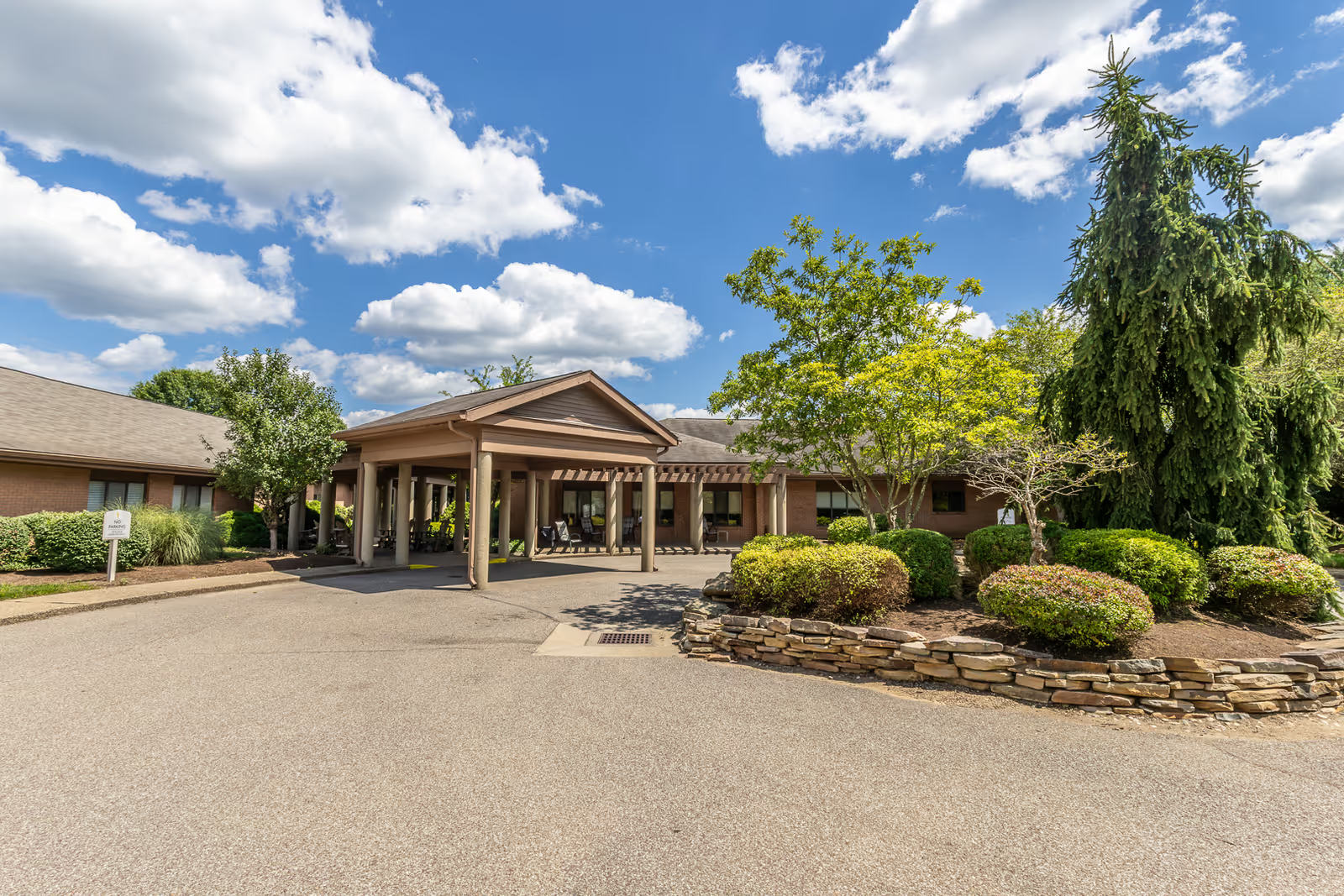
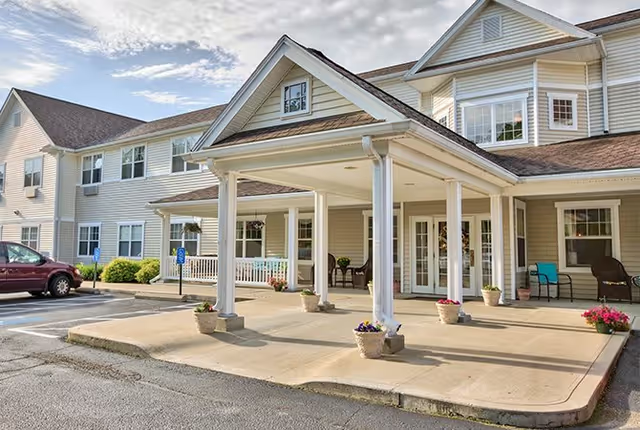
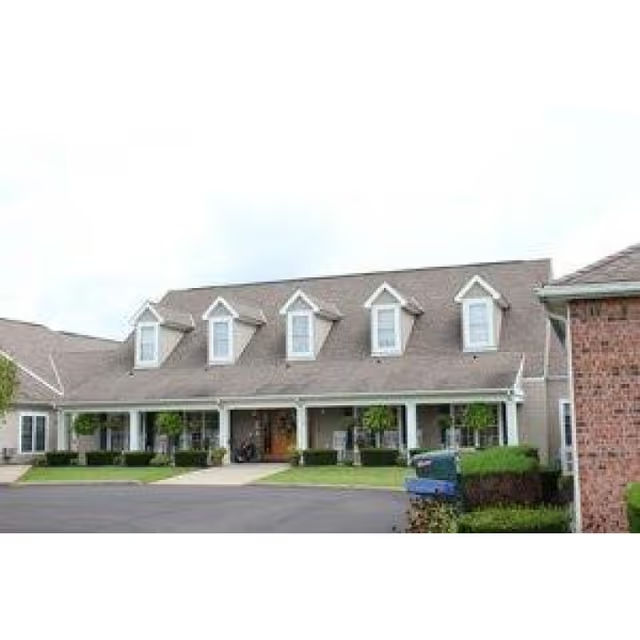
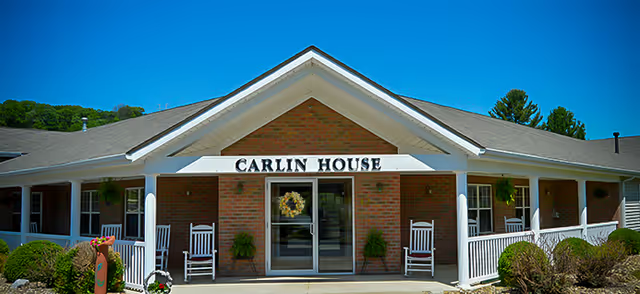
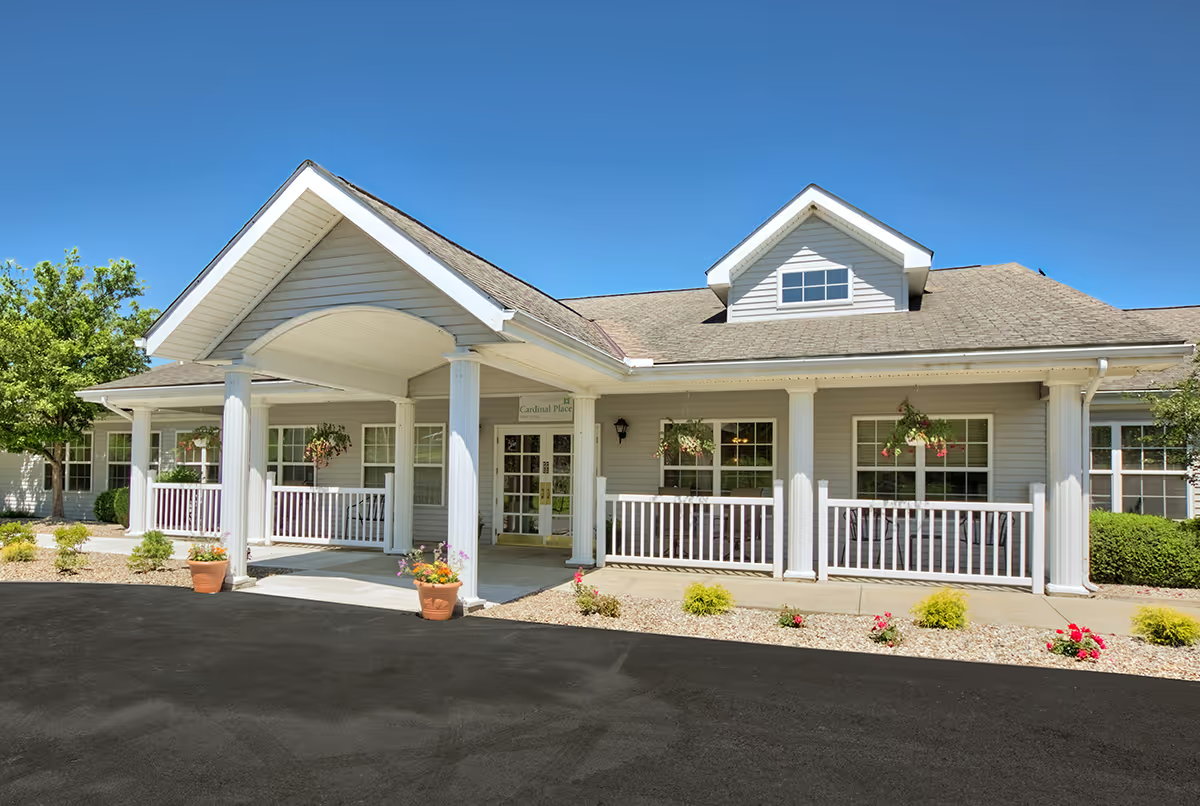
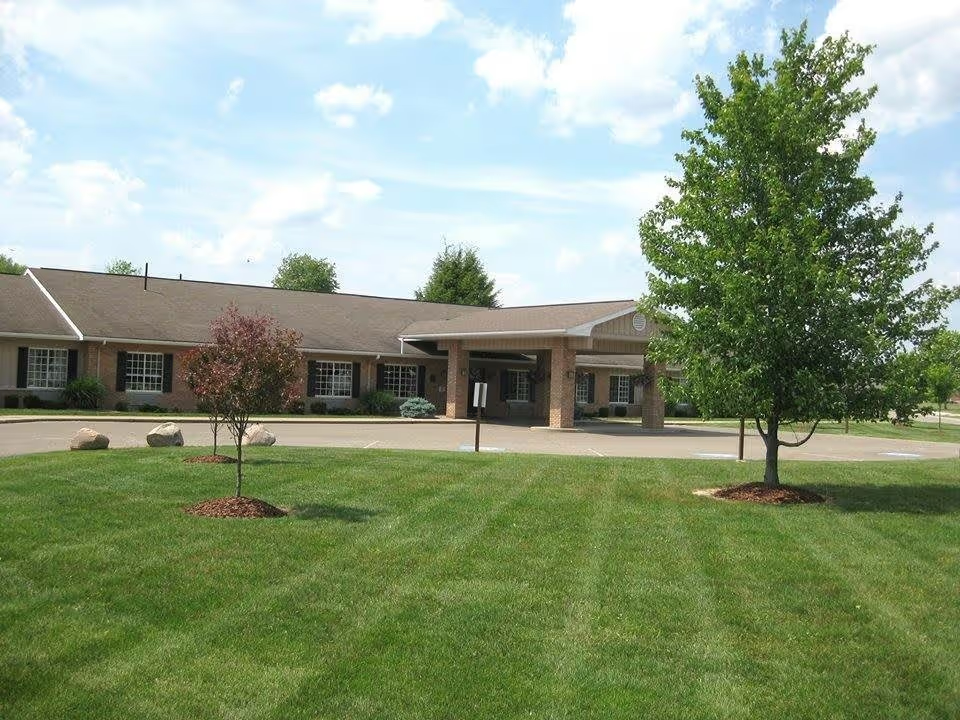
The reviews present a strongly mixed picture of Belpre Landing Skilled Nursing & Rehabilitation. Many families and former residents praise the physical plant: a clean, updated facility with attractive décor, roomy private apartments, abundant natural light and multiple amenity spaces such as a movie room and exercise area. The therapy departments (physical, occupational and speech) receive frequent commendation for effective short-term rehabilitation and successful discharges home. Housekeeping, meal variety, activity programming, and a generally welcoming atmosphere are also noted strengths.
Care quality and clinical oversight are described unevenly. Numerous accounts describe attentive, compassionate caregivers and nurses who communicate well with families and support rehabilitation goals. However, other accounts raise significant clinical concerns: inconsistent medication timing, dietary needs not always implemented (notably diabetes and sodium-restricted plans), and delays responding to call buttons. There are also reports of serious adverse clinical outcomes, including severe hypoglycemia and infection that led to escalation of care; these reports point to gaps in clinical monitoring and incident-response procedures that prospective families should explore further.
Staffing and staff conduct appear to be a central driver of the polarized experiences. Positive reports emphasize friendly, skilled, and professional staff who contribute to good therapy outcomes and family satisfaction. Negative reports repeatedly cite chronic understaffing, long waits for assistance, variability in staff training and demeanor, and occasional unhelpful interactions. Several reviews indicate that staffing shortages directly affected responsiveness to resident needs and the consistency of daily care.
Dining, activities, and amenities are generally seen as assets but with caveats. Many reviewers praise food variety, menu choices, and active arts-and-crafts programming, as well as a pet-friendly environment that can support resident quality of life. Contrasting accounts describe missed meals, portion or timing inconsistencies, and specific diet-implementation issues that are important for residents with strict medical diets.
Facility operations and management show mixed signals. While the physical environment and housekeeping are frequently lauded, there are isolated but serious operational concerns: sanitation and incontinence-care process lapses, safety and equipment maintenance issues (for example mobility-device hazards and catheter-management problems), and allegations of mishandling of resident property and unauthorized changes to advance-care documentation. Communication with families about condition changes and room logistics is described as inconsistent, with some families receiving thorough updates and others reporting limited information.
Overall pattern: the facility offers strong rehabilitation services, a pleasant environment, and many compassionate staff members, which produce many positive outcomes for short-term residents. At the same time, recurring operational weaknesses — especially around staffing levels, medication and diet management, family communication, documentation controls, and safety monitoring — generate notable negative experiences for other families. Prospective residents and families should tour the facility, ask specific questions about staffing ratios, medication and diet protocols, clinical monitoring practices, documentation/consent procedures, and how the facility handles escalation and family communication to assess current performance and fit.