Reviews of this memory-care facility present a mixed picture: many families describe a team with genuine dementia-care experience, compassionate caregivers, and a range of meaningful activities, while others raise significant operational concerns that merit careful inquiry.
Care and staff: Positive comments emphasize staff empathy, dementia-focused skill sets, and individualized attention during good shifts. Several accounts describe nurses and aides who know residents and families, provide calm handling of agitation, and facilitate family updates. Counterbalancing those reports are recurring concerns about staffing levels and responsiveness. Families describe situations that suggest gaps in routine clinical monitoring (weight tracking and vital-sign documentation), delays in attending to toileting or feeding needs, and uneven supervision. There are also allegations of staff misconduct and concerns about psychotropic medication use for some dementia residents; these are serious issues that families should pursue directly with administration and regulators when appropriate.
Safety and equipment: The facility's layout and security features are viewed positively for wandering prevention and a less institutional atmosphere, with an interior courtyard that supports safe walking. However, reviewers note problems with equipment maintenance and transfer-safety practices that have been associated with resident falls; these point to procedural and preventive-maintenance weaknesses. Sanitation and odor-control concerns and inconsistent incontinence-care practices were cited by multiple families, indicating a need to review housekeeping protocols and infection-control processes.
Dining and activities: Dining receives generally favorable remarks — meals are described as tasty and well-rounded. The activity program is a clear strength for many residents: music, crafts, memory/connection programs, and even evening offerings are highlighted. Engagement can vary depending on resident cognitive level and staffing during activity times, so activity consistency may be uneven for some residents with advanced needs.
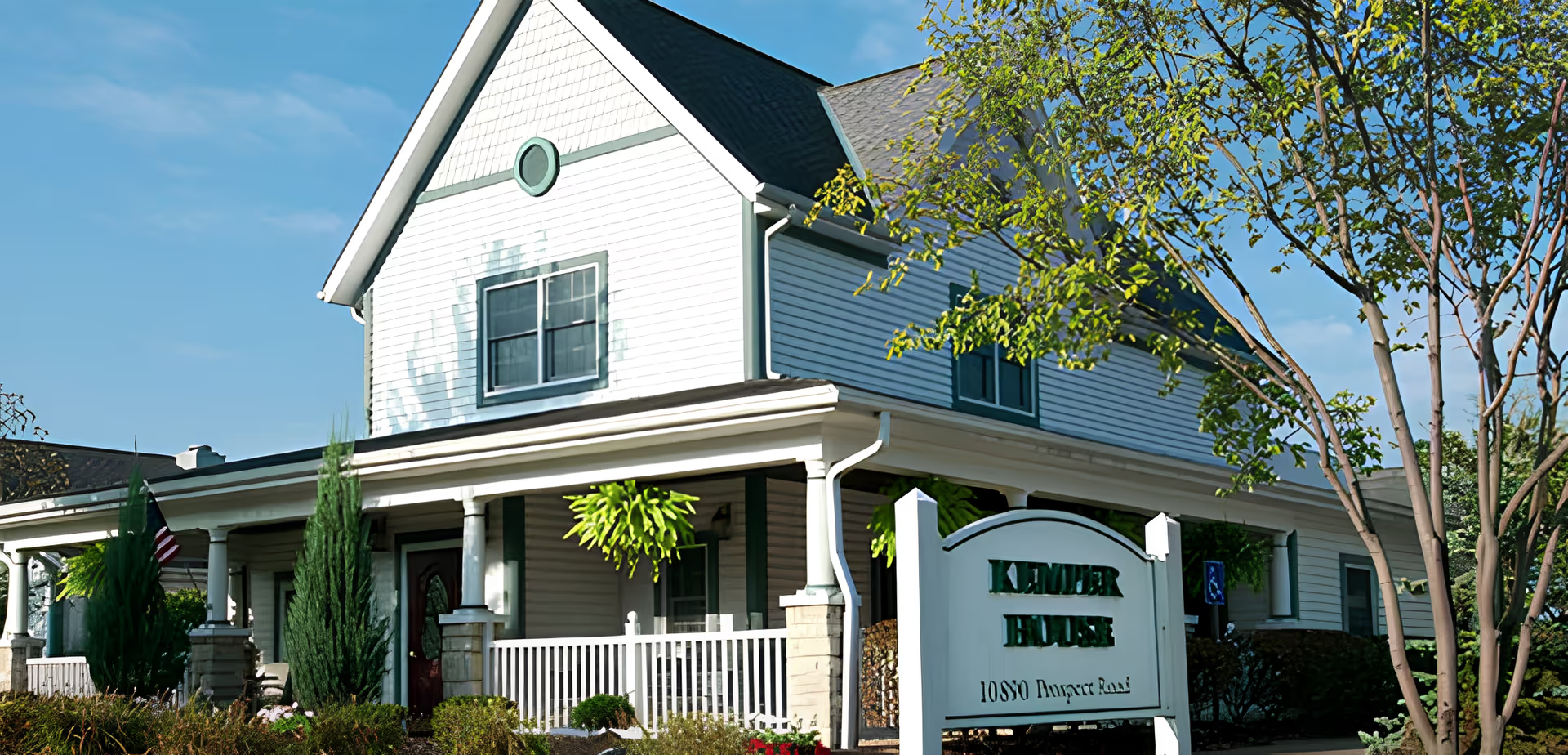
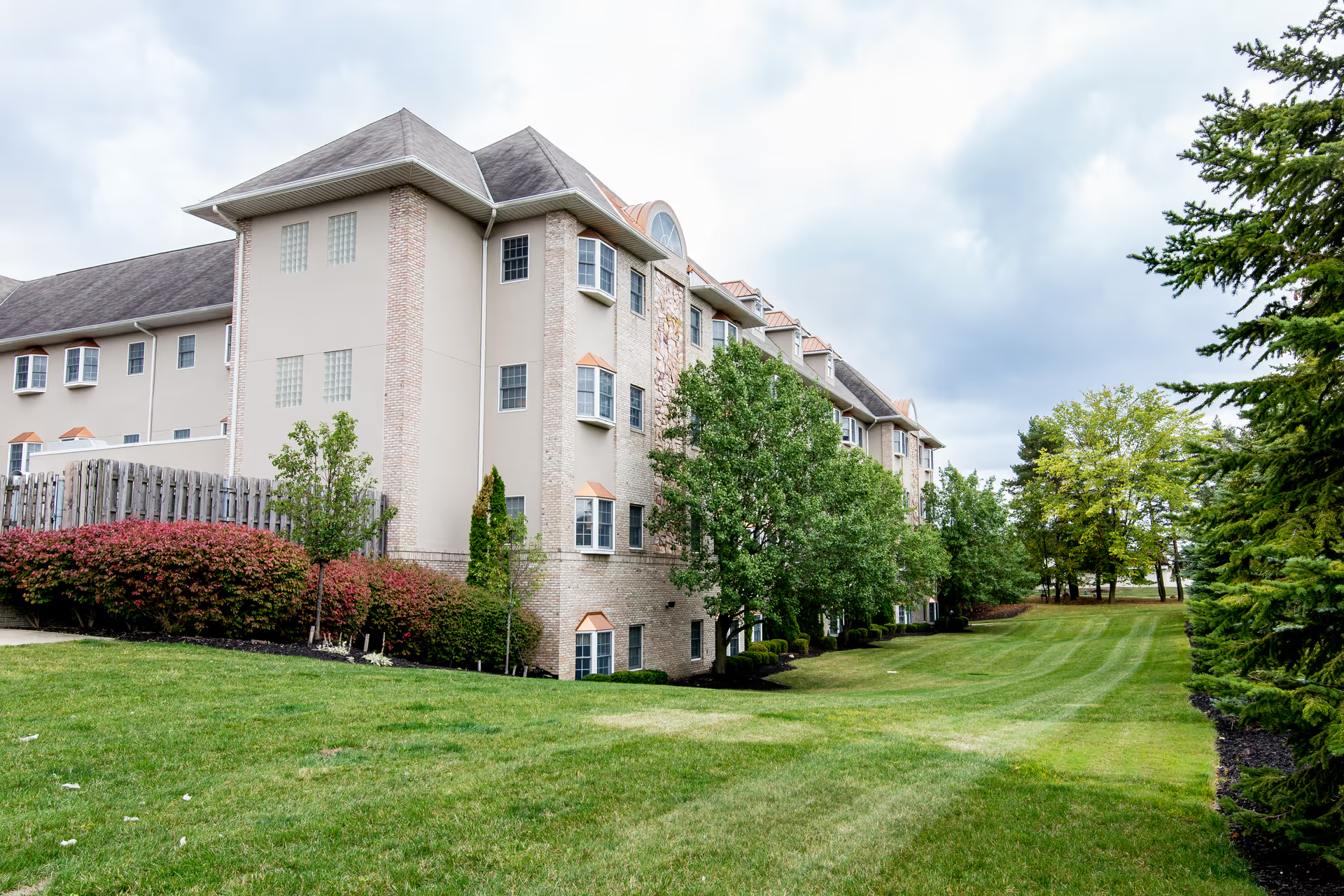
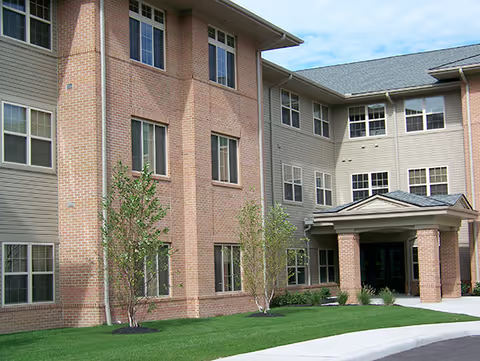
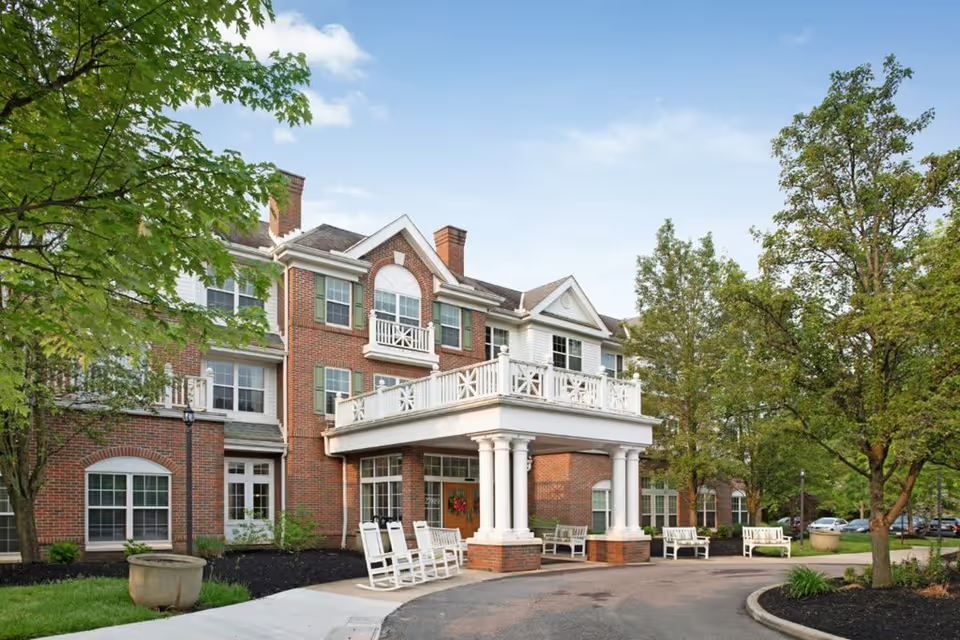
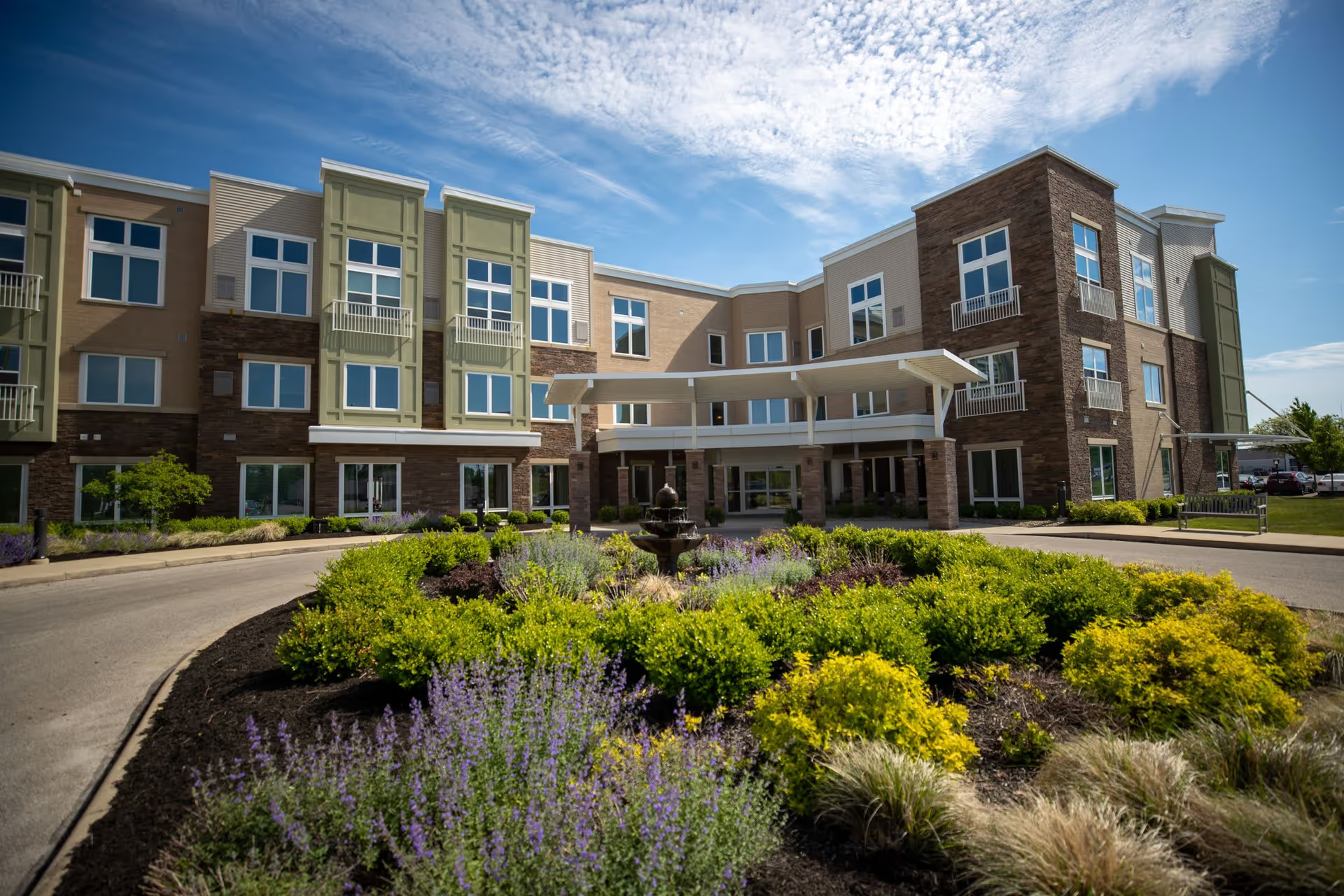
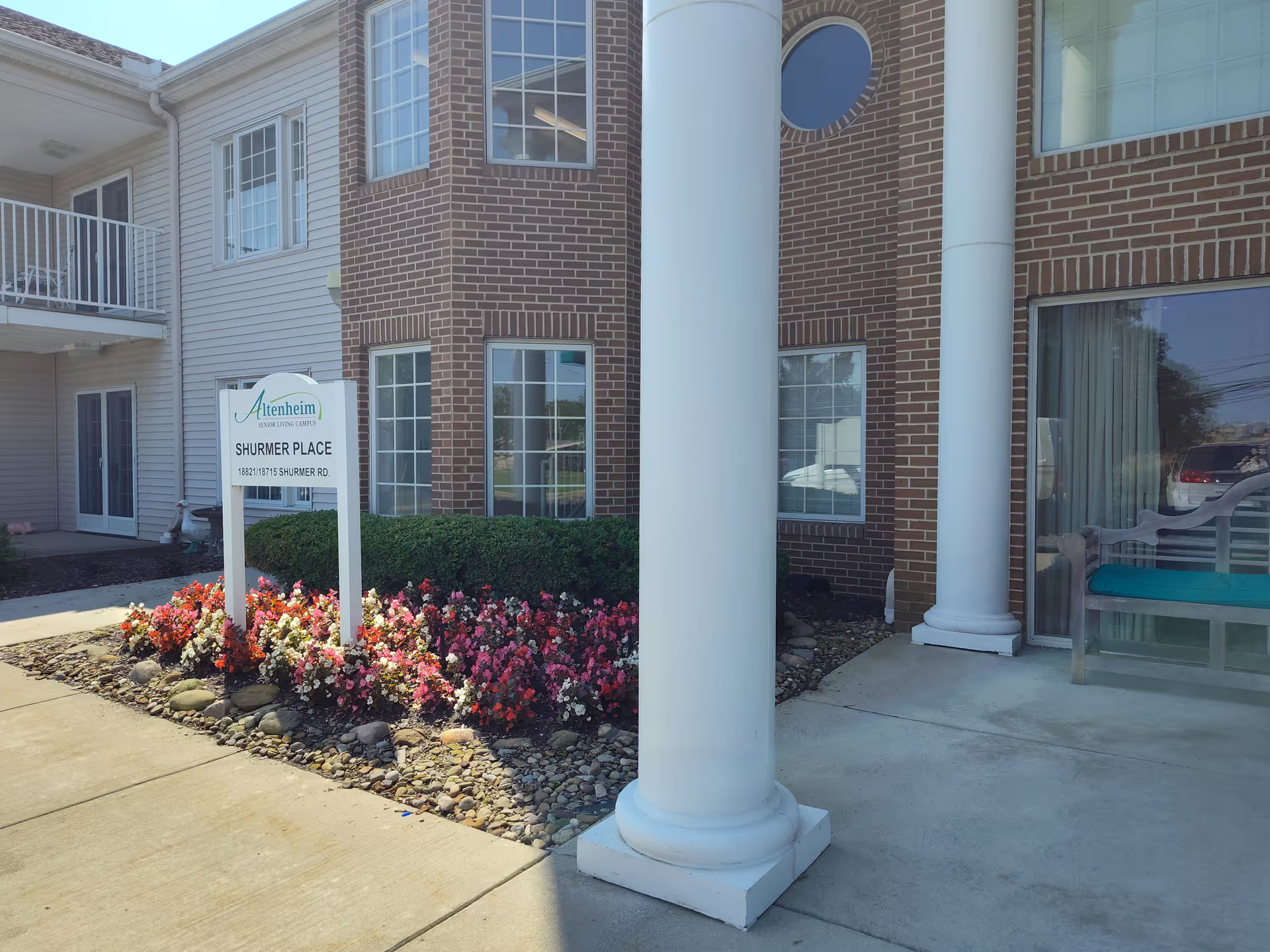
Facilities and management: The building appears older in parts but functionally laid out, with comfortable shared rooms, privacy curtains, and on-site grooming services. Management impressions are mixed: some families report smooth admissions, helpful office staff, and transparent leadership; others report restricted or changed visitation policies, unresponsiveness to concerns, and inconsistent follow-up after incidents. These differences suggest variability by shift or unit and point to opportunities for clearer communication channels and stronger incident-response practices.
Notable patterns and recommended checks: The overall pattern is one of strong relational care delivered by many staff members, tempered by systemic operational issues — primarily staffing adequacy, clinical monitoring, equipment maintenance, sanitation controls, and communication practices. Prospective families should tour the facility, observe care routines, and ask for documentation on staffing ratios and schedules, clinical-monitoring protocols (weight and vitals), medication-management policies, lift and equipment maintenance logs, housekeeping and odor-control procedures, incident-reporting practices, and visitation policies. Meeting nursing leadership and reviewing recent inspection or incident reports can help clarify whether cited issues have been addressed. The facility may offer meaningful dementia-specific programming, but verification of consistent safety and clinical processes is advisable before placement.