Overall impression: Reviews present a mixed portrait of Wood Haven Healthcare. Many accounts highlight strong bedside care, a clean environment, and active therapy and social programs; concurrently, a number of comments raise operational and leadership concerns that could affect day-to-day resident experience.
Care quality and clinical services: Multiple reviews emphasize compassionate, personable nursing staff and an attentive, professional approach to clinical care. The facility's skilled rehabilitation and therapy services receive consistent praise, including availability of in-room therapy options and active discharge planning in positive accounts. However, other reviewers describe delays in medication administration and long wait times for assistance, indicating variability in responsiveness and timeliness of routine clinical tasks.
Staff and teamwork: Staff are often described as friendly, caring, and engaged with residents, contributing to a family-like atmosphere for many families. At the same time, reviewers identified weaknesses in staff cohesion and collaboration — including aides and nurses not always working smoothly together — and uneven interpersonal dynamics that can create perceptions of favoritism. These patterns coincide with commentary about low staff morale and emotional strain among employees.
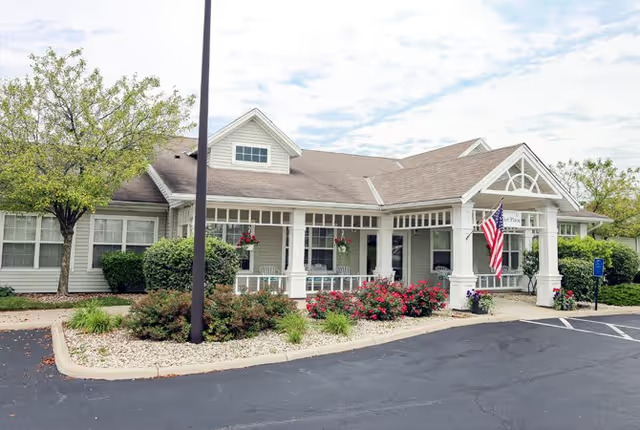
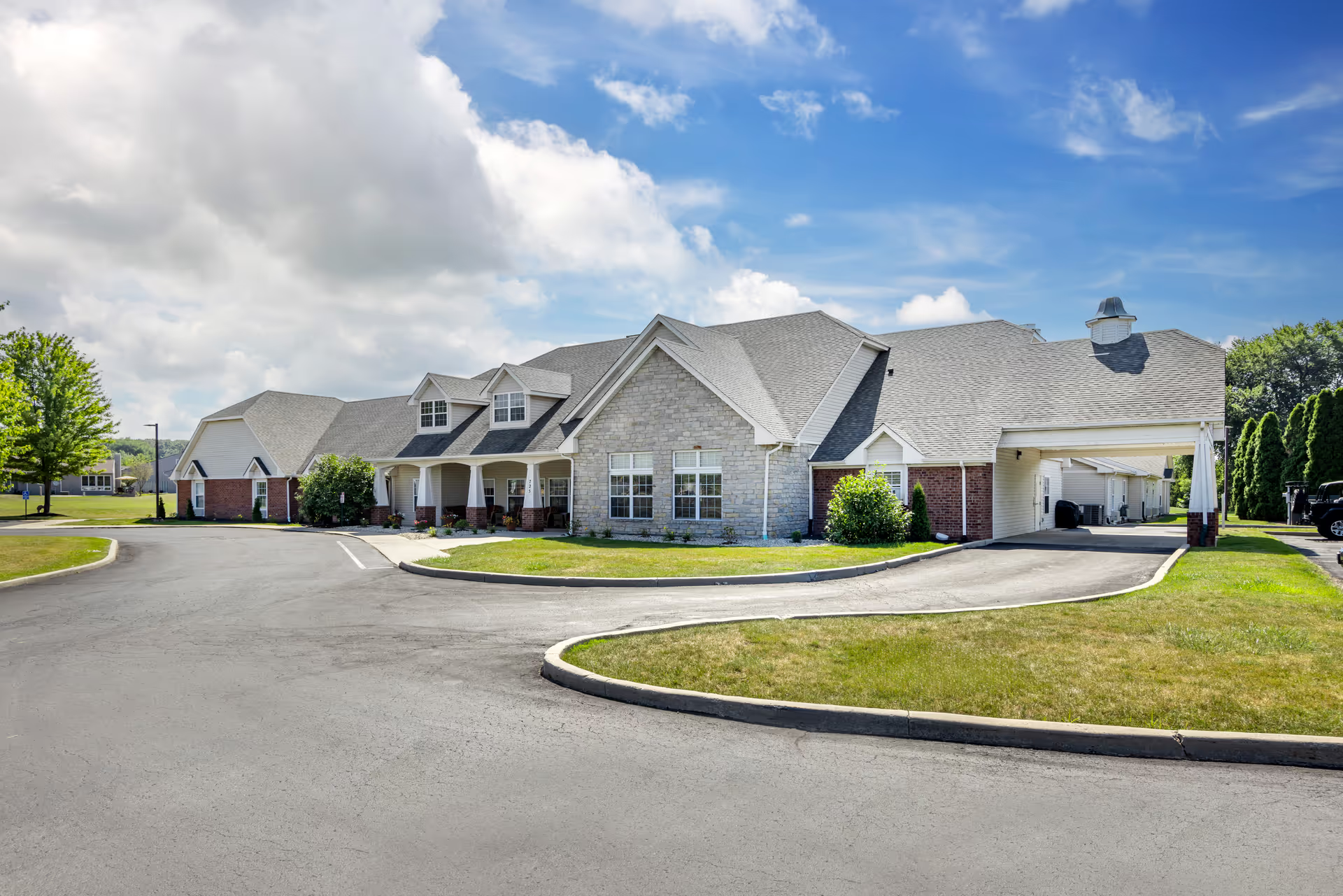
Dining, activities, and facilities: Dining is generally characterized positively, with remarks about good food. The facility offers a range of social and recreational activities (bowling, bingo, coffee clubs and other programs) that contribute to a lively environment. Facility cleanliness and organization are described positively in multiple accounts, with attention to maintenance and a welcoming physical atmosphere.
Management and operational patterns: Perceptions of leadership are mixed. Several reviewers praised an effective Director of Nursing and strong family communication; others raised concerns about management conduct and communication tone, including instances described as raised voices by leadership. Staffing inconsistencies and perceived management shortfalls appear linked to the operational problems noted above. Discharge-planning processes were called out as inconsistent in some accounts, suggesting a need for clearer coordination during transitions of care.
Notable patterns and considerations: The dominant pattern is a contrast between strong direct-care and therapy strengths versus recurring operational and leadership issues. For prospective residents and families, recommended topics to clarify during a visit include current staffing levels and shift coverage, medication-administration protocols and typical response times for resident assistance, the facility's approach to staff training and team coordination, and how discharge planning is managed and communicated. Verifying leadership stability and asking about recent staffing and quality measures will help contextualize the mixed feedback.