Overall impression: Reviews of East Park Retirement Community are highly polarized, with a substantial set of reviewers describing warm, attentive staff, robust activities, and a clean, home-like dining environment, while another set of reviewers raise significant operational and clinical concerns. The pattern suggests the community can provide a positive social environment and good basic services for many residents, but there are recurring operational weaknesses that prospective families should evaluate closely.
Care quality and clinical concerns: Many families praised compassionate caregivers, visible nursing and therapy support, and a sense of safety from on-site clinical services. At the same time, multiple narratives point to inconsistent staffing levels (particularly overnight), delays in attending to resident needs, and gaps in medication-management practices. There are also repeated concerns about care in the memory-care unit, including training and supervision shortfalls and skin-integrity and mobility-safety issues; these suggest uneven clinical oversight across units. There are also allegations of staff financial misconduct that warrant careful review during placement decisions.
Staff and management: Staff are frequently described as friendly, helpful, and engaged—admission staff, nurses, and younger aides receive praise in many accounts. Conversely, several reviews describe inconsistent professionalism, poor bedside manner from specific supervisors, and problematic HR/intake interactions. Communication between shifts and between management and families is a recurring theme: some families report clear, responsive communication, while others describe poor follow-up, unreported incidents, and perceived retaliation or unfair staffing decisions. This inconsistency points to variability in leadership and operational control over time or by unit.
Dining and activities: Dining is a relative strength for many reviewers: hot meals, accommodations for diet preferences, live music, and opportunities for family to join meals are noted as positives. However, other reviewers experienced repetitive menus, meat-heavy offerings, denied second portions, and inconsistent meal quality. Activities programming is generally well-regarded—Bingo, gardening, bus trips, live music, and social events are mentioned frequently as features that support resident engagement.
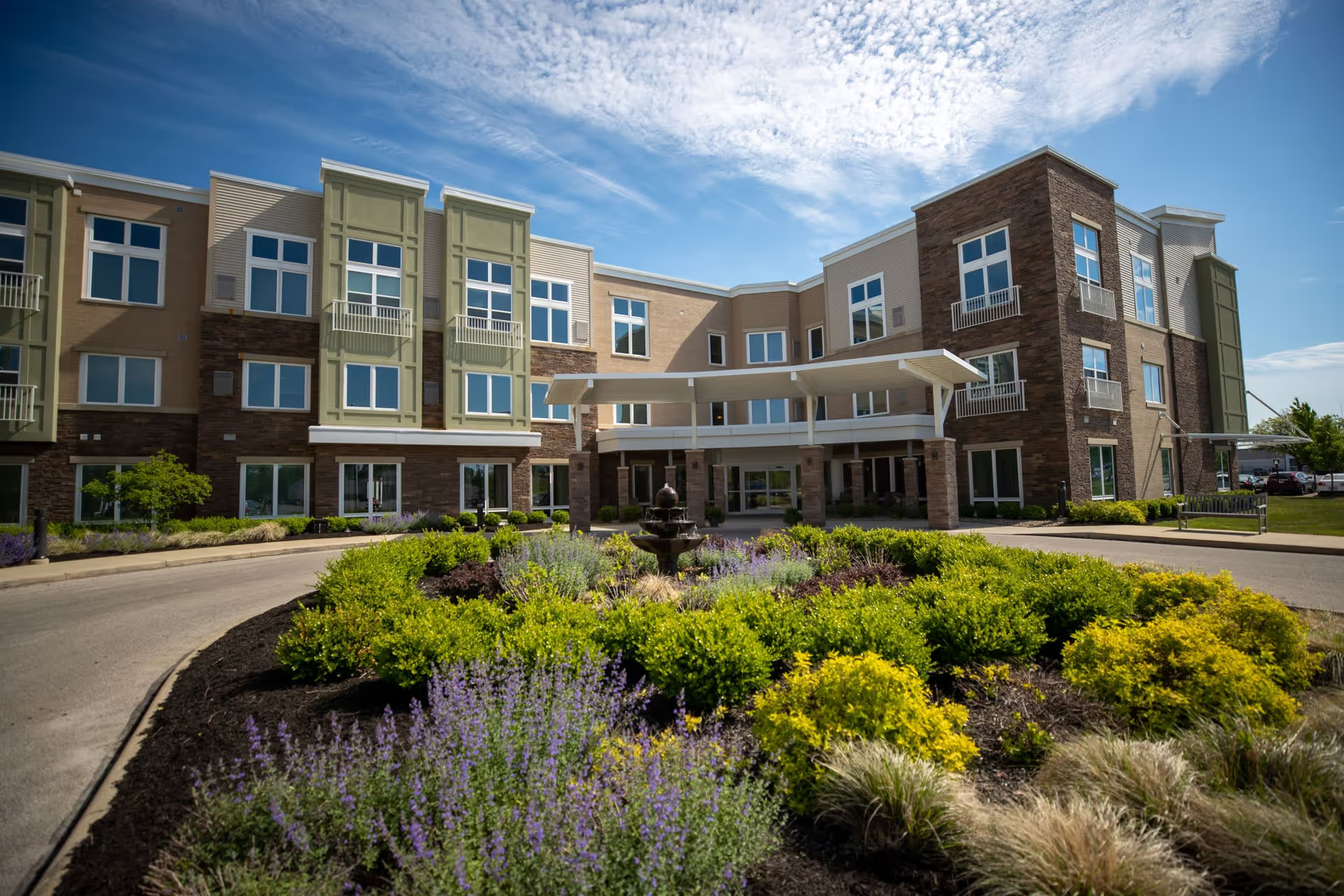
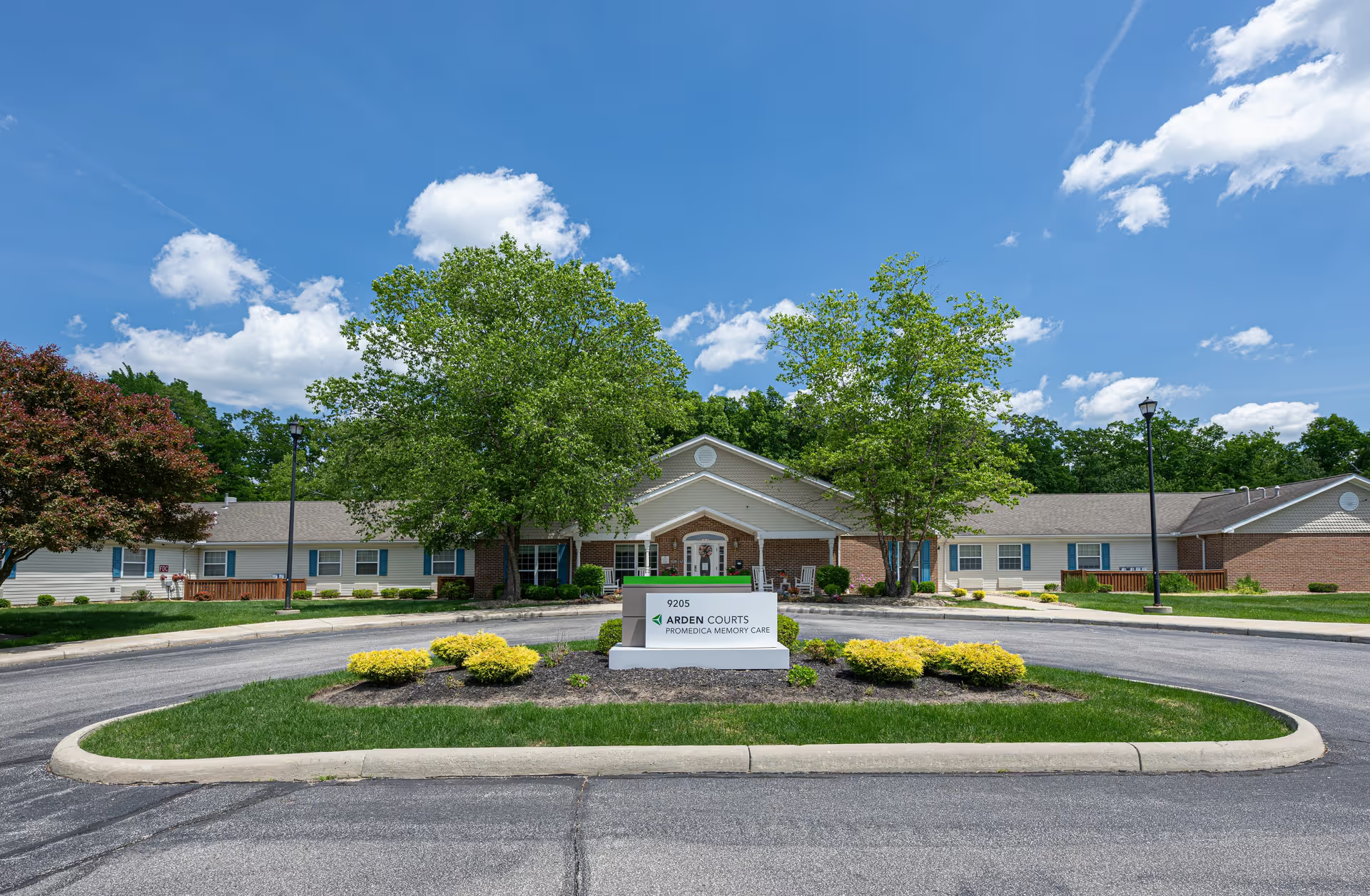
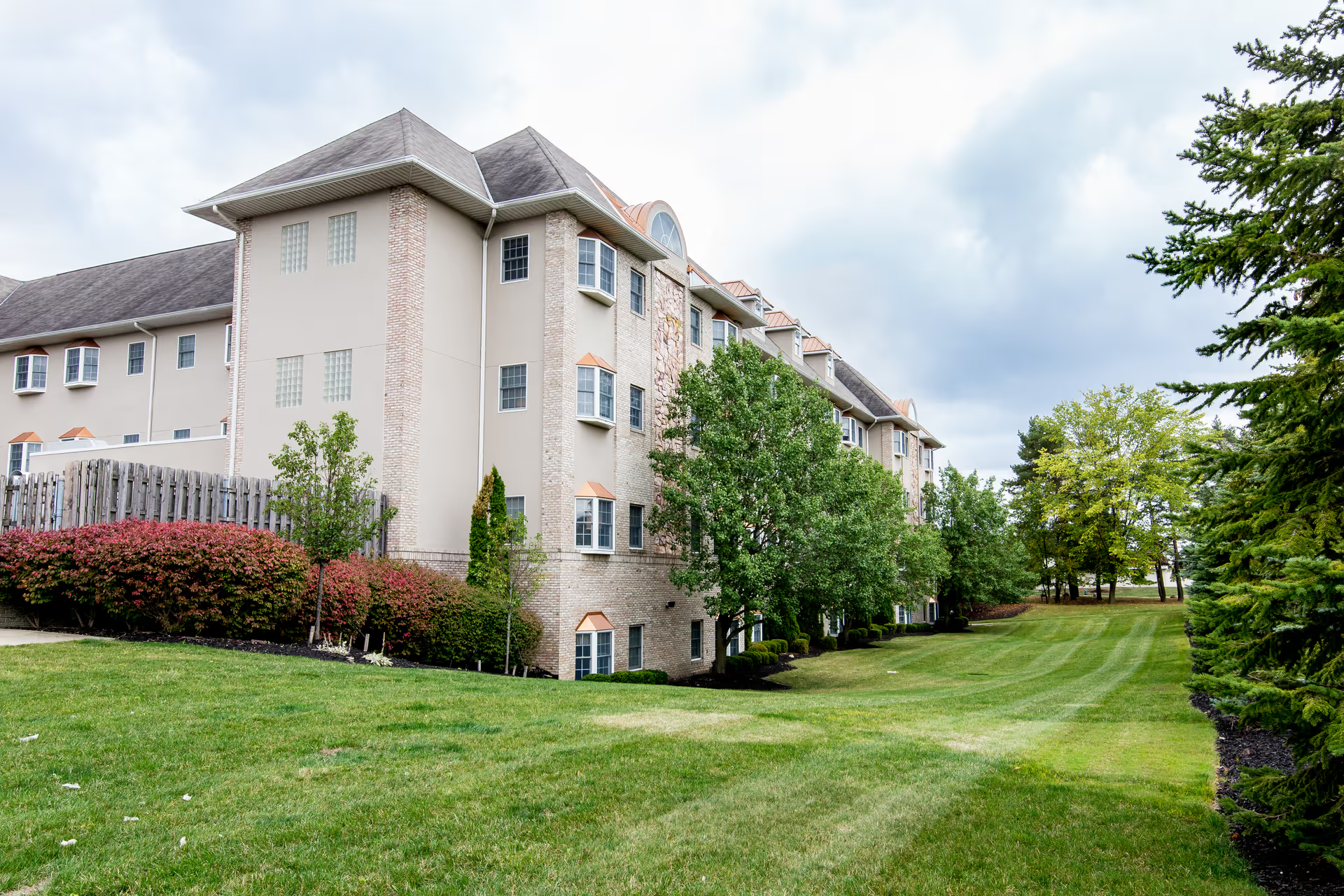
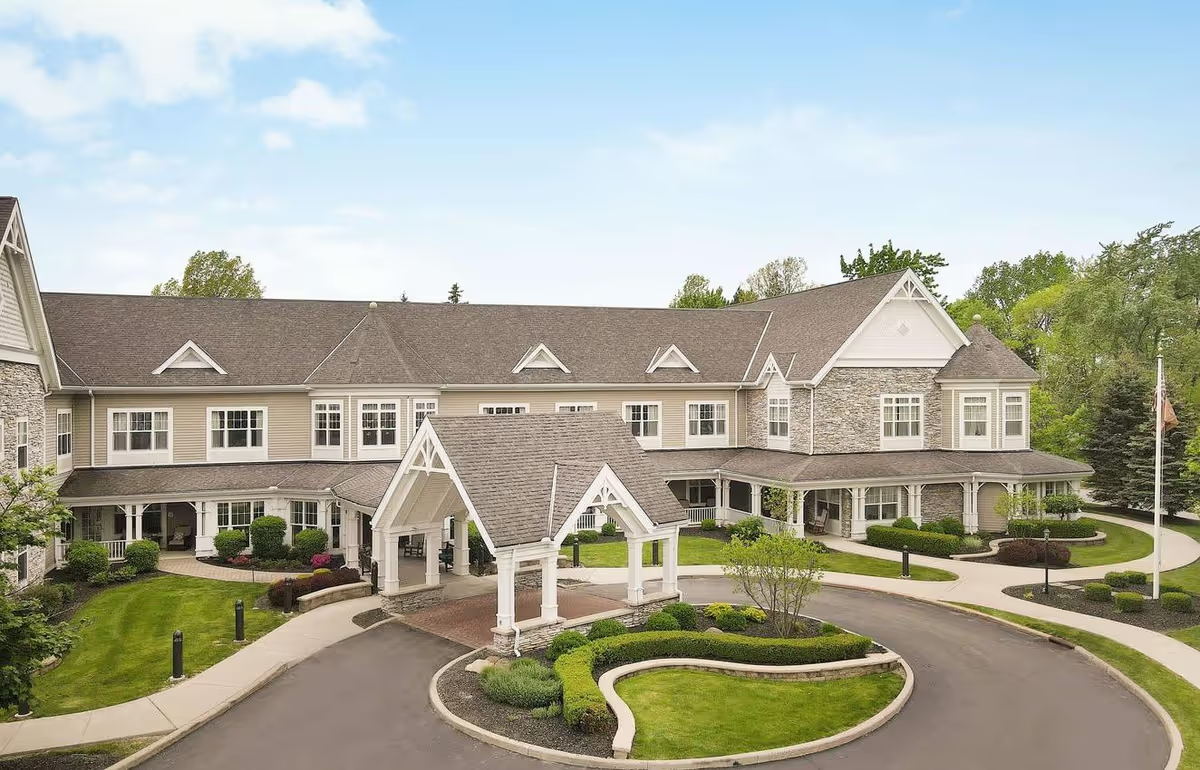
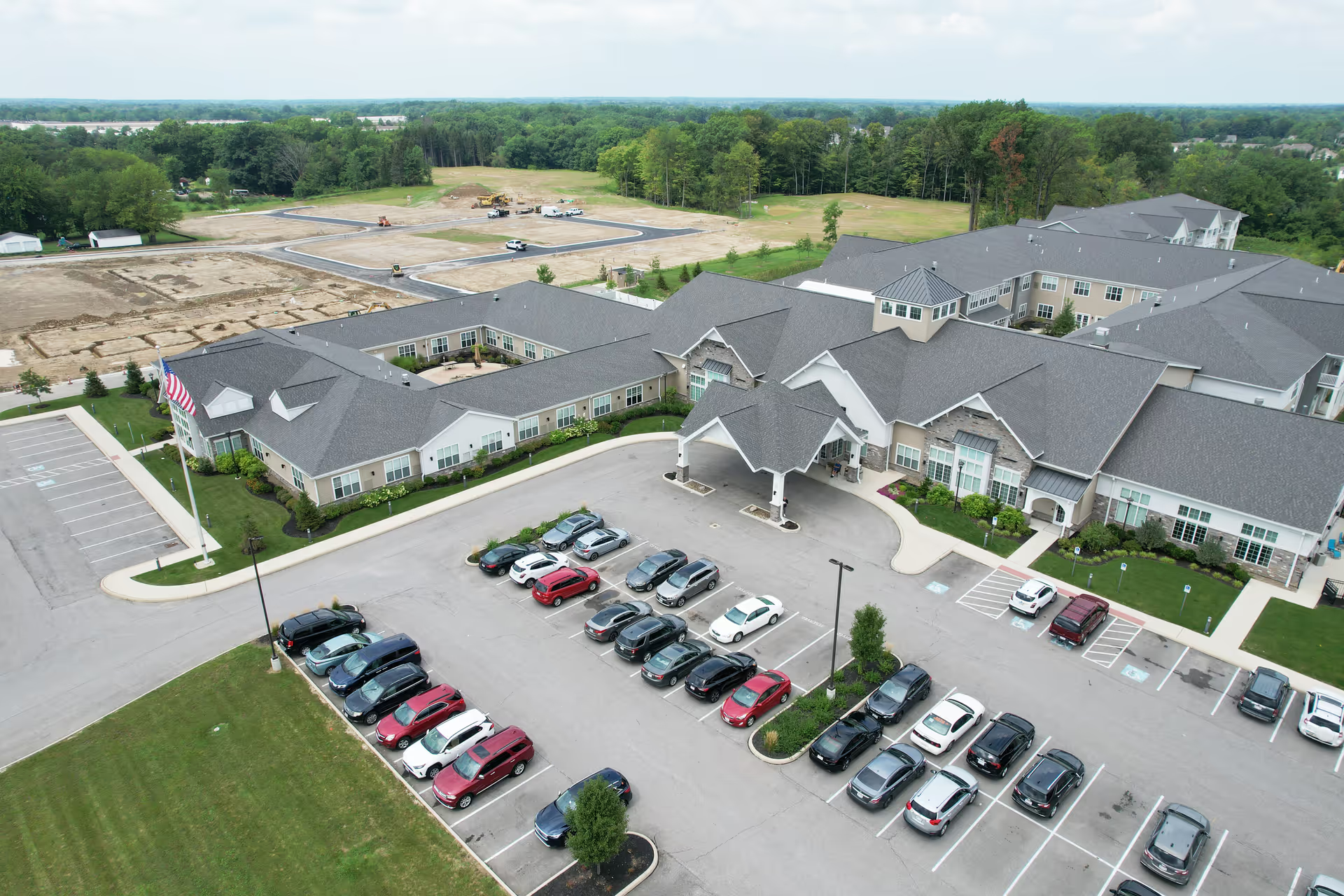
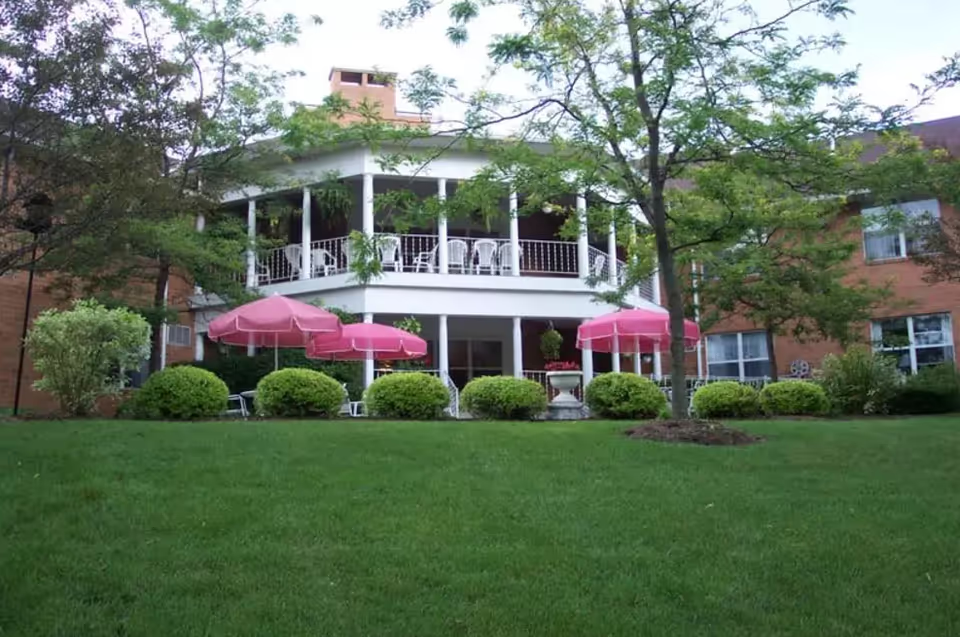
Facilities and maintenance: The community is described as clean and welcoming in many common areas and dining spaces, with apartment-style units and park-like grounds that residents enjoy. At the same time, the facility is characterized as dated in places and commenters note unresolved maintenance items (broken appliances, damaged doors, noisy furnaces, toilet accessibility concerns). There are specific sanitation and mold concerns cited in memory-care areas that should be investigated directly with management and regulators.
Notable patterns and guidance: The most consistent distinction across reviews is variability—some families describe an exceptional, well-managed community; others describe serious lapses in staffing, communication, and sanitation. Memory care, night coverage, and intake/HR processes emerge as areas with the most frequent negative comments. Prospective residents and families should ask for current staffing ratios (including nights), incident-reporting and communication policies, documentation of training for dementia care, recent inspection or remediation records (especially for any mold or sanitation issues), sample menus and portion policies, and specifics on financial safeguards. An in-person visit during an evening or weekend shift, and conversations with current families and unit-level staff, may help clarify whether the community’s strengths are consistent with the level of care needed.