Overall impression: Fountain Park receives a mix of strong positive feedback and targeted operational concerns. Many families and residents praise the staff, atmosphere, and living accommodations: the community is frequently described as clean, spacious and hotel-like, with apartment-style units that support resident independence. Staff—particularly nurses and certified nursing assistants—are commonly described as compassionate and attentive, and reviewers highlight an active activities program, on-site rehabilitation services, pet-friendly policies, and restaurant-style dining as meaningful strengths.
Care quality and clinical issues: Clinical care is a mixed picture. Numerous reviews commend the nursing team's day-to-day attentiveness and reliable medication management, and families report peace of mind when clinical needs are met. However, other accounts describe delayed responses to changing medical needs, inconsistent wound care and personal-care practices, and occasional hospital transfers. These pattern-level concerns suggest variability in clinical responsiveness and in certain skilled-nursing tasks. A few accounts reference serious individual incidents and concerns following a resident's death; these point to potential gaps in incident response, family communication, and end-of-life coordination that merit direct inquiry by prospective families.
Staffing and management: Staffing and management receive both praise and criticism. Several reviewers report highly responsive management, proactive updates, and above-and-beyond support from kitchen and laundry staff. At the same time, other reviewers describe staffing variability caused by illness or turnover, which has affected respite availability and service consistency. Operational weaknesses cited include a lack of a clear respite intake checklist, a communication burden placed on families during transitions, and examples of billing and discharge reconciliation problems. These suggest the facility's administrative processes and contingency staffing plans could benefit from standardization and stronger documentation.
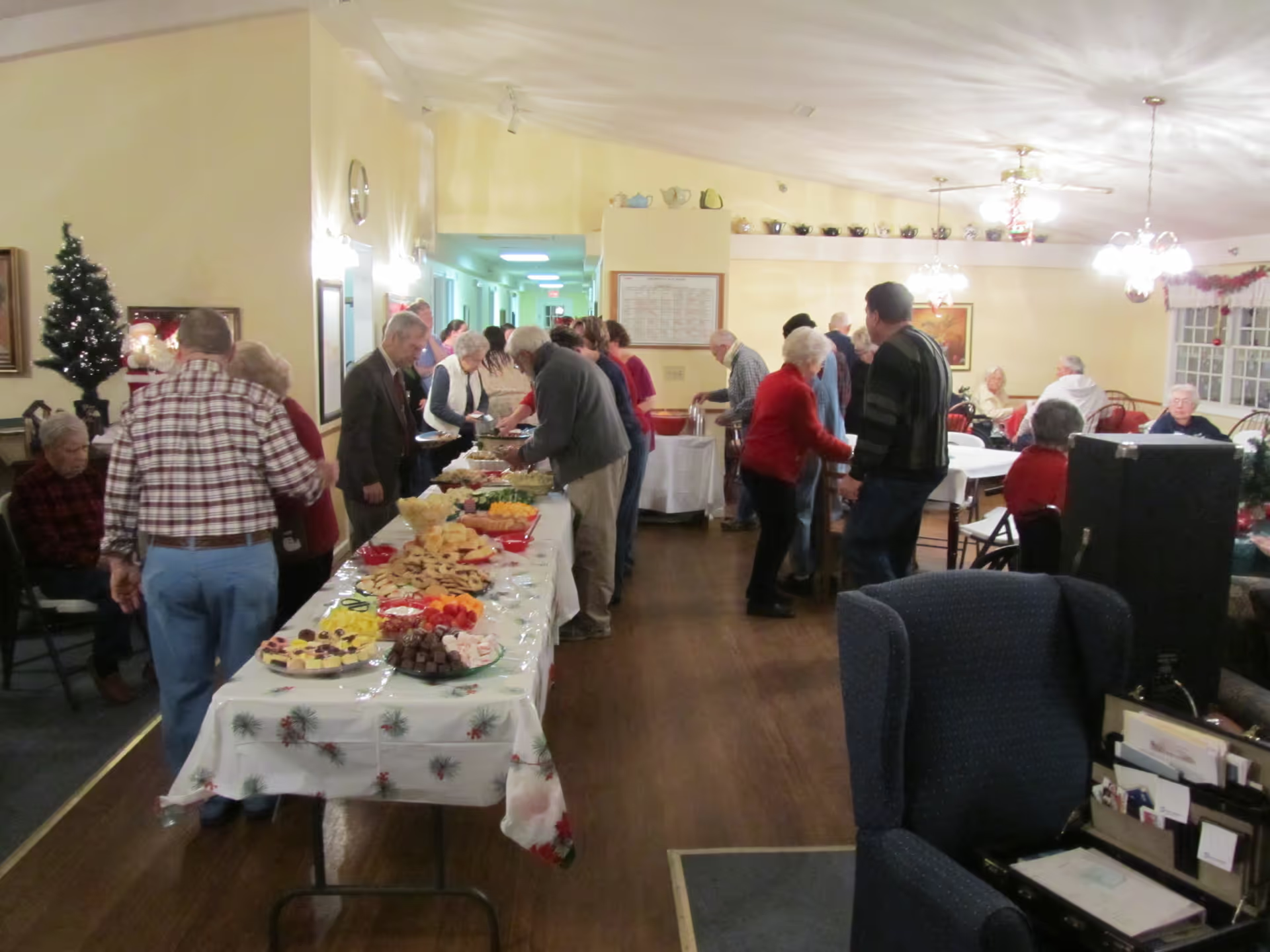
Dining and activities: Dining is generally seen as a positive feature—restaurant-style service and tasty meals are cited—but satisfaction with specific menu items is inconsistent and some reviewers found the dining room crowded and less homey. The activities program is broadly praised: organized, engaging opportunities and family-inclusive events contribute to resident engagement and reported improvements in mental well-being.
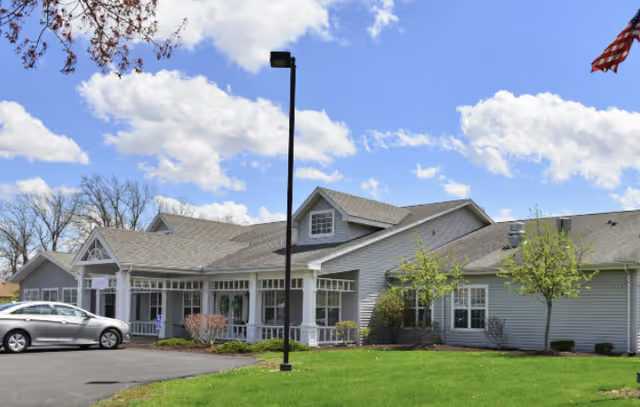
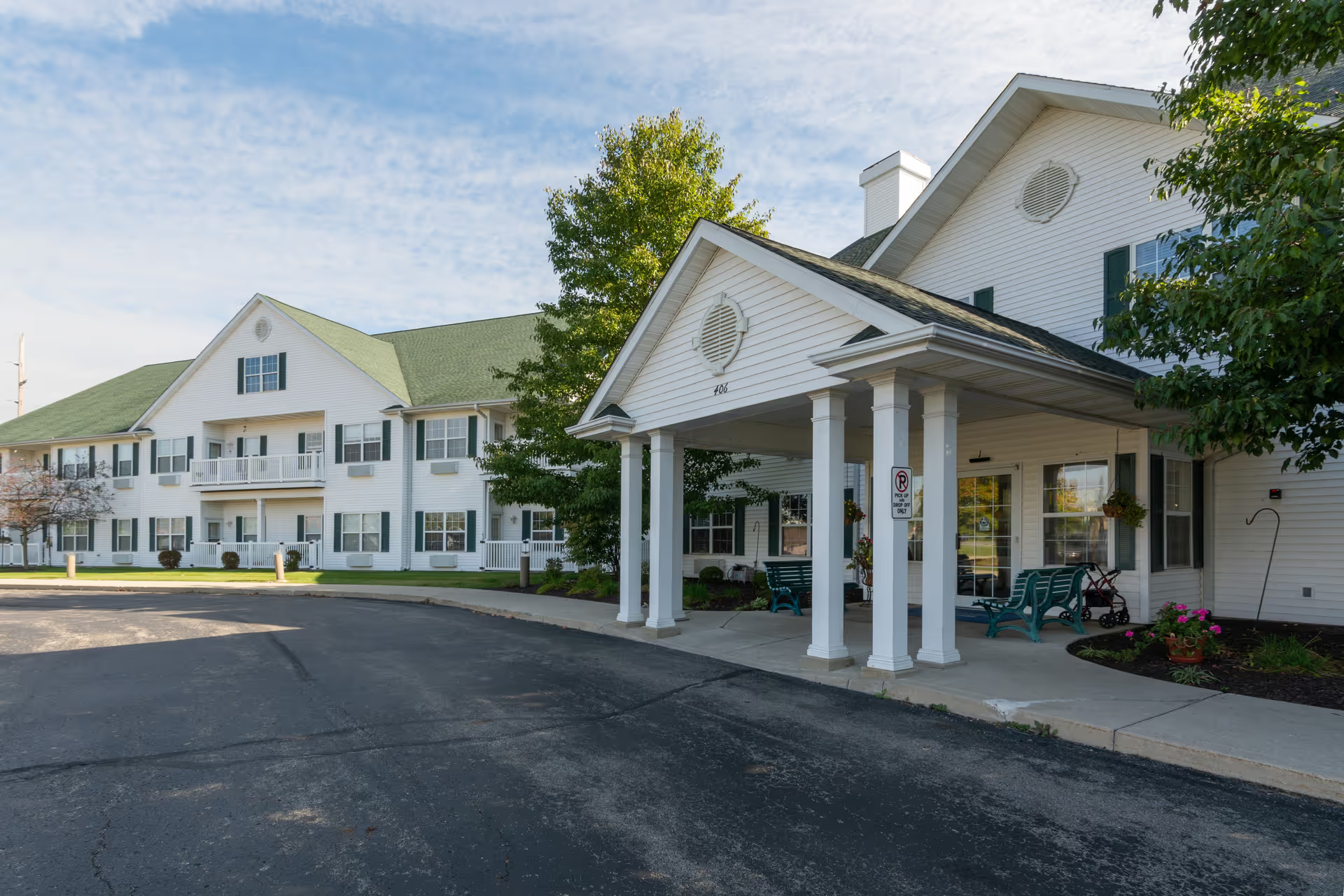
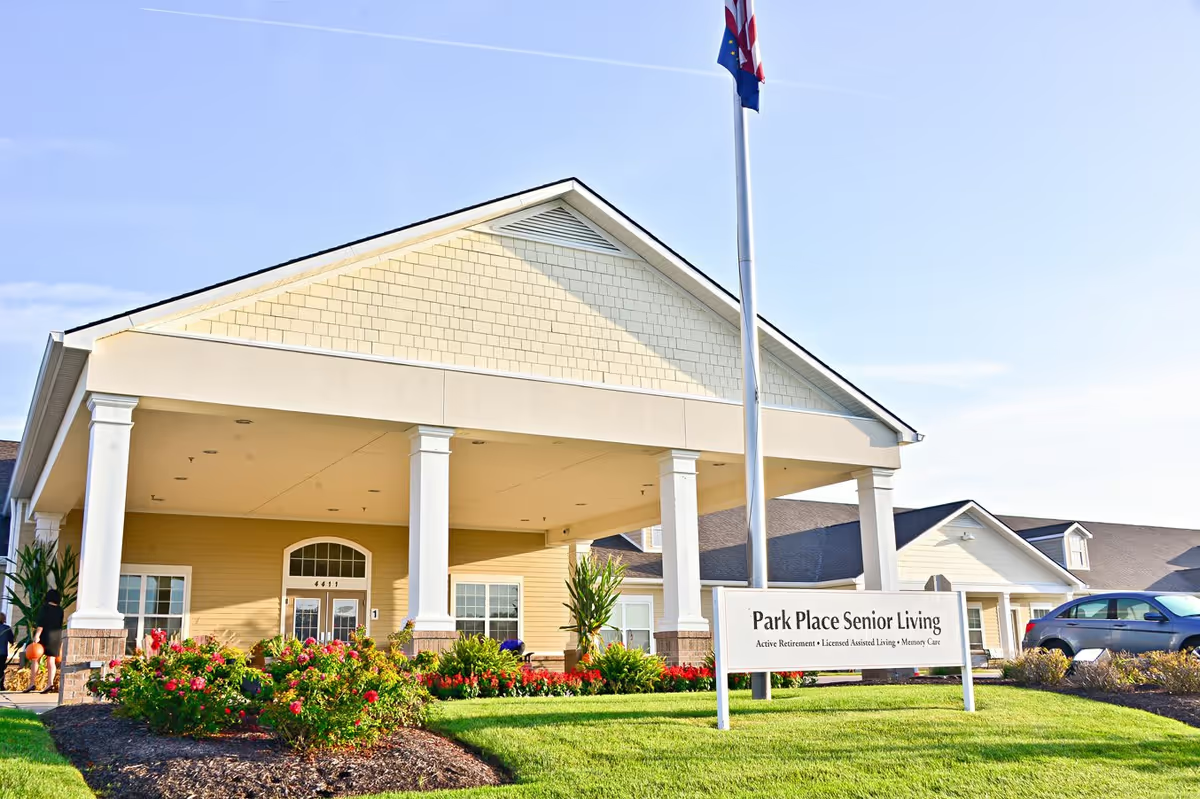
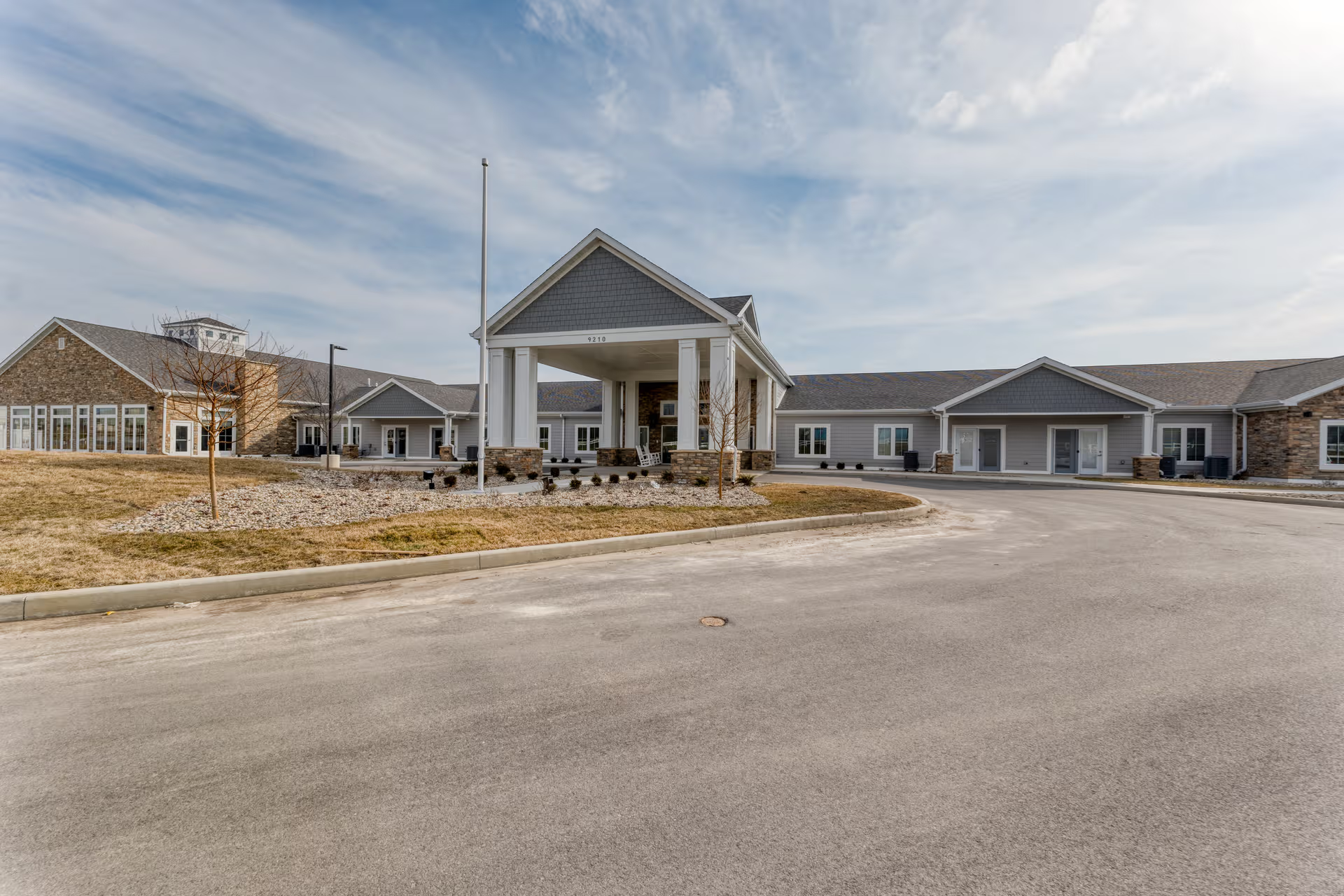
Facilities and safety: The physical environment is often described as tasteful, clean, and spacious, with accessible flat layouts and converted-apartment configurations that support independence. At the same time, the facility's age and conversion history create some maintenance and layout limitations. Safety-related concerns appear in several reviews: wound-care management, bathroom-transfer practices, and fall-prevention protocols were identified as areas needing improvement. Prospective residents should evaluate transfer and fall-prevention procedures during a visit.
Notable patterns and recommendations for families: Fountain Park shows clear strengths in staff compassion, resident-focused amenities, and an engaging social program. The main recurring operational issues are inconsistent clinical responsiveness, variability in support services (laundry, respite), administrative communication gaps, and isolated but serious incident-management concerns. Families touring the facility should ask specific questions about wound-care protocols, transfer-safety practices, staffing contingency plans, respite intake procedures and expected timelines, medication-administration audits, and billing/discharge reconciliation processes. Request recent staffing ratios, sample activity calendars, and written policies on incident notification and hospice or palliative-care coordination to get a fuller sense of how the facility manages both daily life and higher-acuity needs.