Overall impression: Astoria Place of Cambridge is described by families as a warm, home-like community with notable strengths in dementia and Alzheimer’s care and consistently compassionate direct-care staff. Reviewers highlight a welcoming atmosphere, respectful resident–staff interactions, and staff members who take time with residents and families. The facility’s safety approach — including wearable door-lock bracelets — and a focus on memory-care needs are repeatedly identified as positive elements for residents with cognitive impairment.
Care and staff: Praise centers on attentive, compassionate caregivers and leadership-level support; several reviews named specific staff for positive family support and case coordination. Staff are commonly described as patient, not rushed, and willing to support families during end-of-life transitions. That said, there are contrasting accounts indicating uneven staff conduct and morale. These mixed descriptions suggest variability in day-to-day staff performance and communication, so consistency of experience may depend on shift or unit staffing.
Dining and activities: Reports on dining are mixed. Some families describe good meals and regular refreshments, while others describe poor food quality and limited dietary variety. Meal-choice options exist, but preparation and palate appeal appear inconsistent. Activity offerings include bingo, card games, nail services on scheduled days, an exercise/wellness area, and other communal programs; reviewers generally find there is engagement available but also indicate the programming could be deeper or more consistently scheduled.
Clinical services and safety: The community is noted for memory-care expertise, but reviewers raised operational concerns about certain clinical services. There are accounts of limited on-site medication administration and wound-care support, as well as confusion around coverage and supply provision. Safety and emergency response are another area of mixed feedback: while safety systems are in place, some reviews describe concerns about fall response and alarm responsiveness, pointing to potential gaps in incident response protocols and staffing during emergencies.
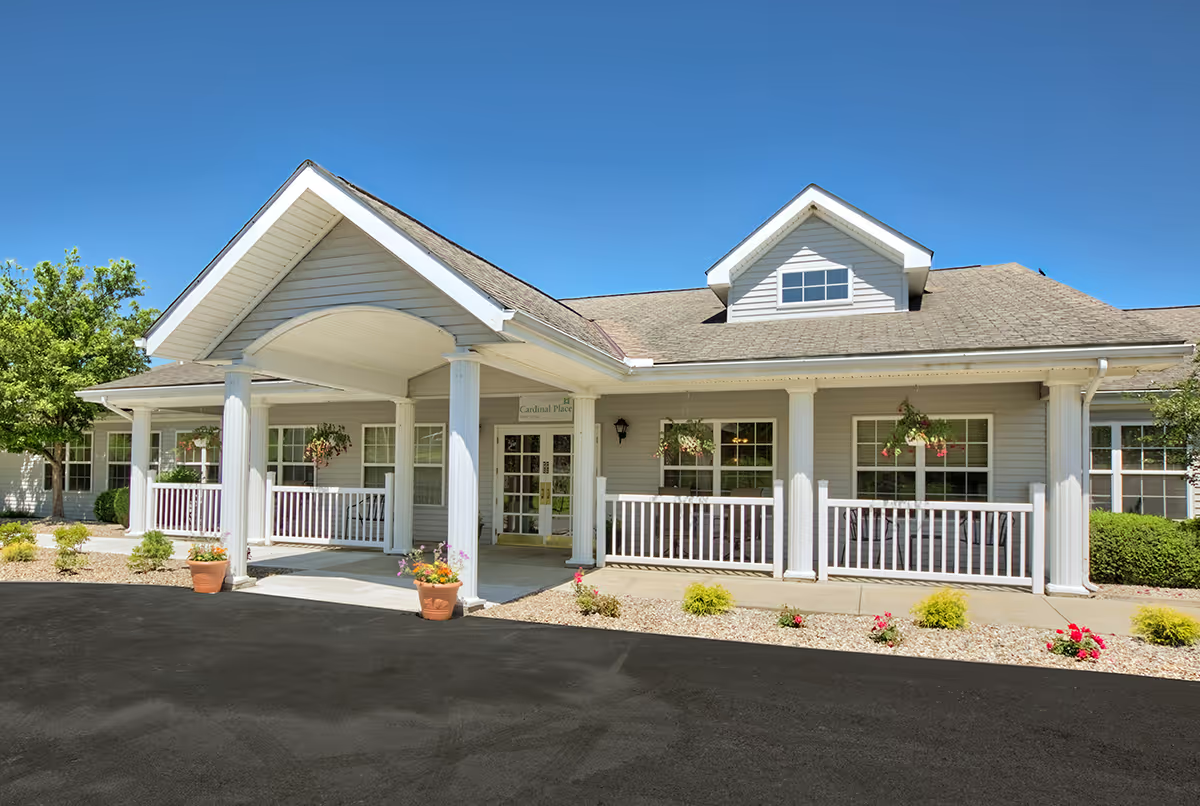
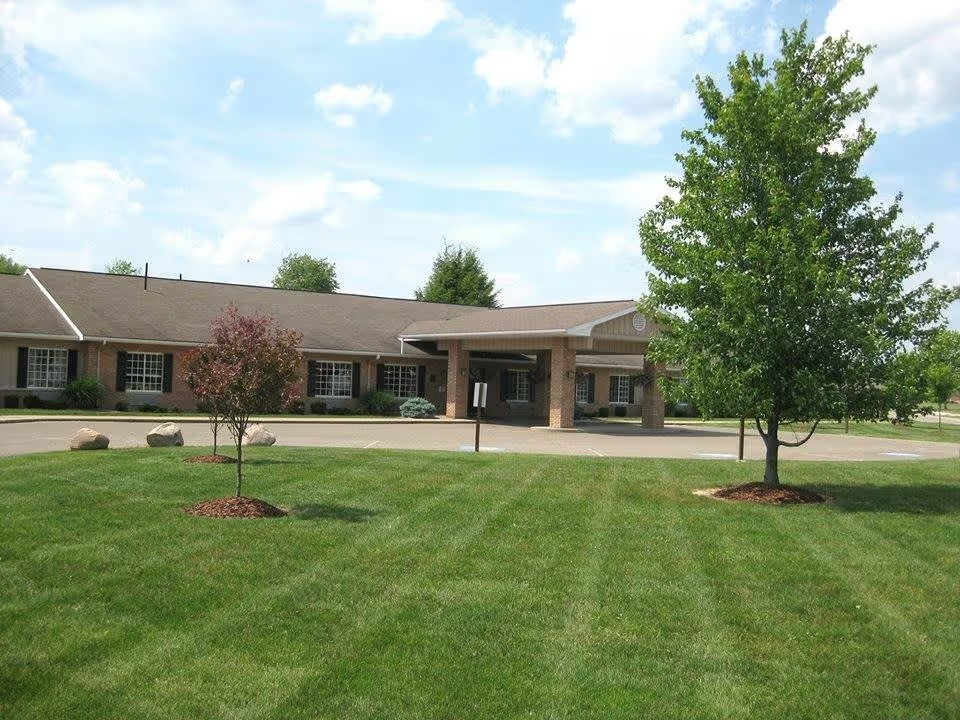
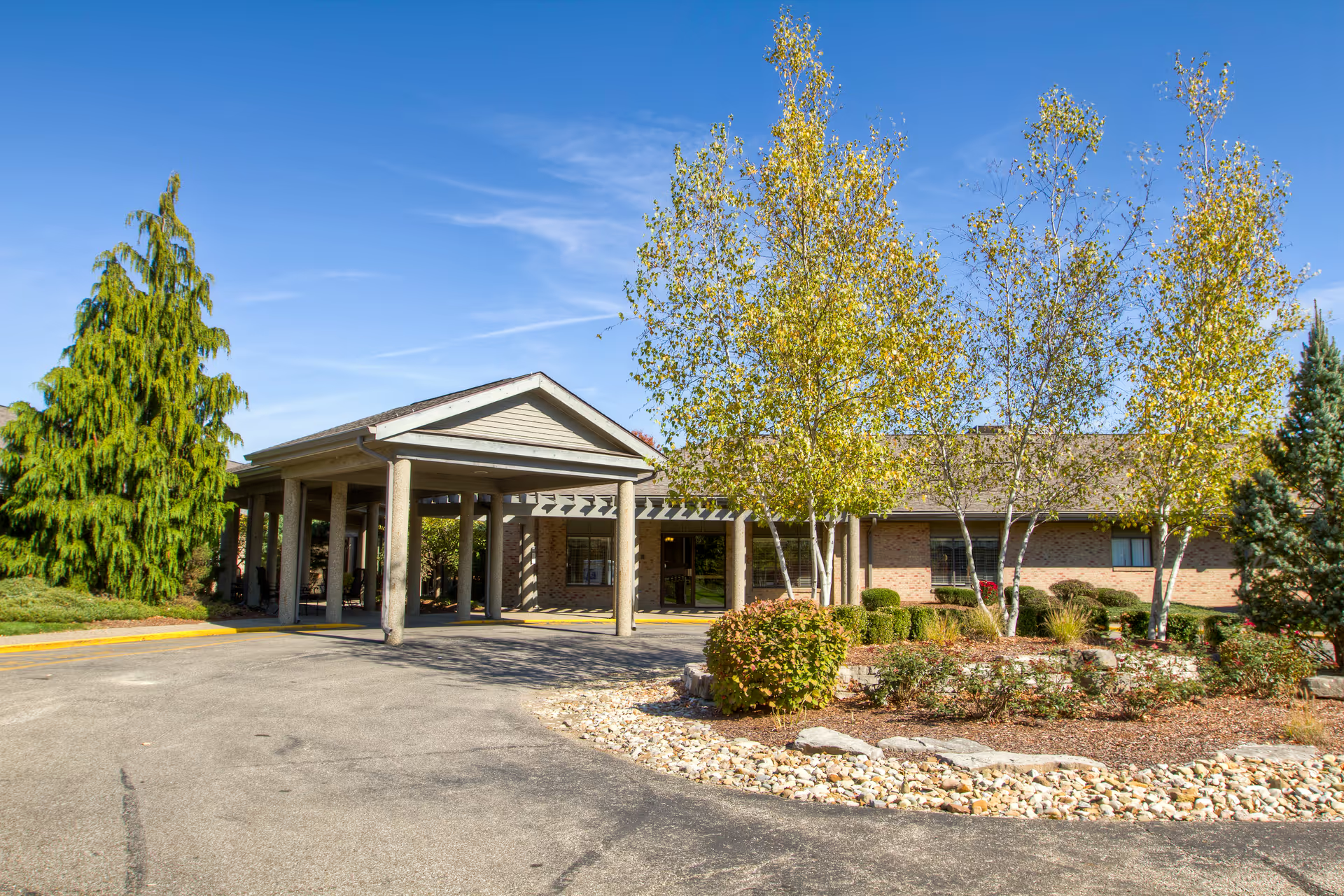
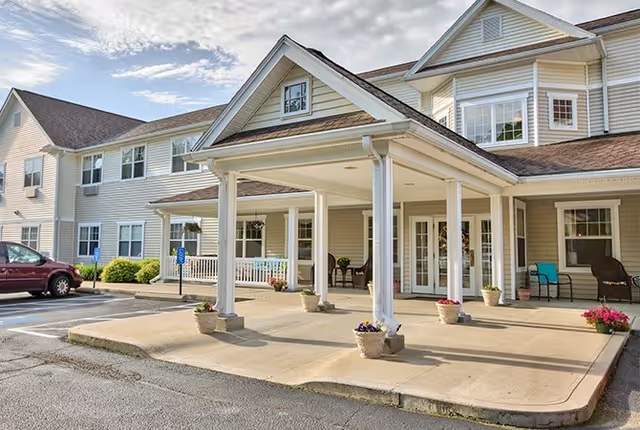
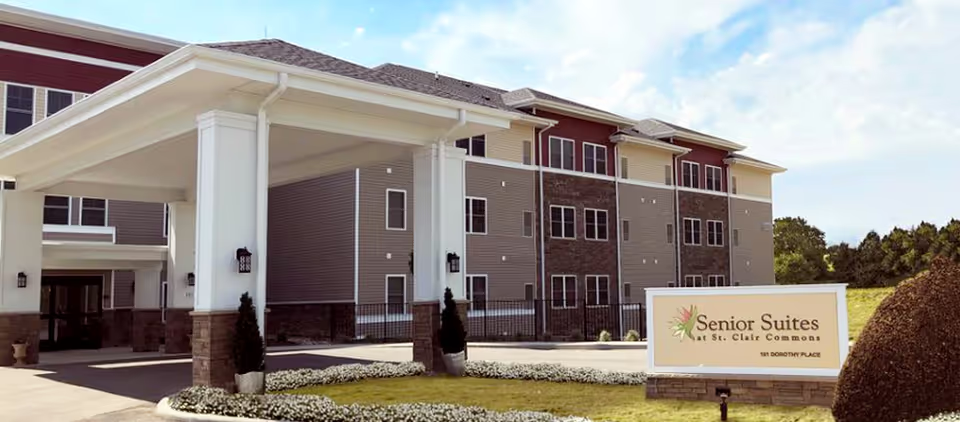
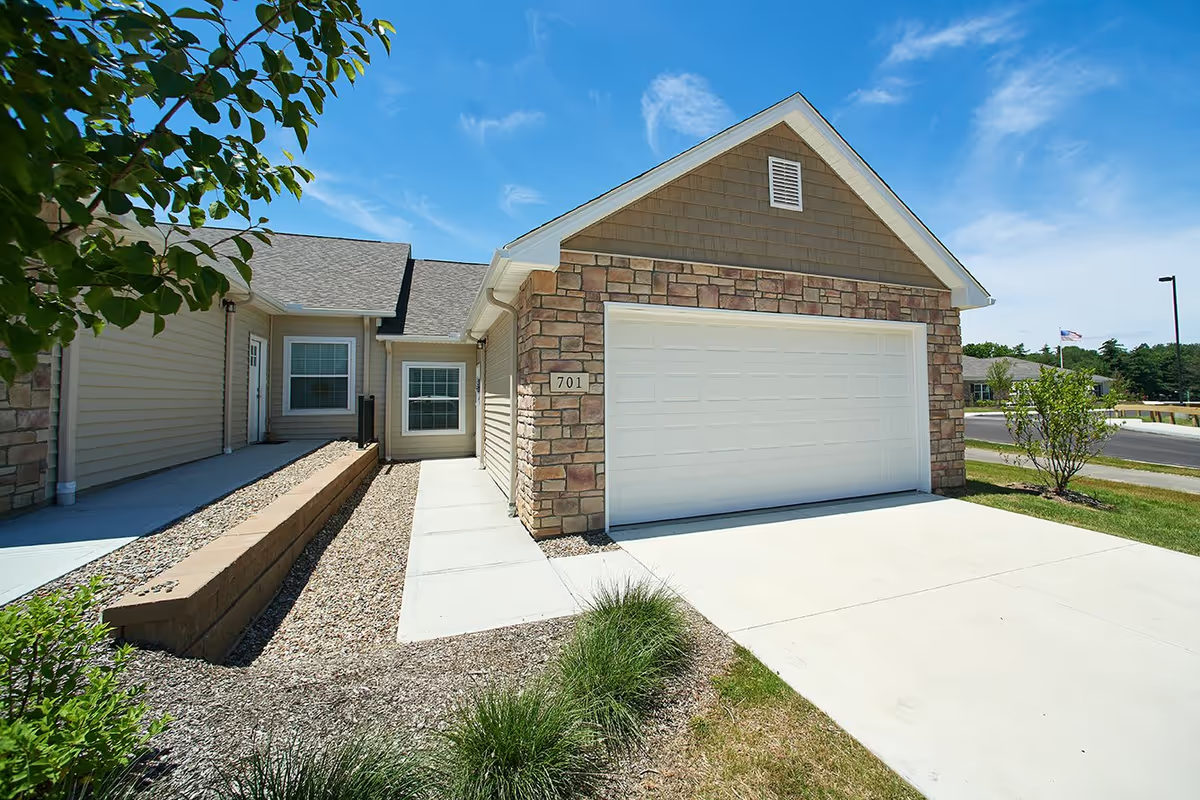
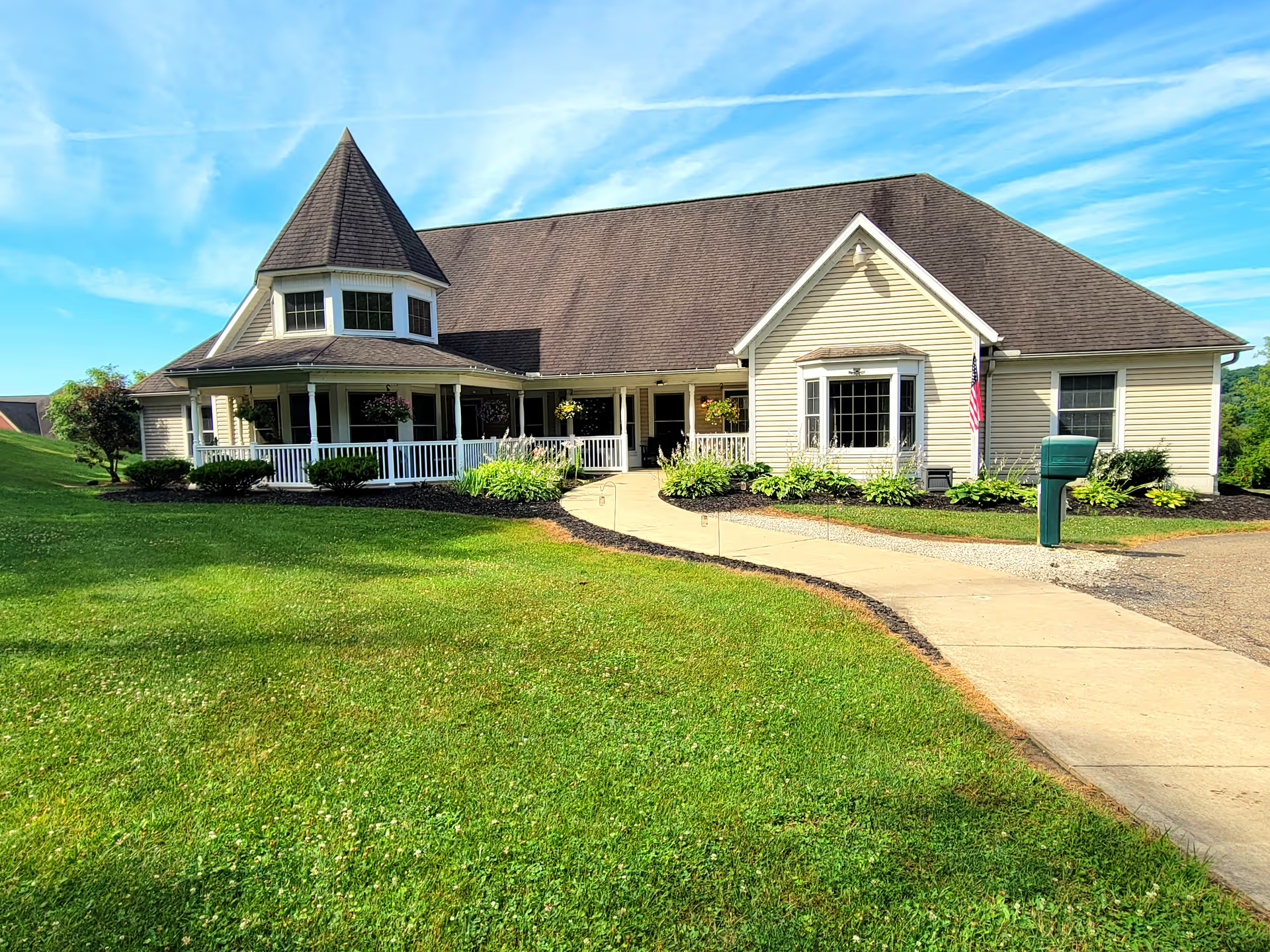
Facilities and operations: Physical spaces are generally described as clean, well-kept, and home-like, with spacious private rooms and helpful maintenance staff. However, there are also mentions of ongoing remodeling, needed repairs, aesthetic inconsistencies (for example near elevator areas), and limited in-room amenities such as electrical outlets or kitchen space. Administrative issues include insurance acceptance limits, paperwork complexity, and occasional confusion around billing or clinical coverage; families should clarify coverage and supply-cost policies in advance.
Notable pattern and recommendation: The dominant pattern is a facility with strong strengths in memory-care, compassionate staff, and a supportive, clean environment, paired with operational weaknesses in dining consistency, some clinical-service availability, emergency response reliability, and administrative clarity. Prospective residents and families would benefit from an in-person tour that includes discussion of specific clinical services (medication and wound care), emergency-response protocols, current activity schedules, sample menus, insurance/billing policies, and a walkthrough of room amenities and ongoing maintenance plans.