Overall impression: Reviews of Altercare Canal Winchester are highly polarized. A substantial and consistent strength across the feedback is the rehabilitation program: physical and occupational therapy staff receive frequent praise for effectiveness, responsiveness, and for helping residents regain function. Many families also describe compassionate, attentive aides and nurses, a generally clean and well-kept facility in many areas, private-room options with good storage and in-room amenities, and an active activities calendar that includes bingo, religious services, and salon access. Admissions staff and therapy leadership are repeatedly noted as helpful and organized in successful cases.
Care quality and clinical concerns: Clinical experiences reported by families vary widely. Positive accounts cite good wound and pain management and coordinated therapy-to-discharge plans. However, a recurrent pattern of concerns centers on inconsistent skilled-nursing coverage and clinical monitoring. Reviewers described delays in responding to call lights, slow medication administration, limited vital-sign or cardiac monitoring in some cases, and occasional lapses in assistance with activities of daily living and transfers. These patterns led some families to question the reliability of clinical oversight; a few reviews escalated serious safety and infection-prevention concerns externally.
Staff and communication: Staff demeanor is described as warm and compassionate in many accounts, especially among therapists and some nursing staff. Conversely, other accounts describe variable professionalism, poor communication, curt or disrespectful interactions, and occasional unresponsiveness from nursing leadership or unit staff. Staffing levels and turnover were commonly cited as underlying contributors to delayed responses, missed or late medications, and inconsistent personal care. Administrative communication also shows variability: some families praise clear coordination, while others report billing errors, missed discharge notifications, and difficulty reaching managers.
Dining and activities: Meal service receives mixed evaluations. Some residents found the dining program adequate with reasonable variety; others experienced cold or low-quality meals, limited fresh fruit, or missed meal deliveries. The activities program is a consistent positive for those who participate — regular social and spiritual activities and on-site salon services are available — though engagement levels vary by resident.
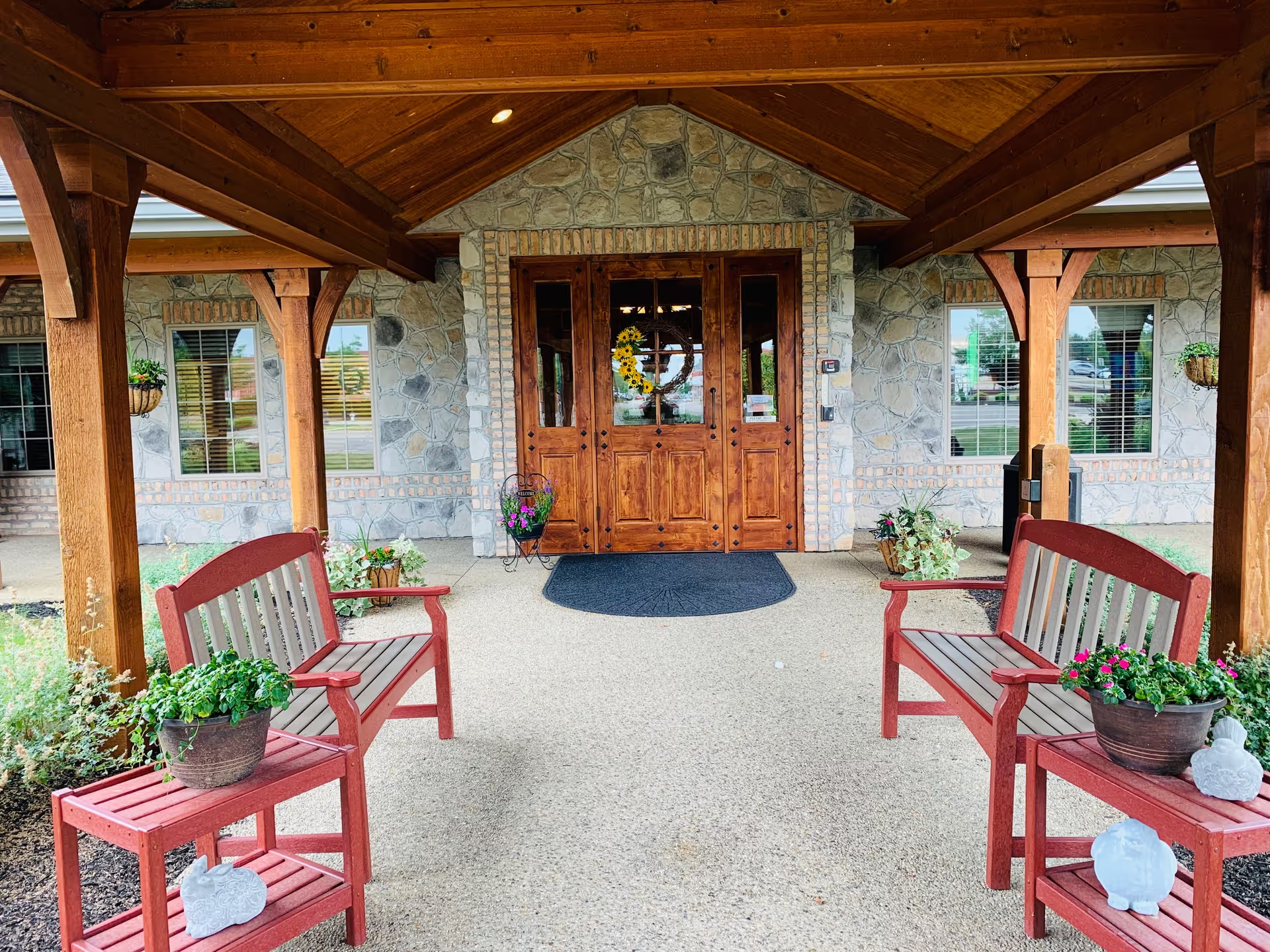
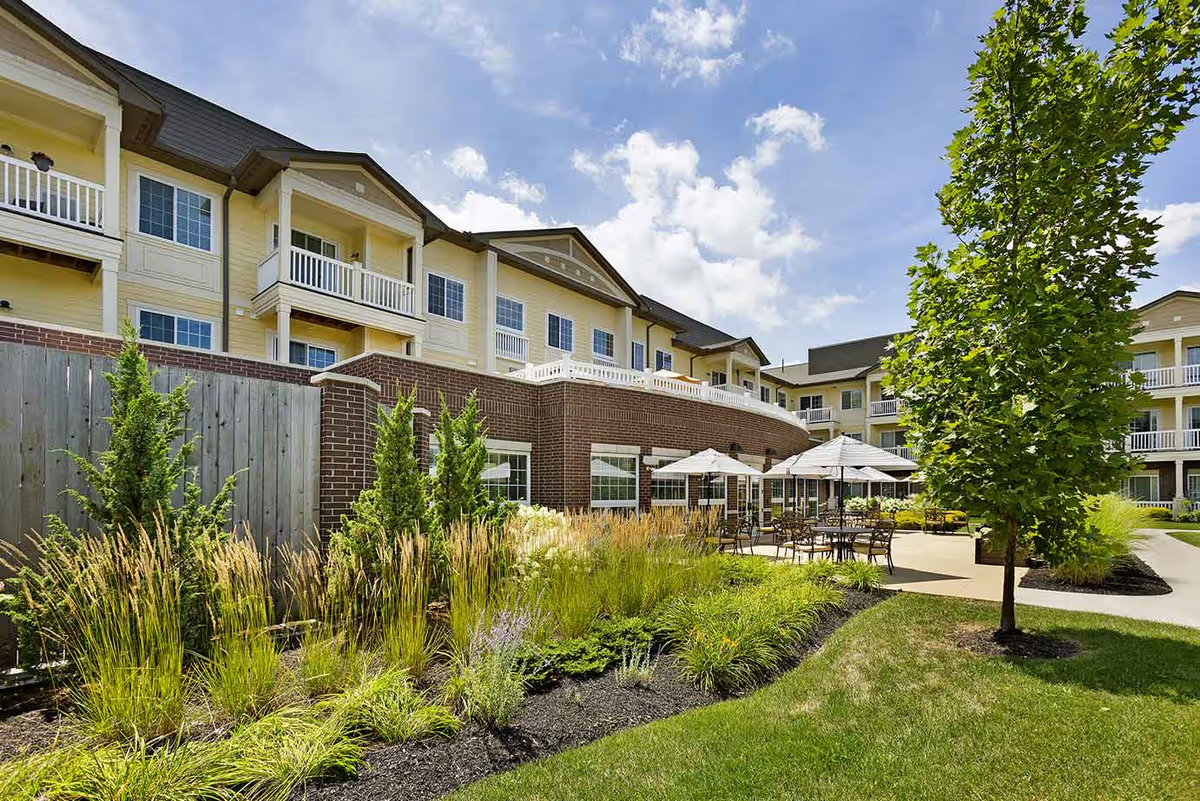
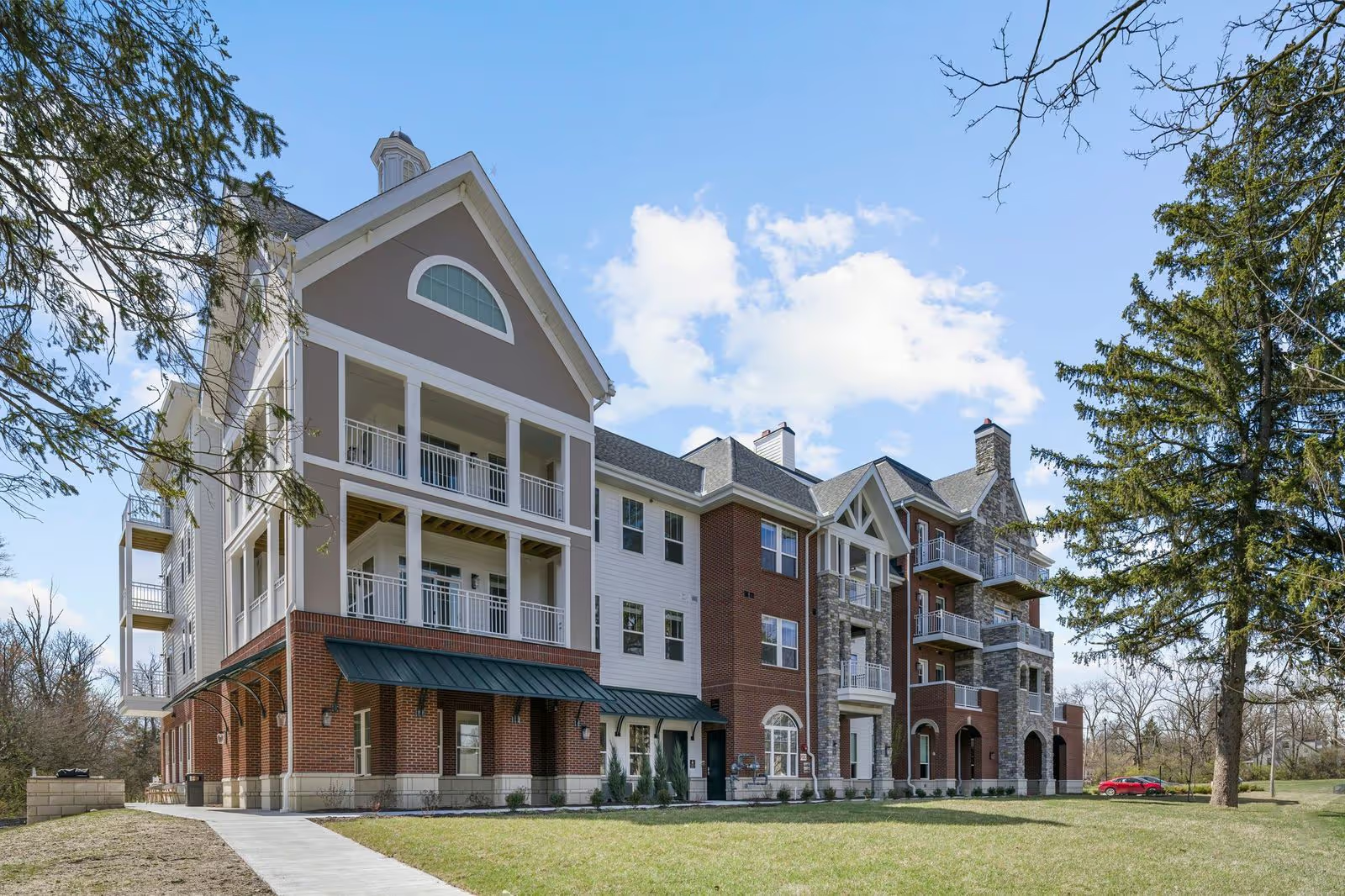
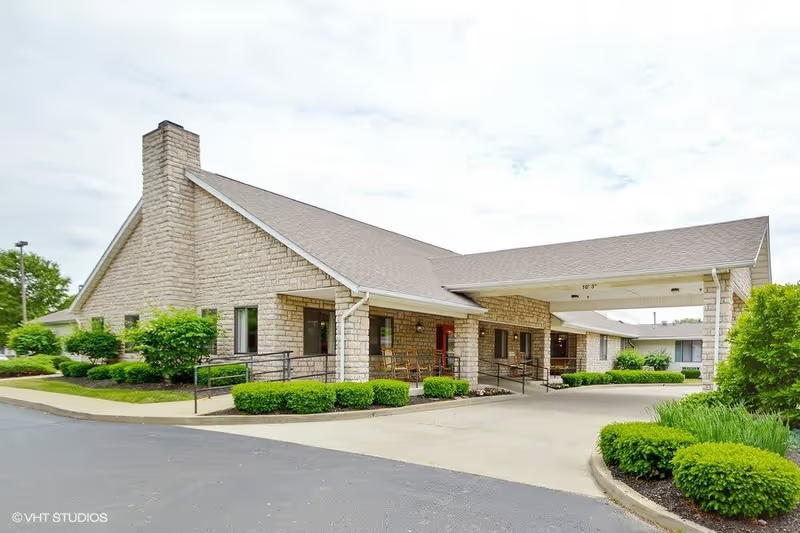
Facilities and infection-prevention: The physical plant is described as largely clean and modern in many areas, with a pleasant campus and private-room options. At the same time, reviewers flagged maintenance issues in some units (older wings, windows that do not function, and occasional pest-control and sanitation concerns). Privacy limitations appear in some room layouts where curtain separation or shared bathrooms reduce resident privacy.
Management and patterns to watch: A notable pattern is variability — excellent rehabilitation outcomes and strong individual caregivers coexist with recurrent operational weaknesses. The most frequently cited systemic issues are understaffing, inconsistent clinical and medication processes, sanitation and infection-control gaps, and uneven administrative follow-through (billing and discharge coordination). Prospective residents and families should weigh the facility’s strong therapy capabilities and areas of praised care against these operational risks. When possible, families should ask specific questions about current staffing ratios, nursing coverage, infection-control practices, medication administration policies, and room configuration and privacy during touring and admissions to align expectations and reduce the chance of surprises.