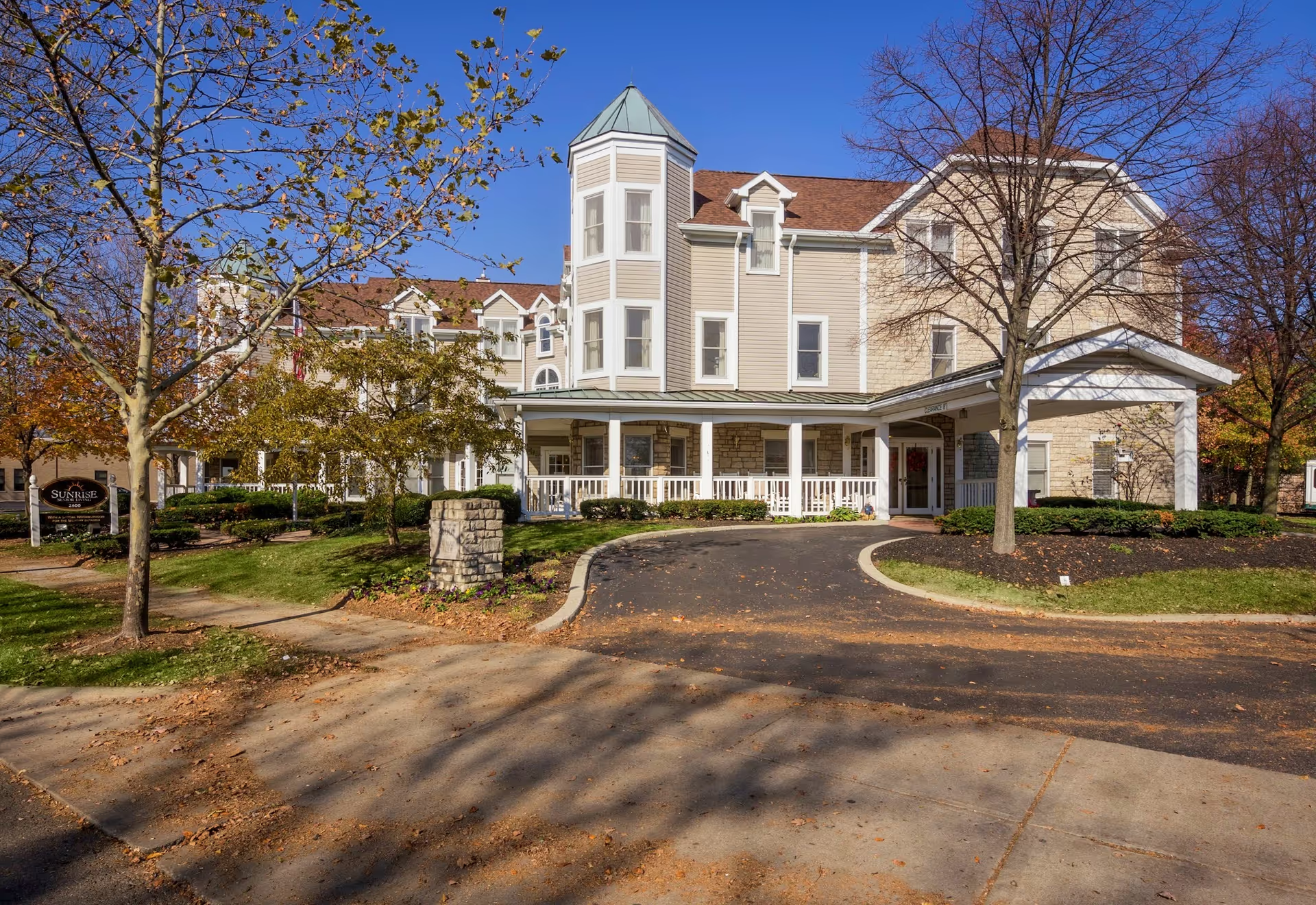
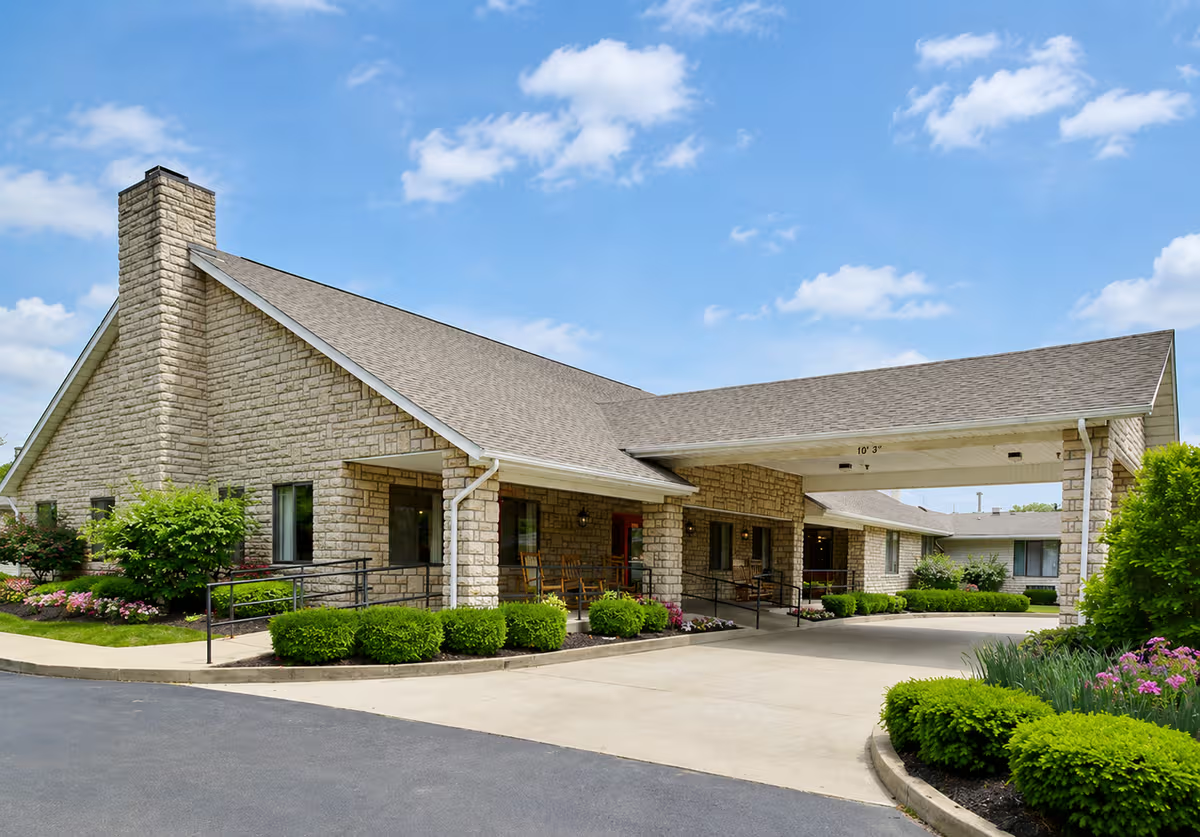
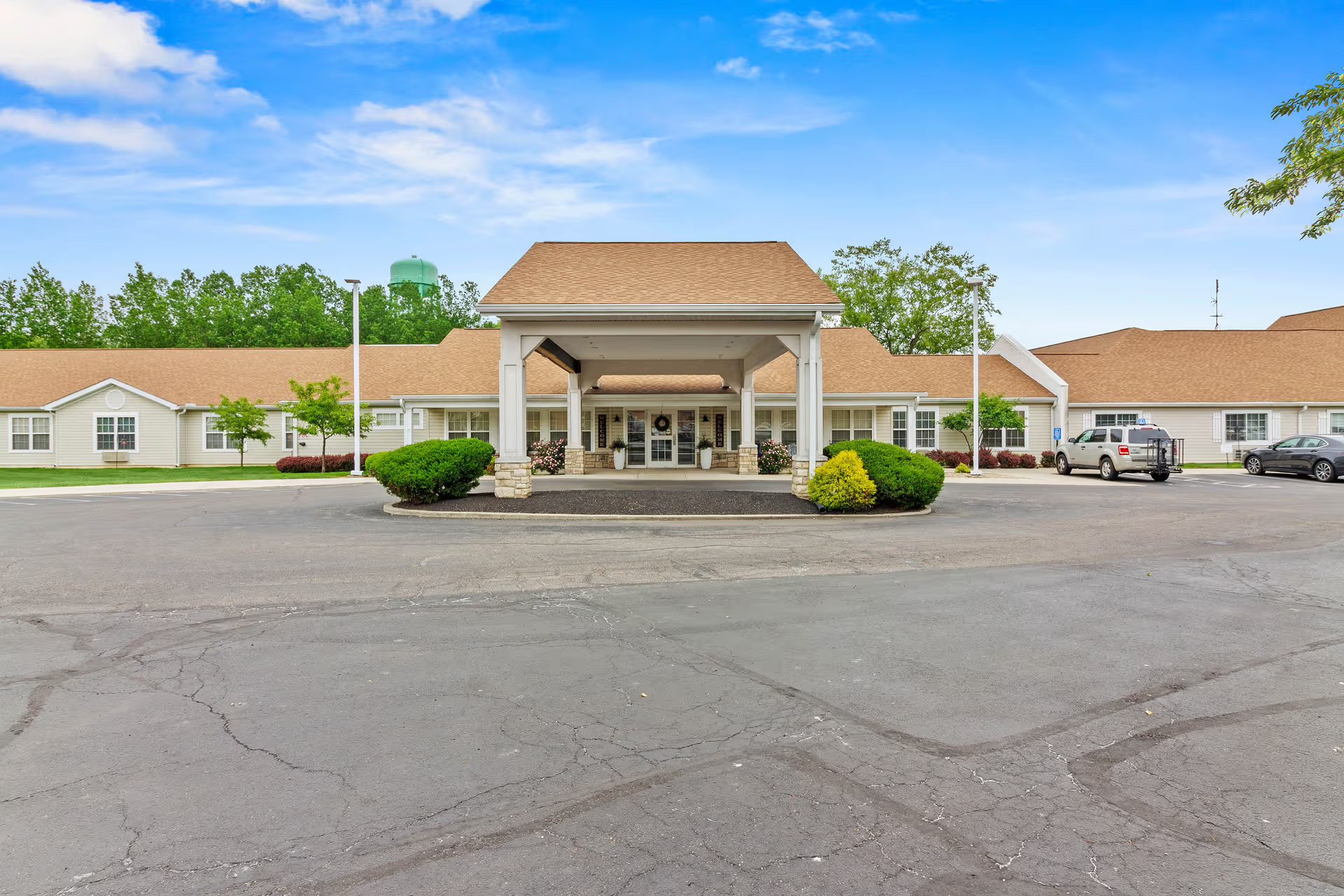
Canal Winchester Care Center elicits a mixed but clearly patterned set of impressions. Strengths consistently described include a robust rehabilitation/therapy program, a clean and modern physical plant, spacious private suites with small kitchenettes, and a number of caring front-line staff and leaders who families praise. Many accounts highlight effective therapists, attentive housekeeping, helpful social work and admissions support, and a welcoming, family‑oriented atmosphere. When the facility performs well, reviewers report notable functional gains, smooth admissions, and a generally positive short‑term rehab experience.
Care quality and staff: reviewers give frequent positive marks to therapy teams and to many nurses and aides for compassionate, hands‑on care. At the same time, there is a recurrent pattern of inconsistent staffing — slow responses to call lights, delays in bedside assistance, and variability in bathing and toileting support. These operational issues have been associated with delayed medication administration and with concerns about continuity when staff turnover is high. Communication quality is uneven: some families praise proactive clinical leadership and clear updates, while others describe gaps in incident communication and follow‑through after problems are raised.
Dining and activities: the dining room and meal presentation receive mixed feedback. Several families describe meals as tasty and diet‑compliant, while other accounts point to cafeteria‑style preparation, cold trays, and a lack of fresh fruit and vegetable options at times. Activities and amenities are often mentioned as positive contributors to resident engagement—reviewers note structured therapy activities, recreational options (for example pool table and dedicated interest groups), and social programming—though activity availability may vary by unit and staffing level.
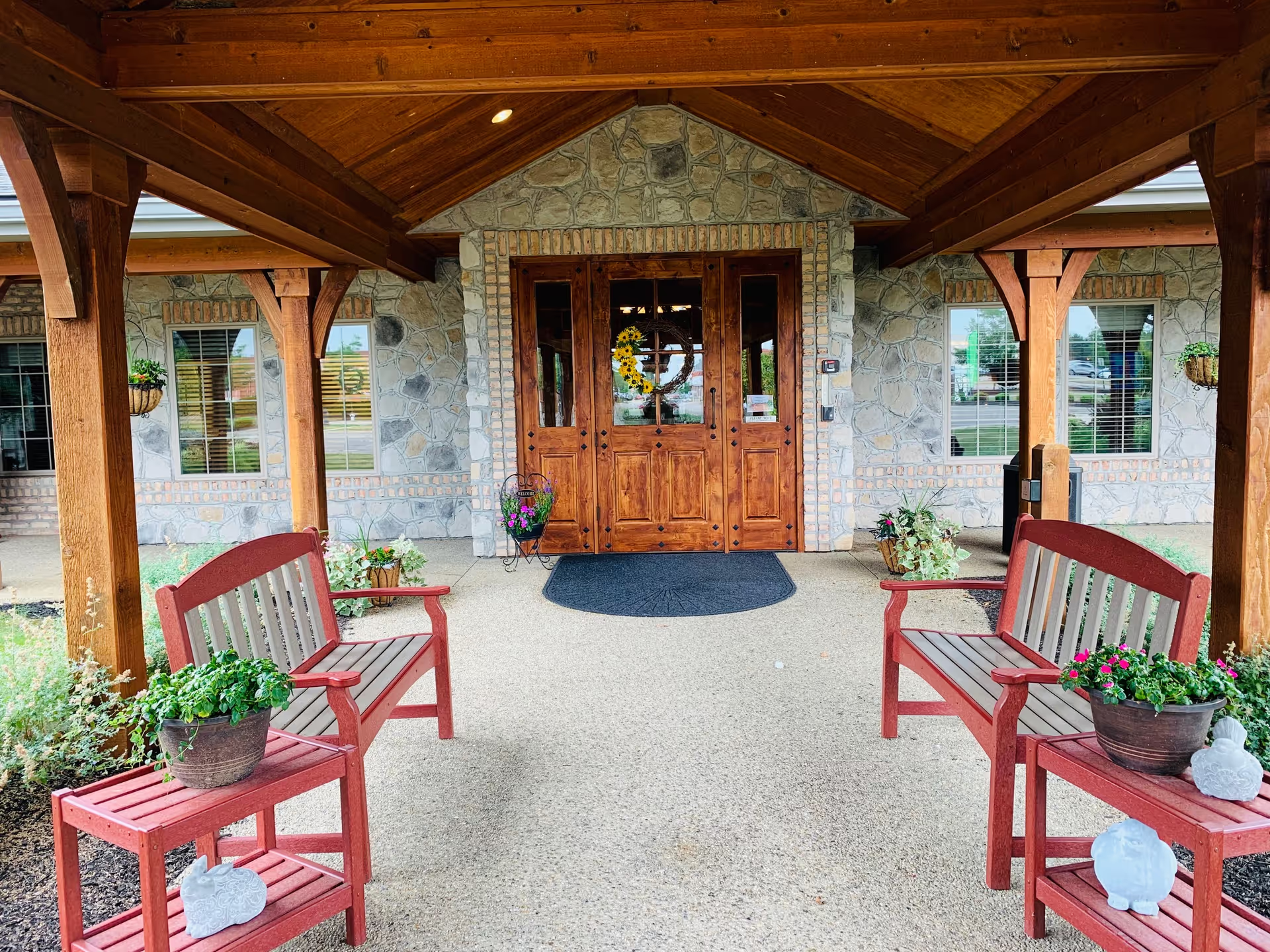
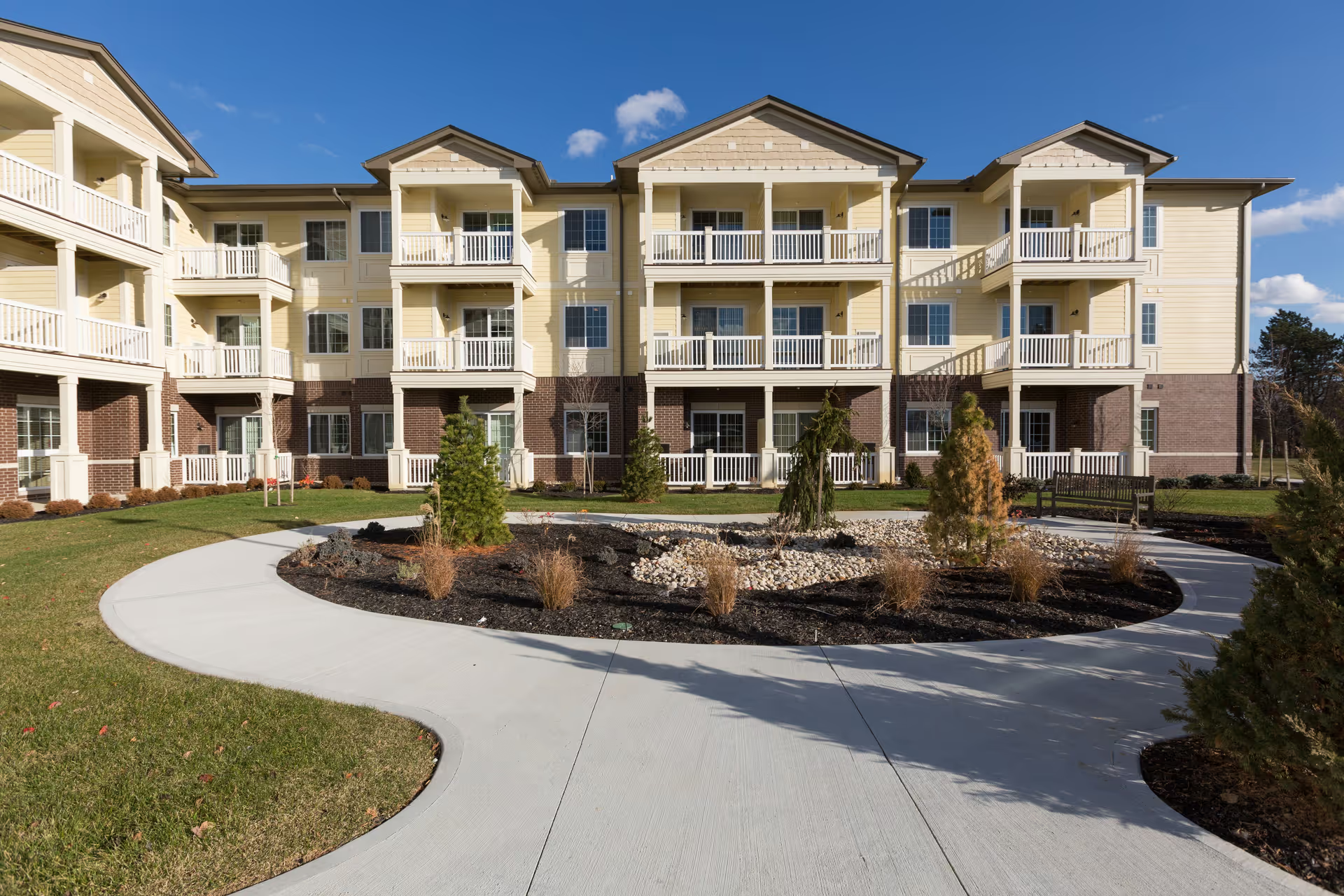
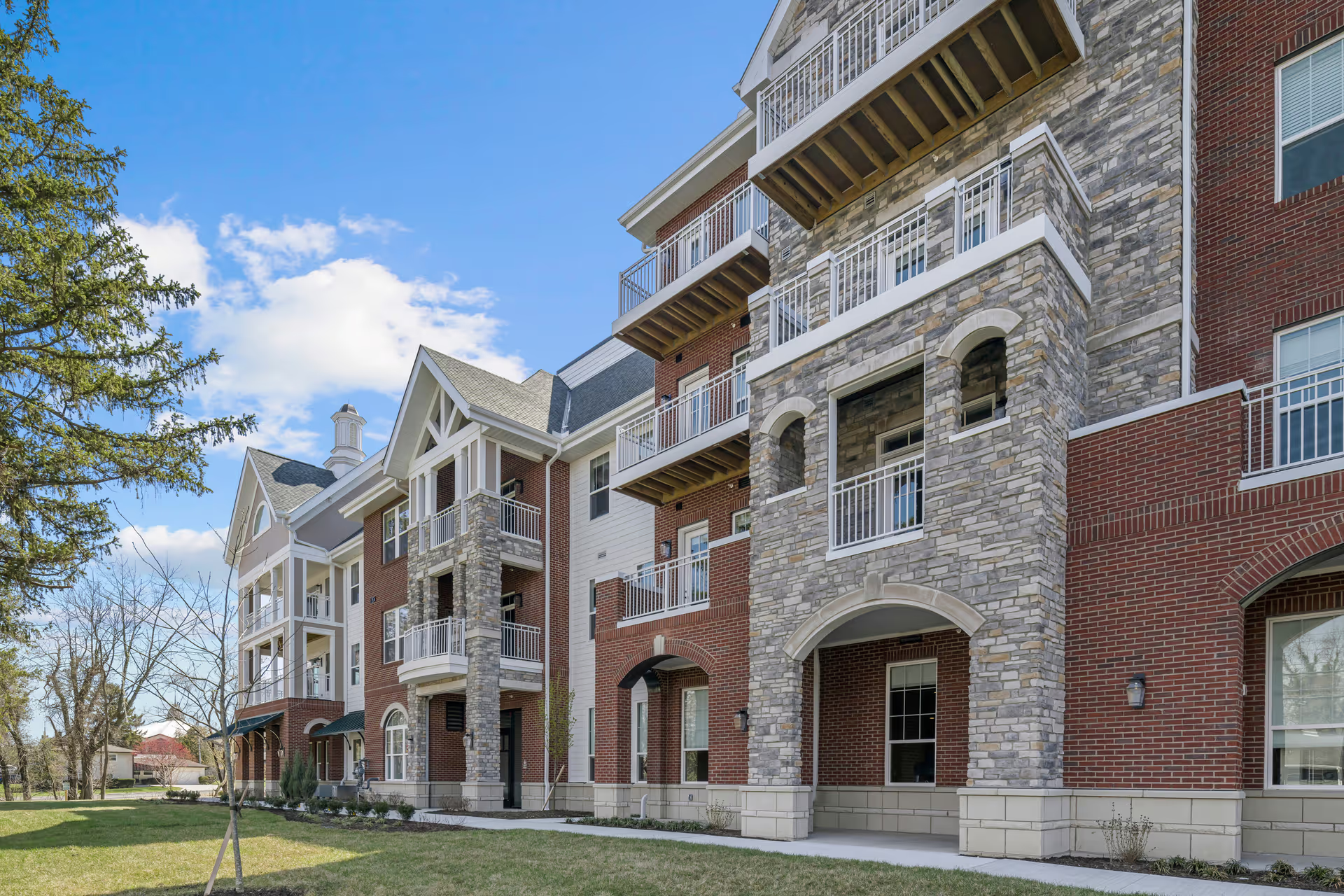
Facilities and cleanliness: the facility’s physical environment is a consistent strong point for many reviewers: new/upgraded suites, large bathrooms, attractive common areas, and a modern, home‑like atmosphere. However, some reviews identify sanitation or odor concerns in particular areas and inconsistent housekeeping follow‑through. These contrasting impressions suggest generally good maintenance overall but with pockets of inconsistent execution.
Management and administration: administrative impressions are mixed. Positive comments cite capable directors of nursing and admissions staff who assist with insurance and transitions. Conversely, other reviewers describe billing and reimbursement delays, lost laundry or personal items, and inconsistent administrative responsiveness. A few accounts raise serious safety and clinical concerns—including fall events and wound/skin issues—that align with the broader themes of staffing variability and communication gaps; these prompted regulatory complaints or family escalation in isolated instances.
Notable patterns and guidance for families: the clearest pattern is a facility with strong clinical and environmental assets that is vulnerable to operational weaknesses tied to staffing, communication, and pharmacy coordination. Prospective residents and families should ask targeted questions before admission: current nurse‑to‑resident ratios on the intended unit and typical call‑light response times; medication sourcing and expected timing when switched to the central pharmacy; fall‑prevention and bed‑rail policies; bathing and toileting schedules; procedures for handling personal property and laundry; and how the facility communicates incidents to families. Doing so will help align expectations with the unit’s current performance and reduce the risk of surprises related to the operational issues documented in reviews.