The reviews describe a facility with sharply mixed performance: many families and patients praise attentive caregivers, strong therapy teams, clean public areas, and an active social program, while other accounts describe operational gaps that materially affected care. This divergence suggests that outcomes at the facility vary by unit, shift, and individual staff assignment. Short-term rehabilitation and therapy services receive consistently positive commentary for improving mobility and preparing residents for return home.
Care quality is characterized by two dominant themes. On the positive side, reviewers highlight compassionate aides, engaged nurses and therapists, individualized therapy plans, and a sense of community in activities and spiritual supports. On the negative side, reviewers report persistent staffing shortages, slow responses to assistance calls, medication timing errors, missed or delayed clinical assessments, and inconsistent attention to bathing and continence needs. Those negative patterns were associated with safety concerns such as delayed fall response and escalations to emergency care in some cases.
Staffing and communication present a clear pattern of variability. Multiple accounts commend specific employees, social work, and therapy staff for professionalism and family-centered discharge planning, yet other accounts describe rude or unresponsive behavior, frequent use of agency nurses, and poor shift-to-shift handoffs. Families commonly report needing to escalate concerns to management or to monitor care directly to ensure interventions (meals, hygiene, medications) occur as expected.
Dining and nutrition are similarly mixed. Several reviewers praise quality meals and individualized diet accommodations, while others describe cold or limited meal options, late or missing medications tied to meal times, and failures to follow restricted diets. Activity programming, social events, and on-site services (beauty shop, themed gatherings) receive positive feedback and contribute to a home-like environment for many residents.
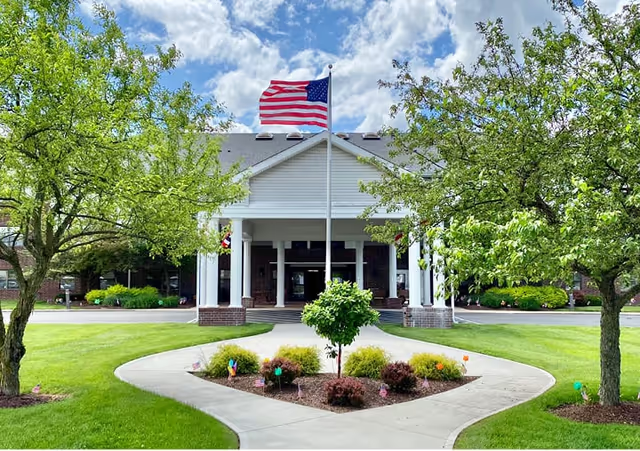
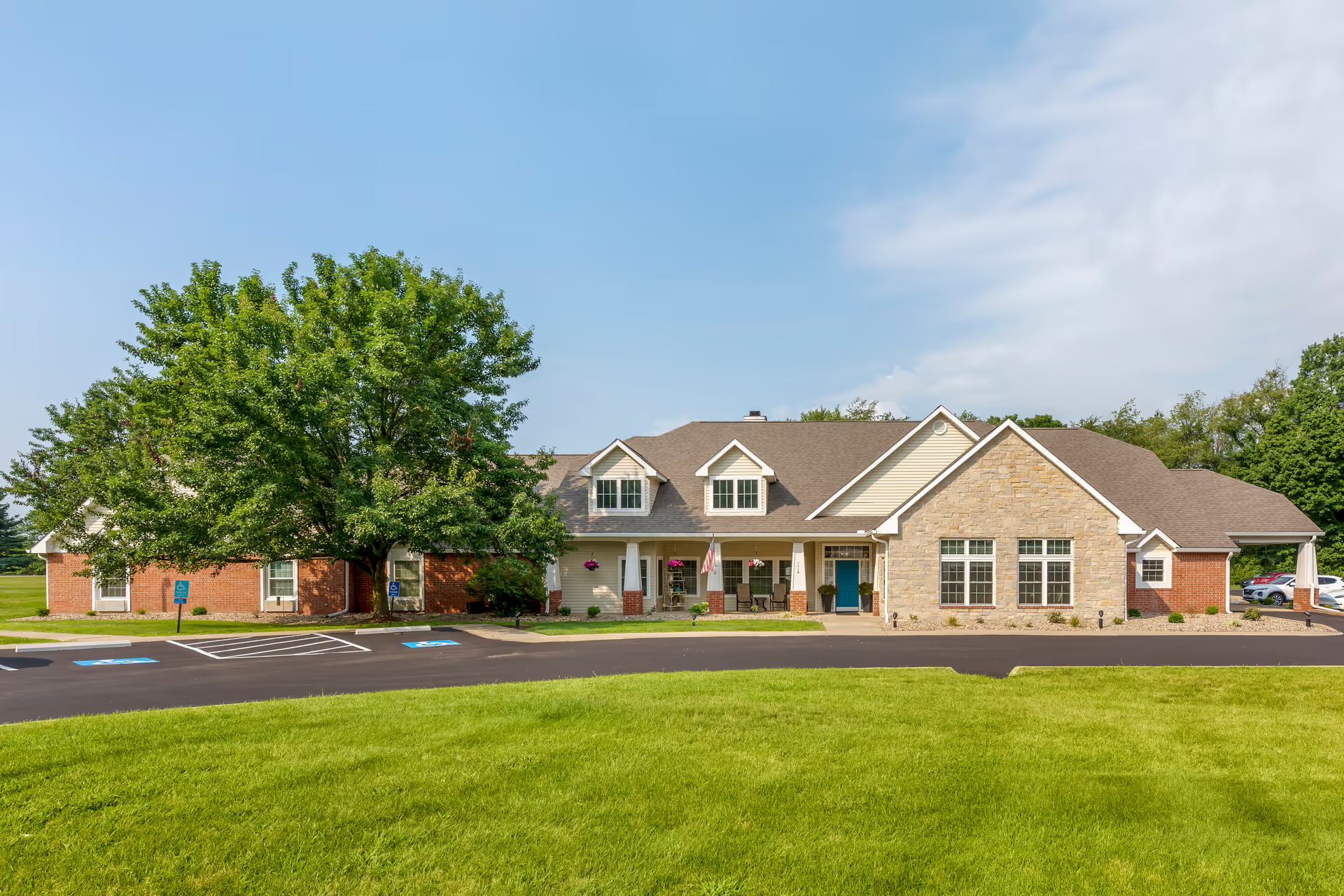
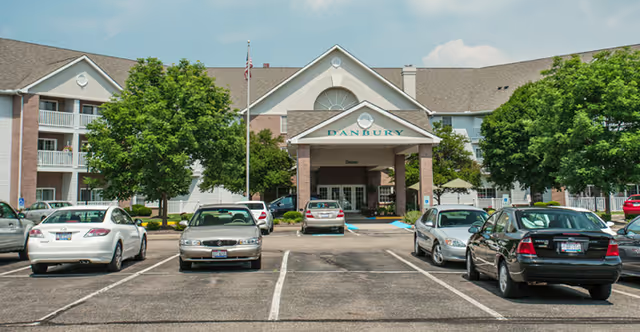
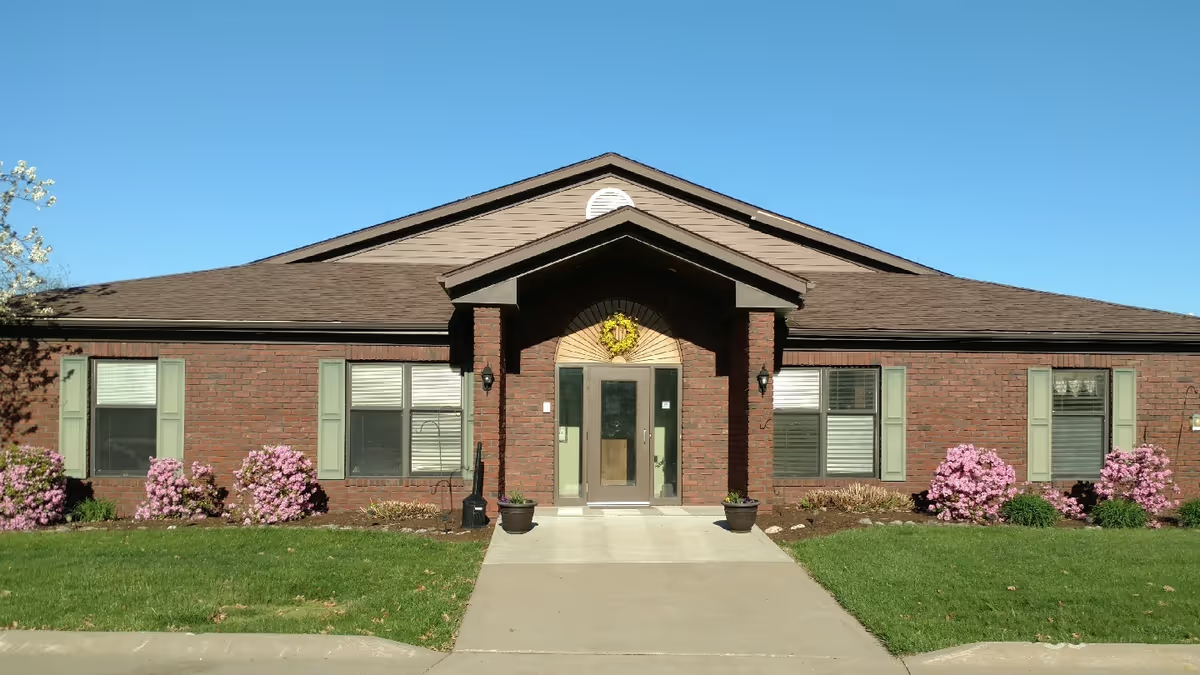
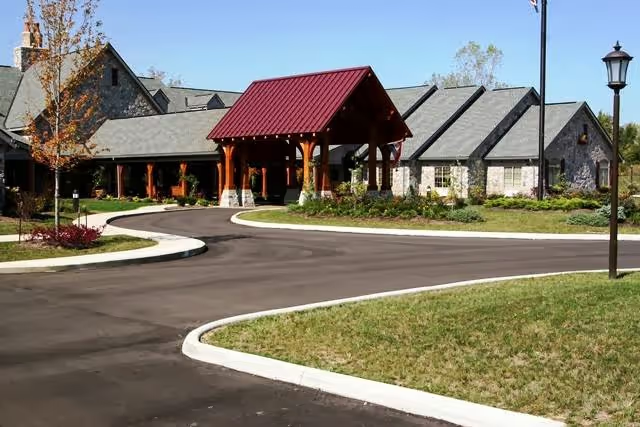
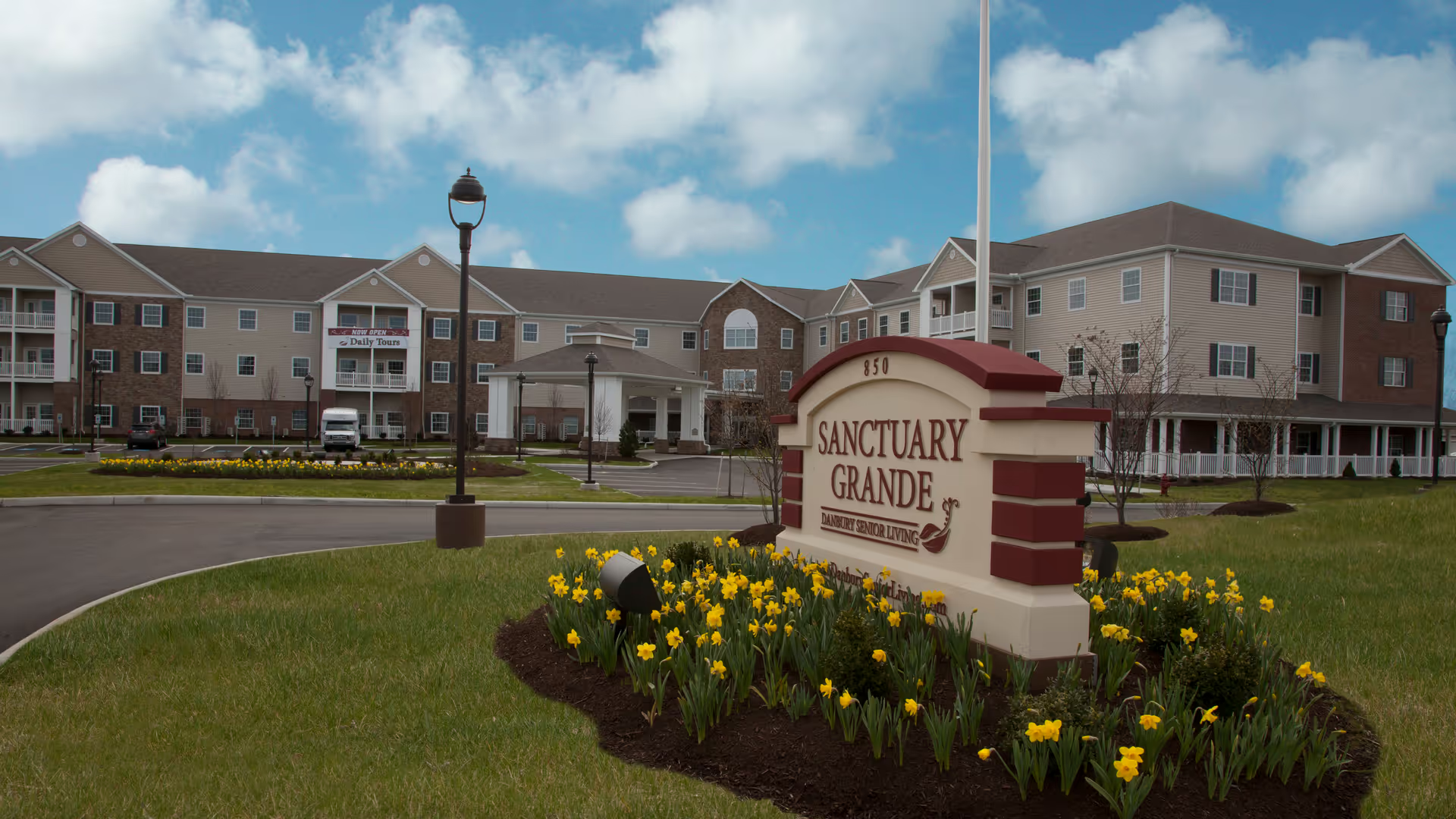
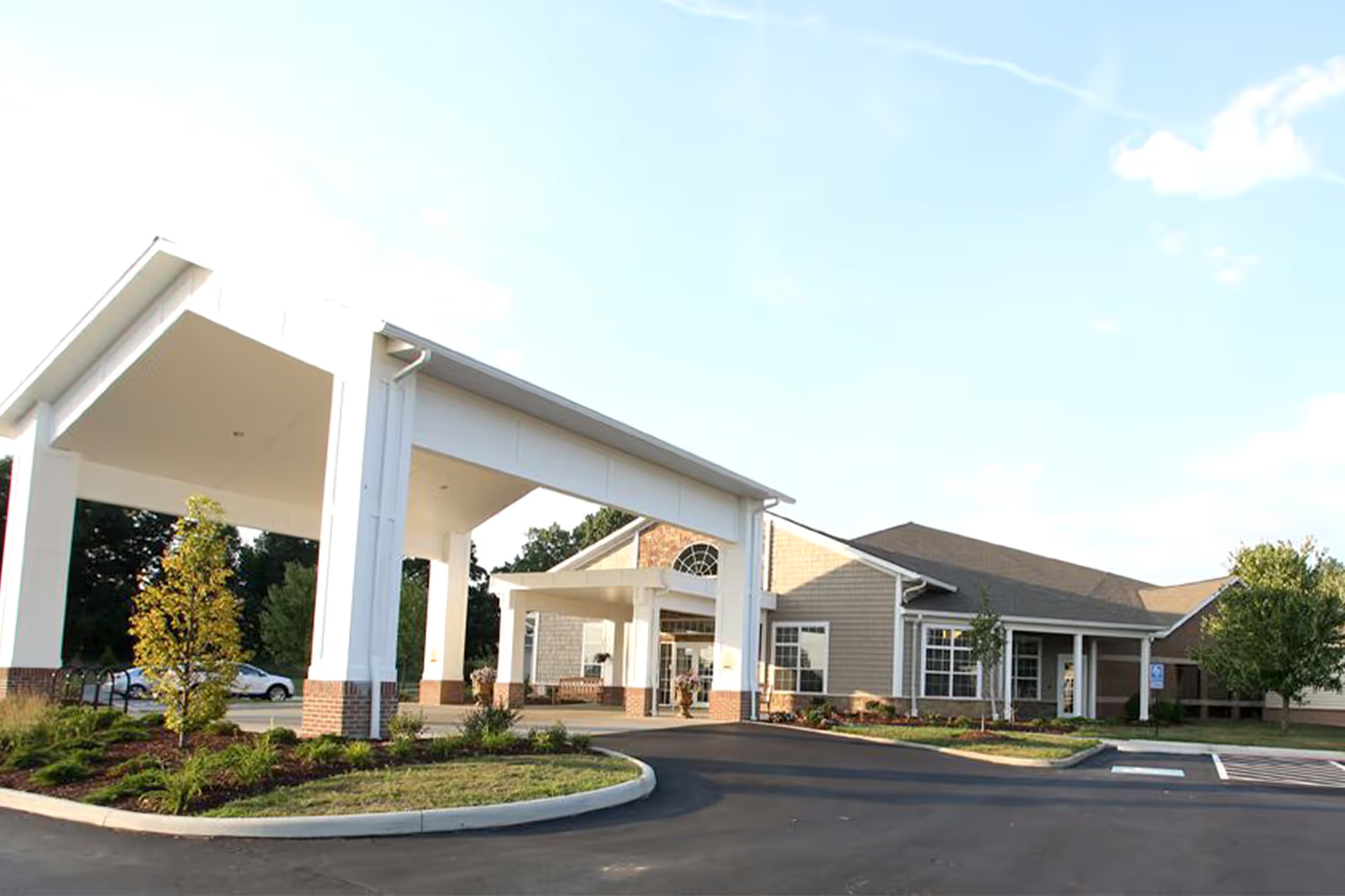
Facilities and maintenance are described as largely attractive and well-kept in public areas, with positive remarks about grounds and general cleanliness. However, recurring facility-level issues appear in room-level housekeeping, bathroom cleanliness, accessibility (e.g., doors and equipment maintenance), and occasional power or infrastructure events that affected resident comfort. These maintenance gaps, coupled with inconsistent housekeeping frequency, contributed to family concerns about sanitation and room readiness.
Management and operations appear inconsistent. Several reviews praise administrators and named staff for responsive coordination and advocacy; other reviews describe dismissive management responses, billing disputes, errors in admission/discharge paperwork, and variability in enforcement of protocols. A repeated operational theme is reliance on contingency staff that can lead to discontinuities in care and communication breakdowns with primary physicians and families.
Notable patterns for prospective residents and families: 1) outcomes appear uneven across wings and shifts—short-term rehab often scores higher than some long-term care reports; 2) understaffing and slow response times are frequent concerns and correlate with other care issues (medication timing, hygiene, meal assistance); and 3) therapy, social work, and some nursing staff are cited as facility strengths. When evaluating this facility, families should ask about current staffing ratios, medication-administration procedures, bathing and toileting schedules, housekeeping frequency, therapy minutes and scheduling, use of agency staff, emergency/power outage protocols, and recent quality or survey results. These questions can help clarify whether the aspects praised by many families will be reliably available for a particular resident.