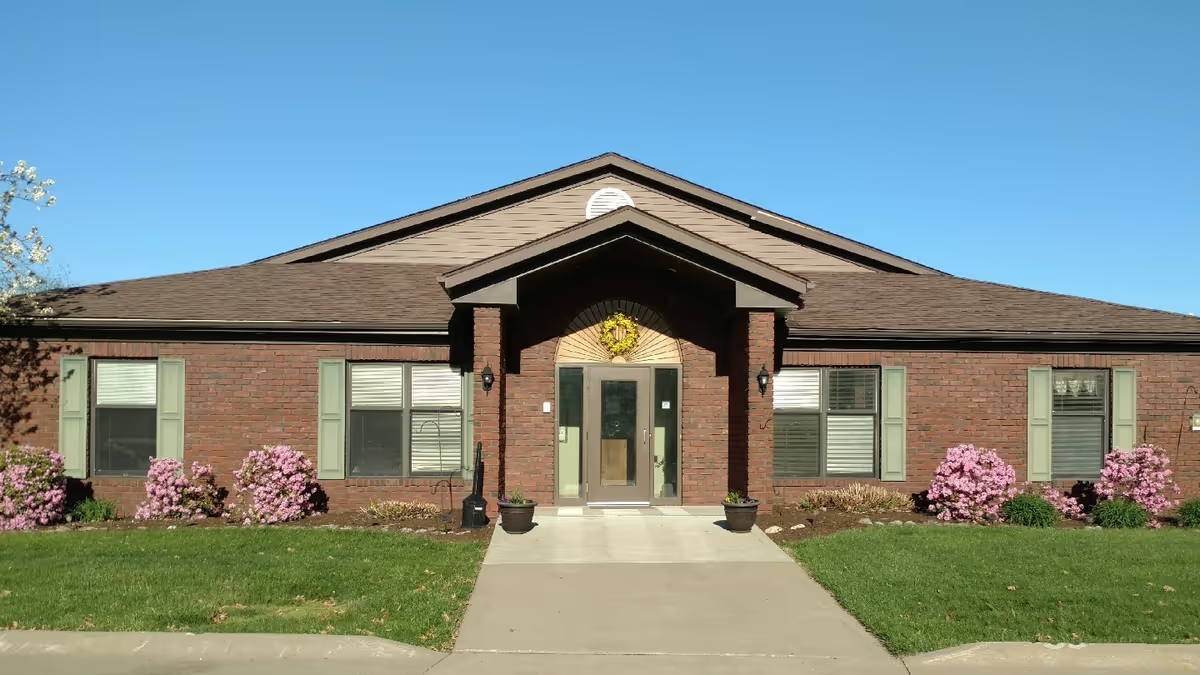
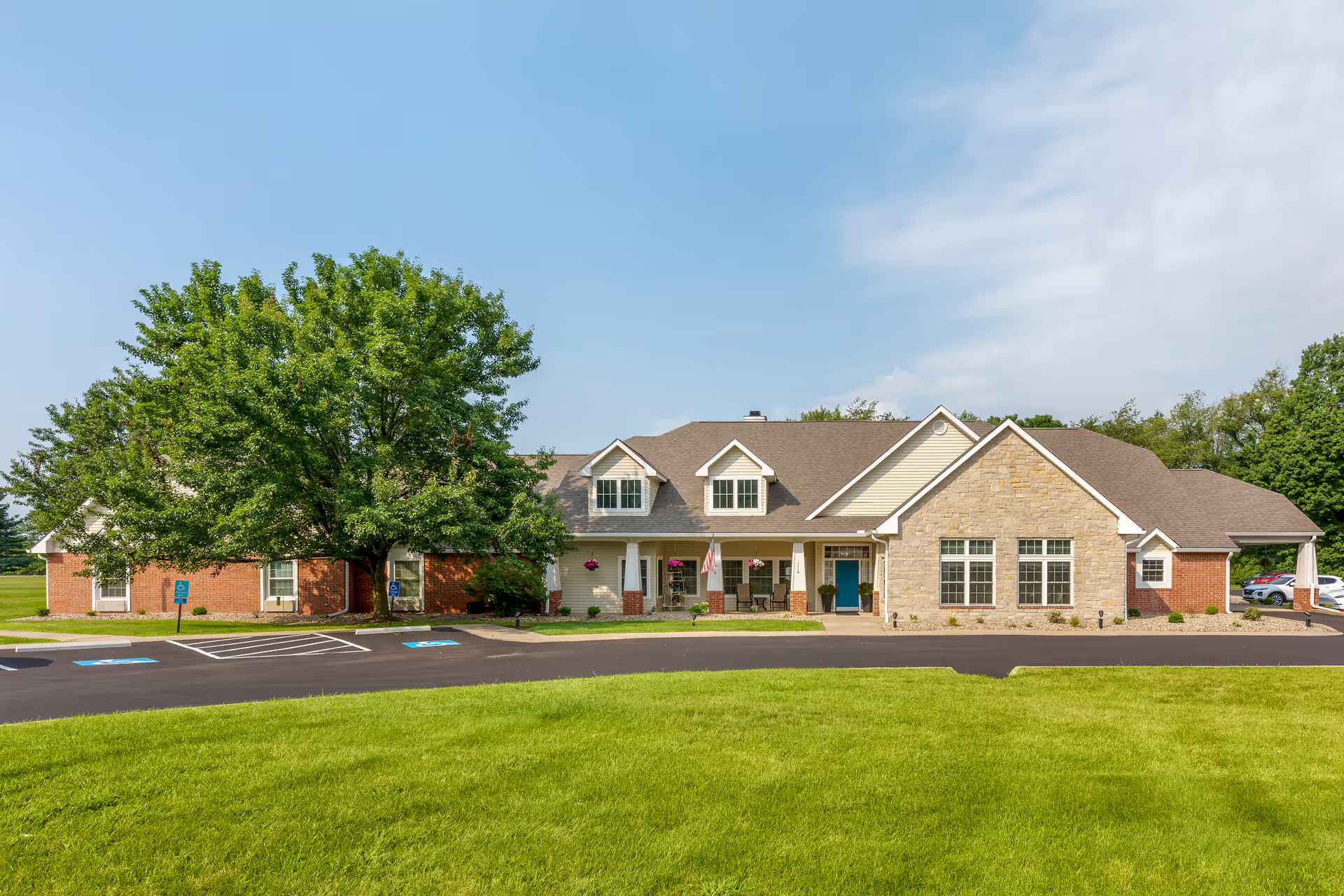
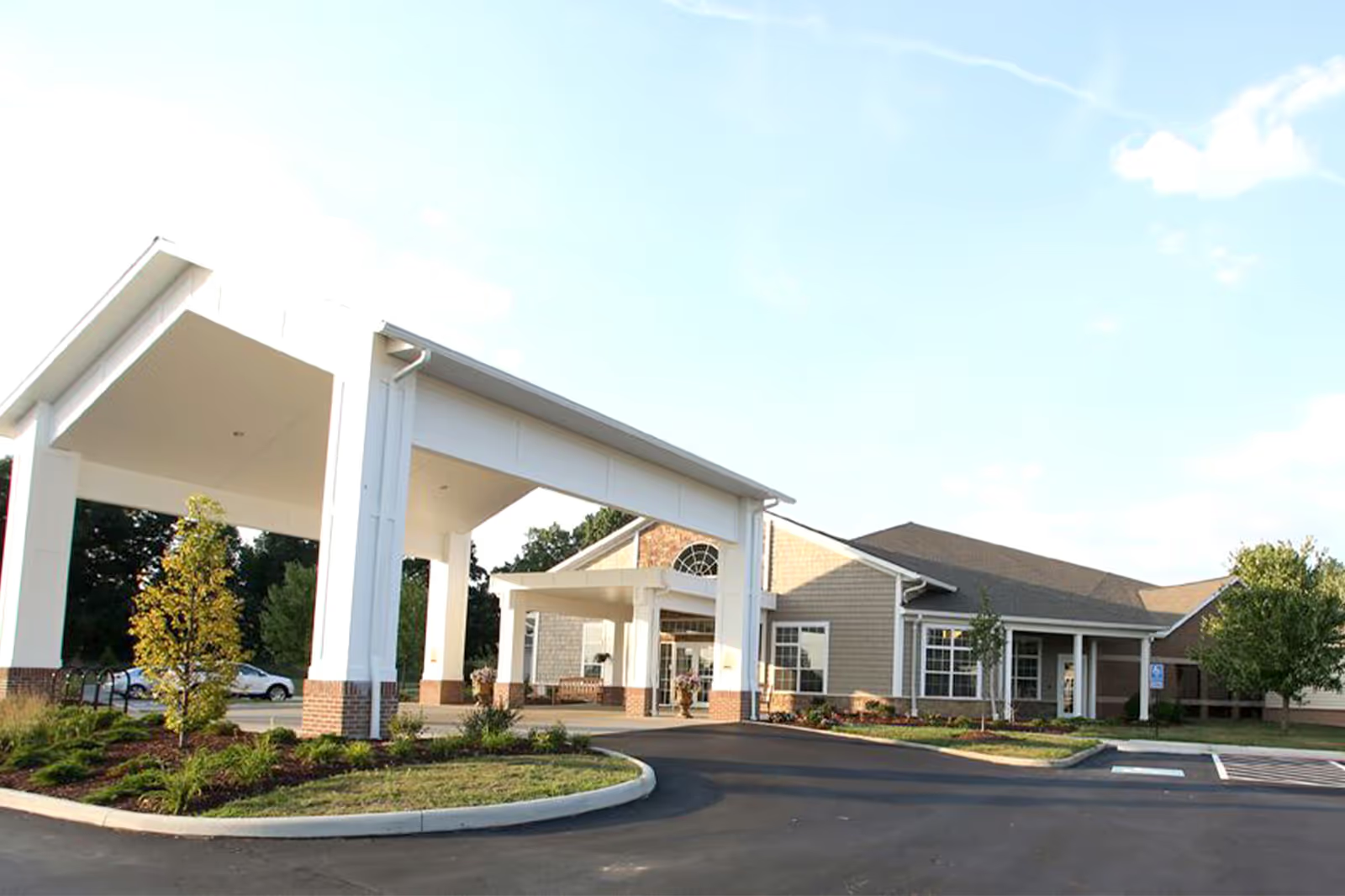
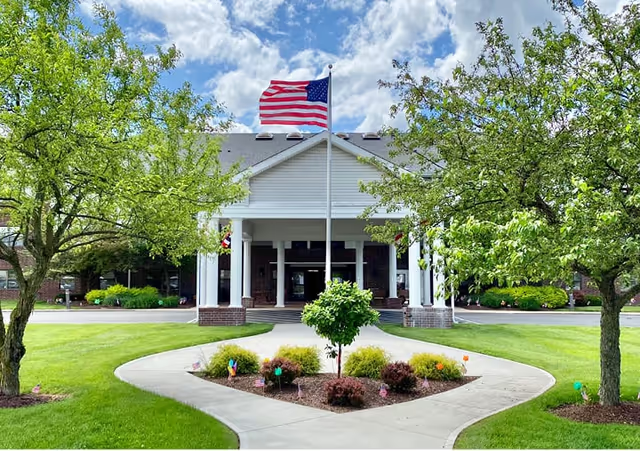
The Gables of Canton receives consistent positive feedback for its caregiving culture and physical environment. Families frequently describe staff as compassionate, attentive, and communicative; many note proactive outreach from leadership, regular family conferences, and coordinated support during transitions and end-of-life situations. The facility’s appearance is repeatedly praised — interiors and resident rooms are described as clean and well-maintained, and outdoor amenities (courtyard, putting green) contribute to an attractive campus feel. Unit layouts (spacious studios and connecting doors) and single-floor access make navigation and access to dining and activities straightforward.
Care quality is viewed favorably in many accounts: nursing and aide responsiveness, individualized attention, and dignified hospice coordination are strengths highlighted by families. However, a recurring operational concern is staffing consistency. Reviews indicate periods of understaffing, high turnover, and a mix of experience levels among younger staff, which reviewers associate with variable training and uneven performance—particularly in memory-care settings. These staffing dynamics appear to drive intermittent delays in response times and occasional gaps in dementia-specific practice.
Dining and dietary services present a mixed picture. Some families praise meal variety, portioning, and flexible ordering options; others describe inconsistent food preparation, cold entrees, and menu items that do not meet texture or medical-diet needs. Reviewers have also raised challenges with recruiting and retaining kitchen leadership, and with menu suitability for residents with conditions such as diabetes. Asset and service logistics (laundry, lost items) also emerge as operational weaknesses: while housekeeping and laundry are often provided regularly, processes for tracking clothing and personal items are described as inconsistent.
Activities and amenities are generally strengths. Organized programming (bowling, group walks, themed events) and on-site services (salon, library, activity rooms) support social engagement, and pet-friendly policies are appreciated. That said, families of memory-care residents sometimes describe fewer, less-targeted activities and recommend expanded programming tailored to cognitive impairment.
Management and policy-level issues are notable patterns that prospective residents and families should evaluate. Several accounts describe ownership or management changes that affected previously promised placement agreements and created difficult transition scenarios. Concerns about price increases and perceived misalignment between marketing/tour representations and ongoing value were also voiced. Prospective families should seek clear written agreements about placement, pricing, and transition policies, confirm dietary accommodations, and discuss staffing levels and dementia-training protocols during touring and admissions.
Overall, The Gables of Canton offers many elements families value — a well-kept campus, caring staff, active programming, and solid end-of-life care — alongside operational challenges that can affect daily experience, particularly around staffing consistency, dining reliability, memory-care programming, and administrative transparency. Families should weigh these strengths and weaknesses against their loved one’s clinical and social needs and verify key policies in writing prior to move-in.