Overview: Reviews for Cedarwood Plaza are markedly polarized, with a substantive set of families praising clinical and rehabilitative strengths while others raise operational and safety concerns. The facility demonstrates clear capabilities in short-term rehabilitation, individualized therapies, and certain nursing specialties; however, reviewers also document recurring issues around responsiveness, sanitation, and staff conduct that prospective families should evaluate during a tour.
Care and clinical quality: Several accounts describe effective rehabilitation outcomes, attentive physical-therapy sessions, strong wound care, and supportive social-work engagement. These descriptions point to an ability to deliver focused, outcome-oriented short-term care. Conversely, there are repeated descriptions of delayed medication administration, slow responses to call lights, long waits for assistance with personal care, and gaps in clinical follow-up. A small number of more serious allegations describe adverse events and post-admission clinical escalations; these warrant direct inquiry with the facility and review of regulatory history before placement.
Staff and conduct: Staff performance is inconsistent across reports. Many families highlight individual staff members and unit leaders who provide compassionate, family-centered care and clear communication. At the same time, other reviewers report concerns about professionalism, front-desk interactions, staff use of personal devices while on duty, and supervisory lapses. These contrasts suggest variability in training, supervision, and shift-to-shift culture rather than uniformly poor or uniformly excellent staffing.
Dining and nutrition: Dining experiences vary. Positive comments note staff who accommodate preferences and portion requests, and families that found meals tailored during rehabilitation stays. Negative feedback emphasizes inconsistent food quality, small portions for residents with higher needs, and occasional mismatch between menu plans and resident dietary requirements. Prospective residents should ask about menu cycles, portioning policies, and nutritional monitoring during visits.
Activities and communication: The facility receives favorable notices for activities, assistive-technology accommodations, and virtual-visit support (Skype/remote visits), which several families said reduced anxiety and supported regular contact during restricted visitation periods. At the same time, there are reports of restrictive or inconsistently applied visitation procedures and slow callbacks, indicating variability in family-access practices and communication responsiveness.
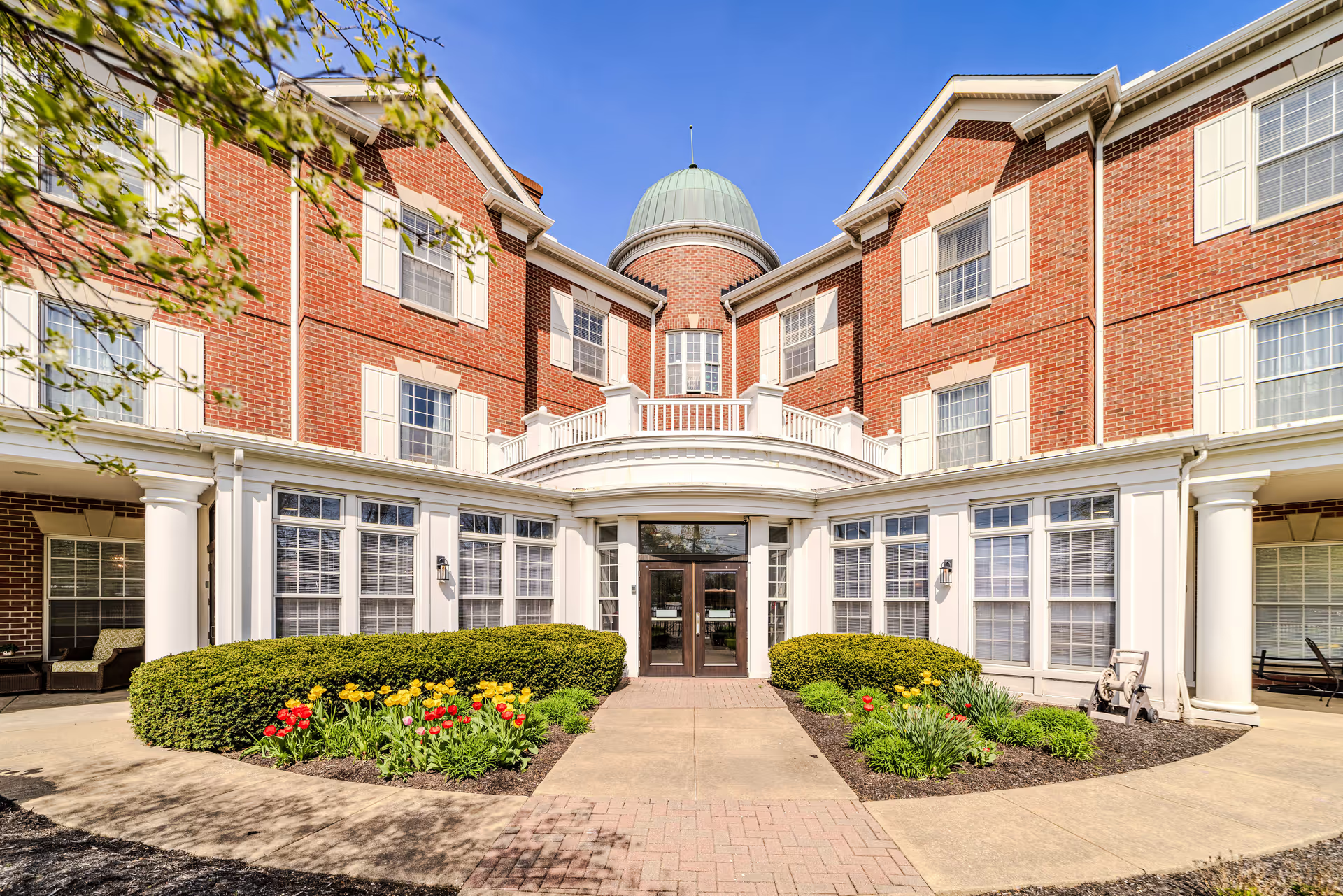
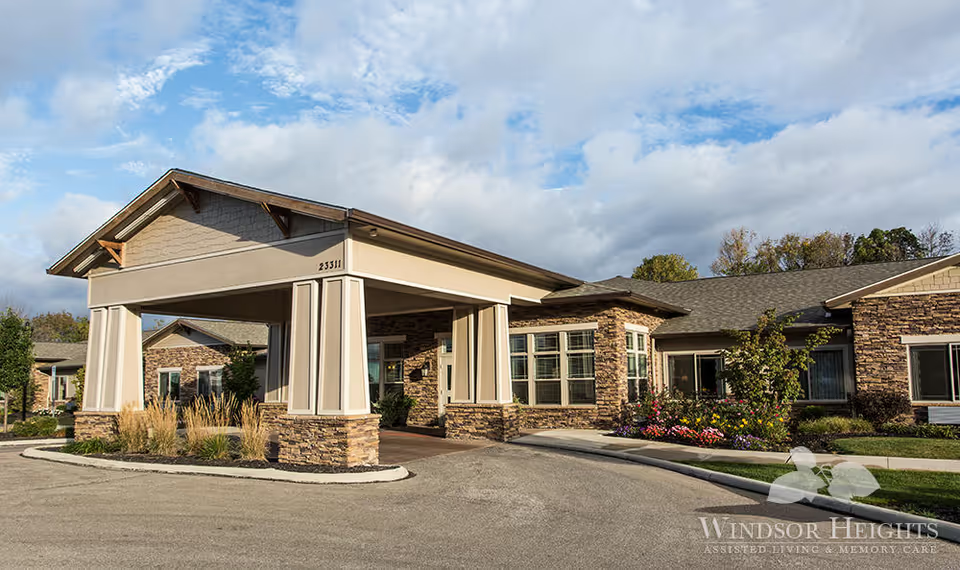
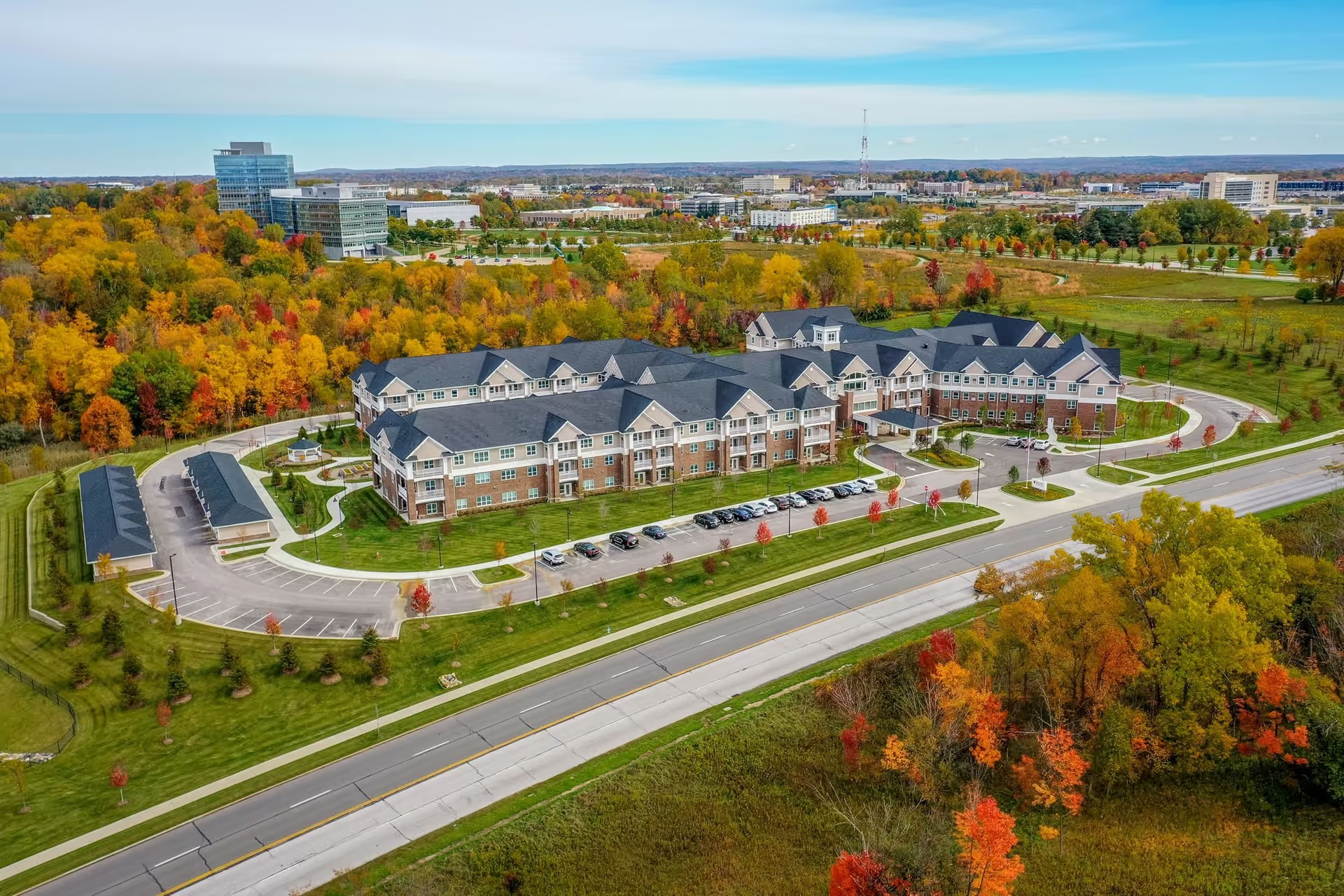
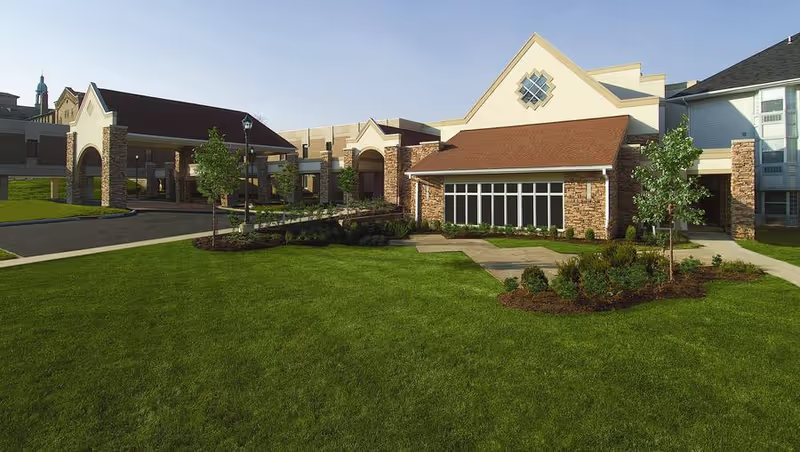
Facilities and sanitation: Many reviewers describe clean, well-maintained rooms and common spaces with attentive housekeeping. However, others describe sanitation issues, odor concerns in some units, linen and laundry problems, and pest-control concerns. These contrasting accounts indicate uneven performance across units or shifts; during a visit, inspect representative resident rooms, common areas, laundry operations, and odor control practices.
Management and operations: Administration receives mixed feedback. Some families praised administrators and directors for prompt problem-solving, empathy, and smooth admission transitions. Other reports cite delayed paperwork, inconsistent oversight, and poor follow-up on family concerns. Allegations involving missing belongings and other serious incidents were raised by reviewers; such claims suggest the need to confirm the facility’s policies for valuables, incident investigation, and regulatory compliance.
Notable patterns and recommendations: The dominant pattern is variability — strong, person-centered care and effective therapy for some residents, paired with operational weaknesses for others. Key areas to investigate in person include staffing levels and shift coverage, medication-administration procedures, fall-prevention and transfer protocols, linen and laundry workflows, pest-control and sanitation measures, belongings-security policies, and the facility’s family-communication practices (including virtual-visit availability). Ask for recent inspection reports, staffing ratios, examples of care plans, and references from recent short-term rehab patients to get a balanced view before making placement decisions.