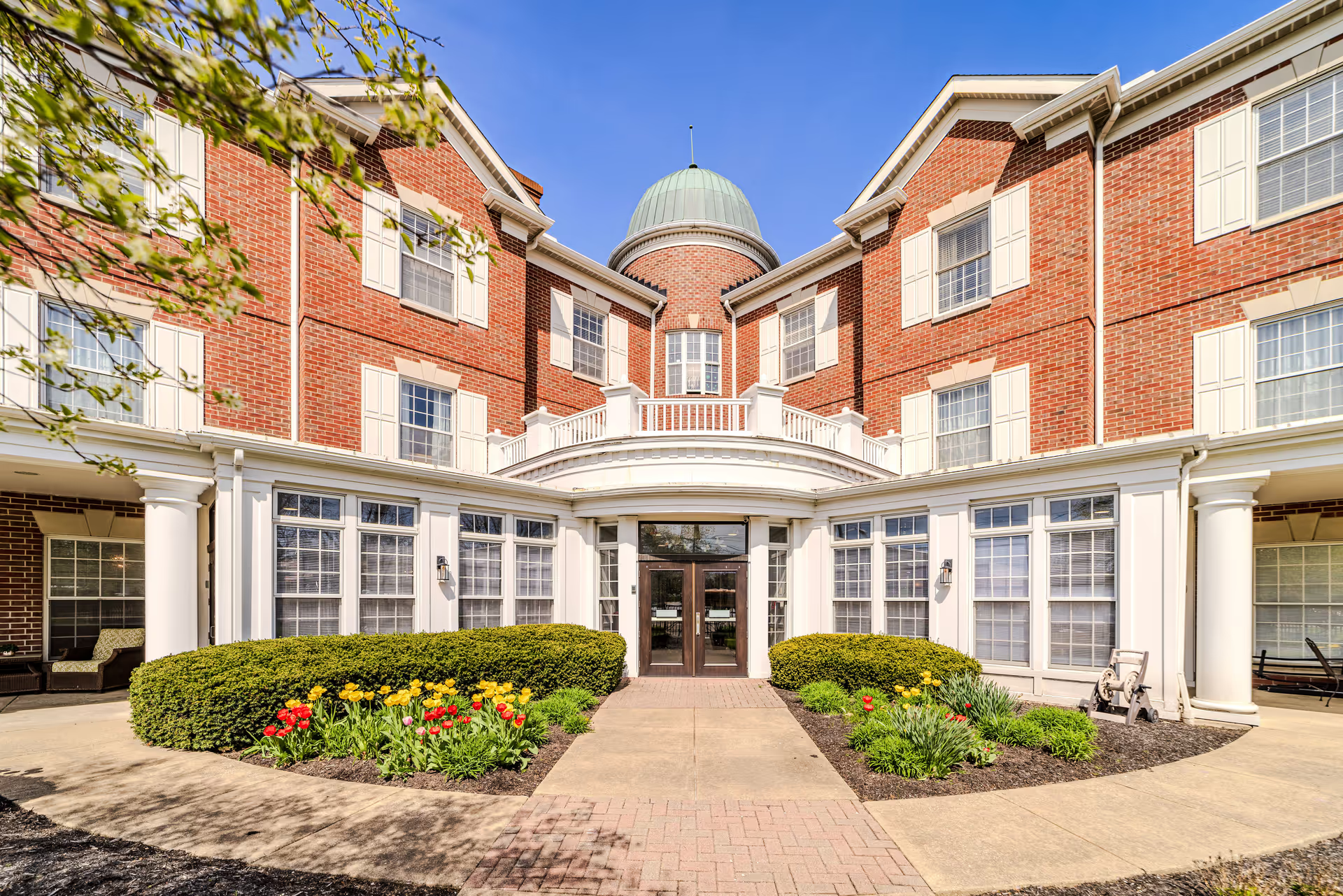
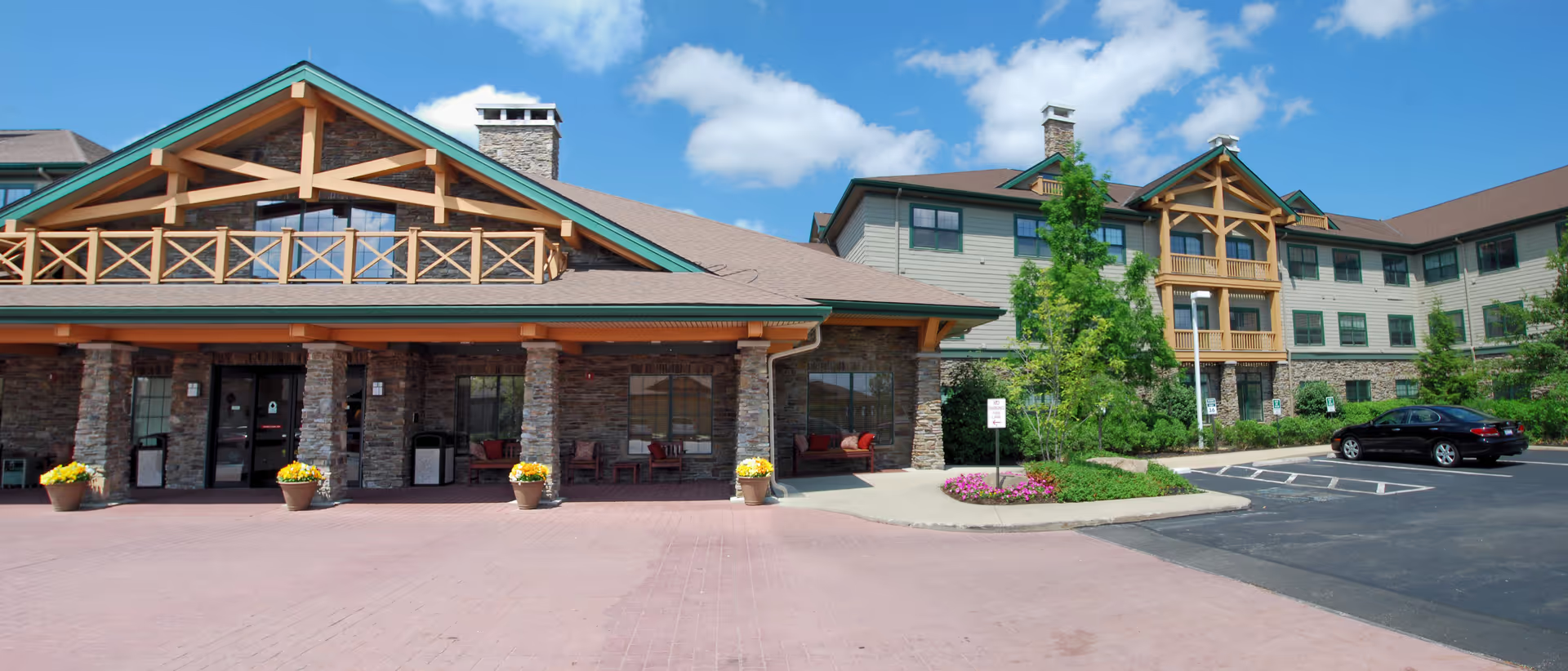
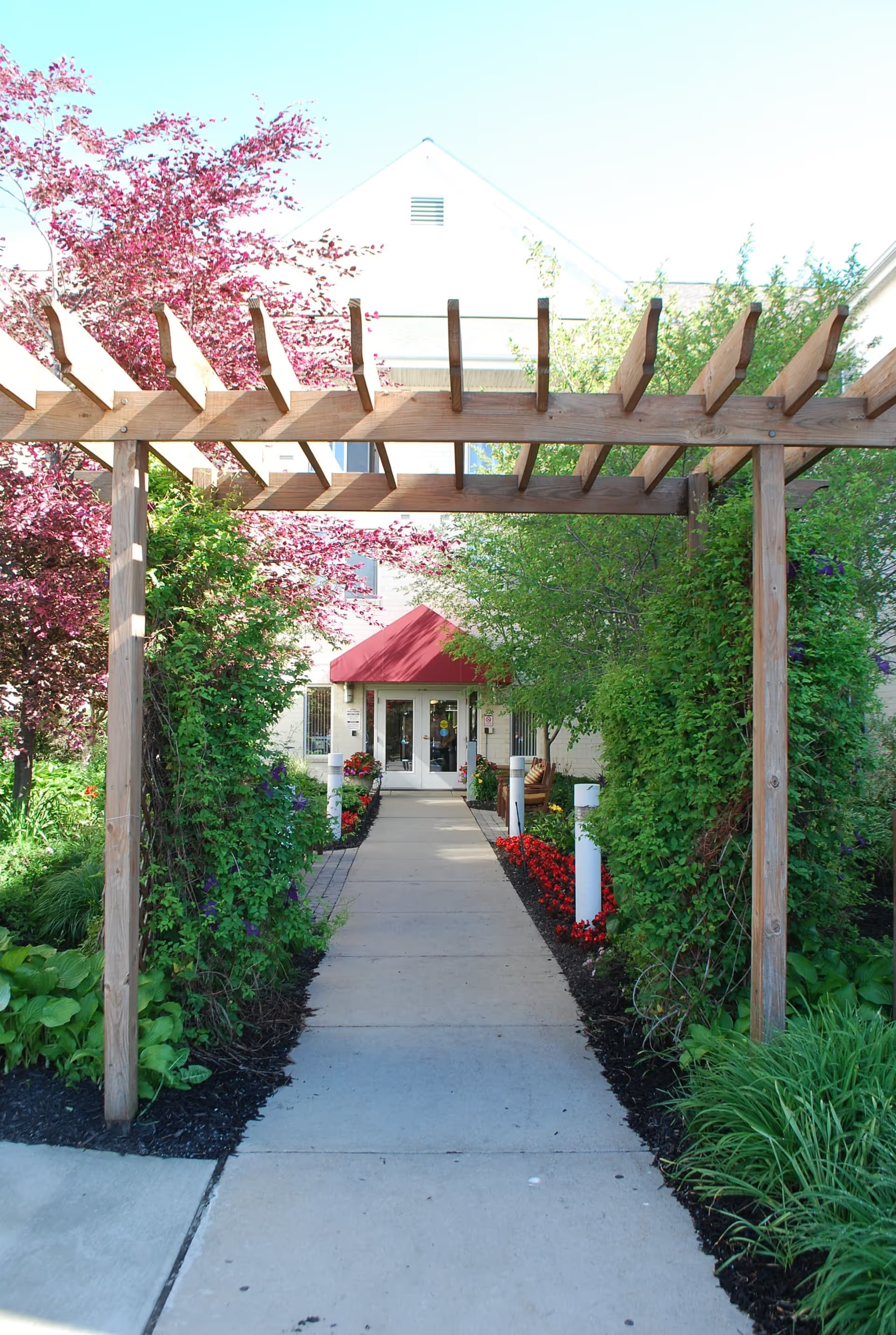
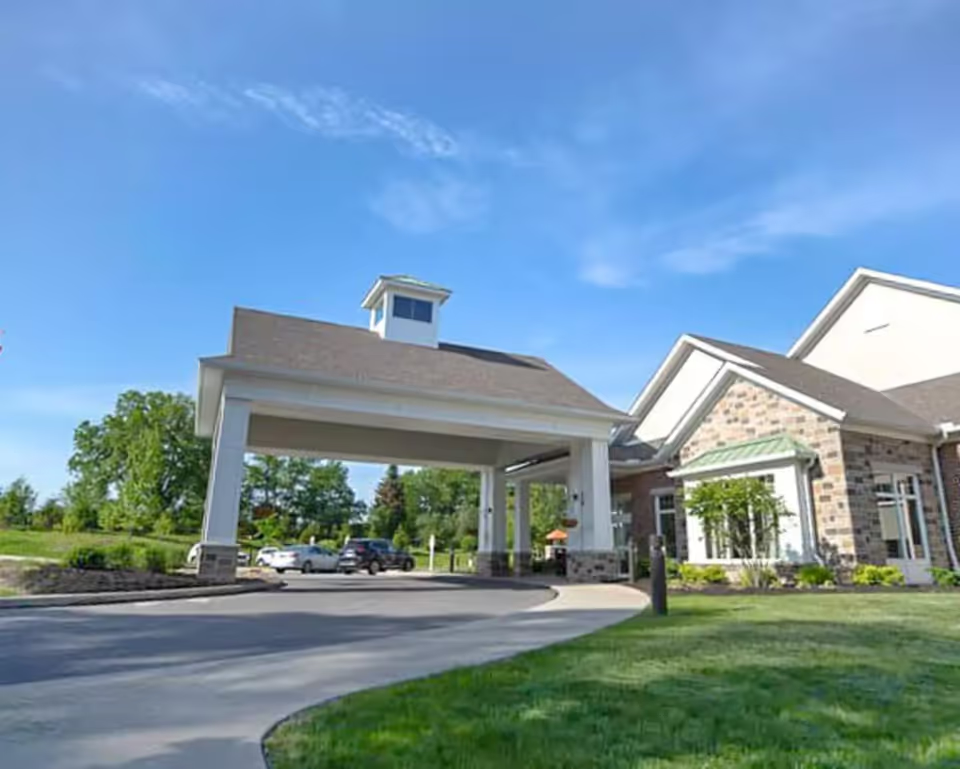
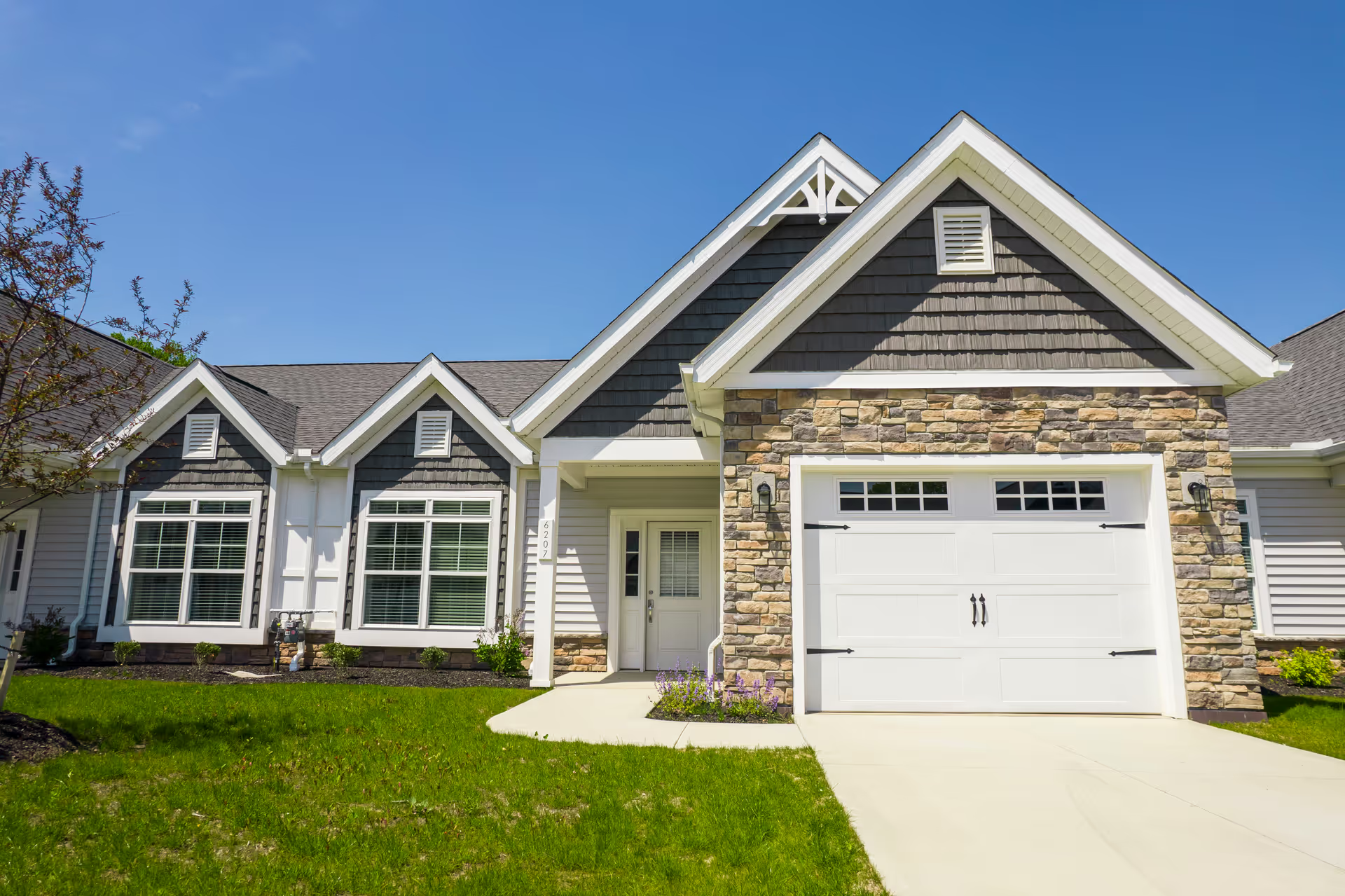
Judson Park presents as a well-appointed continuing-care retirement community (CCRC) with many of the amenities and clinical supports prospective residents and families look for. Positive themes include a warm, personalized caregiving approach, a robust therapy program (physical, occupational, and aquatic therapies), and frequent cultural offerings such as on-site music, art programs, concerts, and symphony outings. The campus and interiors are frequently described as attractive and well maintained, with outdoor landscaping, an indoor walking path, pool, and fitness facilities that support active independent living. Residents and family members commonly praise the community atmosphere, flexible apartment layouts, and the peace of mind that comes from an on-site medical evaluation infrastructure and hospice-capable services.
Dining and activities are generally considered strengths: reviewers note an extensive activity calendar, social dining opportunities, and a café option that provides a casual alternative to main meals. Food quality is often rated positively (B+ or good), though reviewers also describe occasional inconsistencies in meal preparation. The admissions process and move planning receive praise for being informative and reassuring in many cases; several families described helpful, proactive communication during move-in and post-move transitions.
Despite these strengths, reviewers identify several recurring operational concerns. Cost is a consistent theme: entry fees and ongoing charges are characterized as high, and some families express concerns about value relative to price. Staffing consistency is another major area of tension — there are multiple mentions of inadequate personal-care staffing, weekend kitchen shortfalls, and periods when promised services were not delivered. Those issues are reflected in remarks about unreliable meal-service continuity, occasional provision of simplified meals during staffing gaps, and longer-than-expected waits for in-home aide visits.
Facility layout and logistics also attract criticism: the building is described as maze-like by some residents, creating long internal walking distances and occasional disorientation when moving between venues. Management and sales practices receive mixed comments—while admissions can be reassuring and well organized for many, other families report poor sales responsiveness, lack of follow-through on commitments, and unclear communication. There are also more serious concerns described by reviewers, including sanitation and incontinence-care issues, reports raising questions about staff conduct and responsiveness, isolated critical incidents related to move-in coordination, and allegations concerning leadership diversity and hiring practices. These items are less uniformly reported than the community’s amenities, but they are consequential and merit direct inquiry during tours and reference checks.
Bottom line: Judson Park offers a comprehensive CCRC environment with strong programming, therapy services, attractive facilities, and a socially engaged resident population. Prospective residents should weigh those strengths against the community’s higher cost, potential staffing variability, and logistical factors such as building configuration. Families touring the facility should ask specific, operational questions about staffing ratios (including weekend coverage), dining-service contingency plans, sanitation and incontinence-care protocols, sales and contract transparency, and how the community addresses diversity and personnel concerns. Doing so will help clarify whether Judson Park’s broad offerings align with an individual resident’s care needs and expectations.