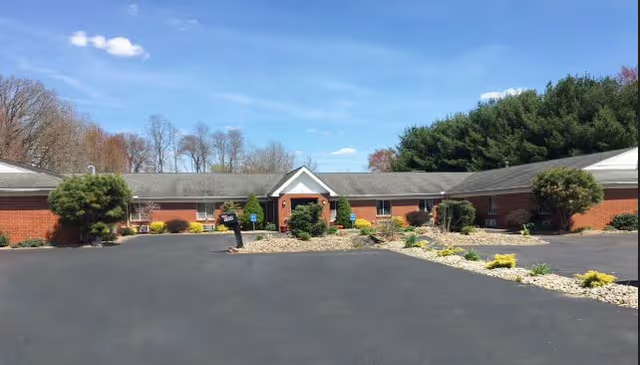
The reviews for Windsor House at Parkside present a mixed but patterned picture. Many families praise the caregiving staff: nursing and aide personnel are frequently described as compassionate, respectful, and willing to provide personalized attention. Several individual caregivers are singled out for exceptional service, and multiple accounts note meaningful activities that create a sense of community. For some residents, the environment is bright and welcoming, rooms are described as clean, and dietary accommodations and meal choice are available. End-of-life interactions are also noted positively by families who experienced compassionate support.
Counterbalancing these positive accounts are recurring operational concerns. Staffing levels are inconsistent, with night shifts and peak periods called out as particularly thin. This correlates with reports of slow responses to call lights and delays in basic care tasks such as hygiene assistance, mobility support, and timely clinical attention. Reviewers also describe variability in medication handling and clinical follow-up, indicating a need for more consistent medication-management processes and handoffs.
Communication and administration emerge as separate themes. Families report gaps in proactive updates and clarity around clinical incidents, appointments, and insurance-driven transitions. There are repeated mentions of lost personal items and difficulties obtaining assistance with dentures, hearing aids, glasses, and clothing, which point to weaknesses in personal-property tracking and resident-administration coordination. In some cases, reviewers raised serious individual allegations concerning availability of equipment and timely maintenance; the facility would benefit from strengthened supply-chain and maintenance protocols to avoid interruptions to essential care.
Facility operations also show variability. Dining quality is uneven—while some residents enjoy meal choices and accommodations, others find the food poorly prepared at times. Housekeeping and sanitation standards are similarly inconsistent: some areas and rooms are described as well maintained while others elicit odor concerns and lapses in routine cleaning or incontinence-care follow-up. Safety systems and emergency readiness were another concern area; reviewers referenced issues with fire-safety practices and staff training, suggesting opportunities to improve emergency-preparedness protocols and regular staff drills.
In summary, Windsor House at Parkside appears to provide genuinely compassionate, family-oriented caregiving in many cases, supported by staff who often go beyond their roles and a program of activities that fosters community. However, operational inconsistencies—particularly in staffing coverage, responsiveness, clinical communication, personal-property controls, equipment/maintenance responsiveness, dining, housekeeping, and emergency preparedness—are recurring themes that affect the overall resident experience. Prospective residents and families should weigh the facility’s strong interpersonal care strengths against these operational variability areas and consider asking targeted questions about staffing patterns, property-loss protocols, equipment availability, infection-control and visitation policies, and emergency-training schedules during tours or pre-admission discussions.