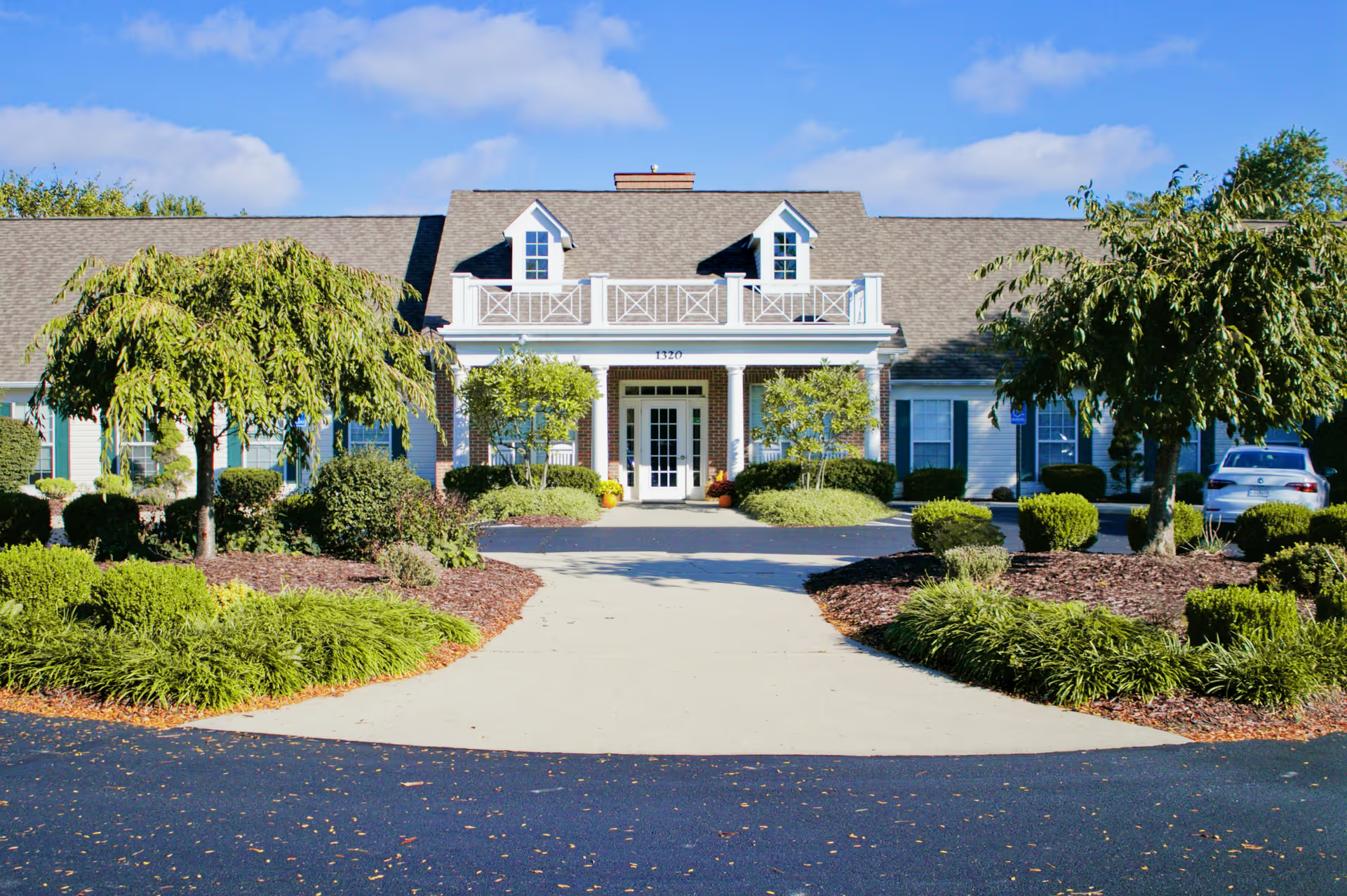
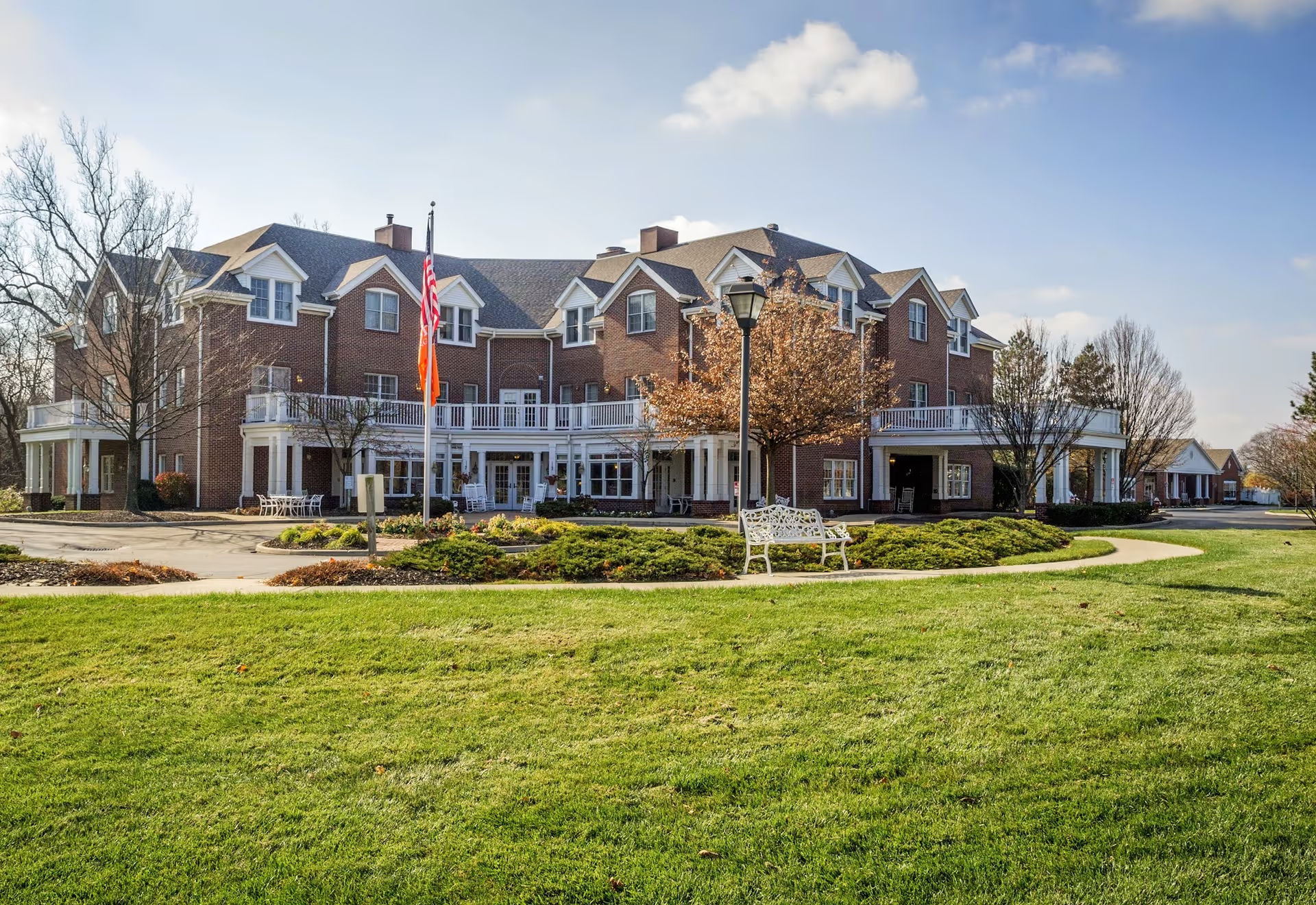
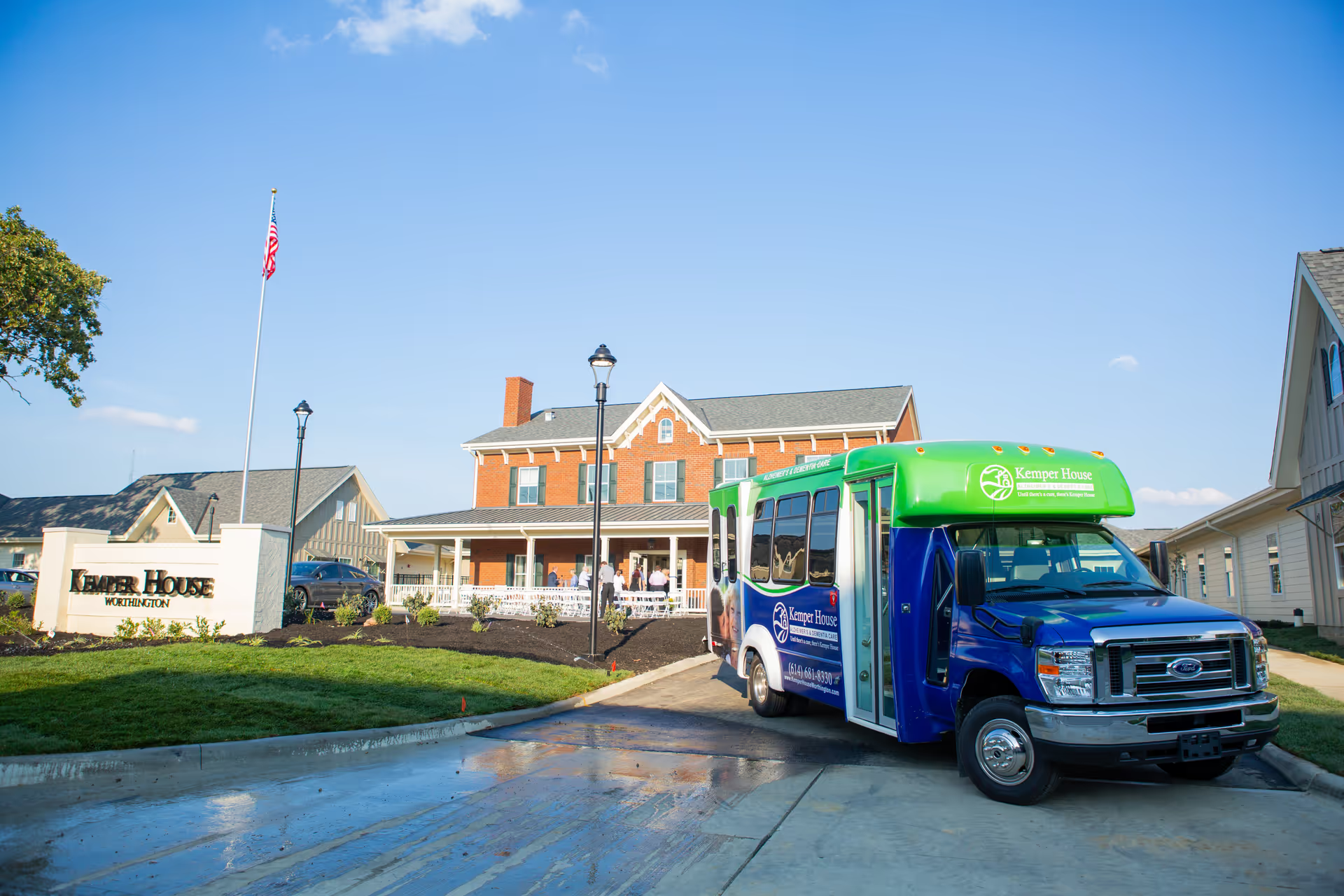
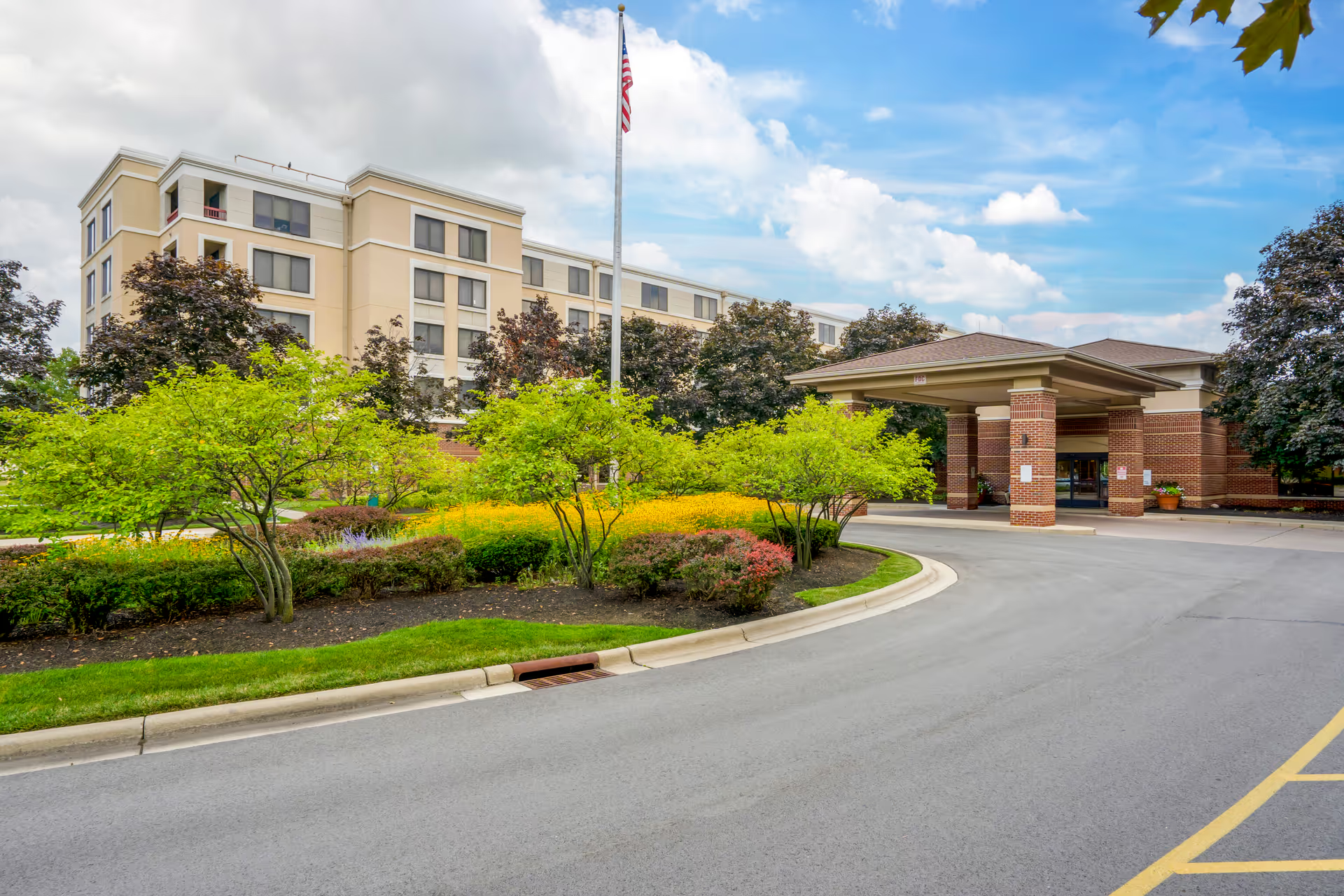
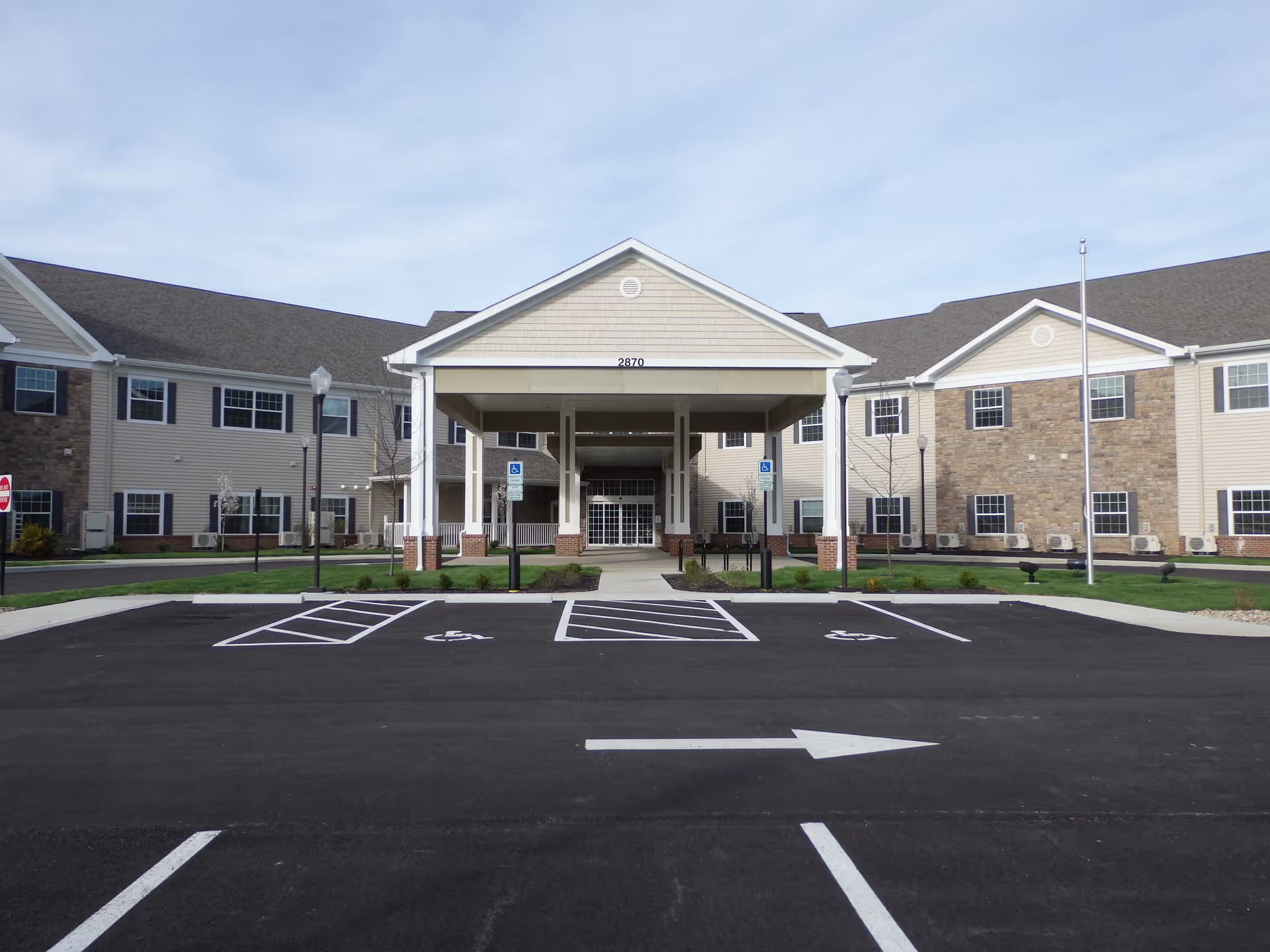
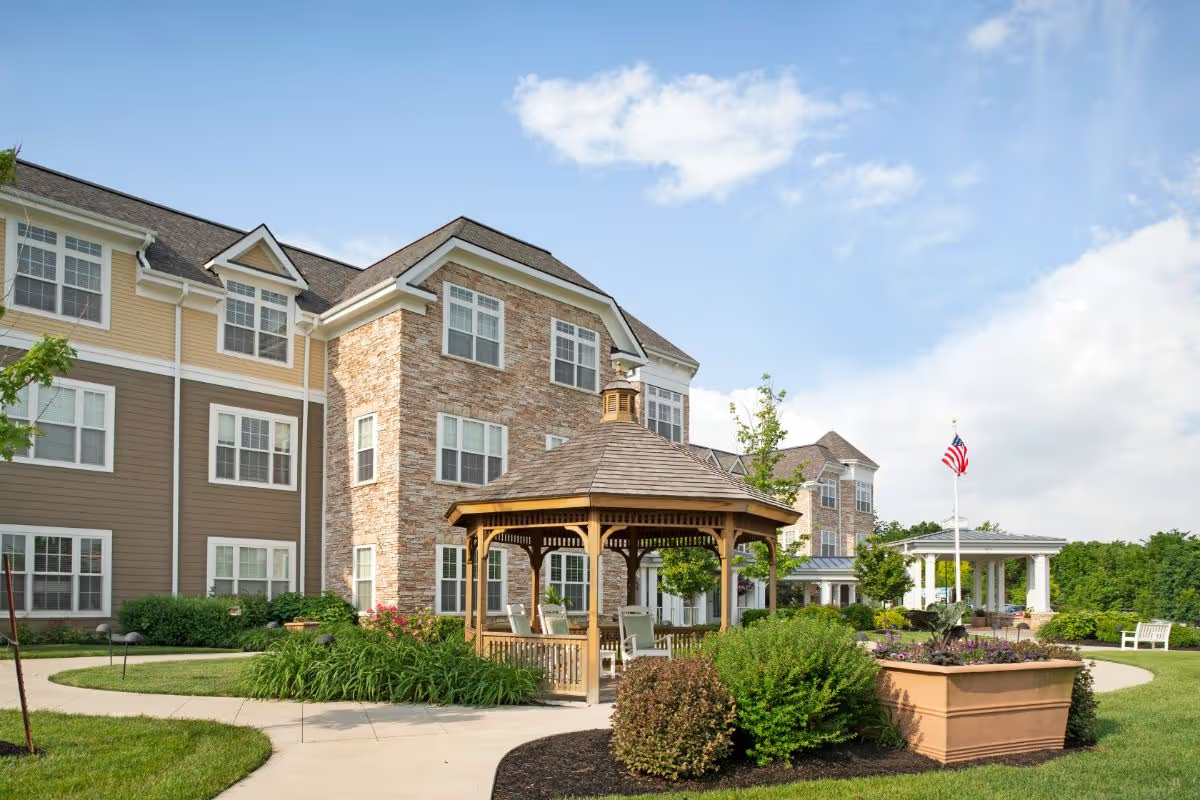
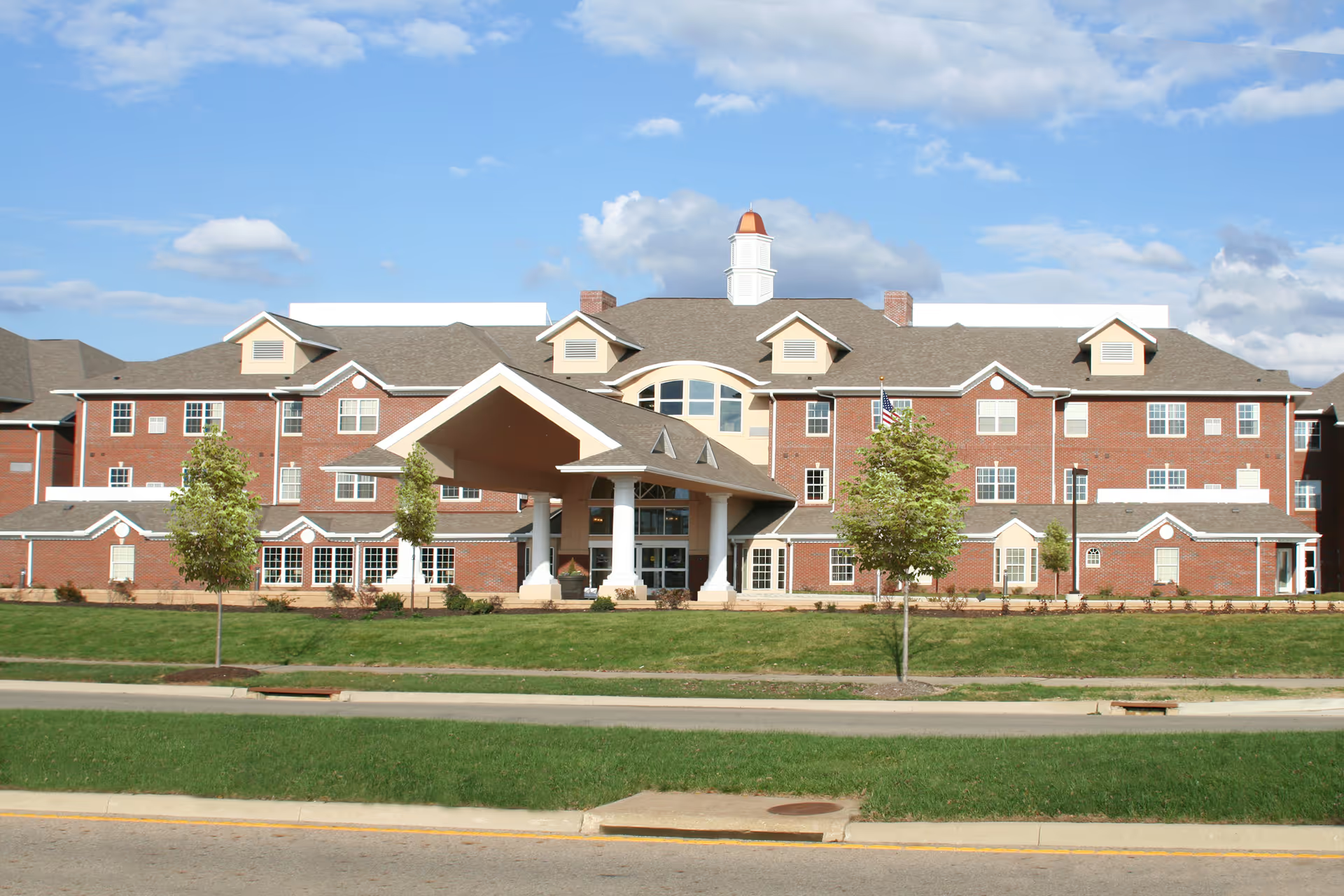
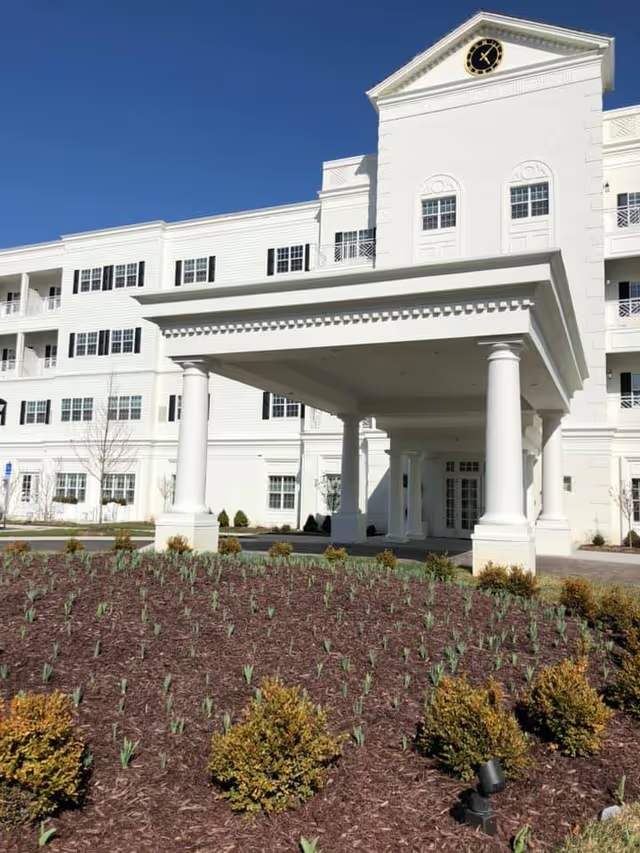
Reviewers present a mixed but informative picture of the facility. Positive themes center on dementia-specific programming and a caregiving culture described as compassionate and relationship-focused. Multiple accounts emphasize the staff–resident bond, a calming physical environment (open hallways, warm finishes, and a well-kept lobby), accessible outdoor space, and an activity program that includes games, music, holidays and inclusive celebrations. On-site therapy services and a security system for monitored access are frequently noted strengths, as are practical conveniences such as laundry service, multiple dining areas, and flexible snack/drink policies.
Care quality is a prominent strength for many families: reviewers describe Alzheimer’s-specialized approaches intended to reduce agitation, attentive nursing and caregiving staff, and clinicians or therapy teams who support mobility and engagement. Communication with families is often described as responsive, with staff and management who provide updates and accommodate preferences in some cases. The facility’s social and activity programming is consistently cited by advocates as contributing to residents’ quality of life when it is active and well-run.
At the same time, a pattern of operational inconsistencies emerges across the reviews. Staffing stability and training are uneven; several accounts point to turnover, workload pressure, and variability in staff skills or language proficiency, which can affect daily care and family communication. Cleanliness and sanitation are described differently by different families, creating a mixed picture of environmental standards that prospective families should evaluate directly. More serious clinical concerns are raised by some reviewers around infection-control practices, physician oversight, wound care outcomes, and the monitoring or use of behavior-targeting medications — these describe system-level issues rather than single isolated events and warrant specific inquiry.
Facility maintenance and management show similar variability: many families note a well-maintained common environment and attractive design, while others report inconsistent room maintenance, furnishing quality, air-conditioning problems, and occasional security/locking issues in resident rooms. Management and social-work interactions are also described inconsistently, ranging from responsive and supportive to brusque in tone according to different accounts.
For prospective residents and families: the facility demonstrates clear strengths in dementia-focused programming, engaged staff, therapy services, and an environment designed for walking and socialization. However, the mixed reports on staffing stability, clinical oversight, cleanliness, medication management, and room-level maintenance suggest it is important to observe day-to-day operations during a visit. Recommended questions include staffing ratios and turnover, protocols for infection control and wound care, medication-review processes (especially for behavior-targeting drugs), how room repairs and HVAC issues are handled, and opportunities to observe activities and mealtimes. A careful, on-site observation and direct discussion with management about these operational areas will help clarify whether the facility’s strengths align with a given resident’s needs.