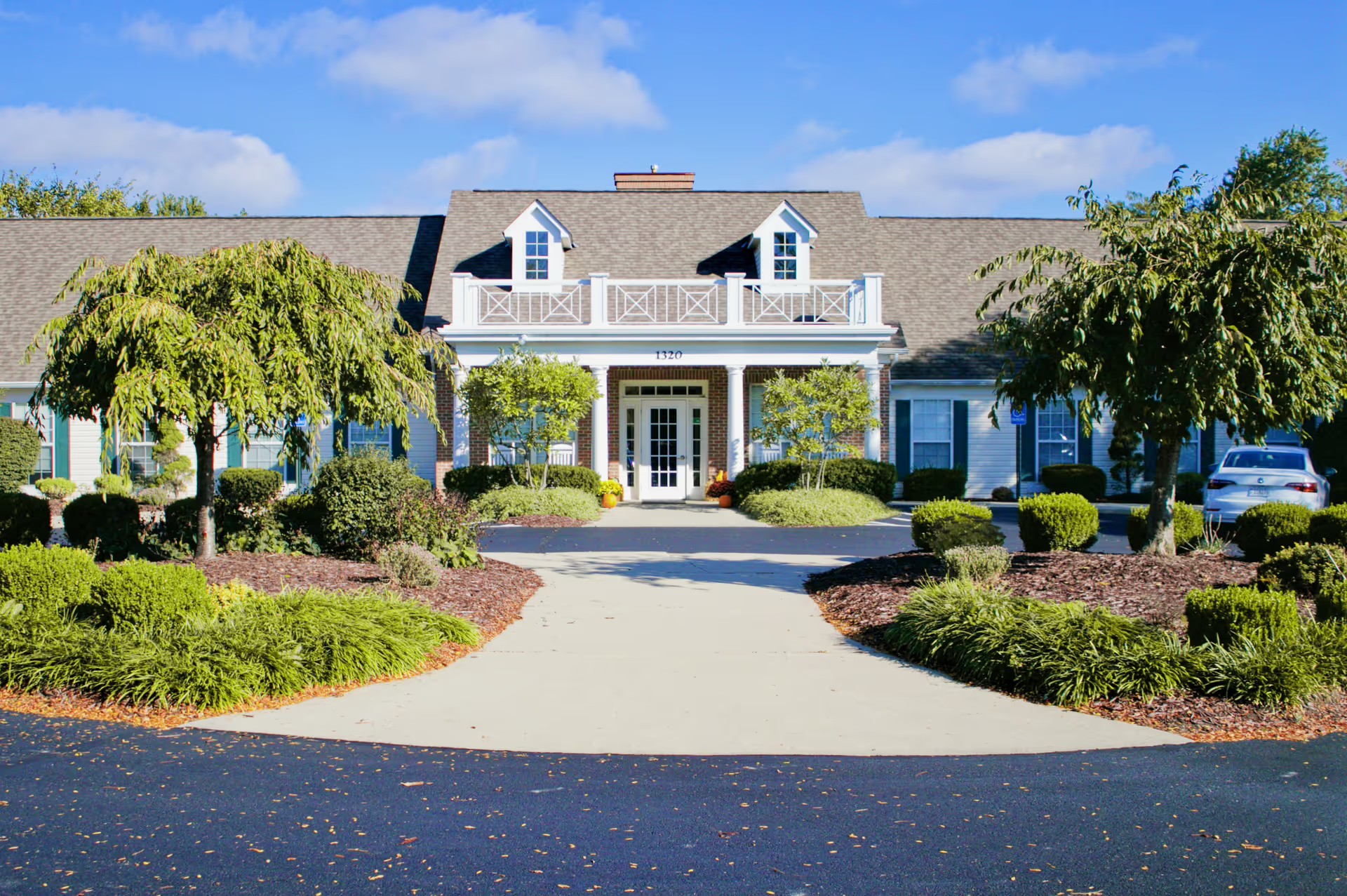
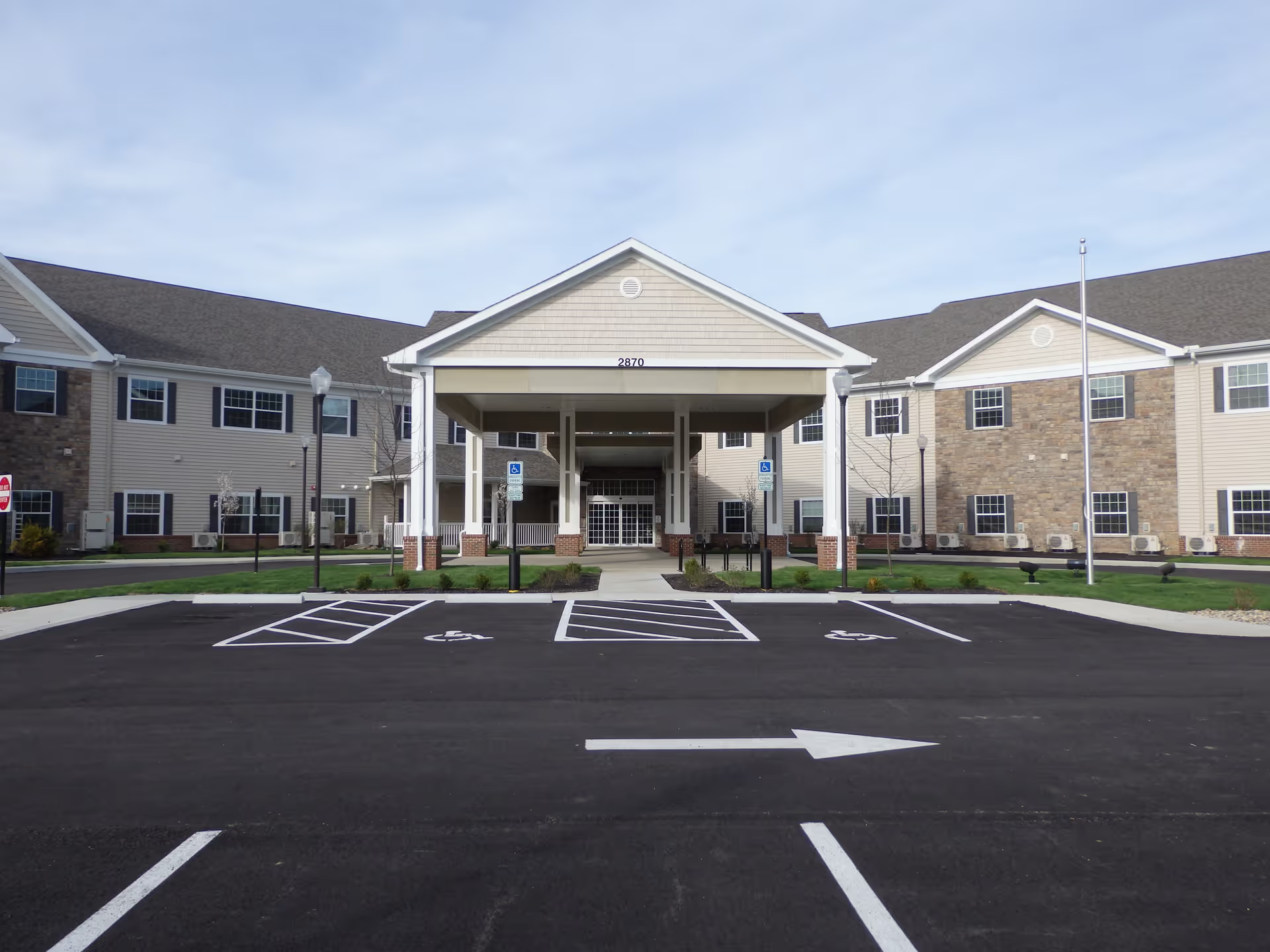
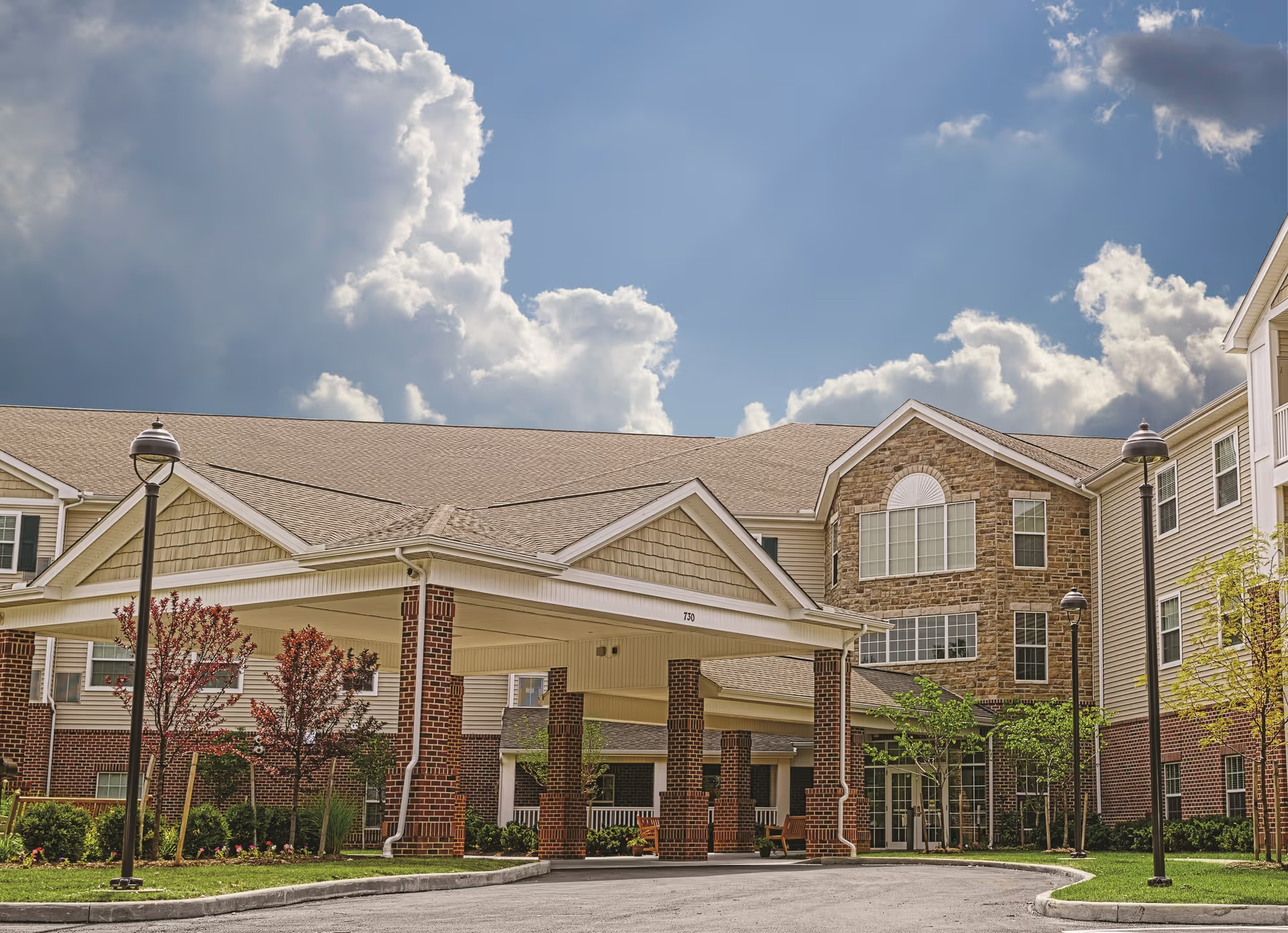
Laurels of Walden Park elicits markedly mixed feedback. Positive comments center on rehabilitation and therapy services, with numerous families praising physical, occupational and speech therapy teams for measurable functional gains and efficient short-term stays. Many reviewers also singled out compassionate nursing staff, attentive aides, and helpful admissions/front-desk personnel; these staffing strengths are associated with good discharge planning, coordinated specialty services (including dialysis and wound care), and constructive social-work involvement.
At the same time, a consistent set of operational concerns appears across reviews. Staffing inconsistency—especially on nights and weekends—has been linked to delayed responses to call bells and routine care tasks, longer wait times for hydration and toileting assistance, and sporadic monitoring. Reviewers describe gaps in medication administration and clinical monitoring, as well as instances where clinical capabilities (notably respiratory and ventilator support) were perceived as insufficient for high-acuity needs. These items point to variability in clinical oversight and emergency-readiness.
Facility- and services-level issues are prominent. Multiple accounts indicate sanitation and odor concerns in certain units, along with pest-control problems and maintenance deficiencies such as broken equipment or aging furnishings. Dining and nutrition services are described as inconsistent: some families praised meals, while others reported spoiled food, dietary mismatches, and meal-service continuity problems. Communication quality is also uneven—while admissions and some managers receive praise for responsiveness, other families report poor follow-up, unanswered phones, and difficulty getting clinical updates or physician communication.
Safety and conduct patterns warrant careful review prior to placement. Reviews describe delayed incident response, safety risks during transfers or mobility assistance, and concerns about belongings and room security. There are also allegations of theft and financial misconduct in a few accounts; such claims elevate the need for verification through facility leadership or regulatory channels. Language barriers and variable staff conduct have been mentioned as factors that affect day-to-day resident experience and family confidence.
Notable patterns: feedback is highly polarized. Short-term rehab and therapy stays tend toward positive outcomes and higher satisfaction, while long-term and overnight care experiences show more operational weaknesses. Problems are frequently tied to specific shifts, units, or periods of understaffing rather than uniformly distributed across the campus.
For prospective residents and families: an in-person assessment is advisable, focusing on unit cleanliness, staffing levels at the expected time of care, call-bell response times, medication and clinical-monitoring processes, respiratory/acute-care capabilities if needed, dietary accommodations, pest-control practices, and protocols for safeguarding resident property. Ask facility leadership for staffing ratios, training programs (including language support), incident-reporting procedures, and recent regulatory or inspection history to better understand whether praised rehabilitative strengths coexist with the operational risks highlighted by other families.