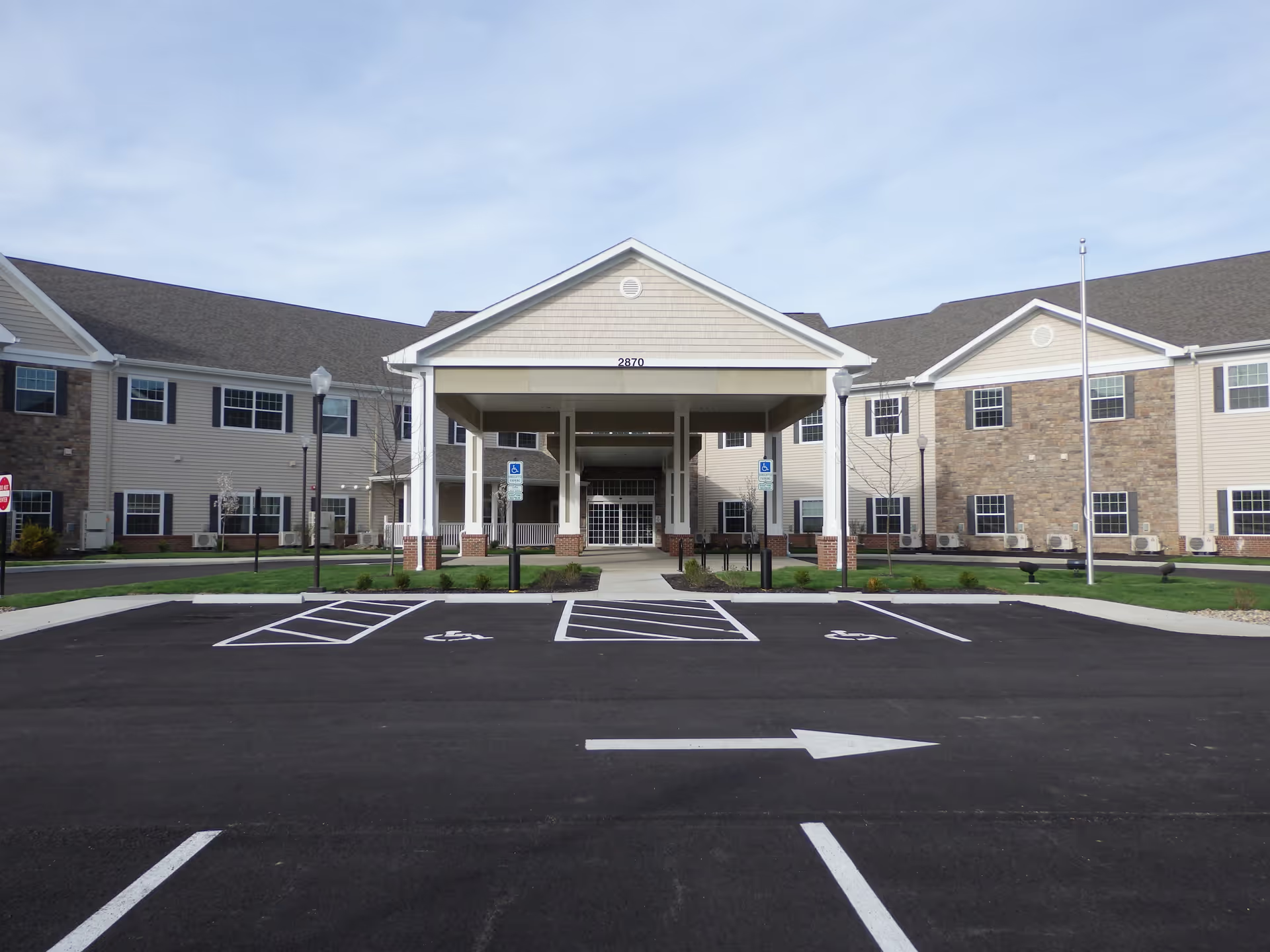
Oakleaf Village of Columbus presents as a small, home-like community with many features families and residents find attractive. The community offers private apartments — including studio and one-bedroom units with kitchenettes or full kitchens — and amenities such as an on-site library, garden areas, and transportation for medical appointments. Reviewers commonly praise the social environment: staff are frequently described as friendly and helpful, there is regular programming (live music, outings, entertainers, classes), and the community accepts Medicaid, which some families find comparatively affordable versus alternatives.
Clinical supports are notable in several reviews: on-site nursing oversight, routine blood-pressure and weight checks, medication administration, visiting specialists (podiatry), and an in-house pharmacy option. Many families report helpful hands-on care from aides and nurses and good responsiveness for routine needs. Dining receives overall positive remarks for presentation and variety in some accounts, with buffet-style and restaurant-like options; however, meal experience is described as uneven by other families and some meals or options carry additional charges.
Several operational patterns are raised as areas of concern. Maintenance and exterior upkeep appear inconsistent — reviewers note deferred groundskeeping, unclean exterior windows, gutter and paving issues — which affects the perceived upkeep of the campus. Multiple comments suggest gaps in staff consistency and accountability: families described variable caregiver performance, instances of delayed medication delivery, and concerns about timely response to clinical or safety events. Relatedly, there are repeated concerns about fall prevention and monitoring practices, as well as about provision of promised transfer or mobility equipment; these indicate potential weaknesses in safety protocols and care-planning follow-through.
Communication and administrative practices also appear to be uneven. Families report difficulties with unanswered or slow email responses, imperfect family-notification during emergencies, and billing/contractual friction (extra fees for some meals, unclear terms, and a strict 30-day notice policy). Activity programming is plentiful and engaging for many residents, but some families find offerings overly scripted or insufficiently tailored to residents with higher disability or memory-care needs; memory-care services are available nearby, but integration and program focus vary.
For prospective residents and families, Oakleaf presents clear strengths in social programming, apartment-style living, and accessible clinical supports with Medicaid acceptance. At the same time, it would be prudent to evaluate maintenance plans, ask for specifics on medication administration and fall-prevention protocols, request examples of emergency-family communication, and review contract terms and fee schedules during touring and decision-making. Verifying staffing patterns, recent administrative turnover, and how individualized activity and clinical plans are implemented will help clarify whether the community’s operational practices align with a family’s expectations for safety and care continuity.