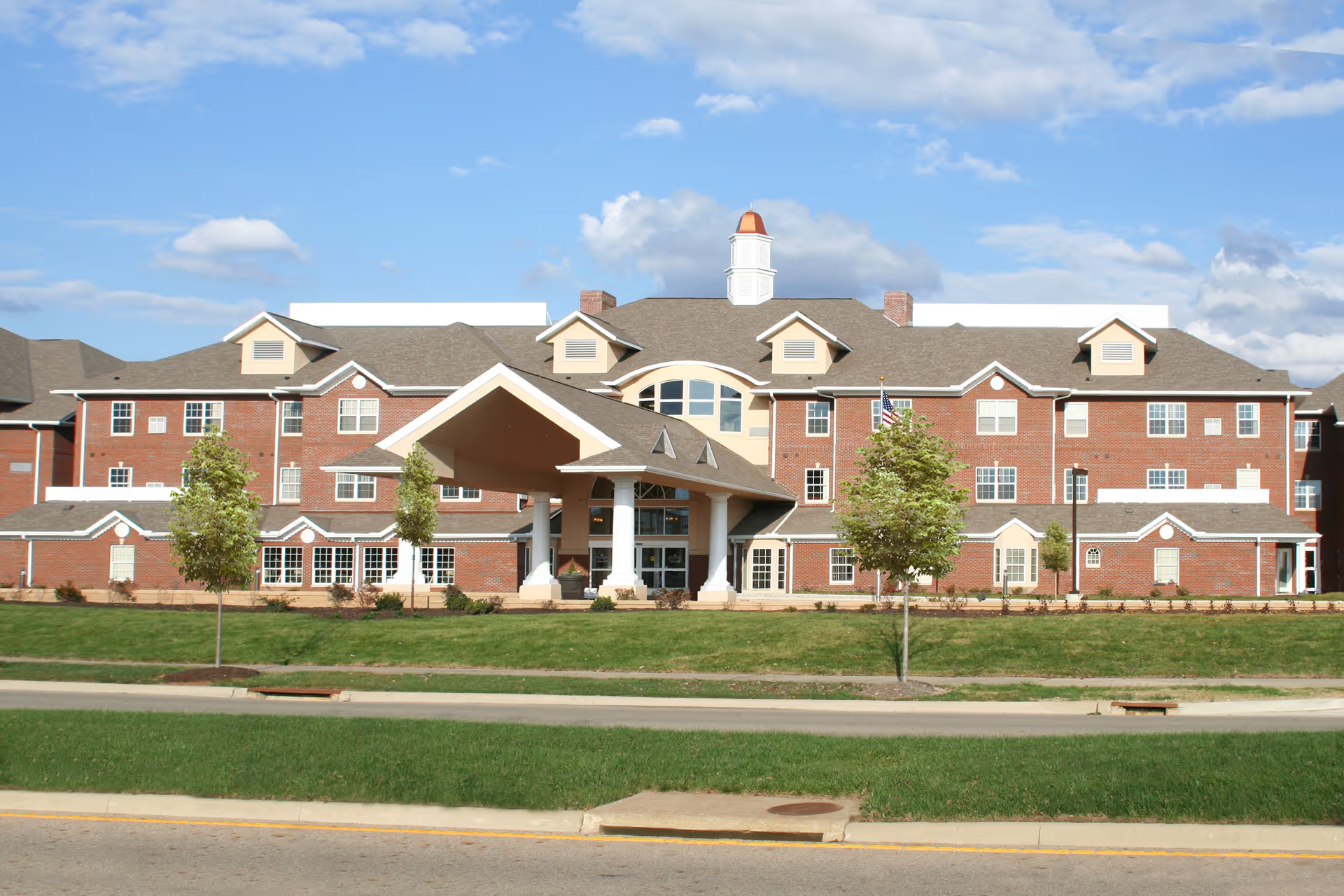
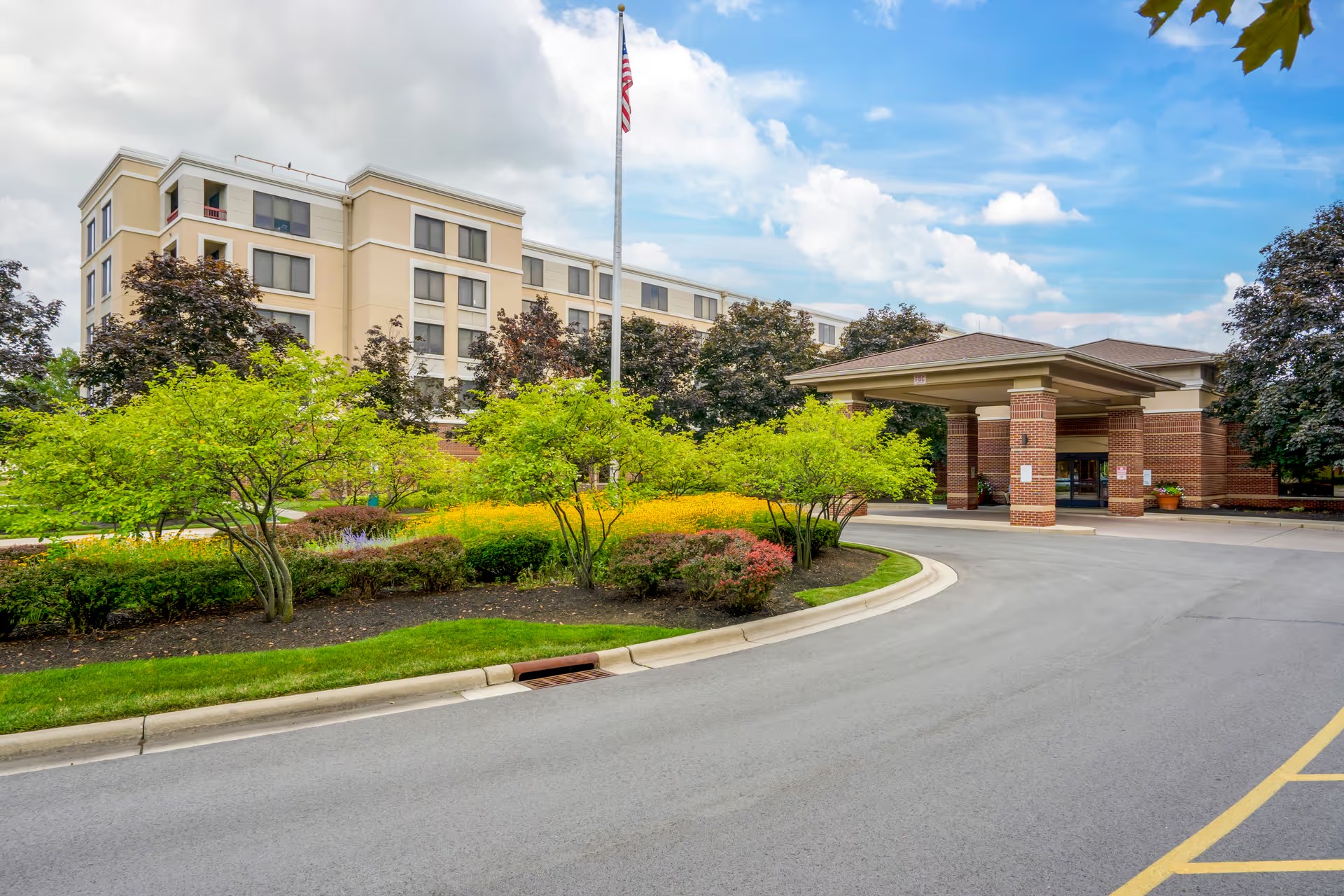
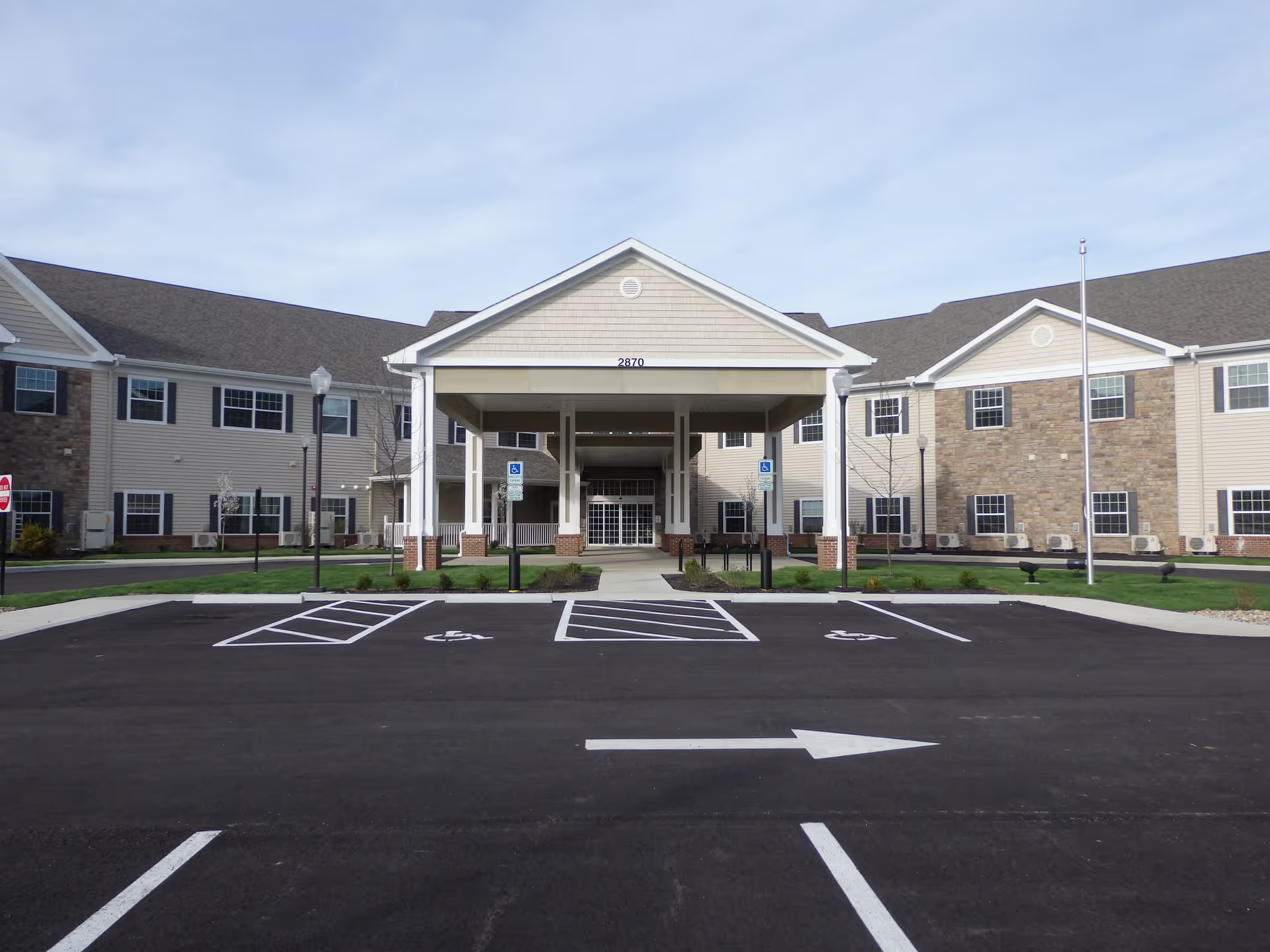
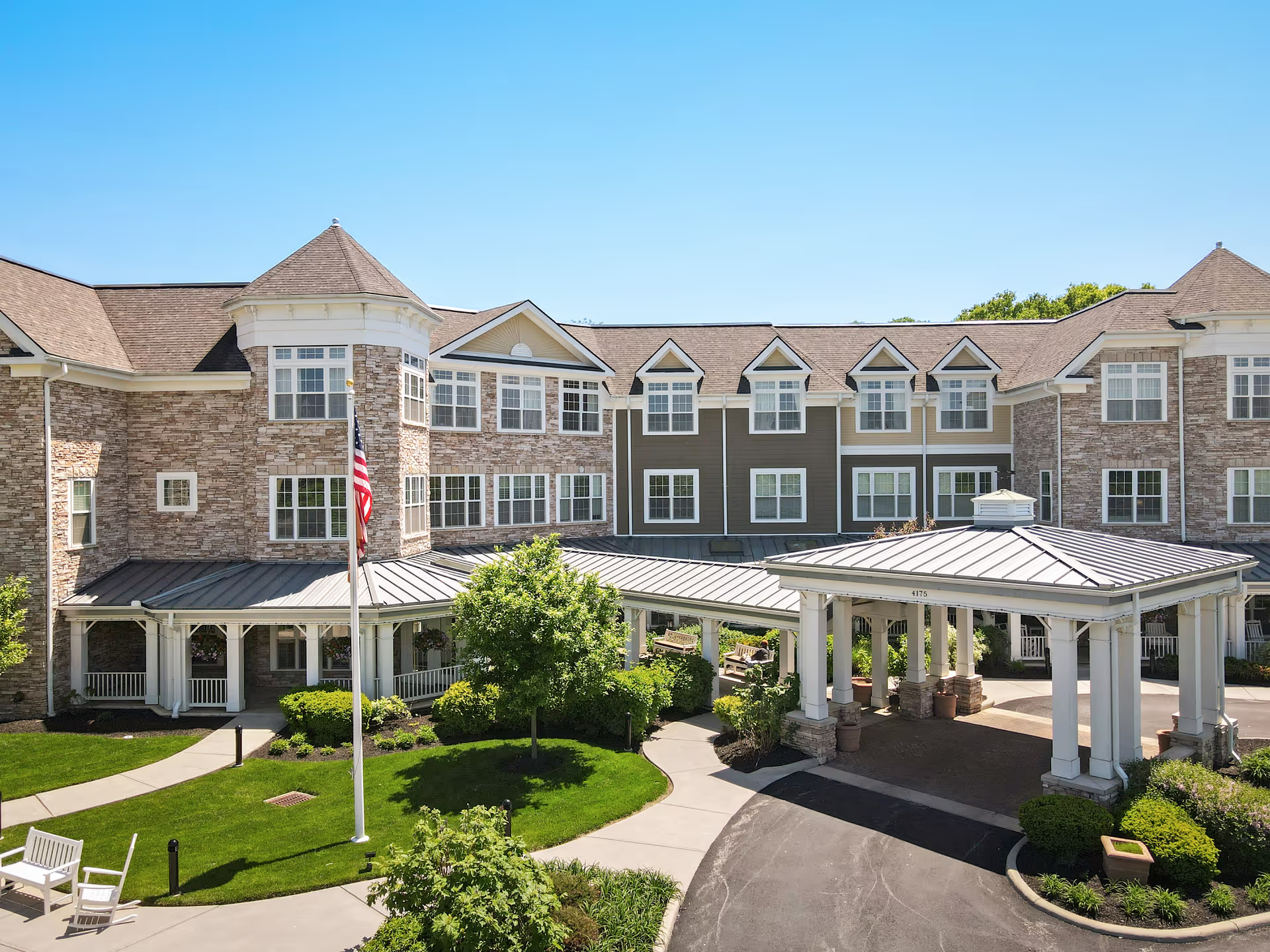
Reviews describe markedly different experiences across Riverview’s rehabilitation and skilled-nursing services and the assisted-living settings associated with Whetstone and Cranberry Park. Positive accounts, especially from short-term rehabilitation stays, describe effective physical and occupational therapy, courteous staff, attentive pain management, and successful transitions home. Families also praise specific nurses, aides, therapists, admissions staff, and managers for being approachable and keeping them informed. Other accounts describe serious gaps in basic assistance and clinical follow-through, particularly for residents with limited mobility or complex care needs. Recurring concerns include unanswered call lights, inconsistent personal care, medication or physician-order issues, and delayed responses to changes in condition. Several accounts also raise concerns about falls, wound and pressure-injury prevention, infection response, and communication with families. These reports vary by time, unit, and level of care and are not independently verified.
Staff experiences are mixed. Many residents and families describe kind, knowledgeable employees who provide individualized support, while critical accounts characterize staffing as insufficient at times, particularly on evenings, weekends, and across shift changes. Communication between departments and with families is also described as inconsistent. Some families report prompt help from administrators or social workers; others describe difficulty reaching staff, obtaining updates, or securing follow-through on requests.
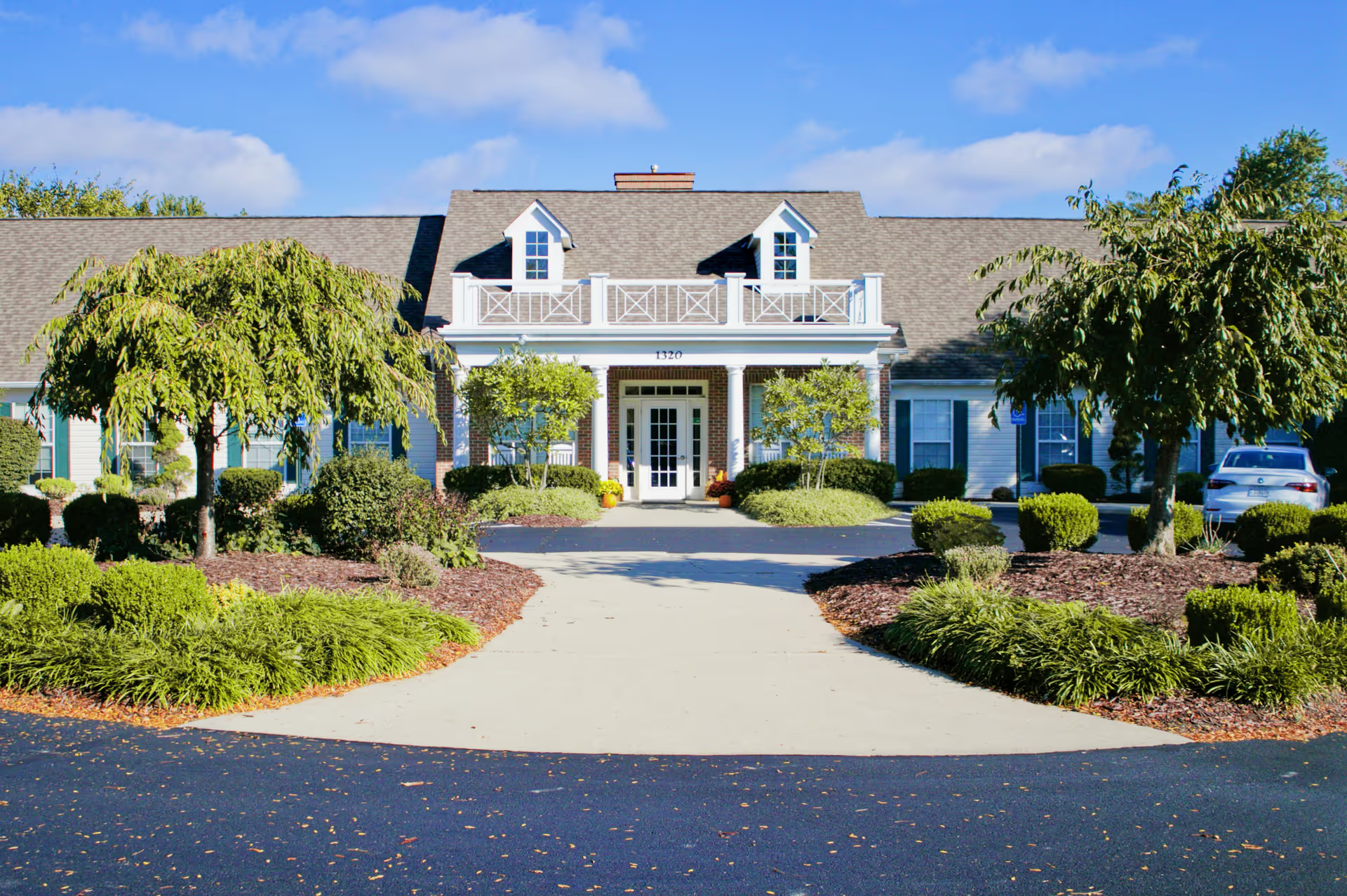
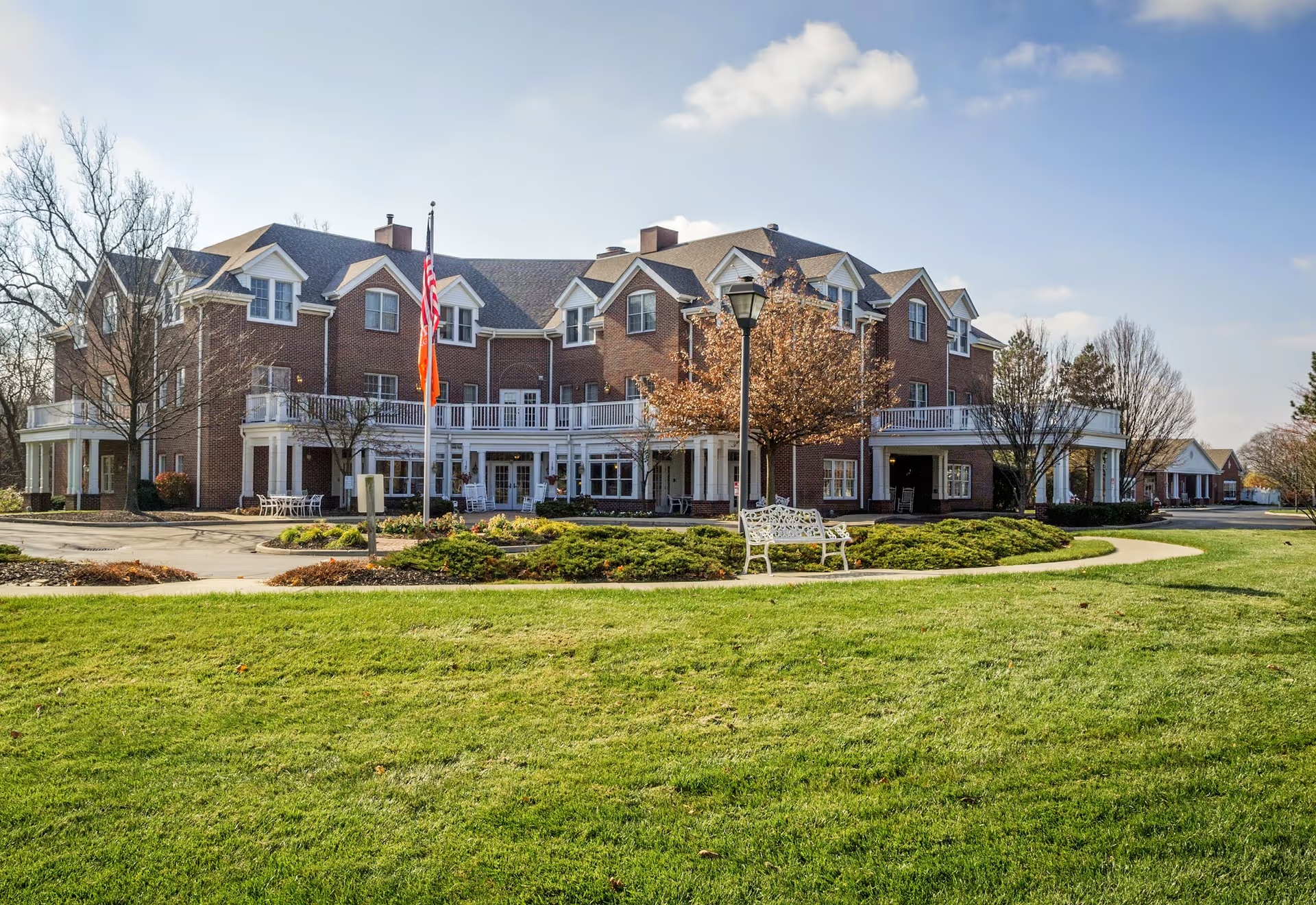
Dining experiences vary substantially. Some residents praise the food, menu choices, or weight gain during a stay. Others describe meals as unappealing, poorly timed or served at an unsuitable temperature, and report difficulty getting dietary restrictions followed. Housekeeping and the physical environment receive similarly mixed assessments: positive accounts describe clean, comfortable rooms and welcoming grounds, while others cite room upkeep, laundry, hot-water, and equipment-maintenance concerns. Assisted-living residents and families frequently value the apartment options, activities, outings, and sense of community; these strengths are less prominent in accounts focused on short-term nursing and rehabilitation.
The overall pattern is polarized rather than uniformly positive or negative. Rehabilitation and assisted-living services receive notable praise for therapy outcomes, social engagement, and individual staff relationships, while accounts involving residents requiring extensive hands-on care raise persistent questions about staffing, responsiveness, and clinical oversight. A few accounts also raise serious concerns following resident deaths and refer to complaints or regulatory matters; the review text alone does not establish the circumstances or findings. Prospective residents and families may wish to ask about staffing by shift, call-light response expectations, medication and dietary procedures, pressure-injury prevention, family-update practices, and maintenance of rooms and accessibility equipment, and to assess the specific unit and level of care needed.