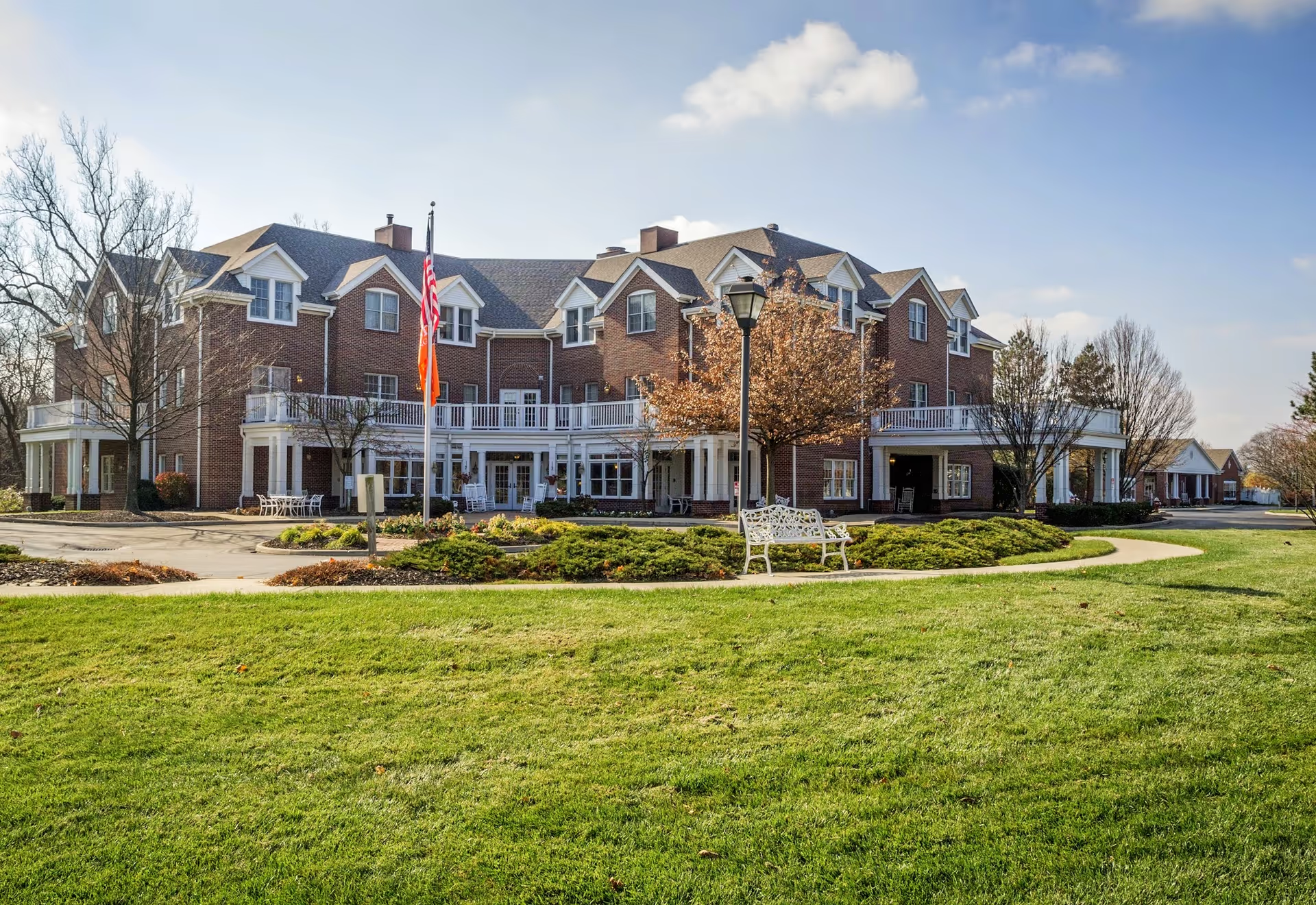
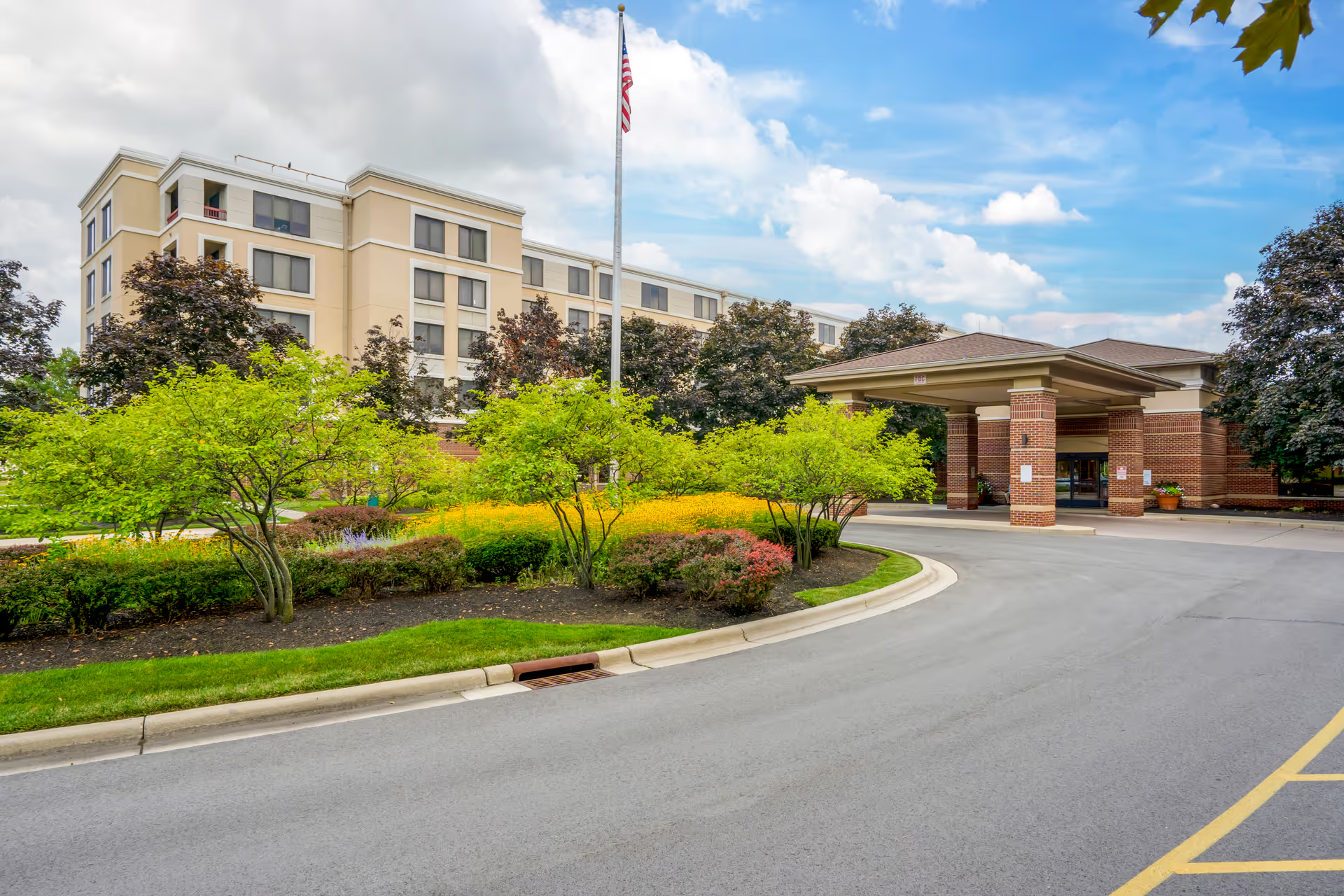
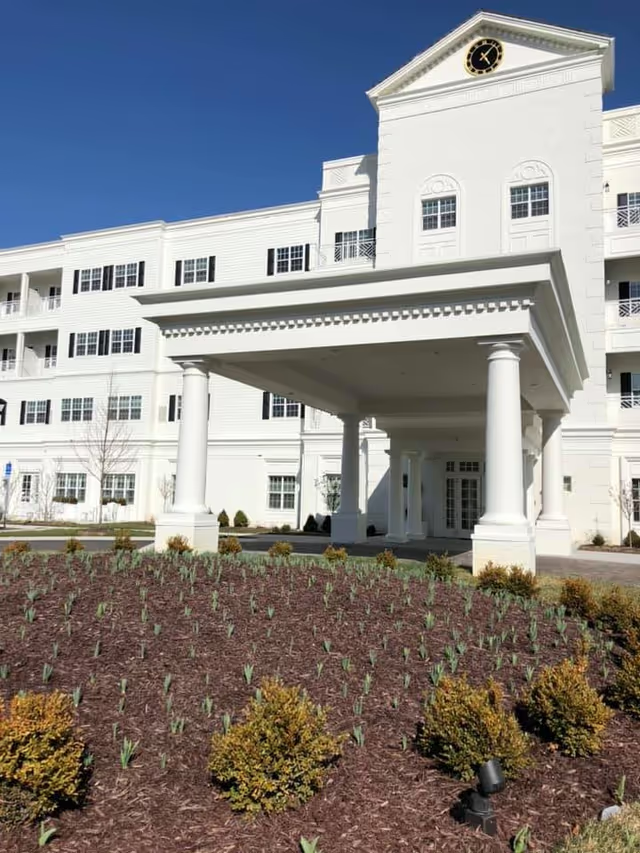
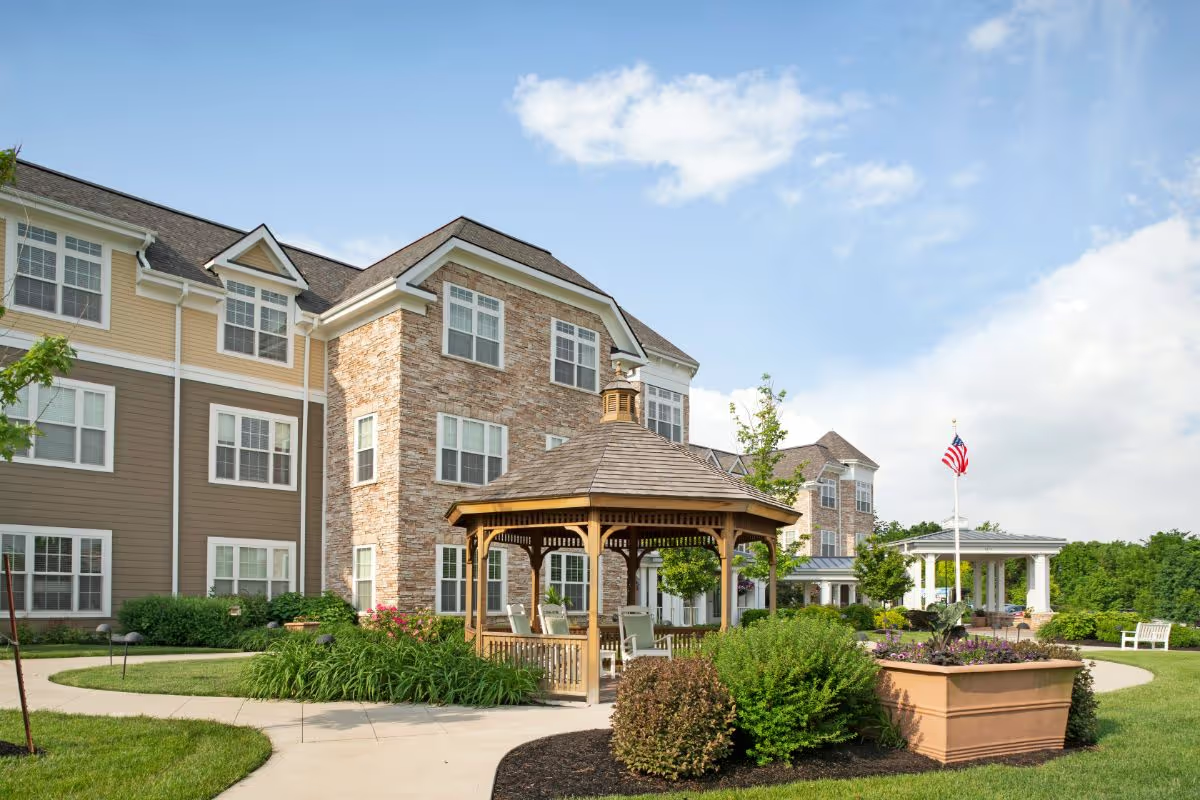
Wesley Glen presents as a large, well-appointed senior living campus with extensive amenities and an active social environment. Positive aspects consistently noted include a welcoming, family-like atmosphere; a broad activities program; well-regarded dining services described as restaurant-style; and substantial wellness infrastructure (including an indoor heated pool and therapy pool). Physical accommodations—spacious apartments with kitchens and in-unit laundry, attractive grounds, salon and library facilities—are frequently cited as strengths that support independent and assisted living residents.
Clinical and caregiving experiences appear mixed. Many families and residents praise individual caregivers, rehabilitation teams, and on-site medical services for attentive, skilled care and rapid response in some circumstances. However, a substantial pattern of concerns centers on inconsistent staffing levels and variability in staff training and professionalism. These operational gaps manifest as delays in medication administration and in addressing personal-care needs, inconsistent bathing and toileting assistance, and variable responsiveness to call lights and requests for help.
There are recurrent clinical-process issues that prospective residents should consider. Several accounts point to delays or gaps in wound care, pain management, therapy quality, and discharge coordination; weekend pharmacy coverage and weekend medication access are also noted as a practical limitation. Communication lapses between families and management—along with instances of unreturned or slow responses from administration—contribute to dissatisfaction even where individual staff members are seen as caring.
Facility operations and maintenance are another mixed area. The property and common areas are frequently described as clean and attractive, with landscaped grounds and varied amenities; at the same time reviewers flagged sanitation and cleaning inconsistencies in some units, occasional maintenance problems (including elevator reliability), and wayfinding challenges within the large campus. Financial and administrative matters also drew comment: some families found billing, eligibility, and Medicaid processes complex or burdensome.
In summary, Wesley Glen offers strong amenity-based value and an active, community-oriented environment with capable rehabilitation and wellness resources. Prospective residents and families should weigh those strengths against operational variability: staffing consistency, medication and clinical follow-up protocols, and management communication are areas where experiences diverge. A thorough, targeted tour—asking about staffing ratios, weekend clinical coverage, medication-administration procedures, and recent quality-improvement initiatives—will help determine whether the facility's current operational practices match a prospective resident's care needs and expectations.