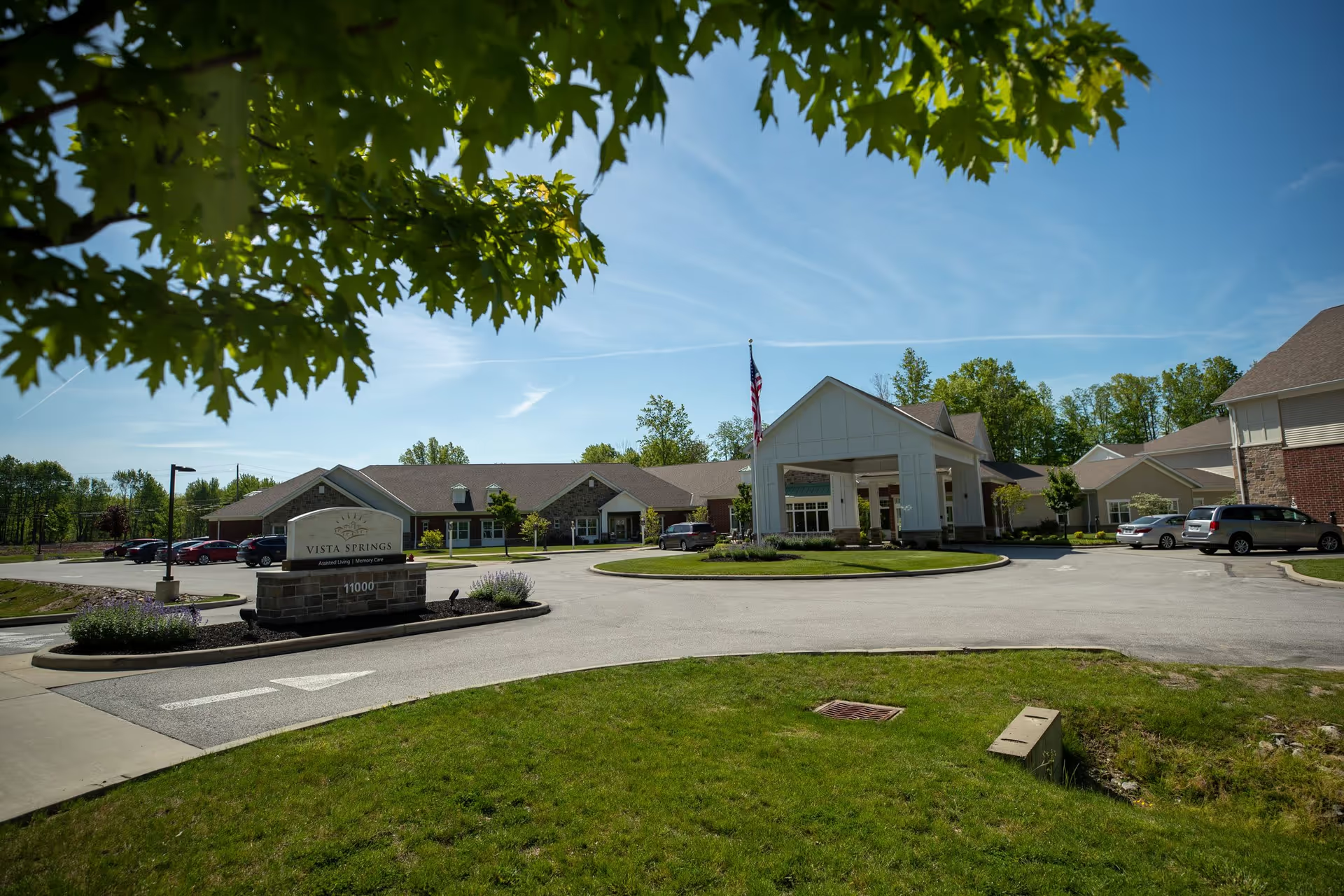
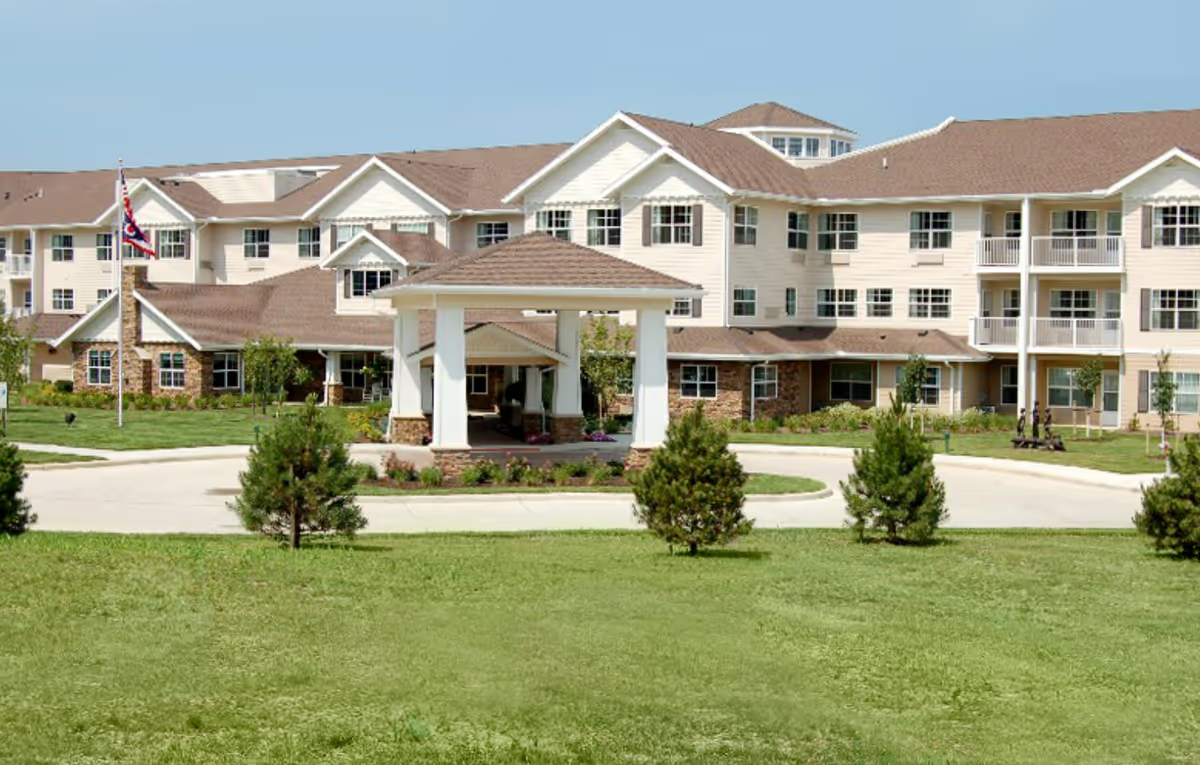
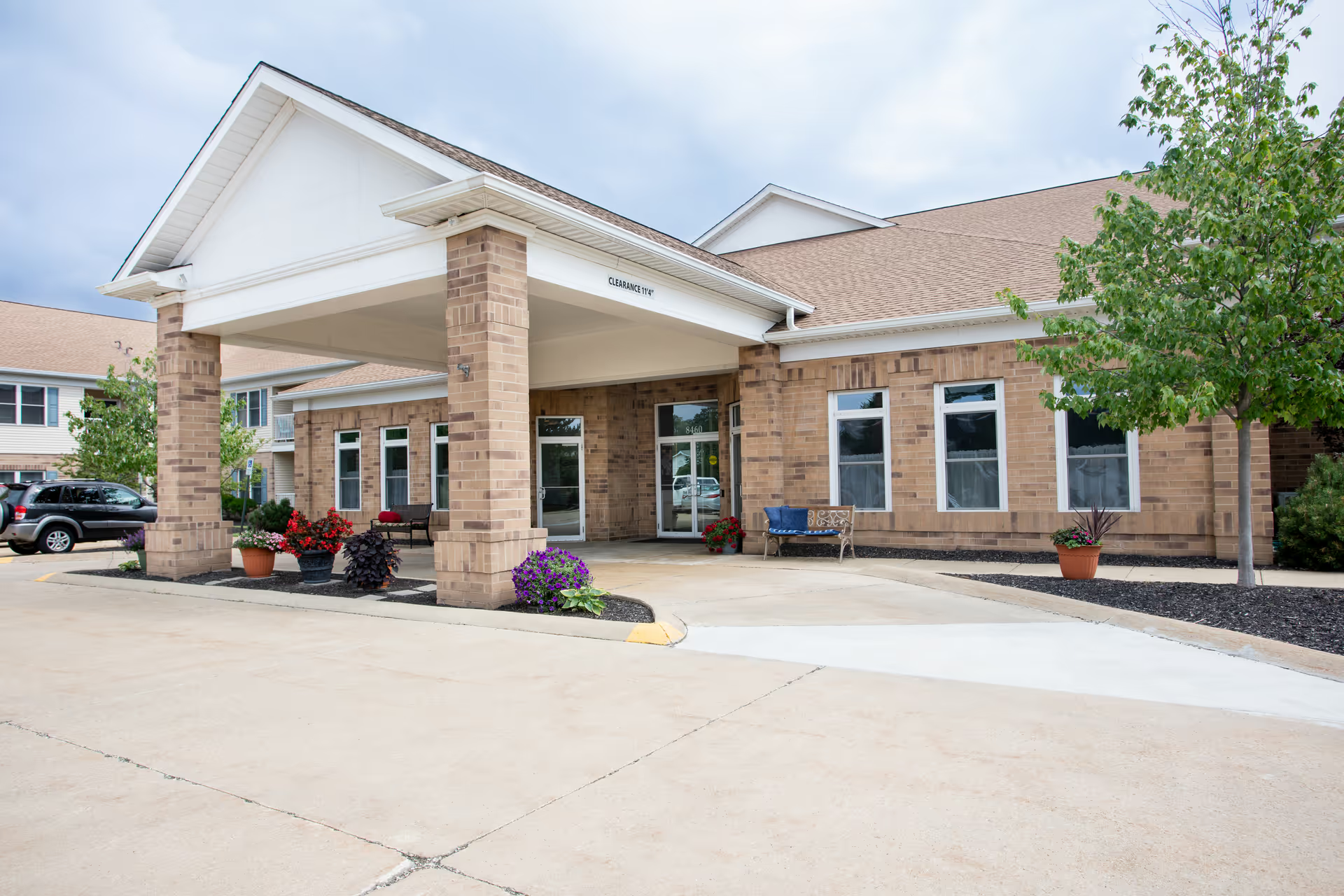
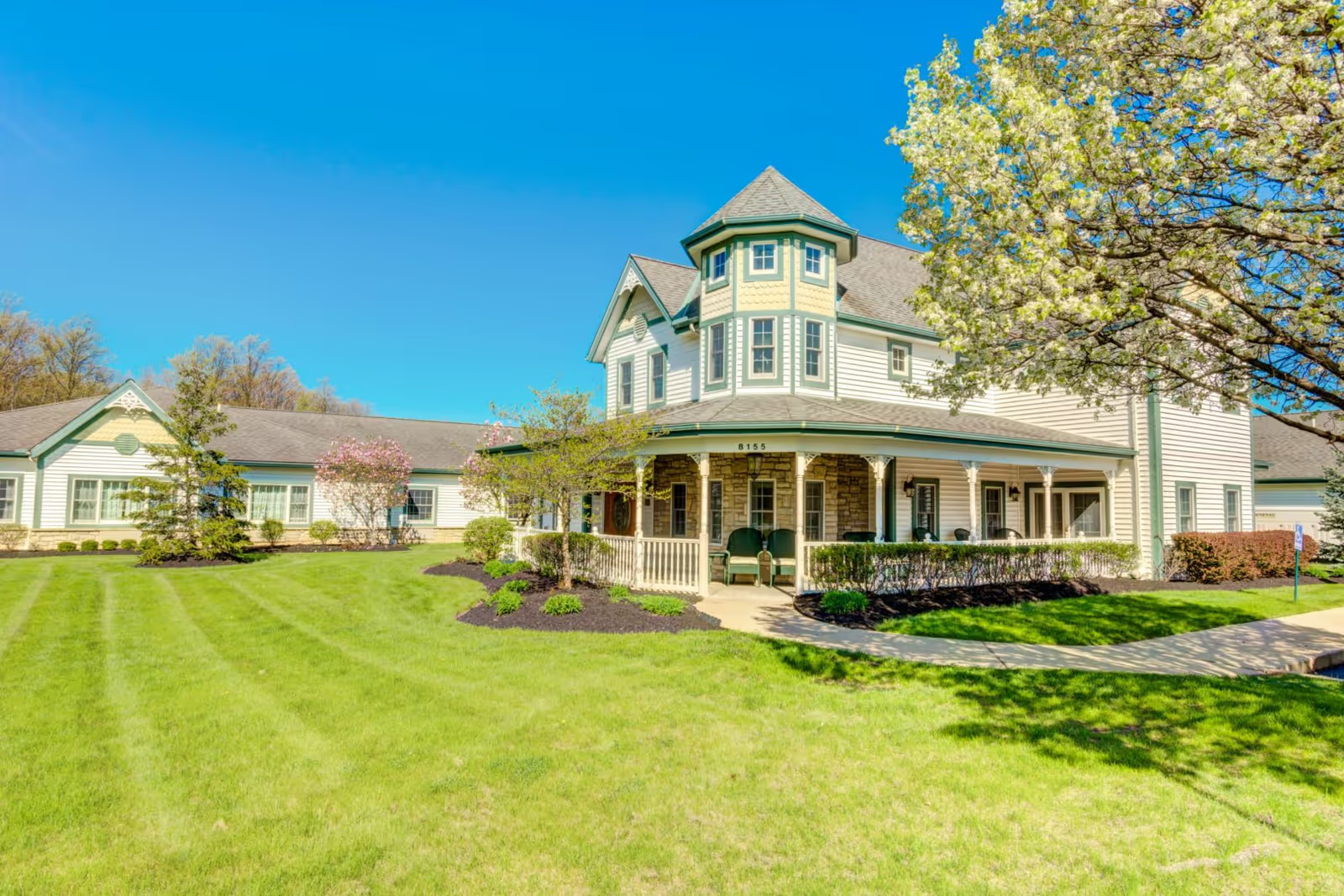
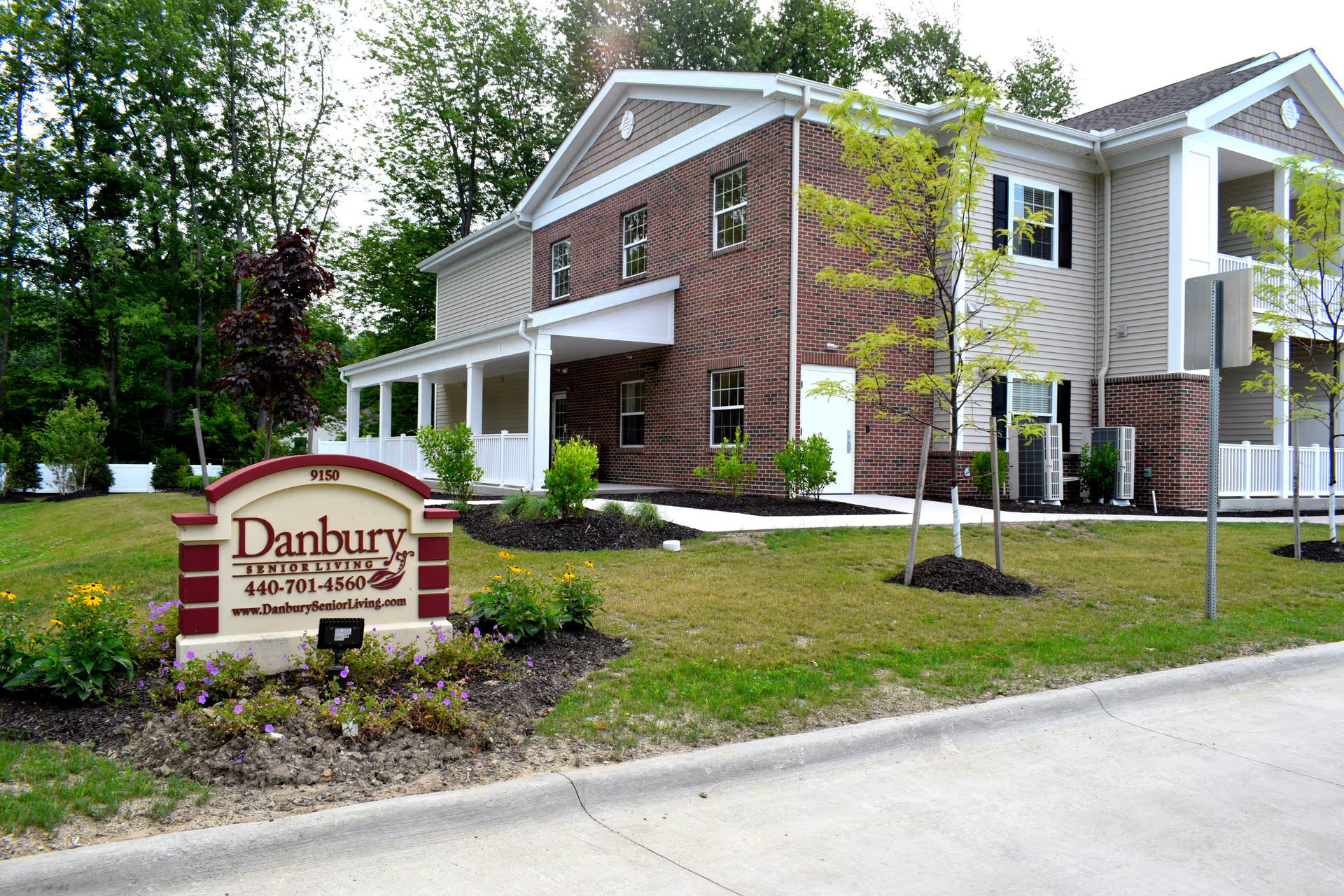
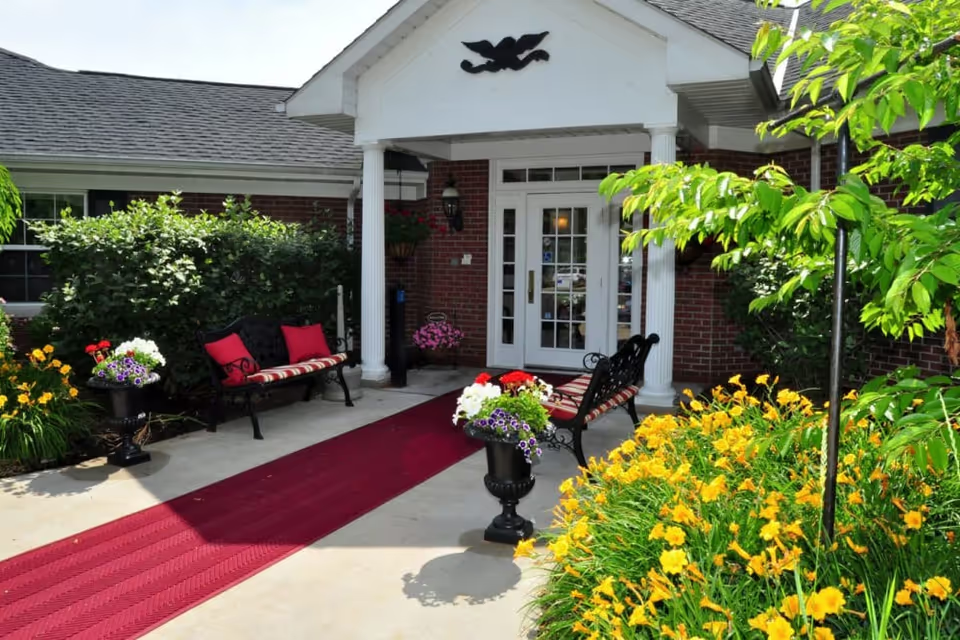
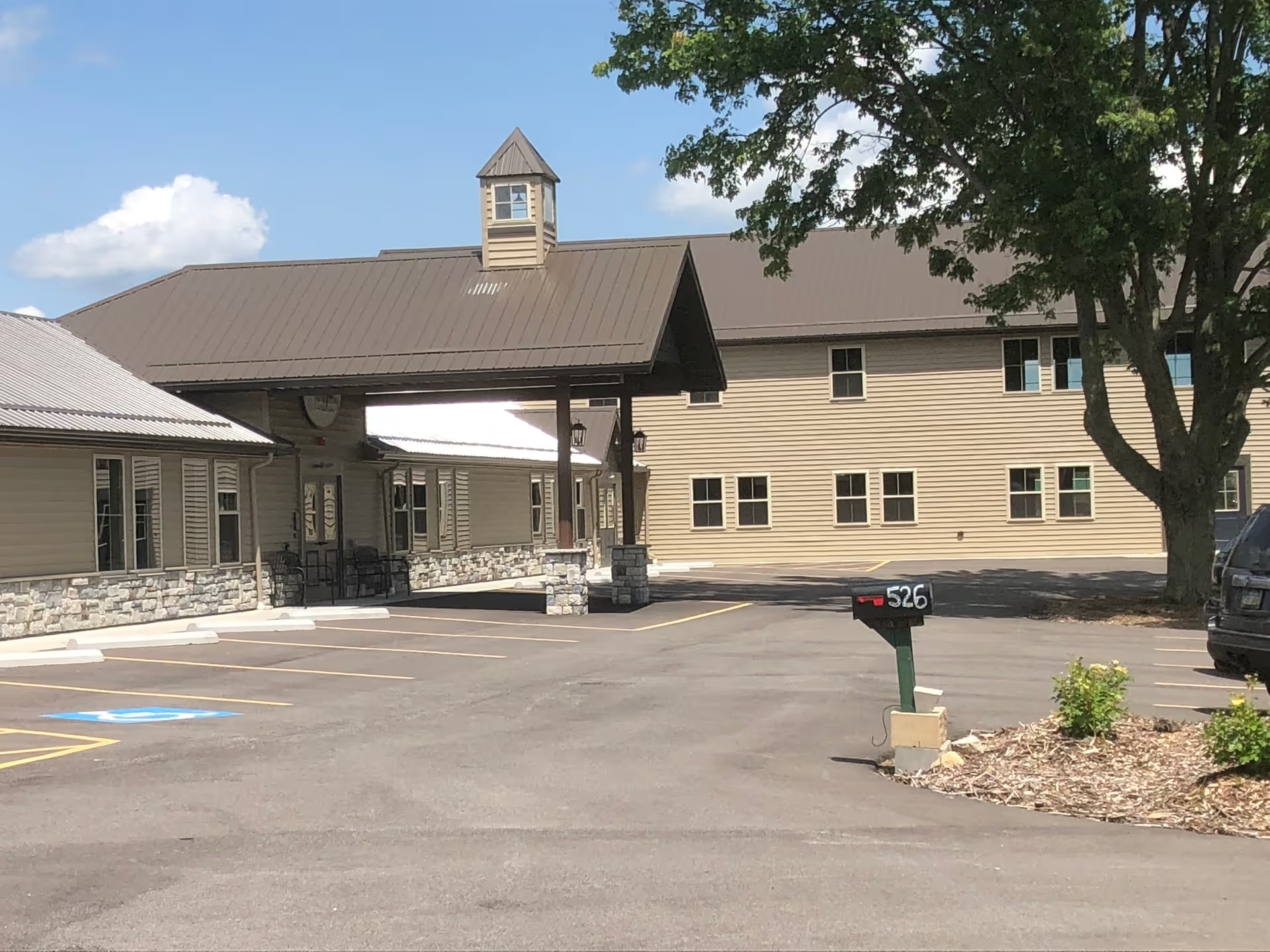
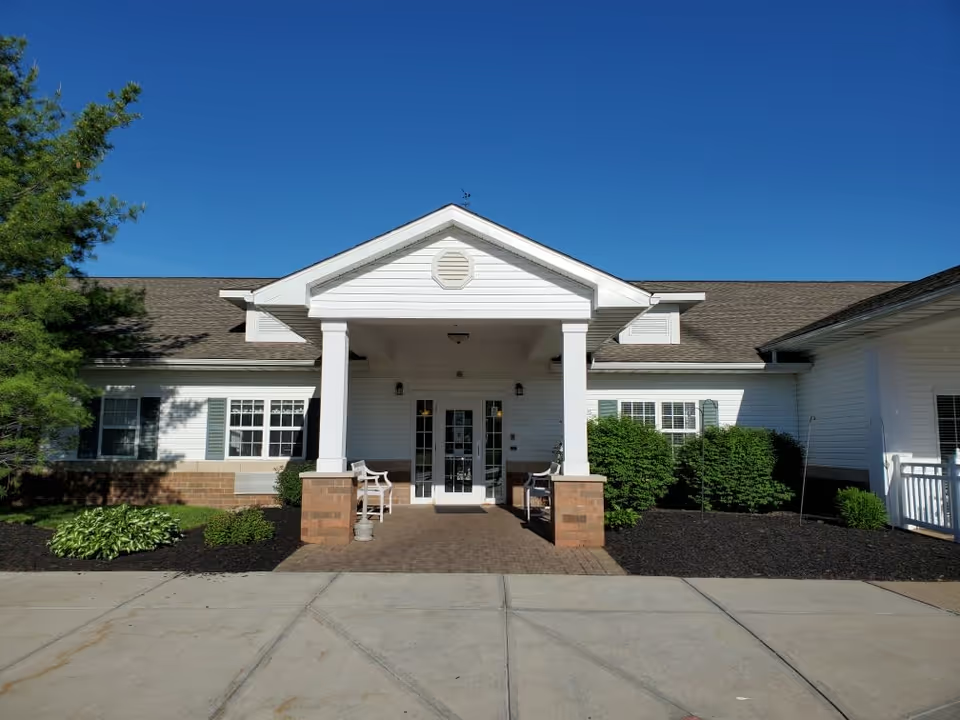
Concord Village presents a polarized profile in these reviews: the facility’s therapy departments and many direct-care aides receive consistent praise, while clinical and operational areas show repeated weaknesses. Physical and occupational therapy are frequently described as strong contributors to functional improvement, and multiple families highlighted compassionate, attentive nursing aides and supportive rehabilitation staff. The facility’s new, modern design, private rooms, pleasant grounds, and a welcoming front desk and social services presence are also noted as strengths, and pet visits and proximity to a hospital are convenient features for some families.
However, a substantial theme across narratives is variable nursing and clinical follow-through. Several families described inconsistent nursing care quality, including long delays responding to call lights, delayed or missed medications, and uneven wound- and infection-management practices. These concerns are associated with clinical consequences in some accounts, and reviewers specifically called out problems with timely antibiotic administration, wound-vac care, and monitoring of lines and oxygen delivery. Safety-management issues such as falls and transfer-related problems were also described as patterns to watch.
Operationally, staffing and communication are recurring weaknesses. Many families reported chronic understaffing, staff distraction (for example staff on phones), and long wait times for assistance. Communication gaps surfaced at multiple levels: inconsistent documentation, family-notification failures, errors or omissions in electronic records (including changes in primary physician not reflected in charts), and variable social-work coordination. Discharge planning and aftercare processes were frequently described as unreliable, with some families encountering billing or appeal difficulties and limited assistance with transitions to home or hospice.
Facility maintenance and dining received mixed feedback. Several reviewers praised a clean, modern facility and appealing food, while others raised sanitation and pest-control concerns in specific rooms or corridors and described inconsistent housekeeping and laundry service. Activity participation and daily-living assistance also varied: some residents engaged in activities and rehabilitation, while others were said to receive minimal therapy or to be left without routine bathing and hygiene support.
Management and leadership impressions were inconsistent: some families found social-work staff and managers responsive and helpful, whereas others experienced difficulty reaching administrators, exchanges perceived as unapproachable, or concerns about staff accountability. Staffing turnover and variability in individual caregiver competency were commonly mentioned as contributing factors to inconsistent experiences.
Overall, Concord Village appears to deliver strong rehabilitation services and benefits from a modern, well-appointed environment, but prospective residents and families should be alert to patterns of inconsistent nursing care, operational shortfalls related to staffing and communication, and variable housekeeping and clinical follow-through. When evaluating placement, consider asking targeted questions about staffing ratios, call-button response benchmarks, medication administration procedures, wound- and infection-management protocols, discharge and hospice coordination, and recent pest-control and housekeeping audits. A pre-admission visit to observe nursing shifts, therapy sessions, and housekeeping routines can help gauge whether the facility’s strengths align with a prospective resident’s needs.