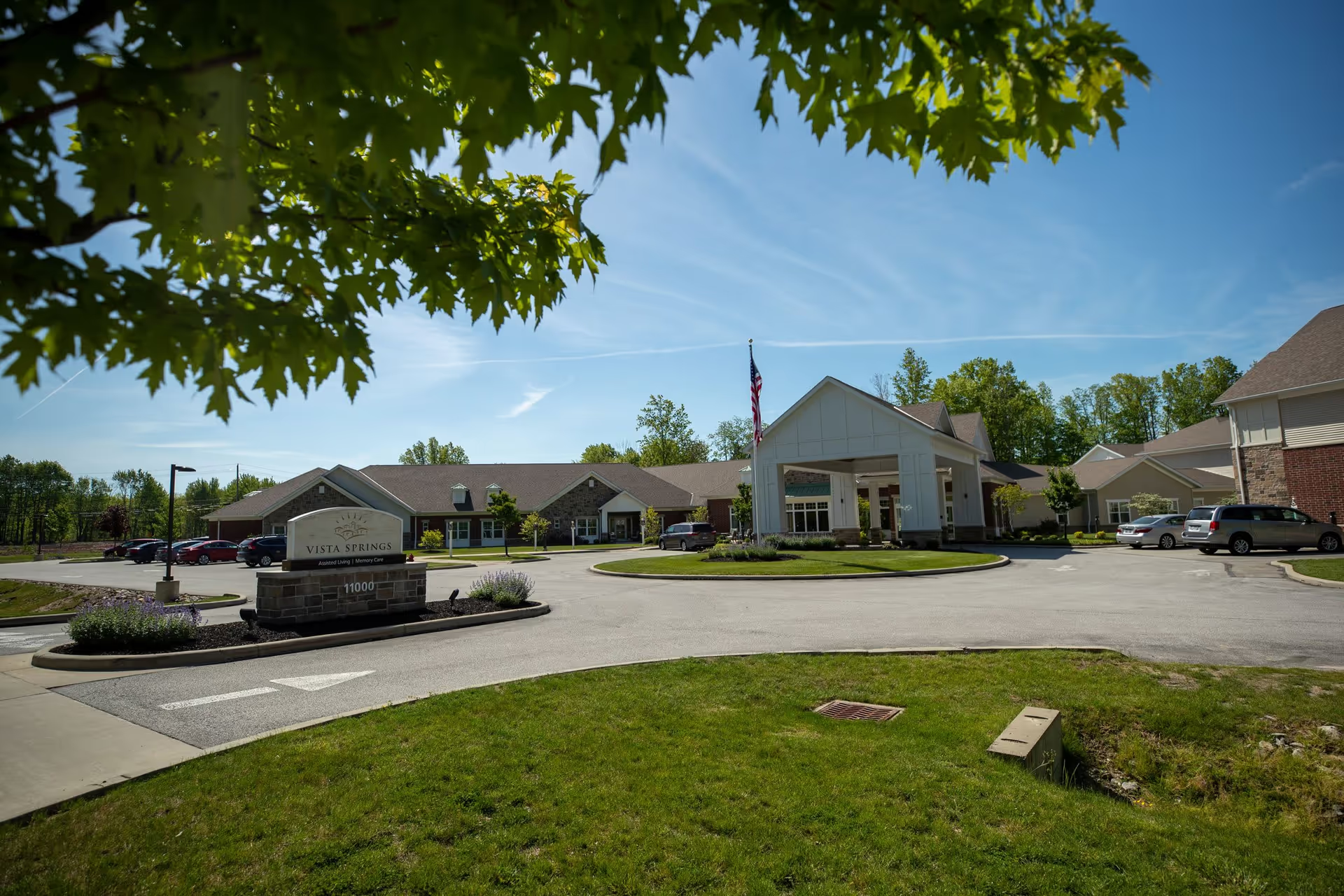
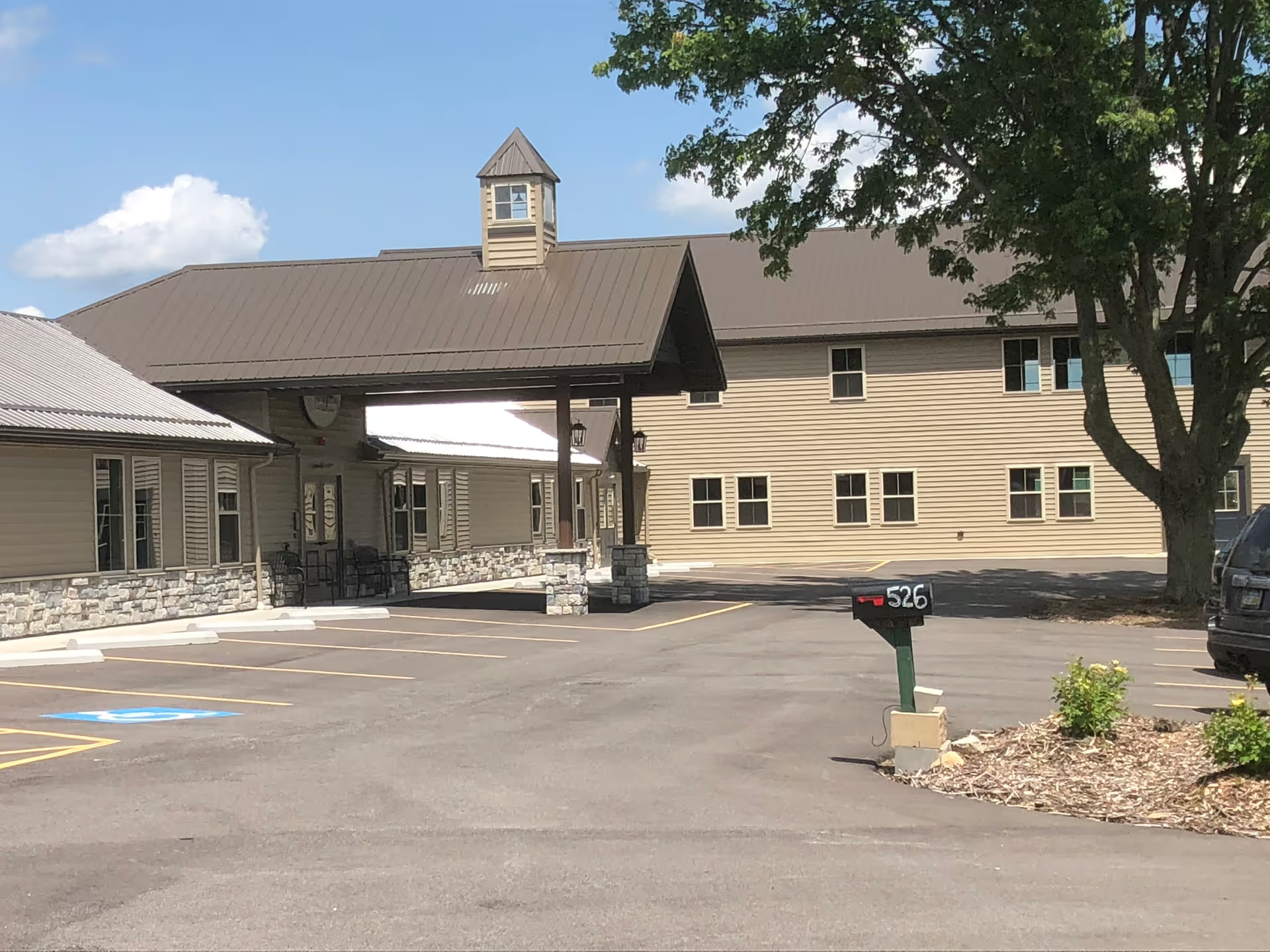
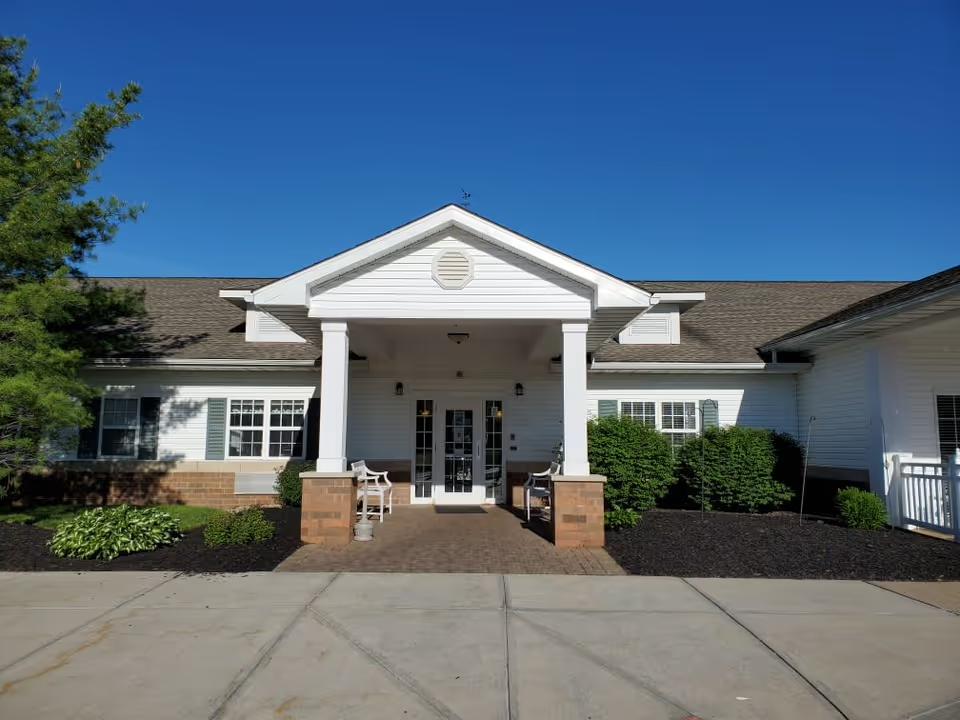
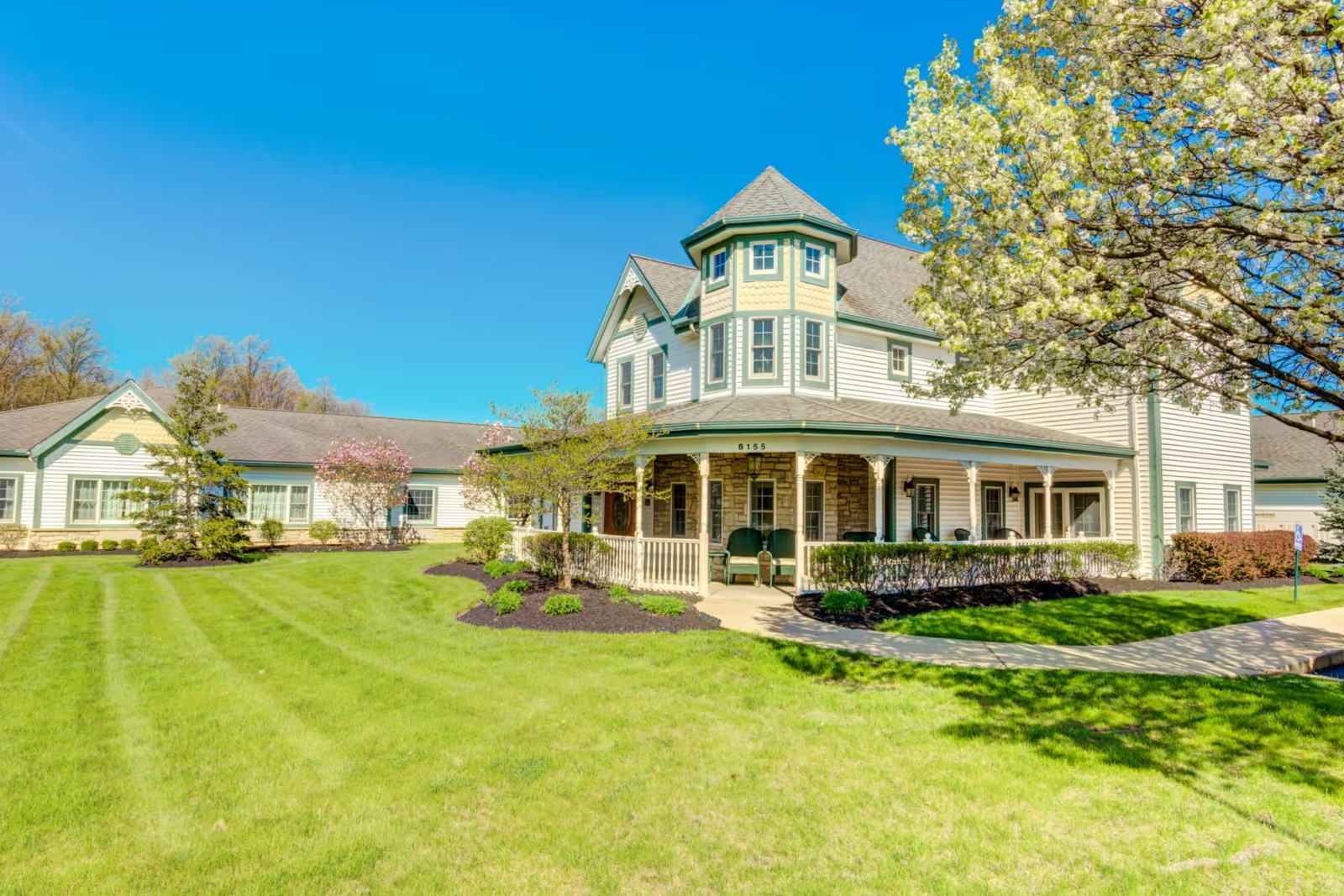
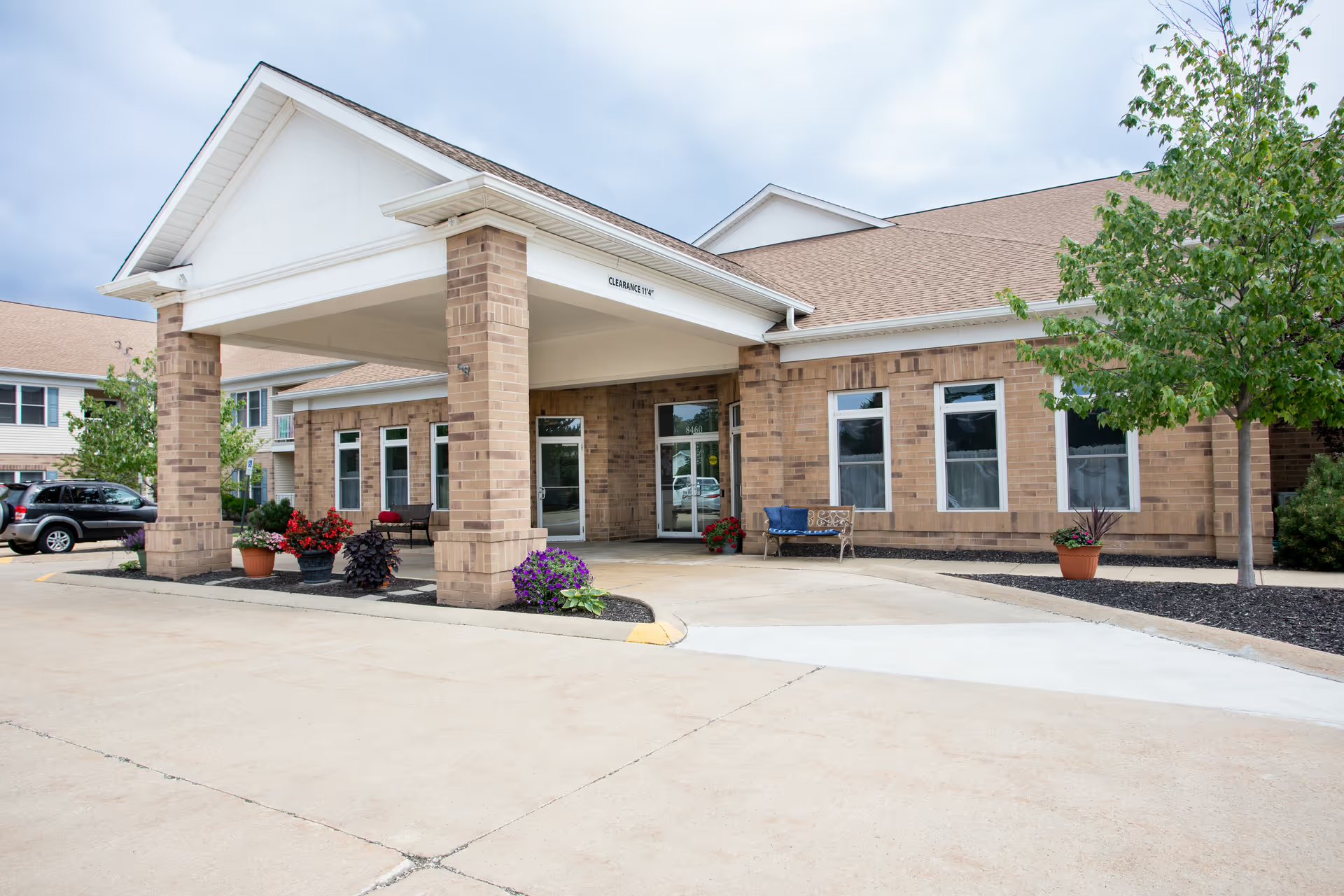
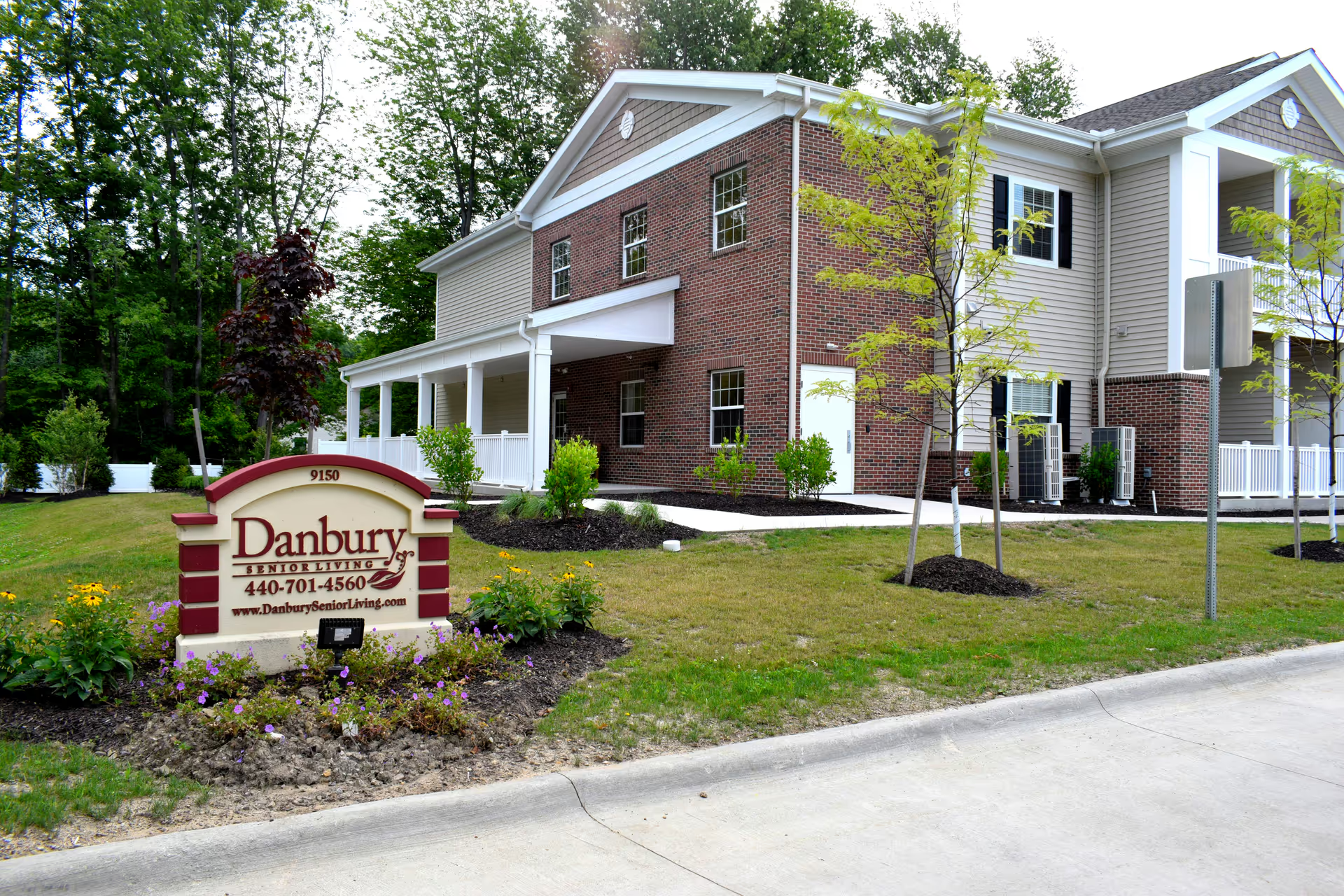
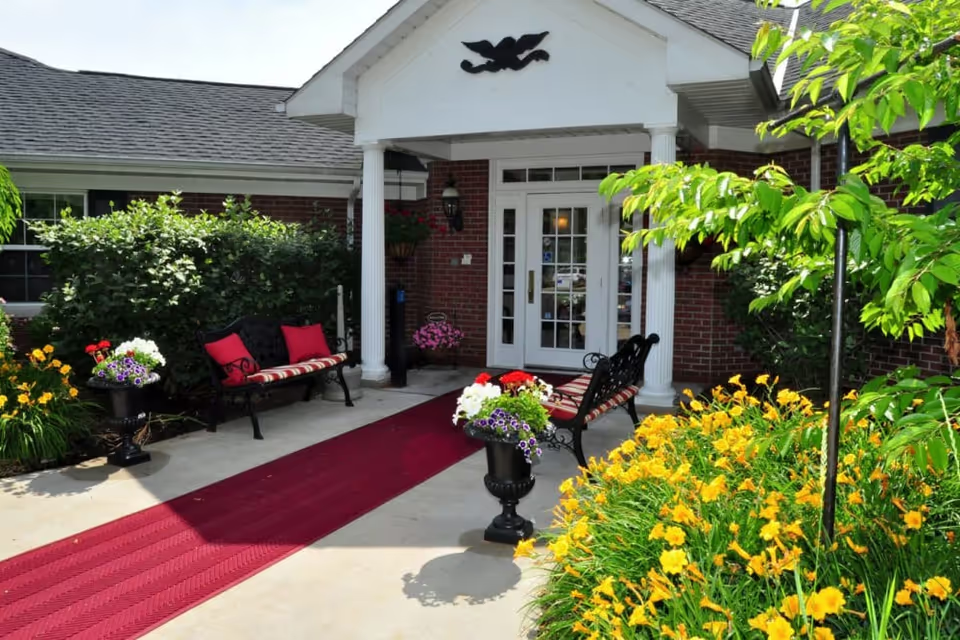
This facility is described predominantly as a small, converted house that emphasizes a family-style, homelike environment. Many families praise the compassionate demeanor of caregivers, individualized attention, and a close-knit communal atmosphere. Residents and relatives frequently note music-based group activities such as piano sing-alongs, occasional local outings and concerts, yoga classes, and access to on-site physical and occupational therapy. The single-floor, wheelchair-accessible layout, screened porch and a large common living room are highlighted as comfortable, social spaces appropriate for residents who benefit from a smaller, less institutional setting.
Care quality assessments are mixed. Positive accounts describe staff who are gentle, respectful and willing to go beyond basic duties; some families report measurable improvements in mobility and mood. At the same time, multiple reviewers indicate limited clinical nursing presence and gaps in caregiver training for more complex personal-care needs. These operational shortcomings are linked to inconsistent supervision, staff turnover, and uneven attention to residents with higher dependency levels. A few families raised medication-management concerns; prospective families should clarify medication oversight and protocols during a visit.
Dining and food-service also show variability. The facility’s small kitchen and limited capacity appear to constrain fresh meal preparation for some residents, with several accounts describing reliance on processed or pre-prepared foods and difficulty accommodating low-salt or low-fat therapeutic diets. Other families appreciated individualized accommodations and staff willingness to address preferences. Those for whom specialized nutrition is a priority should request current menus, sample meal plans, and information on how dietary needs are accommodated.
Activity offerings reflect the advantages and limits of a small provider: regular music and social activities are meaningful strengths, but weekday programming and variety can be limited compared with larger communities. The small size facilitates personalized social interaction but may not support a broad recreational calendar.
Facility and management patterns include strengths in cleanliness of grounds and common areas, but there are also concerns about bathroom and bedding maintenance in some units. The home-like layout results in smaller private rooms and shared bathrooms for some residents; this can be unsuitable for persons with frequent toileting needs or those requiring more private facilities. Security was raised as a concern in at least one account citing a past robbery; families should ask about current security measures and incident-response procedures. Management appears owner-operated with a family-staff model; this contributes to a personal atmosphere but may also limit formal clinical oversight and administrative supervision.
Bottom line: this facility may be a good fit for people who prioritize a small, friendly, home-like environment and individualized social interaction, and whose care needs are moderate rather than highly medicalized. Prospective families should conduct an in-person visit and ask specific questions about licensed nursing coverage, staff training and turnover, medication-management protocols, meal preparation and therapeutic-diet capability, bathroom access for higher-dependency needs, sanitation practices, activity schedules, and security procedures before deciding.