Reviewer feedback for The Orchards of East Liverpool is polarized, with many families and patients describing high-quality clinical and rehabilitative care while others raise operational concerns that affect day-to-day experience. The facility receives repeated praise for its short-term rehab programming and coordination with hospital-level care; several accounts emphasize knowledgeable nurses, helpful clinical staff, and effective therapy services. Multiple reviewers characterize front-line caregivers as warm, welcoming, and family-oriented, and the facility's dining and housekeeping are frequently noted positively.
At the same time, a distinct set of reviews identifies variability in care delivery. These accounts point to inconsistent staff responsiveness, occasional delays in attending to residents' needs, and concerns about how staff communicate with families and residents. Such reports suggest variability across shifts or units rather than a uniform pattern; they highlight potential safety risks when assistance or basic care is delayed and raise questions about consistency in meeting residents' hydration and other fundamental needs.
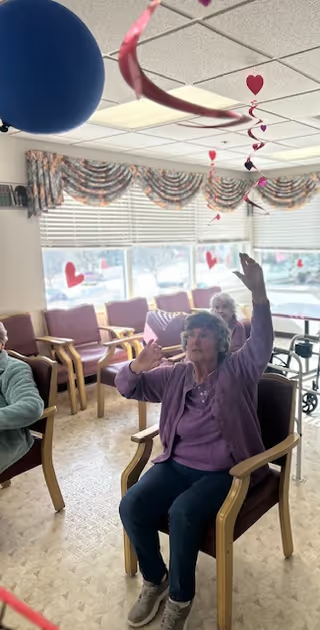
Dining and activities are described more positively than negatively. Meal quality is commonly praised, and the inpatient rehabilitation focus appears to be a strength, with reviewers noting effective therapy and readiness for discharge in many cases. Direct commentary on recreational programming and activities is limited in the available summaries, so assessments of social and leisure offerings are less conclusive.
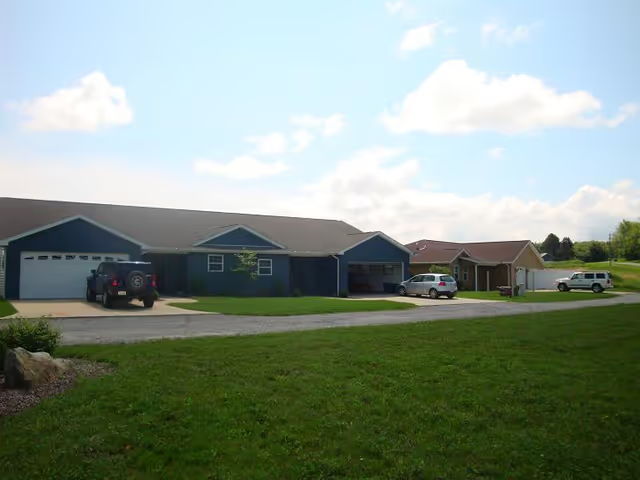
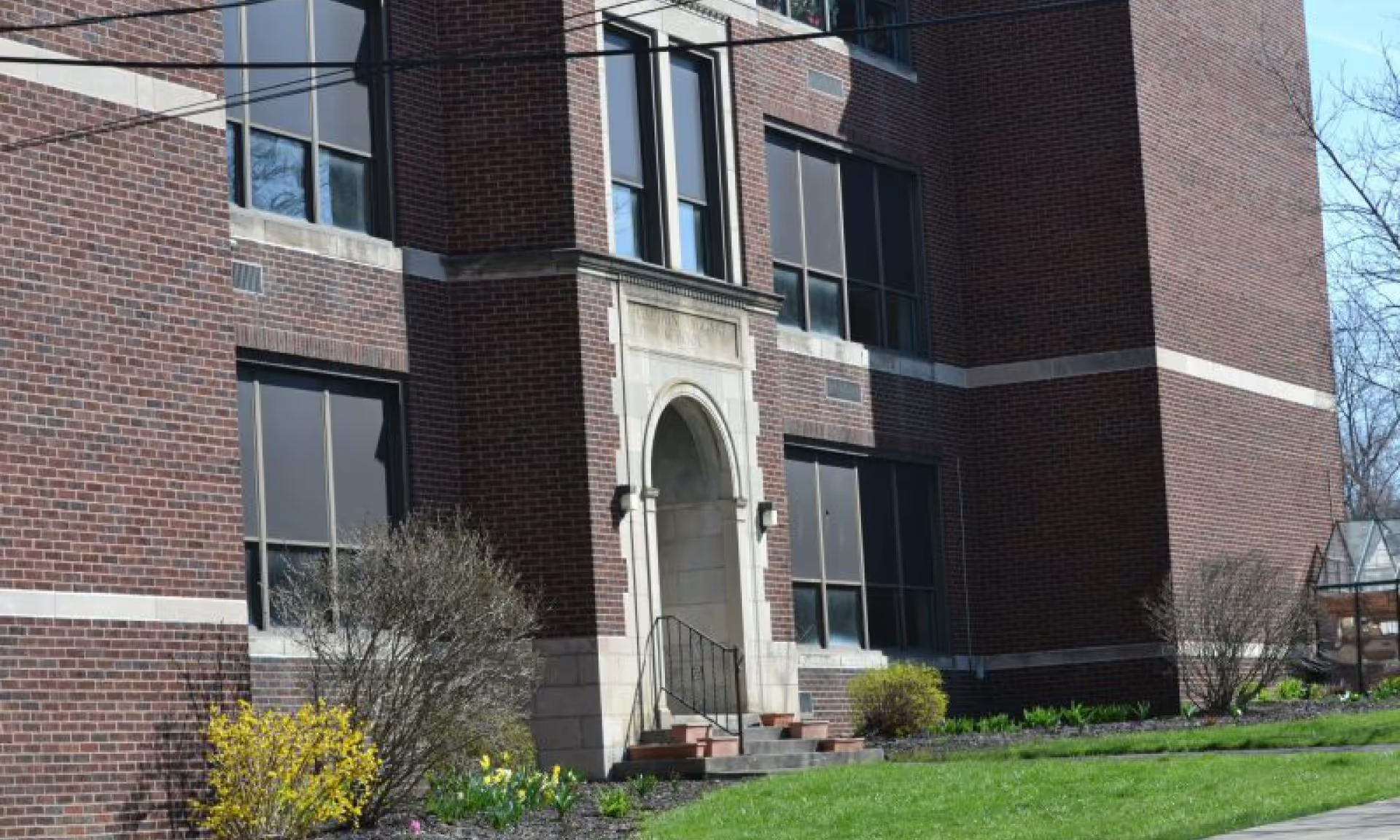
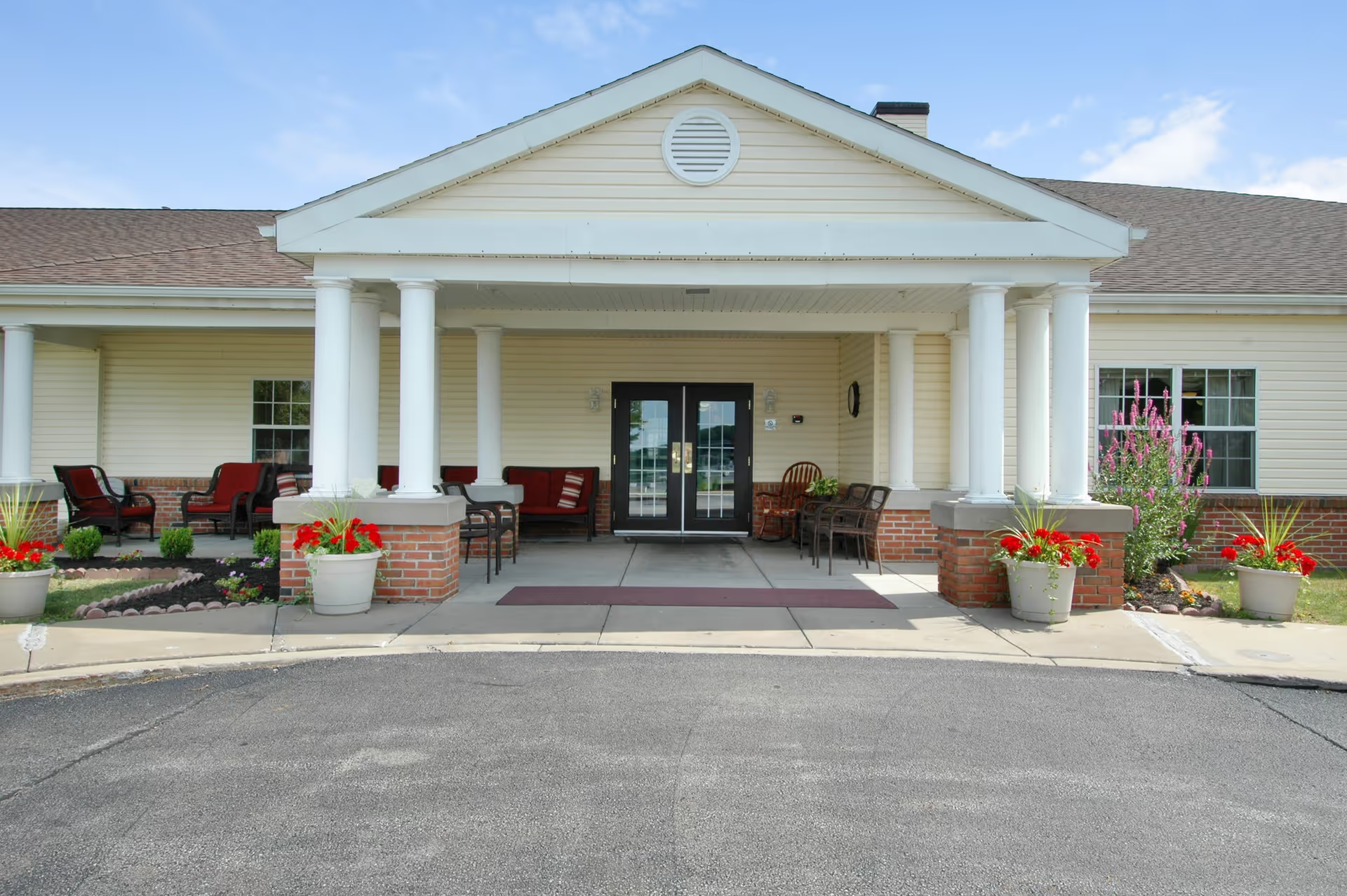
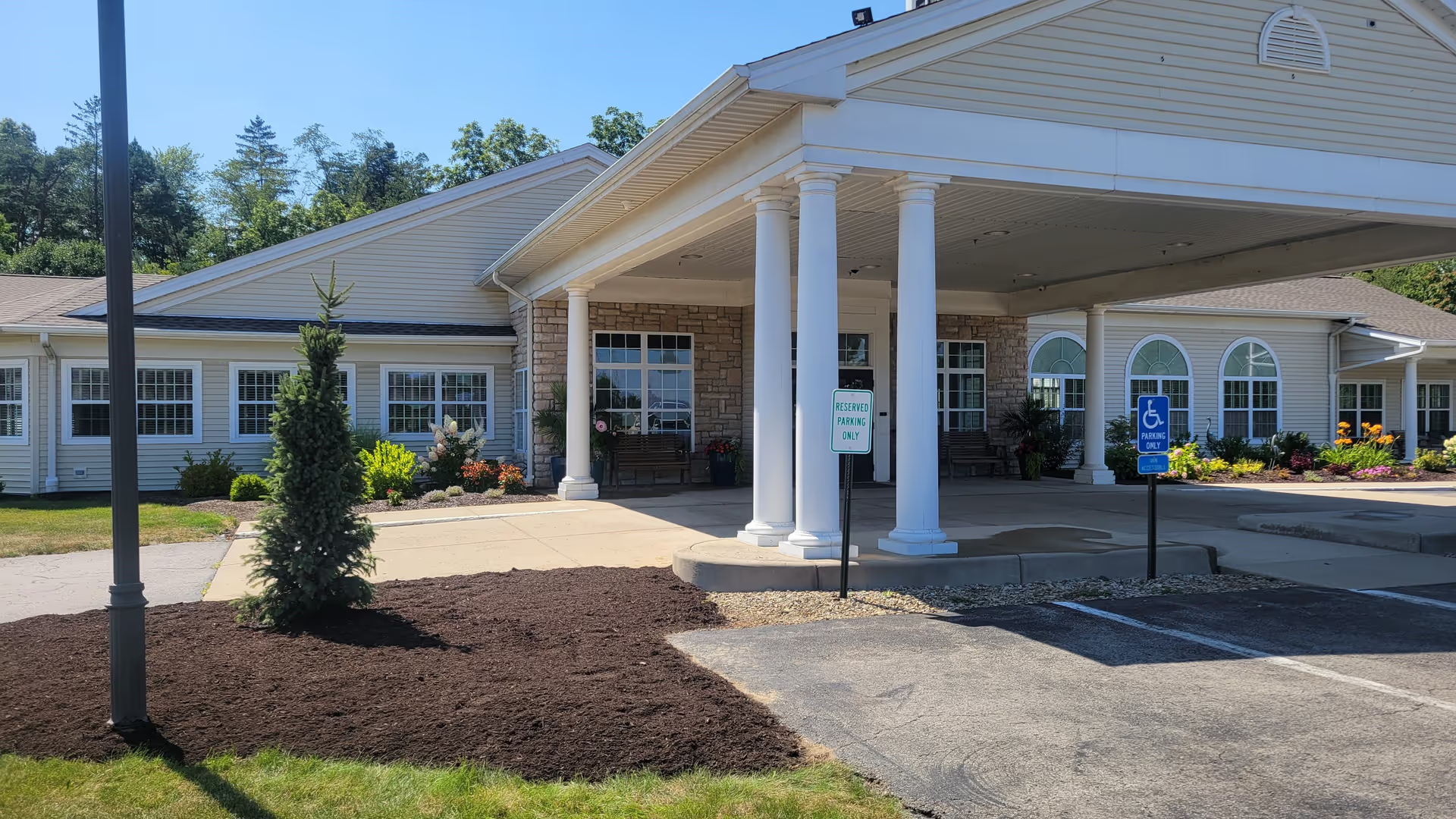
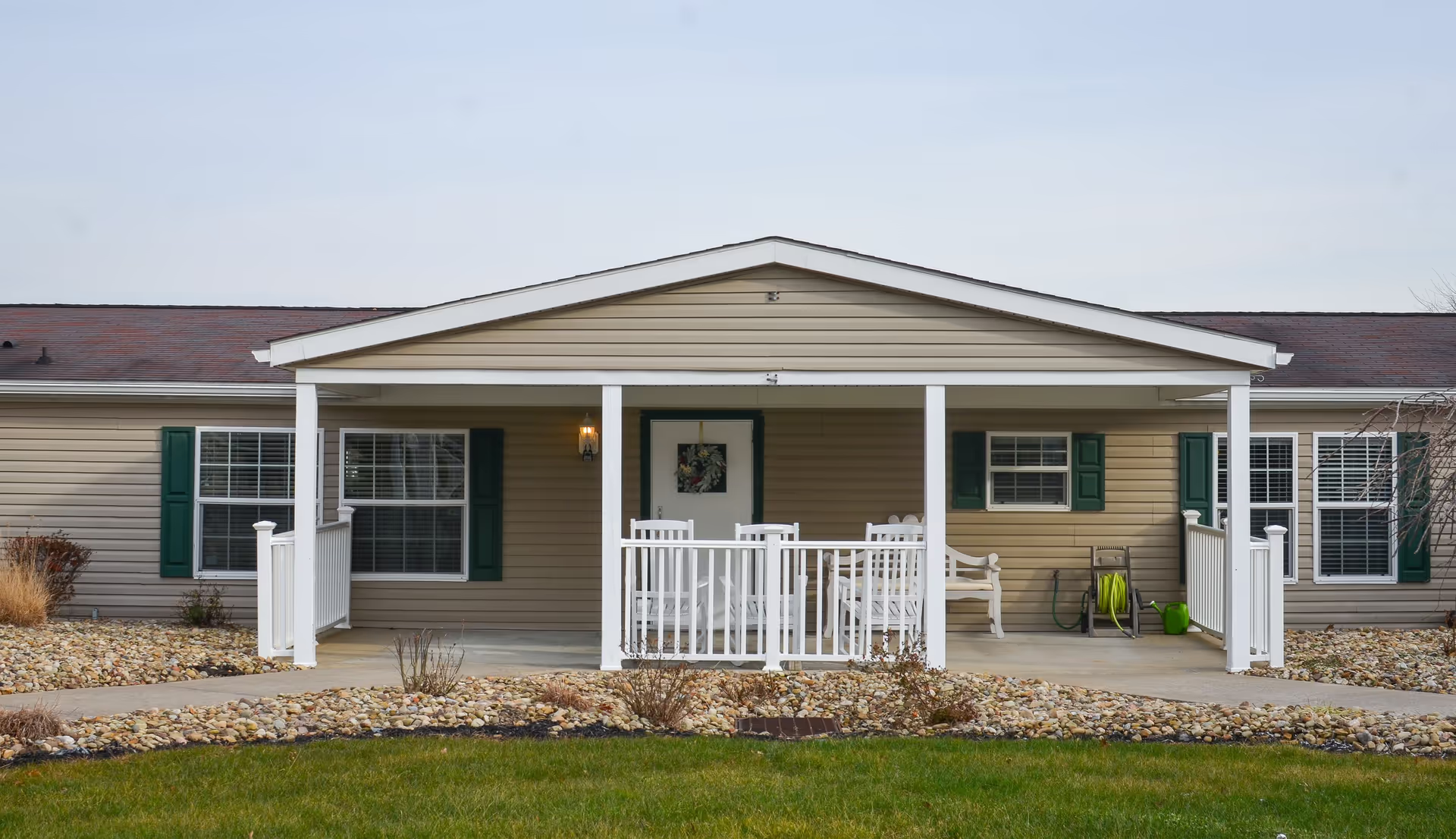
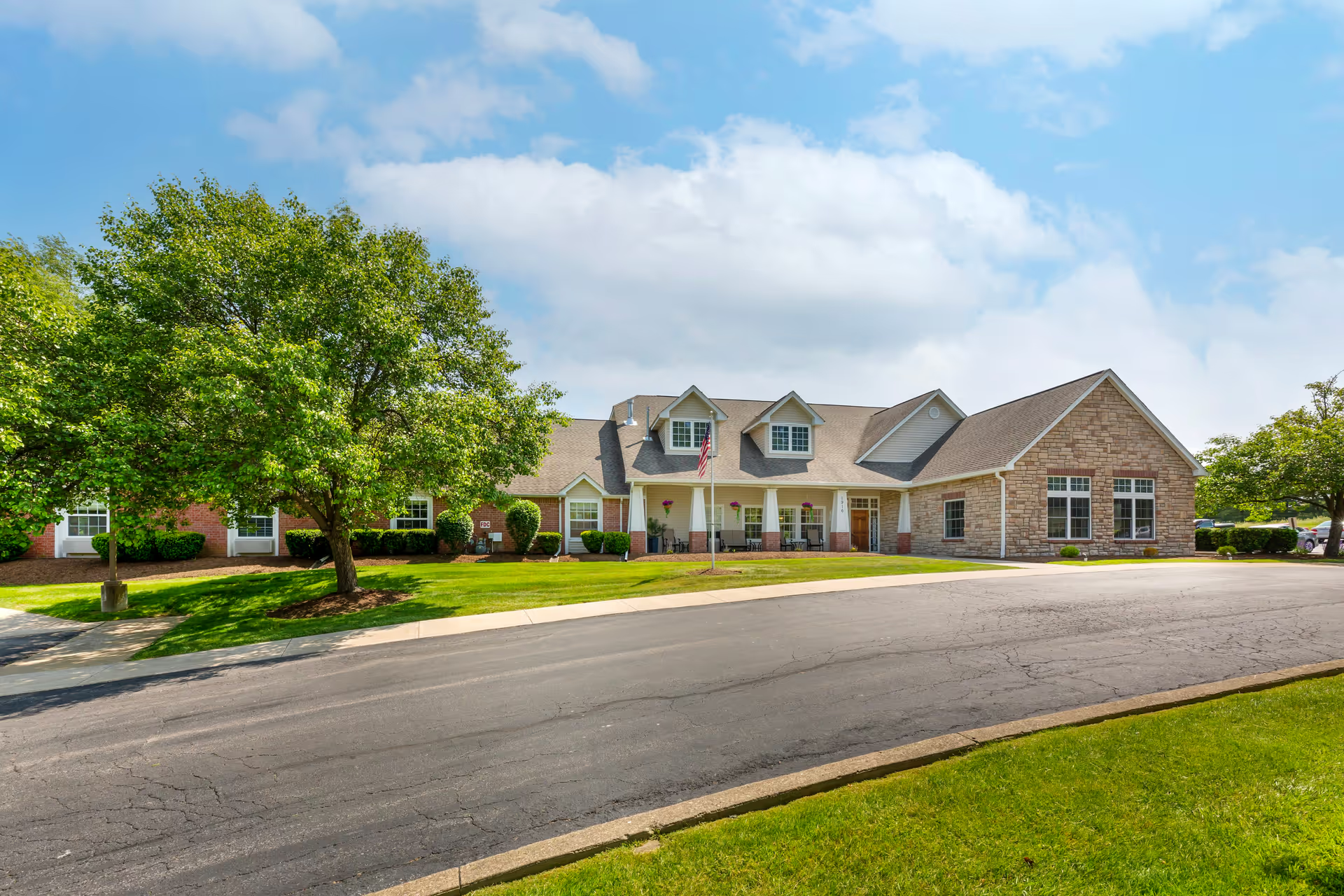
Facility condition feedback is mixed: many reviewers describe a clean, bright, and well-kept environment, while others identify pest-control concerns and room-level sanitation issues. Some describe parts of the environment as institutional or lacking homelike warmth, indicating variability in how residents experience communal and private spaces.
Comments about management and transparency are notable. Families cite gaps in communication and occasional questions about the accuracy or completeness of information provided by staff. These concerns, combined with the variability in responsiveness, point to potential opportunities for stronger family communication protocols, more consistent staffing patterns, and more proactive environmental maintenance (including pest-control measures).
Overall, The Orchards of East Liverpool appears capable of providing high-quality rehabilitation and compassionate care for many residents, with strengths in nursing, therapy, and meal service. Prospective residents and their families may benefit from direct observation during a visit: assess staff responsiveness across different times of day, ask about hydration and basic-care protocols, inquire about pest-control and maintenance practices, and review the facility's communication processes for family updates. These steps can help clarify whether the facility's positive attributes align with an individual resident's needs and expectations.