Overall impression: Celebration Villa of Chippewa elicits strongly mixed but consistent themes. Many families and visitors describe a clean, attractive community with a warm, home-like atmosphere; an enthusiastic and caring direct-care staff; and a broad lineup of social programming and meals that residents enjoy. At the same time, recurring operational weaknesses—most notably inconsistent staffing and specific gaps in care for residents in memory support—warrant attention for prospective families.
Care quality: Clinical performance appears variable. Several accounts highlight attentive nursing, instances of prompt clinical response and even life-saving interventions, regular physician rounds, available therapies, and coordinated hospice care. Conversely, there are substantive concerns about medication-management processes and inconsistent personal-care delivery (including bathing and timely brief changes). Falls and transfers have led to hospitalizations in some cases, indicating opportunities to strengthen falls-risk protocols and transfer-safety practices. Families should ask about nursing ratios, medication safeguards, and fall-prevention measures during a tour.
Staff and leadership: Staff are frequently described as compassionate, friendly, and willing to go above and beyond—qualities that many families identify as a primary asset. Admissions and marketing staff are often singled out for being supportive and helpful with transitions. However, reviewers also describe inconsistent staffing coverage (evenings, weekends) and signs of staff retention or leadership-direction challenges. Communication tone from some clinical staff and variability in responses to family concerns are other operational weaknesses noted. Prospective families may want to meet both direct-care and supervisory staff and inquire about turnover rates and supervisory oversight.
Dining and nutrition: Dining is commonly cited as a strength. Reviewers praise varied menus, appealing presentation, restaurant-style dining, and an engaged dining staff. Several positive mentions include special events and social dining experiences. At the same time, there are complaints about meal-service continuity and specific meal practices (for example, restrictive timing policies and occasional limited menu choices), which have led to dissatisfaction in certain cases. Clarify meal schedules, options for residents with variable routines, and special-diet accommodations when evaluating the community.
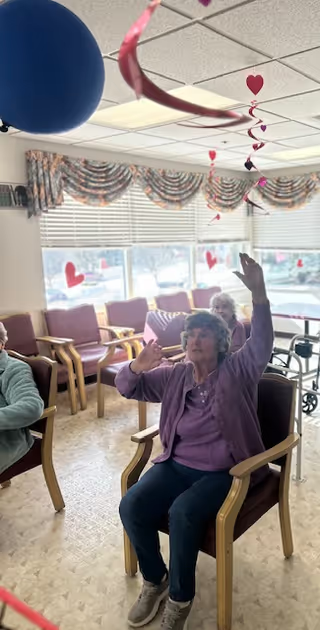
Activities and social life: Activity programming is a clear asset in the assisted-living side of the community: music, outings, games, devotional services, and special events are frequently noted and appear to support strong social engagement. Memory care programming, however, is described as less robust and sometimes not well aligned with residents’ needs; families should evaluate memory-care activity staffing, program content, and how the community differentiates programming by cognitive level.
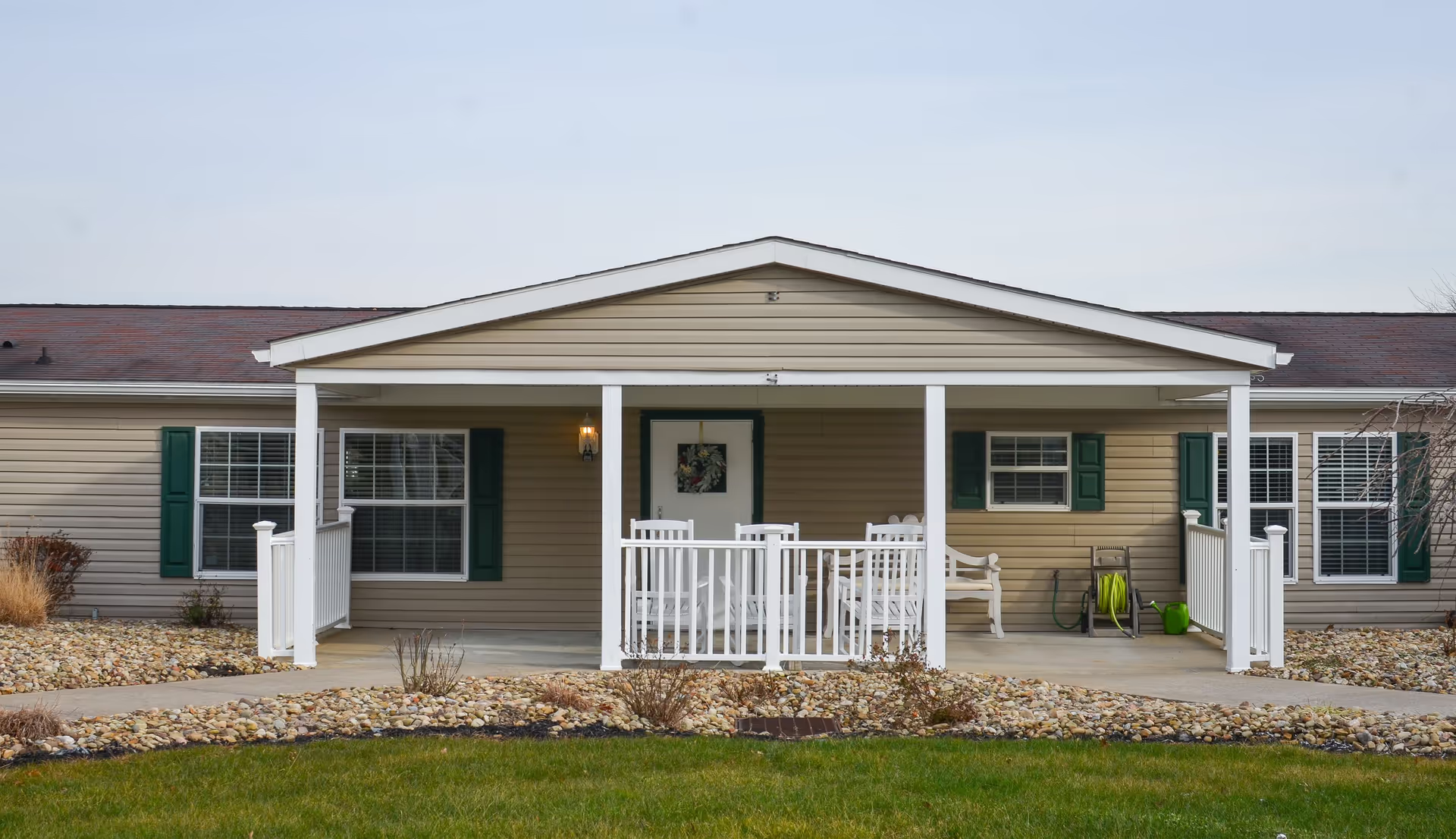
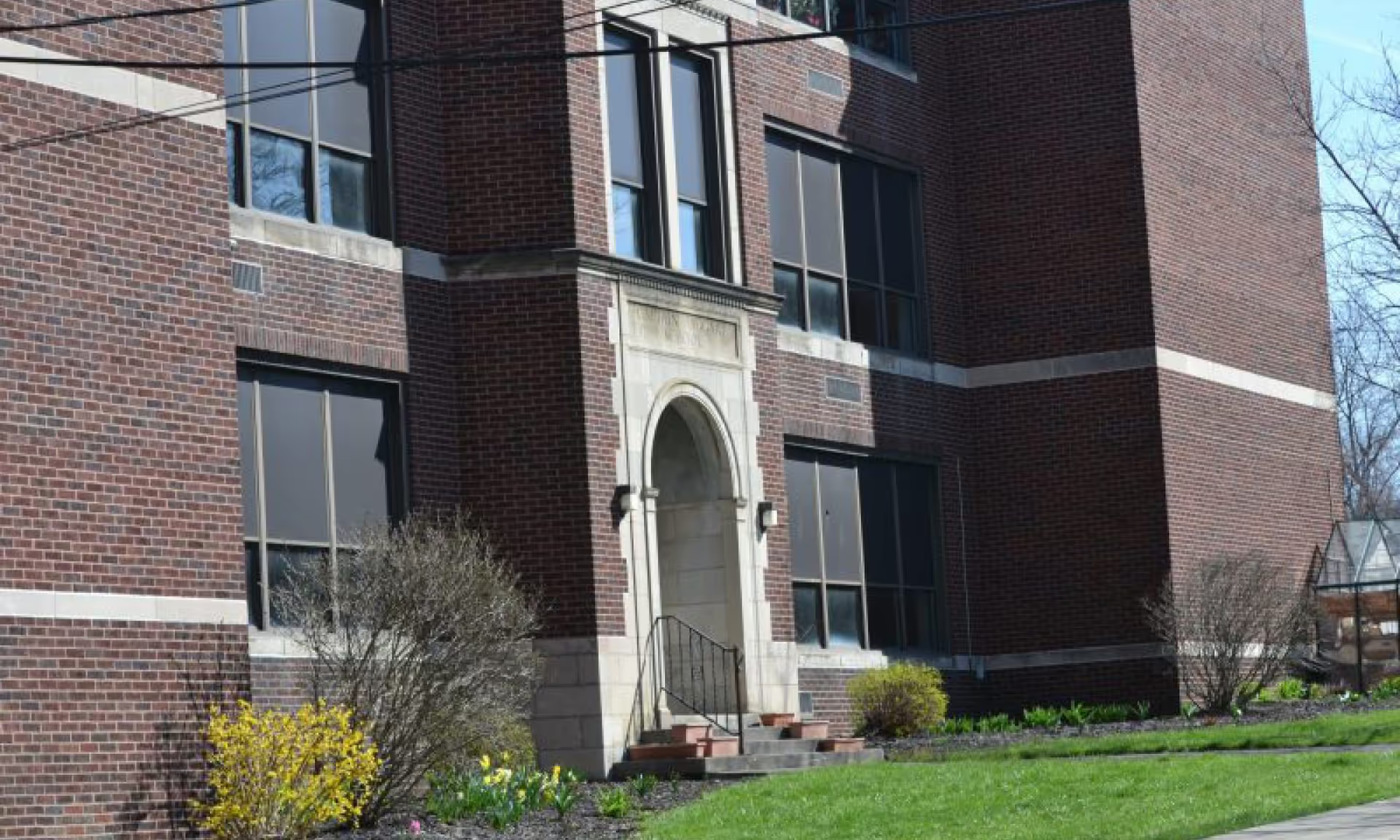
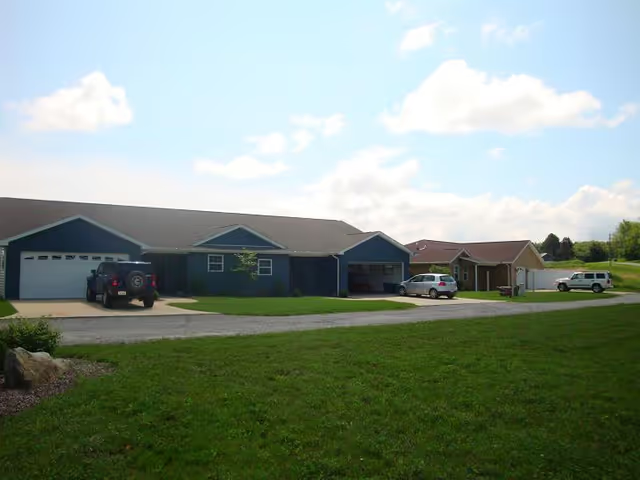
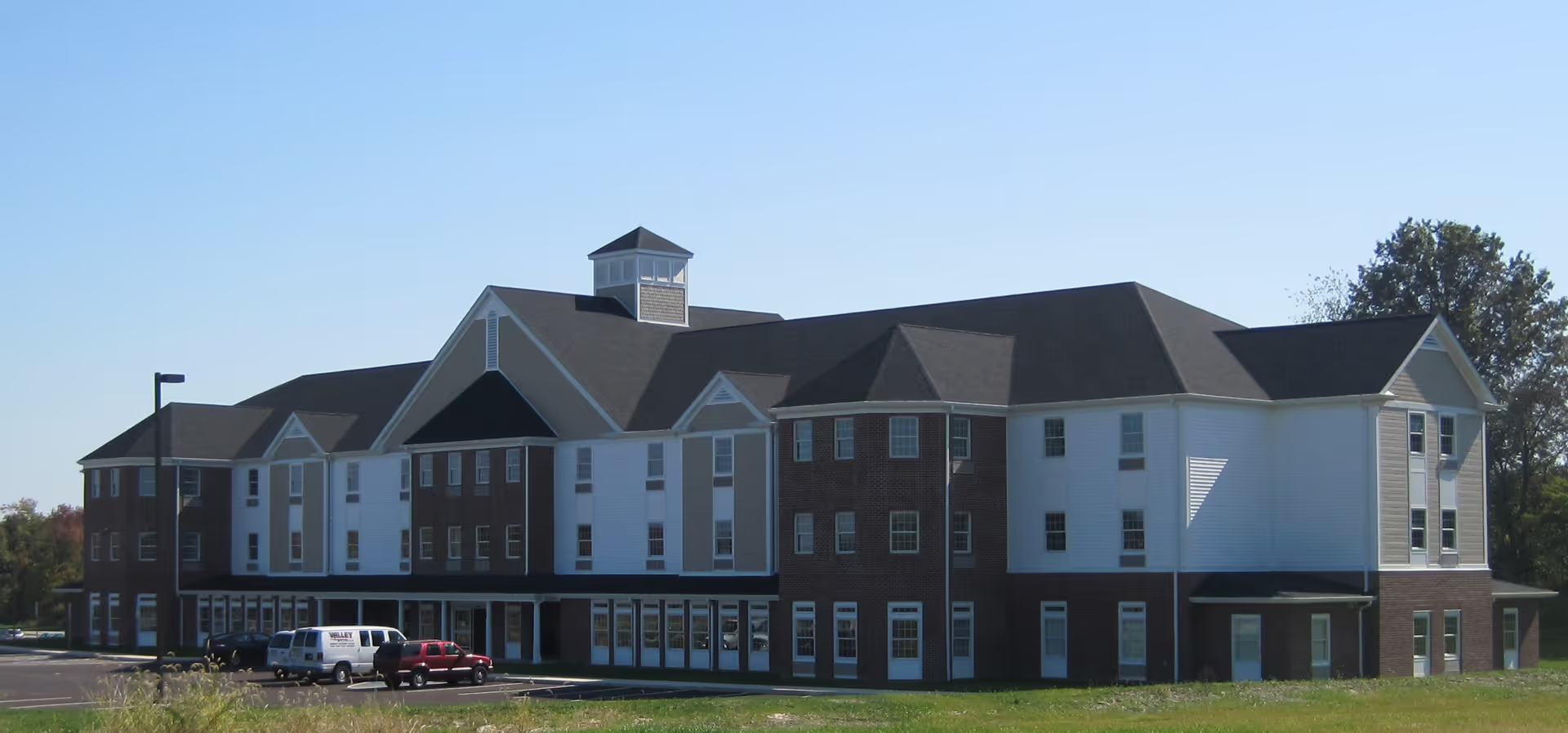
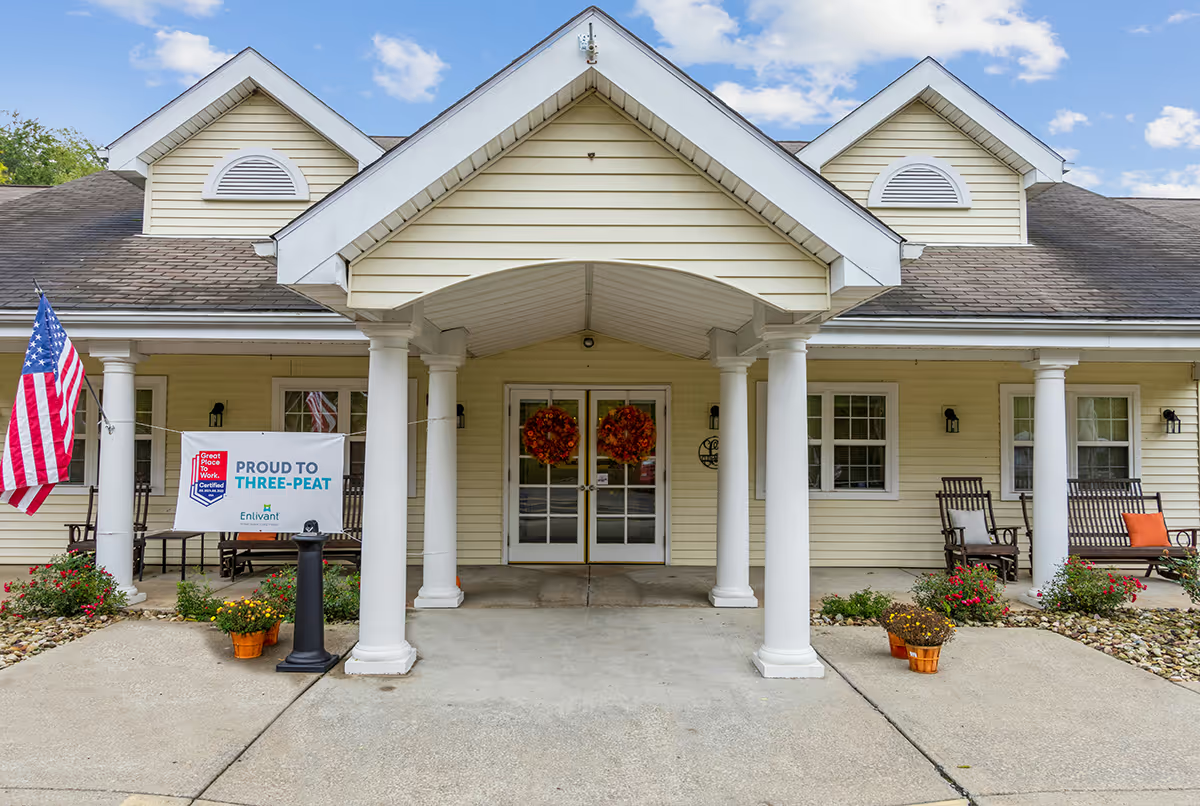
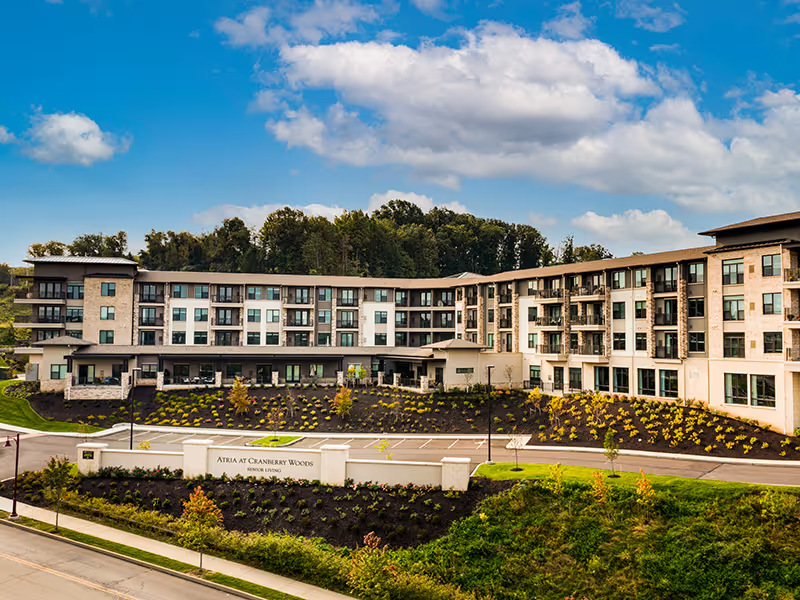
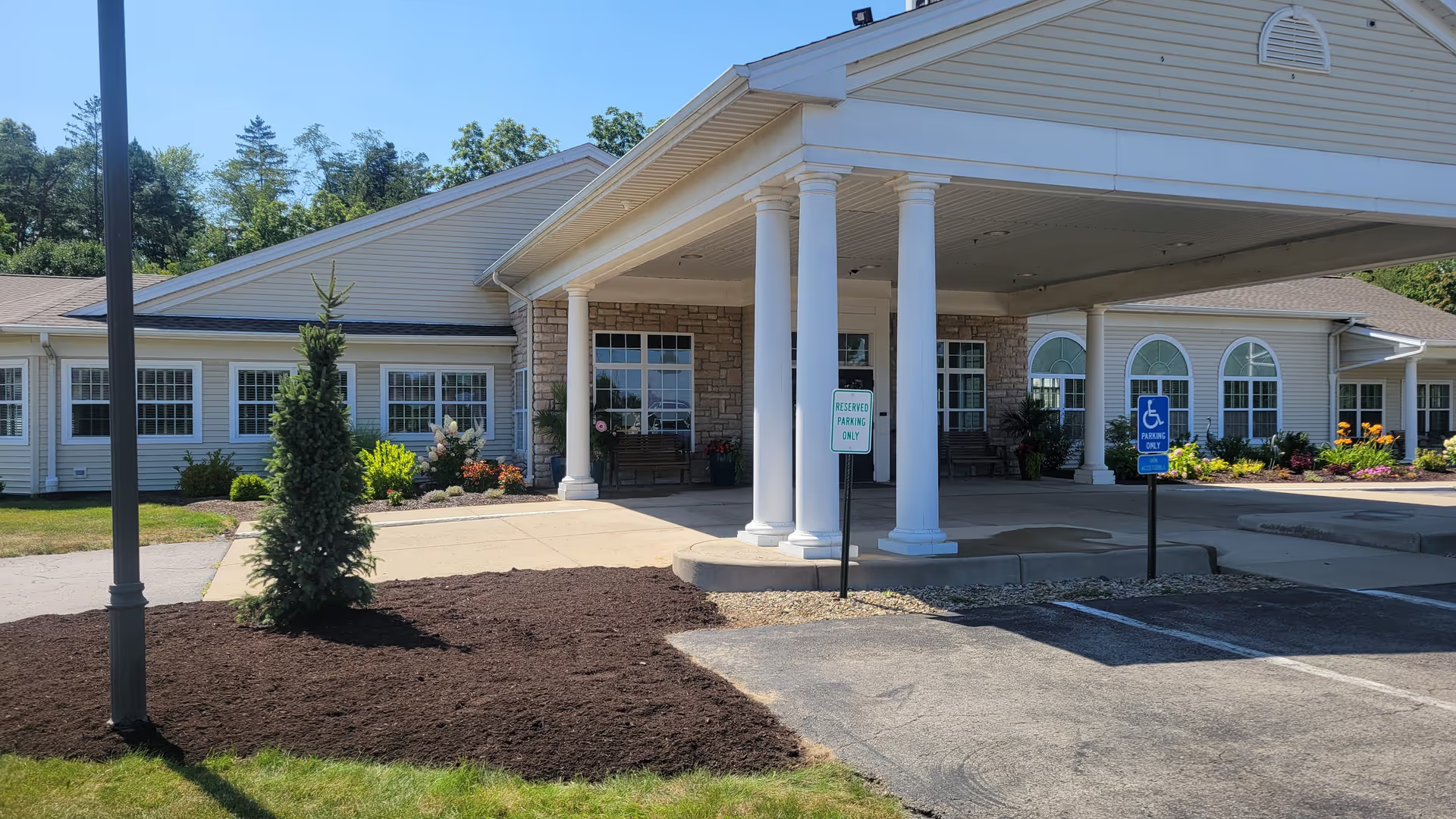
Facilities and environment: The campus is consistently described as clean, modern, and attractively maintained, with pleasant common areas and outdoor spaces. Private and spacious room options, in-house salon services, and well-kept gardens are positives. Isolated sanitation and odor concerns, and some wear in memory-care furnishings, are mentioned and should be checked in person. Parking and front-desk coverage have been raised as logistical pain points.
Management and notable patterns: Management strengths include a generally responsive admissions process, available clinical partnerships (specialists, therapy, hospice), and staff who often exceed expectations. Notable operational risks include staffing inconsistency, unclear leadership direction at times, front-desk coverage gaps, and affordability concerns relative to the local market. A consistent pattern is the dichotomy between strong assisted-living experiences and more mixed reports regarding memory-care delivery.
Recommendation for prospective families: Tour the community at different times of day (weekday, weekend, evening), observe staffing levels on the units of interest, ask for specifics about staffing ratios, medication-management protocols, fall-prevention procedures, and memory-care programming. Request recent inspection or staffing metrics if available, sample menus, and clarification of meal and visitation policies. Many families report excellent experiences, but others encountered operational gaps that affected care; a targeted, time-of-day visit and direct questions about the cons above will help determine fit for a particular resident’s needs.