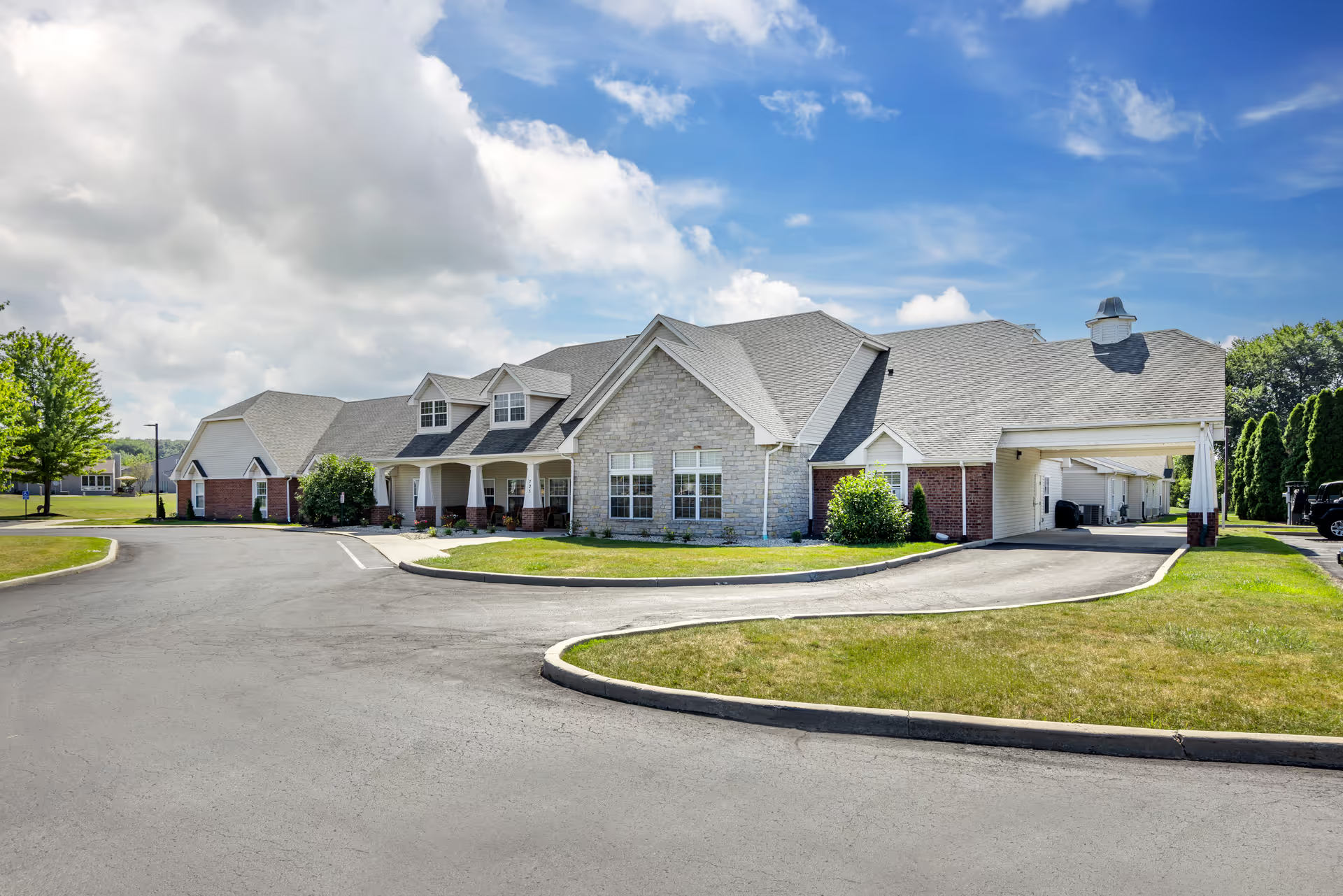
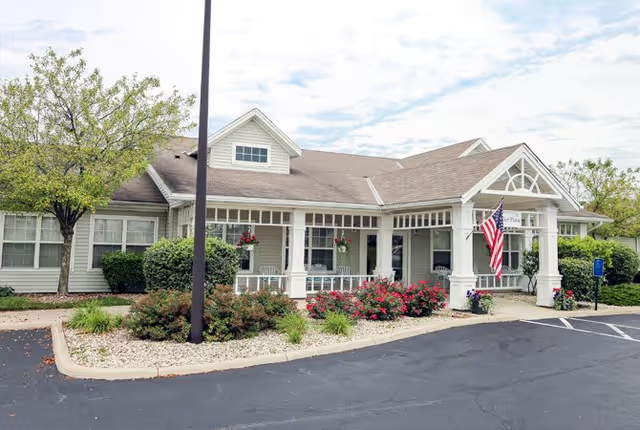
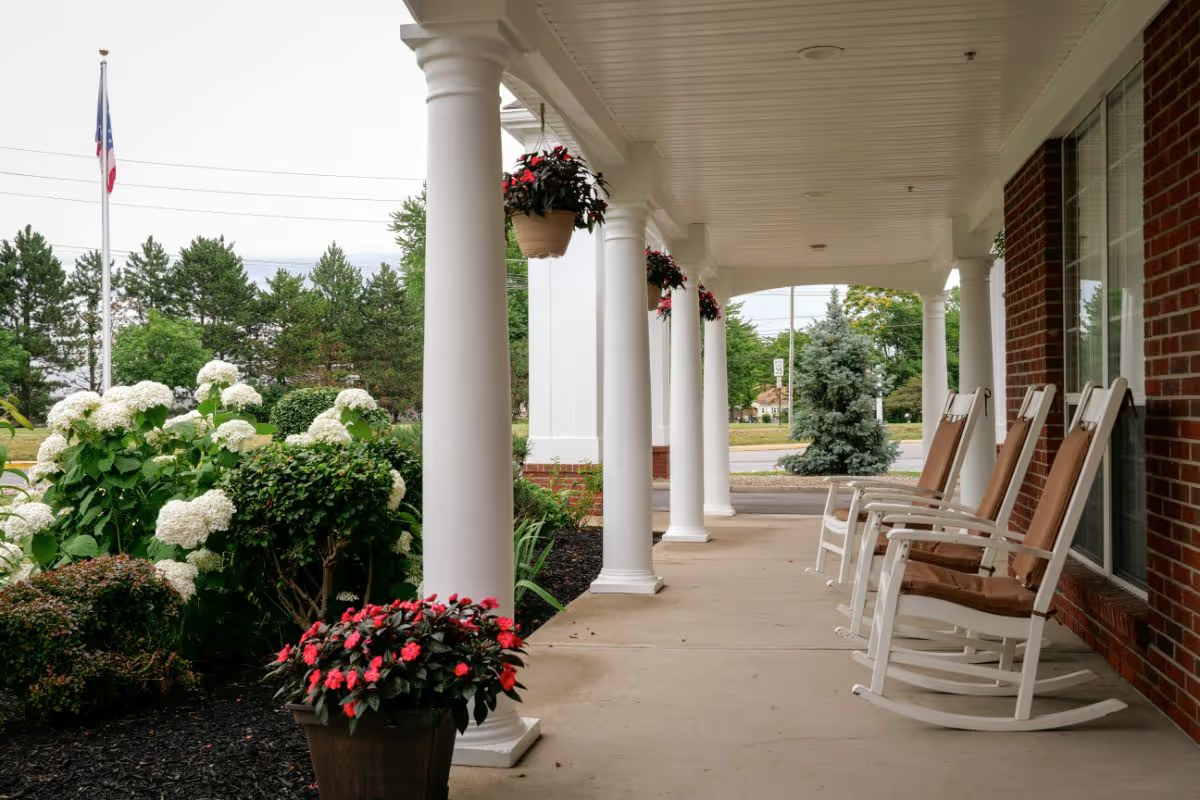
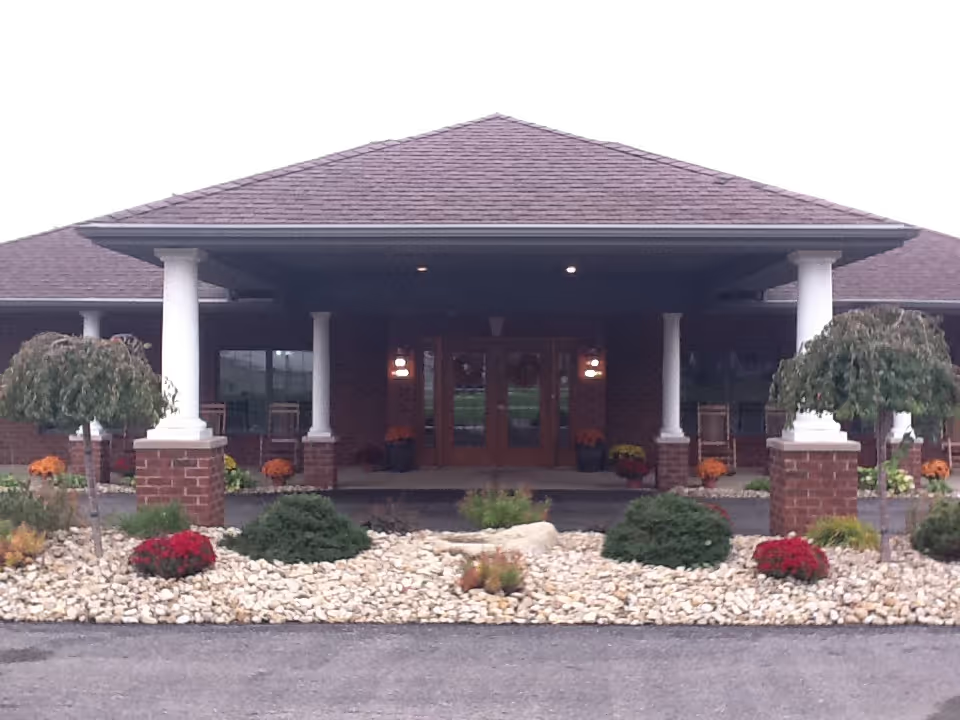
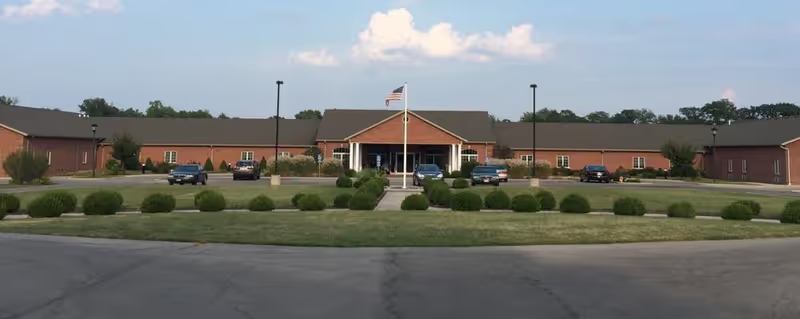
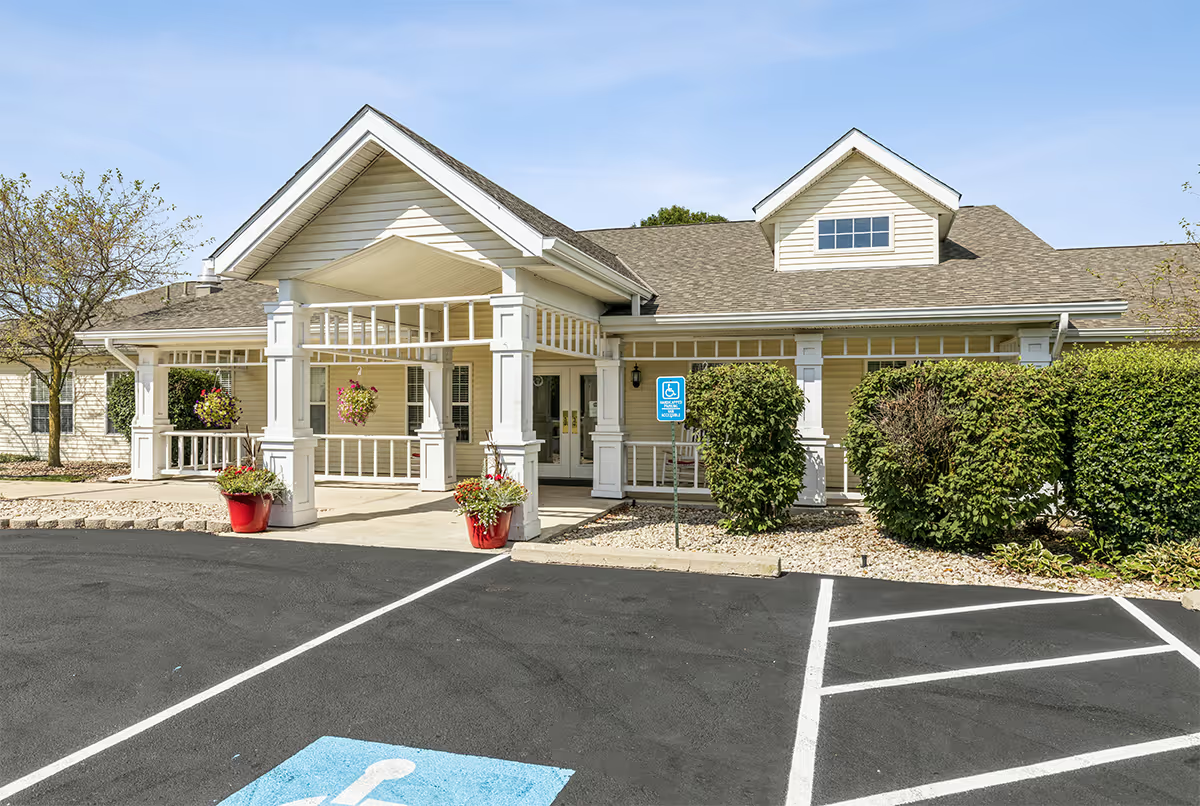
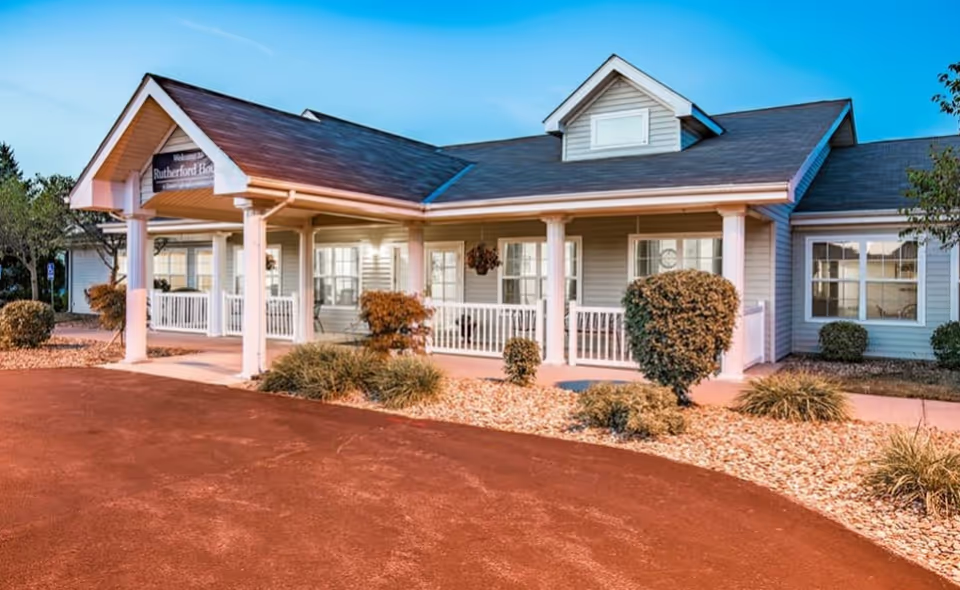
Overall impression: Reviews present a strongly mixed picture. The campus and apartments are frequently described as attractive, modern, and well laid‑out, with two‑bedroom units, generous closet space, in‑unit laundry, and private outdoor space. The property’s downtown‑style main street, chapel, library, and landscaped grounds are commonly cited as assets that contribute to a residential, village‑like atmosphere.
Care and staff: Many accounts praise nursing, STNA, and therapy staff as compassionate, attentive, and helpful. Rehabilitation services and positive therapy outcomes are highlighted by multiple reviewers, and some families specifically recommended the memory‑care unit for dementia care. At the same time, there are recurring concerns about staff conduct and the tone of communication with families; a subset of reviewers described serious interpersonal conflicts and allegations of threatening behavior by administrators. There are also comments indicating variability in clinical coordination and therapy follow‑through, so clinical experience may depend on timing and specific care teams.
Dining: The facility’s dining room is often described as offering a fine‑dining atmosphere with chef‑prepared, fresh presentations. Several reviewers complimented accommodating meal service and options for residents with particular preferences. However, other reviews point to inconsistent food quality, portion size, and perceived value—some find meals reasonably priced and appealing while others describe them as overpriced for the quantity or quality received.
Activities and community life: The social program includes game nights, movie nights, Bingo, chapel services, and other daily activities; many residents are described as friendly and engaged. Conversely, some reviewers reported limited programming, a small or underutilized community room, and restricted in‑person contact (noted during COVID‑related limitations). Amenity access is variable: the pool and other shared facilities have been intermittently unavailable to residents due to maintenance problems.
Facilities and maintenance: The property presents well cosmetically, but multiple operational issues are noted. Reports point to inconsistent facility maintenance and environmental control problems — failing water heaters, insufficient cooling, broken windows or gaps, hallway lighting issues, and a regularly inoperative pool. Housekeeping consistency is uneven in some areas (dusty floors, carpets not swept), and Wi‑Fi/IT connectivity has been described as poor. Noise through thin walls and busy hallways is a recurring quality‑of‑life concern.
Management and communication: A recurring theme is variability in management responsiveness. Positive interactions with front‑desk staff and helpful employees are described, yet other reviews describe unresponsive or opaque management, difficulty obtaining timely answers, and concerns about how family complaints are handled. Where tensions were reported, they related to assessment, placement decisions, and dispute resolution.
Notable patterns and recommendations for prospective families: The facility receives both high praise and significant criticism; experiences appear polarized. Strengths include apartment design, grounds, some strong caregiving teams, and available therapy services. Weaknesses cluster around maintenance reliability, consistency of housekeeping and dining, amenity uptime, noise/privacy, IT infrastructure, and management communication. Prospective residents and families should tour multiple areas at different times of day, observe mealtime and activity periods, ask for maintenance logs and amenity‑uptime policies (pool, HVAC, internet), meet the specific care team, and clarify grievance/communication procedures before committing. These steps can help determine whether the facility’s operational practices align with your expectations for care, cleanliness, and responsiveness.