Community feedback for Countryside Manor Healthcare is mixed, with clear strengths alongside recurrent operational concerns. Many families and visitors describe compassionate, hands-on care from nurses and aides, a committed director of nursing, effective rehabilitation/physical-therapy services, and a clean, recently renovated environment with spacious rooms. Several accounts note strong family communication practices — including virtual updates — and positive experiences with end-of-life support and front-office staff.
At the same time, staffing and management issues are a consistent theme. Reviewers describe chronic understaffing, frequent use of agency personnel, and periods when direct-care responsiveness is limited; these staffing patterns are linked to delays in assistance and challenges maintaining consistent daily care. Management-level weaknesses are reflected in phone and follow-up problems, difficulties coordinating medical appointments, and frustrations with billing and automated-payment handling.
Dining and activity programs present a variable picture. Some families praised meal quality and the dining experience, while others experienced poor-tasting meals and cited kitchen staffing concerns. Activity participation also appears uneven: the dementia unit, in particular, was described as having limited structured programming and excessive passive time for some residents when staff capacity was constrained.
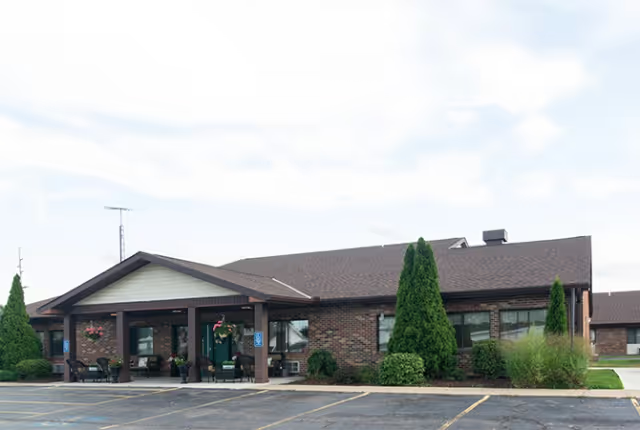
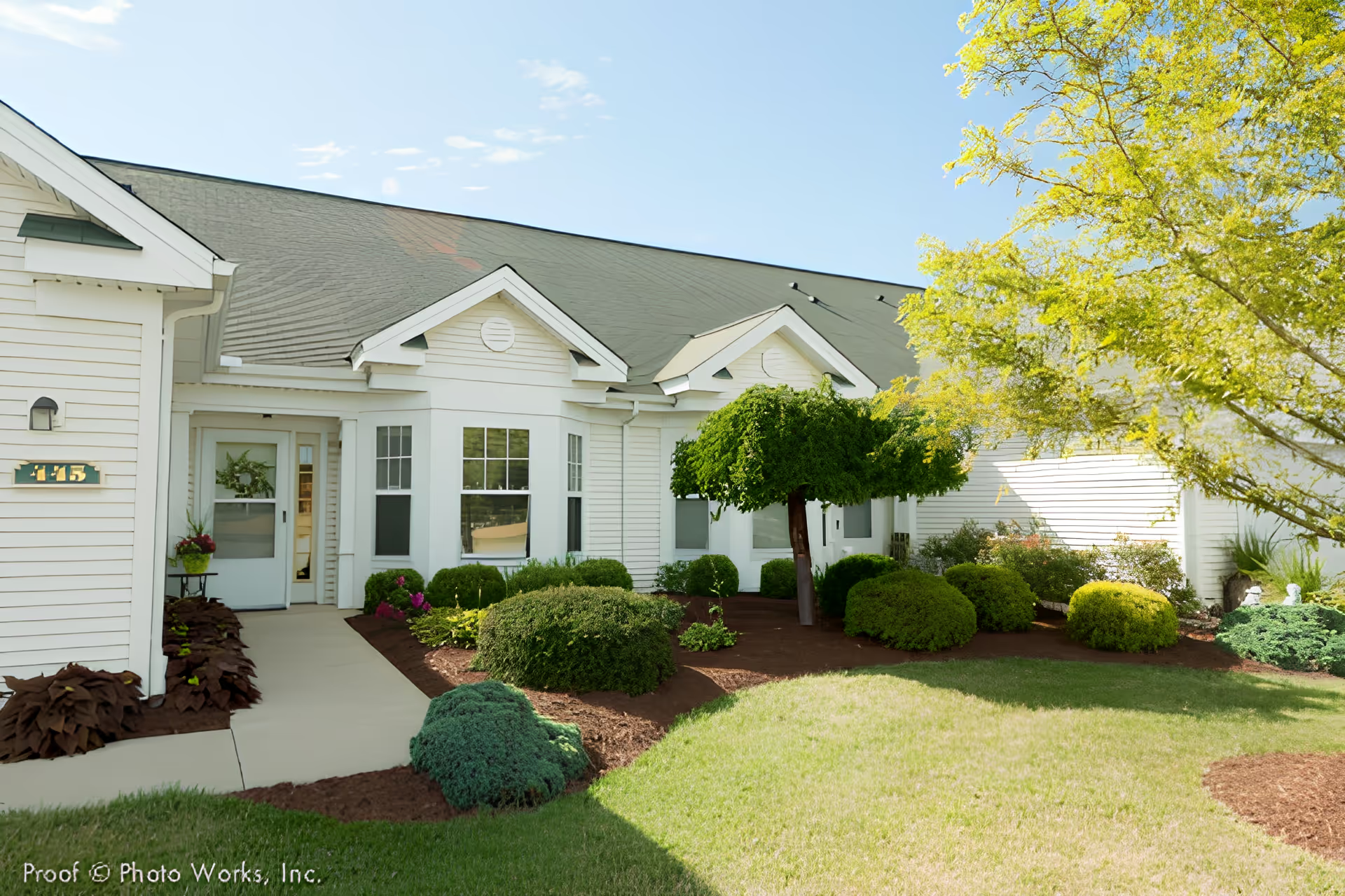
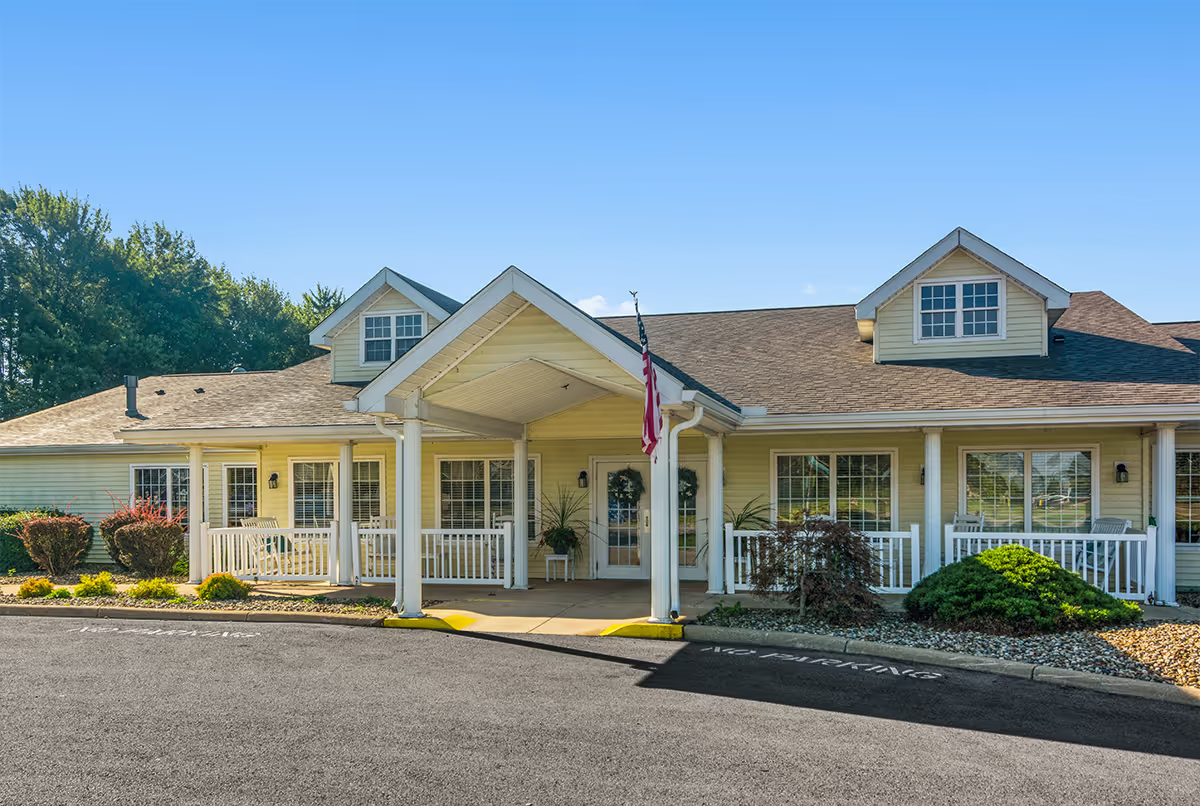
Facility and clinical practice observations are similarly mixed. Multiple reviewers praised ongoing renovations, the facility’s cleanliness, and efforts to maintain an updated, comfortable environment. Conversely, there are reports of localized sanitation or odor concerns and of inconsistent pre-move-in deep-cleaning. Clinical operational gaps cited include inconsistent infection-prevention and wound-care oversight, and isolated equipment/safety protocol issues — all of which families should evaluate during a visit.
Overall, Countryside Manor demonstrates important strengths around compassionate caregiving, therapy services, and facility improvements, but also shows operational weaknesses that can affect daily resident experience. Prospective residents and families should consider onsite visits at varied times, inquire about current staffing ratios and agency use, review care-coordination and billing procedures, and ask for examples of dementia-programming and infection-control practices before making a placement decision.