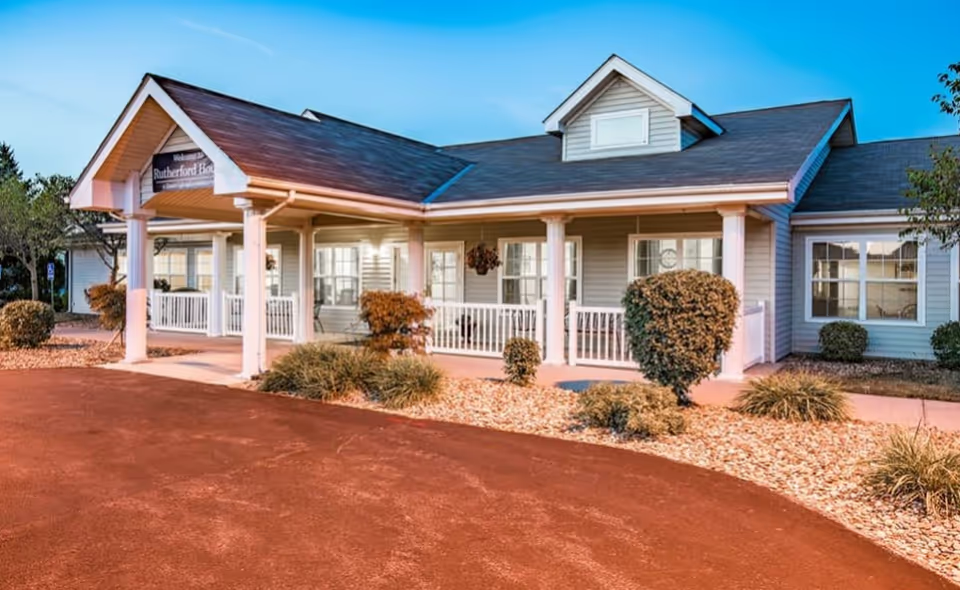
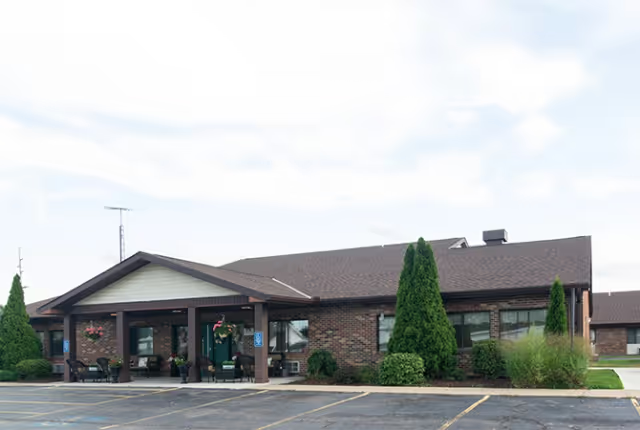
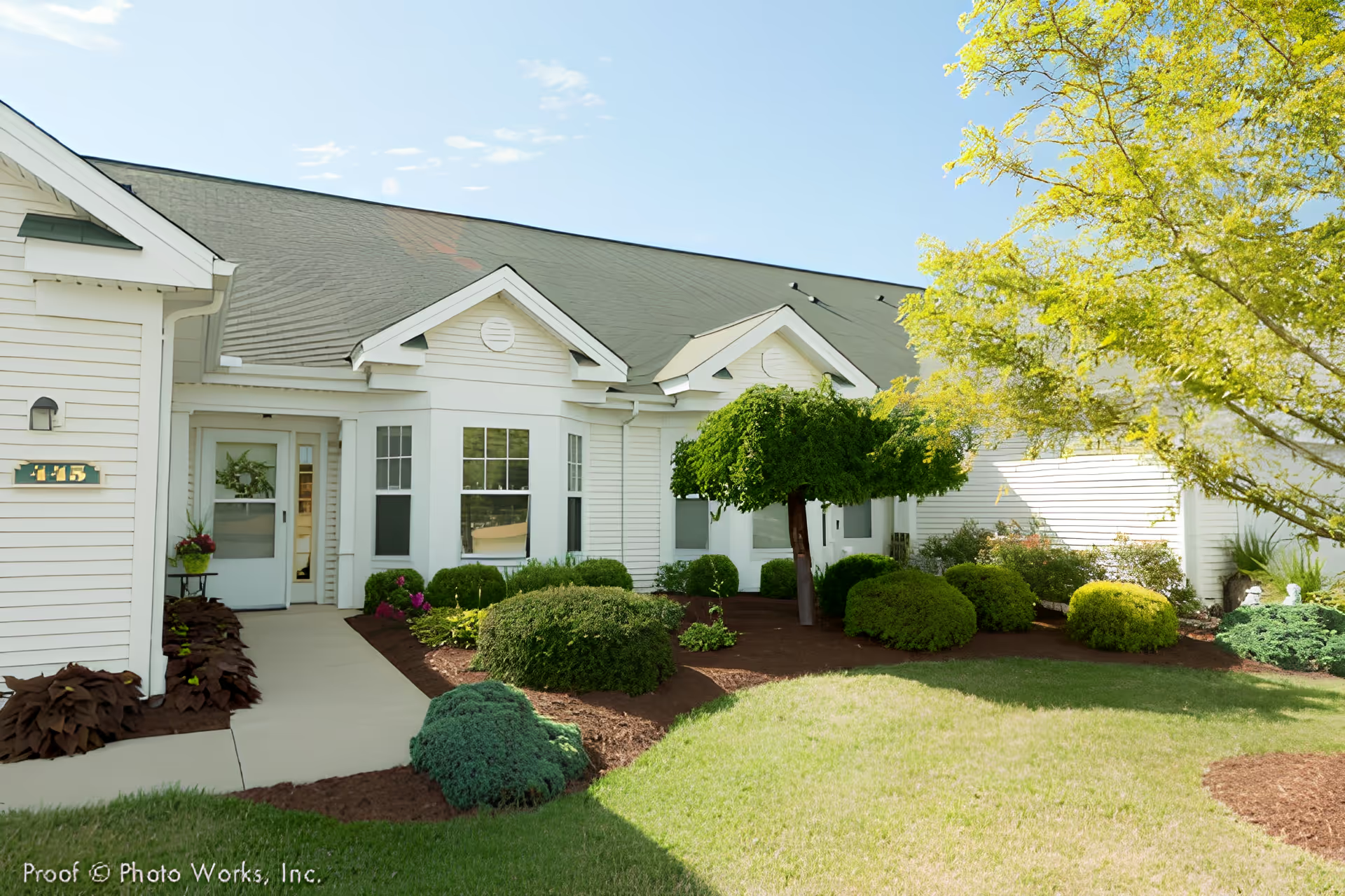
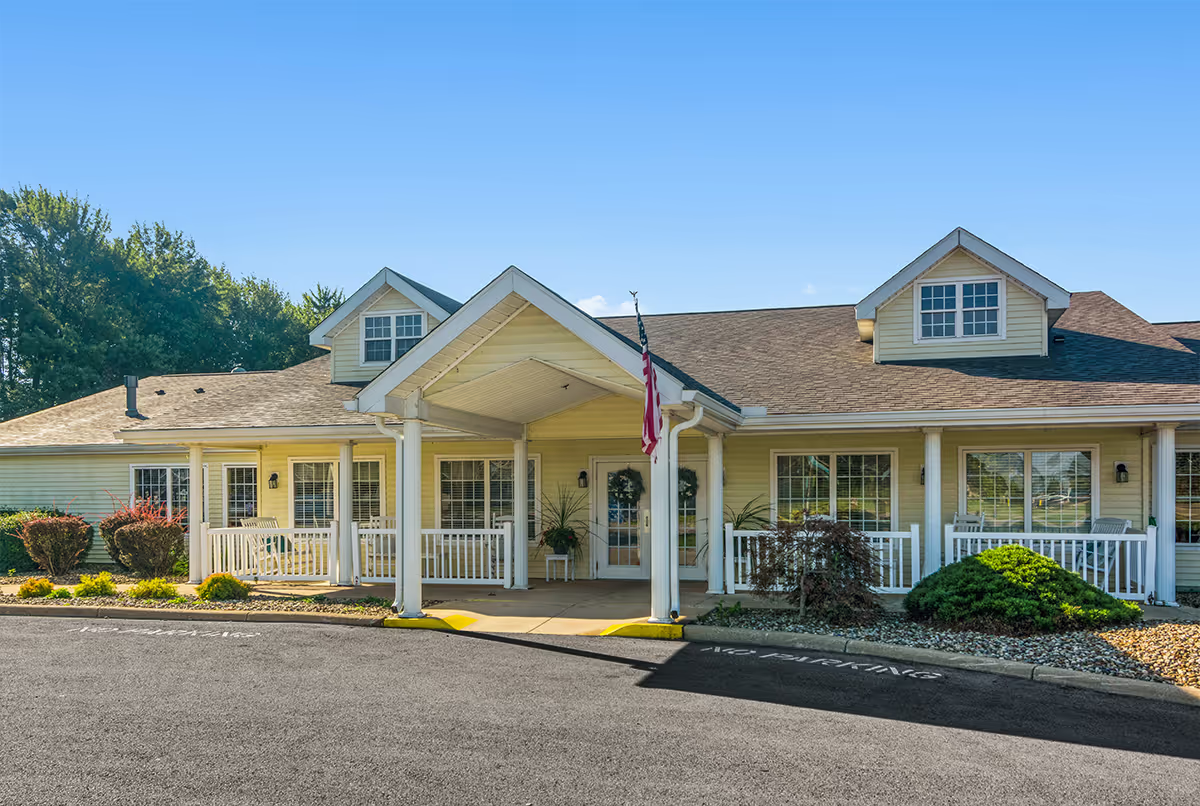
Reviews of Elmwood Assisted Living & Skilled Nursing of Fremont present a mixed but defined picture: many families and residents praise a modern, well‑kept campus, strong therapeutic offerings, and an engaged care team, while a subset of accounts raises serious operational concerns. The facility is frequently described as clean and attractively appointed, with private rooms and bathrooms, outdoor patios, an on-site aviary, and amenities such as laundry service and options for personalizing rooms. Recreational programming and outings are commonly noted as robust, and therapy services (including a therapy pool) are highlighted as strengths for ongoing rehabilitation and strength work.
Clinical‑care impressions are polarized. Positive comments emphasize experienced nursing and ancillary staff, coordinated hospice support, and a family‑oriented culture under long‑tenured, family‑owned management that many reviewers associate with higher standards of attention and leadership engagement. However, other accounts identify operational weaknesses that affect resident safety and comfort: inconsistent overall care quality, gaps in medication administration, delays in incontinence care and other time‑sensitive assistance, and concerns about staff responsiveness or tone. There are also mentions of incidents that have prompted regulatory attention; prospective families should inquire about the facility’s recent inspection history and corrective actions.
Dining and lifestyle offerings receive generally favorable remarks. An on‑site chef with resident input, varied menus, and reportedly improved food quality are cited alongside structured activities and social opportunities that contribute to residents’ quality of life. The combination of clinical therapy, social programming, and amenities is a consistent point of praise for those with positive experiences.
Taken together, the pattern is one of significant strengths in environment, programming, and pockets of strong clinical coordination, paired with variability in day‑to‑day care reliability and staff performance. Prospective residents and families would benefit from an in‑person tour and targeted questions about medication administration protocols, staffing ratios and training, incontinence-care procedures, incident reporting and follow‑up, and recent regulatory findings. Confirming current staffing levels and speaking with families of current residents can help determine whether the facility’s positive attributes are consistently delivered in an individual’s desired care area.