Overall impression: Reviews indicate Valley View Health Campus offers a generally warm, community-oriented environment with many strengths—particularly in interpersonal care, dining, activities, and rehabilitation—while also exhibiting operational inconsistencies that prospective families should evaluate during a tour.
Care and staff: Multiple accounts describe staff as compassionate, attentive, and invested in resident well-being; long-tenured caregivers and welcoming admissions personnel contribute to a family-like culture. Nursing, aides, and leadership are frequently praised for being responsive, knowledgeable, and supportive of families, and hospice resources and guidance were noted as helpful. At the same time, reviewers describe variability in staffing levels and training, and some expressed concerns about responsiveness and follow-through. A few serious individual safety concerns, including an allegation of medication mishandling, were raised and indicate the need for transparent medication-safety protocols and careful inquiry by prospective families.
Dining and activities: Dining is a consistent strength for many reviewers. A chef-led program, varied menu options, fresh meals, café-style offerings, and special desserts or culinary activities were repeatedly highlighted. The activity program is described as robust and socially engaging: organized trips, community outings, field trips, and a wide variety of on-site options foster socialization and meaningful engagement. There are isolated comments about variable meal satisfaction, suggesting occasional inconsistency in food preferences or preparation.
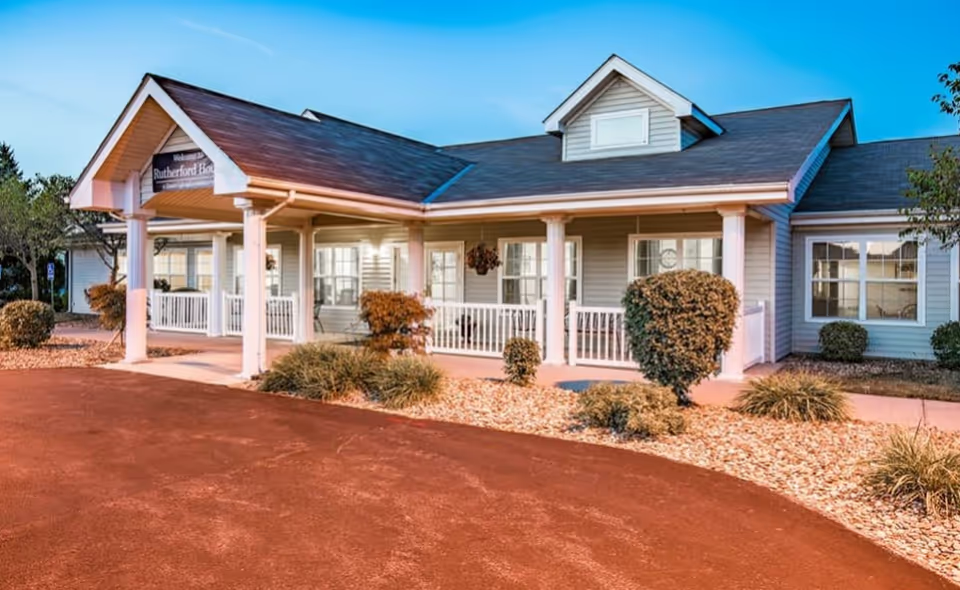
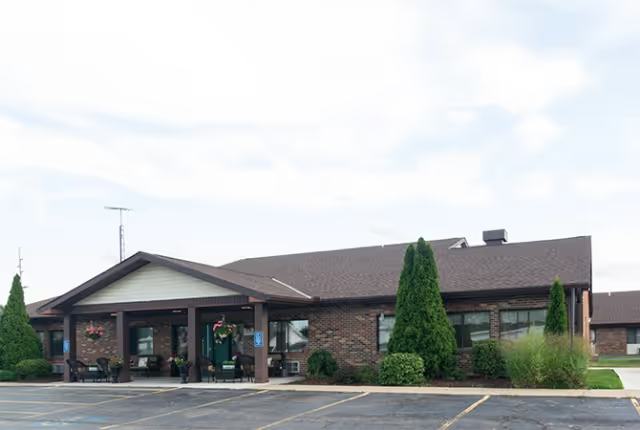
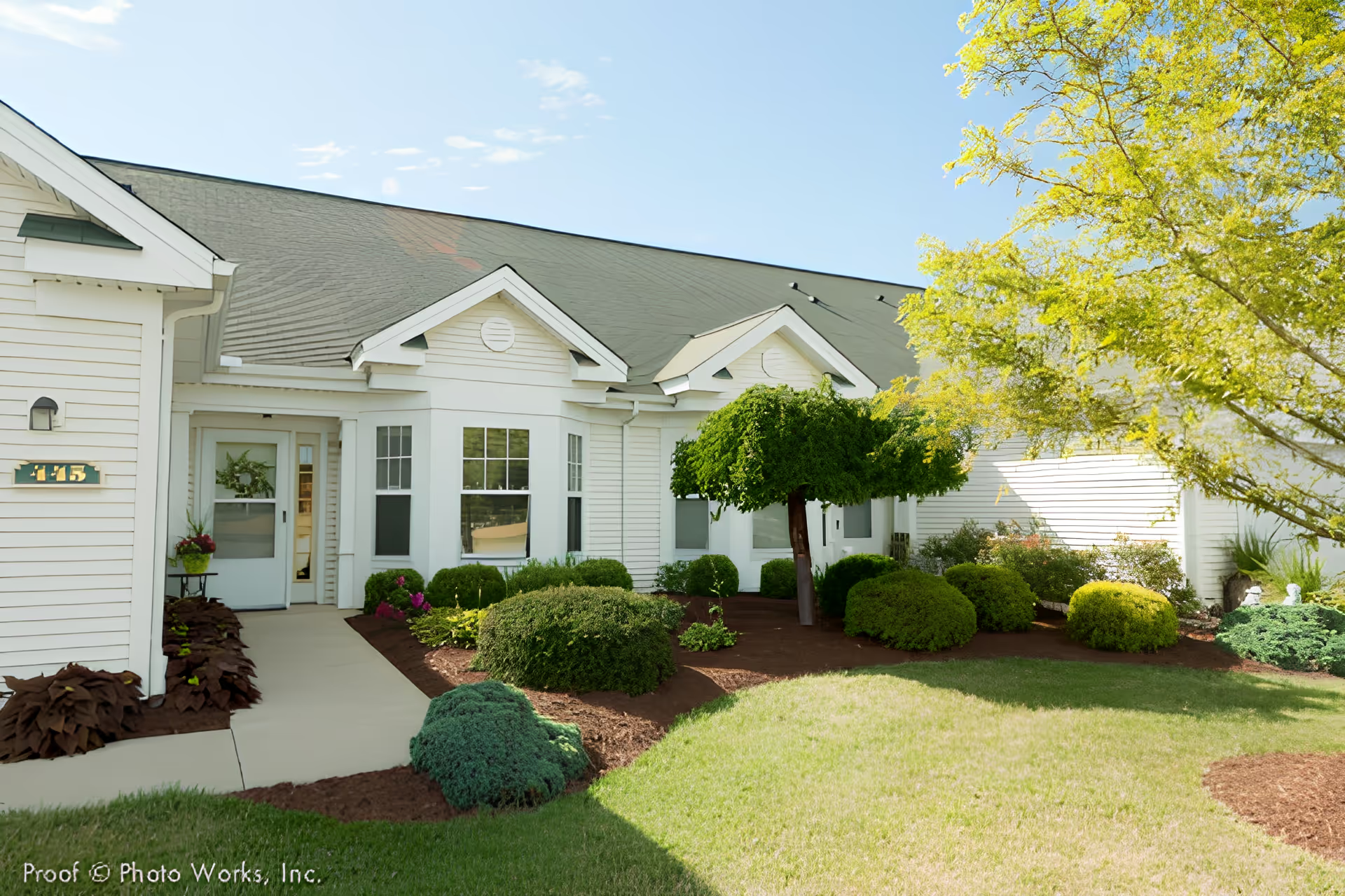
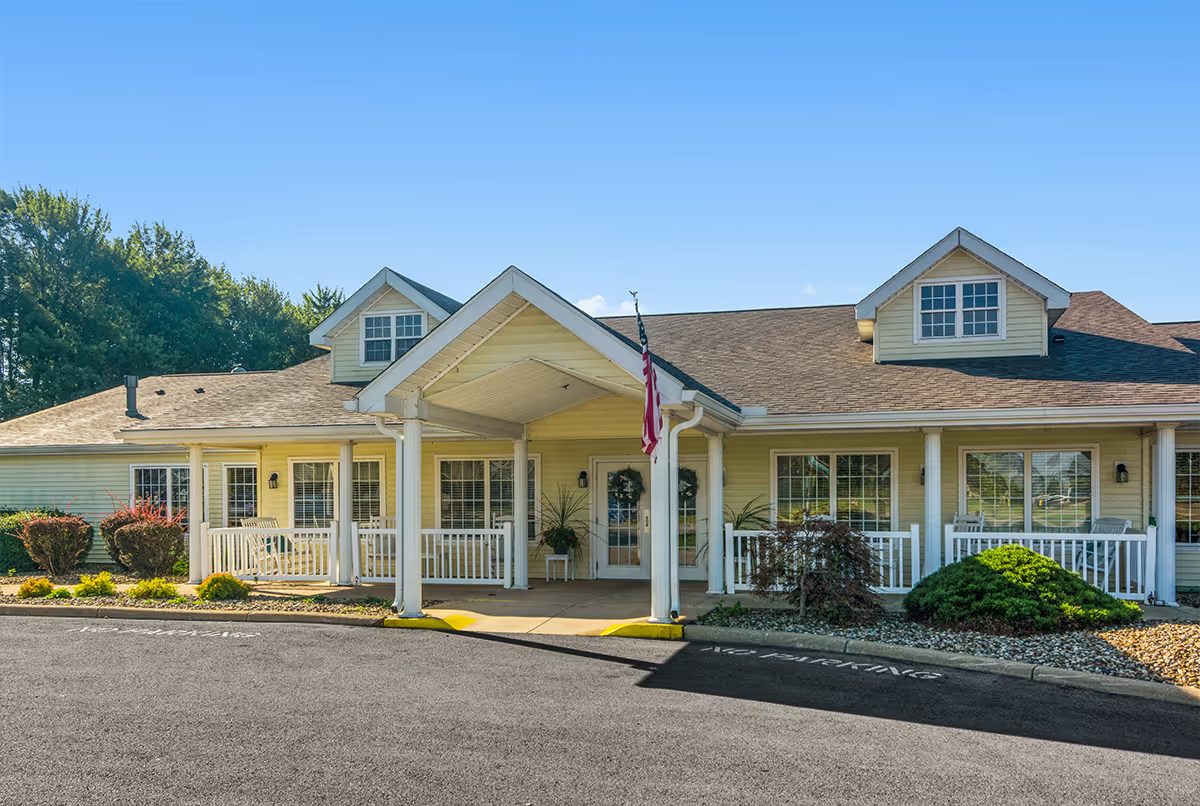
Facilities and operations: The campus includes recently renovated wings and comfortable, clean rooms and common areas, with a large courtyard and pleasant outdoor spaces. Maintenance help and responsiveness receive positive mentions. Operationally, however, there are recurring themes around communication and facility procedures: unexpected room moves, episodic housekeeping lapses, and restricted or inconsistently managed outdoor-access controls were noted. Billing and administrative processes were described as straightforward by some families, while others cited poor communication and delayed paperwork for provider visits.
Therapy and aftercare coordination: Many families praised the rehabilitation team for personalized therapy plans and effective post-acute recovery support. Conversely, a subset of comments describe uneven rehab experiences, fall-risk concerns, missed medication administration, and delays in arranging home-health services after discharge. These patterns point to variability in clinical handoffs and aftercare coordination that may affect recovery trajectories.
Notable patterns and guidance for families: The dominant positive themes are warm staff-resident relationships, strong dining and activity programs, and solid therapy services for many residents. The dominant operational concerns center on inconsistent staffing/training, medication-management and handoff gaps, variable housekeeping, and communication breakdowns. Prospective residents and families should tour the unit, meet nursing and therapy staff, ask about staffing ratios and weekend coverage, review medication-safety and incident-reporting procedures, inquire about outdoor-access policies and housekeeping schedules, and request examples of post-discharge coordination. These steps will help determine whether the facility’s strengths align with an individual’s needs and expectations.