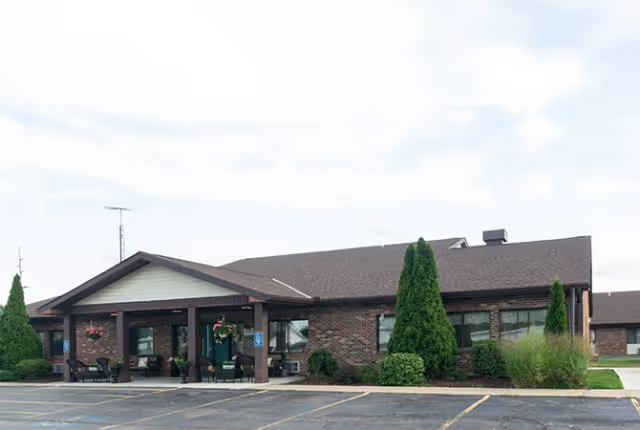
Reviews of Windsor Lane Health Care present a strongly mixed picture. A clear, recurring strength is rehabilitation: the facility’s physical‑therapy team and dedicated weight‑lifting/restorative space receive consistent praise for effective therapy outcomes and staff engagement. Direct‑care staff, when consistent, are described as friendly and supportive, and several reviewers highlighted helpful admissions staff, social‑work availability, on‑site dental and vision services, and a full laundry department. Many reviewers also described the building as clean, sizable, and reasonably well‑maintained, with a therapy area that stands out relative to other parts of the facility.
Care quality and staffing are the primary areas of divergence. Positive accounts emphasize knowledgeable nurses and attentive aides, but critical accounts point to chronic understaffing, frequent turnover, and reliance on agency personnel whose training and familiarity with residents can vary. Operational consequences described include delays in personal‑care tasks, inconsistent care coordination, and uneven continuity when familiar aides are not assigned. There are also expressed concerns about how urgent situations are handled; some reviewers perceived gaps in emergency response and communication with families.
Dining and nutrition are another prominent theme. A portion of feedback praises healthy, calorie‑controlled menu options and structured weight‑loss programs that require resident engagement. Conversely, other reviewers describe inconsistent meal quality, limited therapeutic menu adherence (for example, diabetic diet consistency), and what they view as permissive snack policies that enable frequent consumption of high‑sugar, high‑salt items. Multiple comments referenced weak or uncooperative dietetic oversight and questions about whether clinical nutrition needs are being consistently met.
Activity programming and facility resources are uneven. The activities department is described as receptive to suggestions in some accounts but as offering few meaningful activities in others; limited outdoor time and low overall engagement are recurring concerns. Facility infrastructure is characterized as clean but aging; while therapy spaces are praised, some equipment was called outdated. Administrative factors appear to amplify family concerns: reviewers noted a range of experiences with management, from supportive and responsive to condescending or dismissive communication styles.
Taken together, the pattern suggests Windsor Lane may provide strong rehabilitative services and compassionate direct care when staffing is stable, but operational weaknesses — particularly chronic staffing shortfalls, inconsistent nutrition management, and variability in administrative responsiveness — create uneven experiences. Prospective residents and families who prioritize intensive therapy services may find relevant strengths here; those for whom consistent personal‑care responsiveness, strict therapeutic diets, or robust activity programming are central should ask targeted questions about staffing patterns, dietitian involvement, emergency protocols, and the facility’s approach to snack access before making placement decisions.