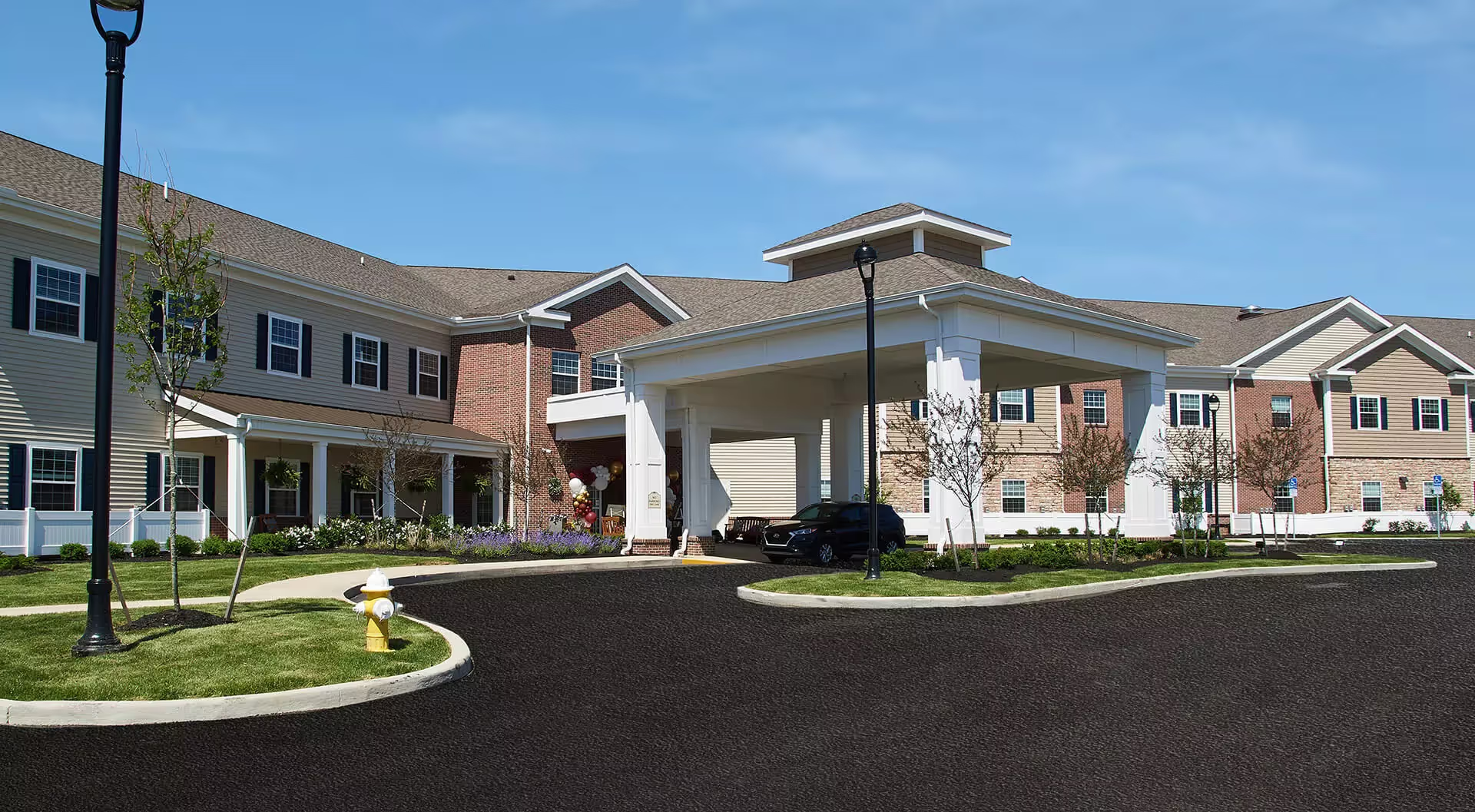
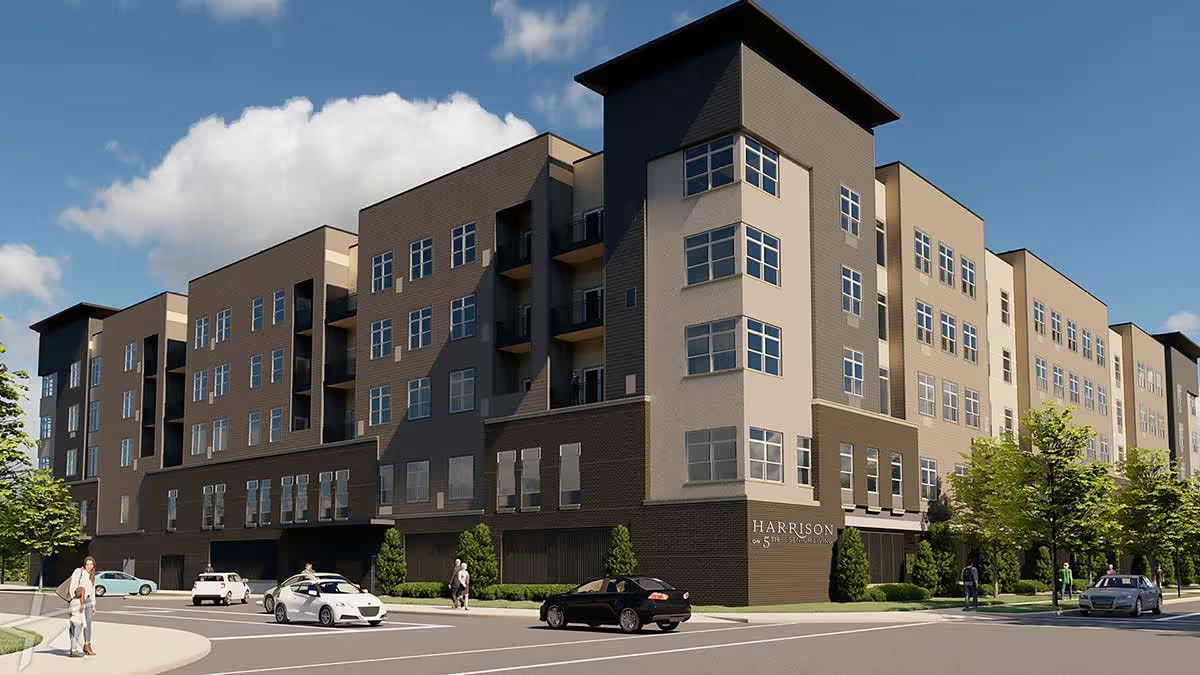
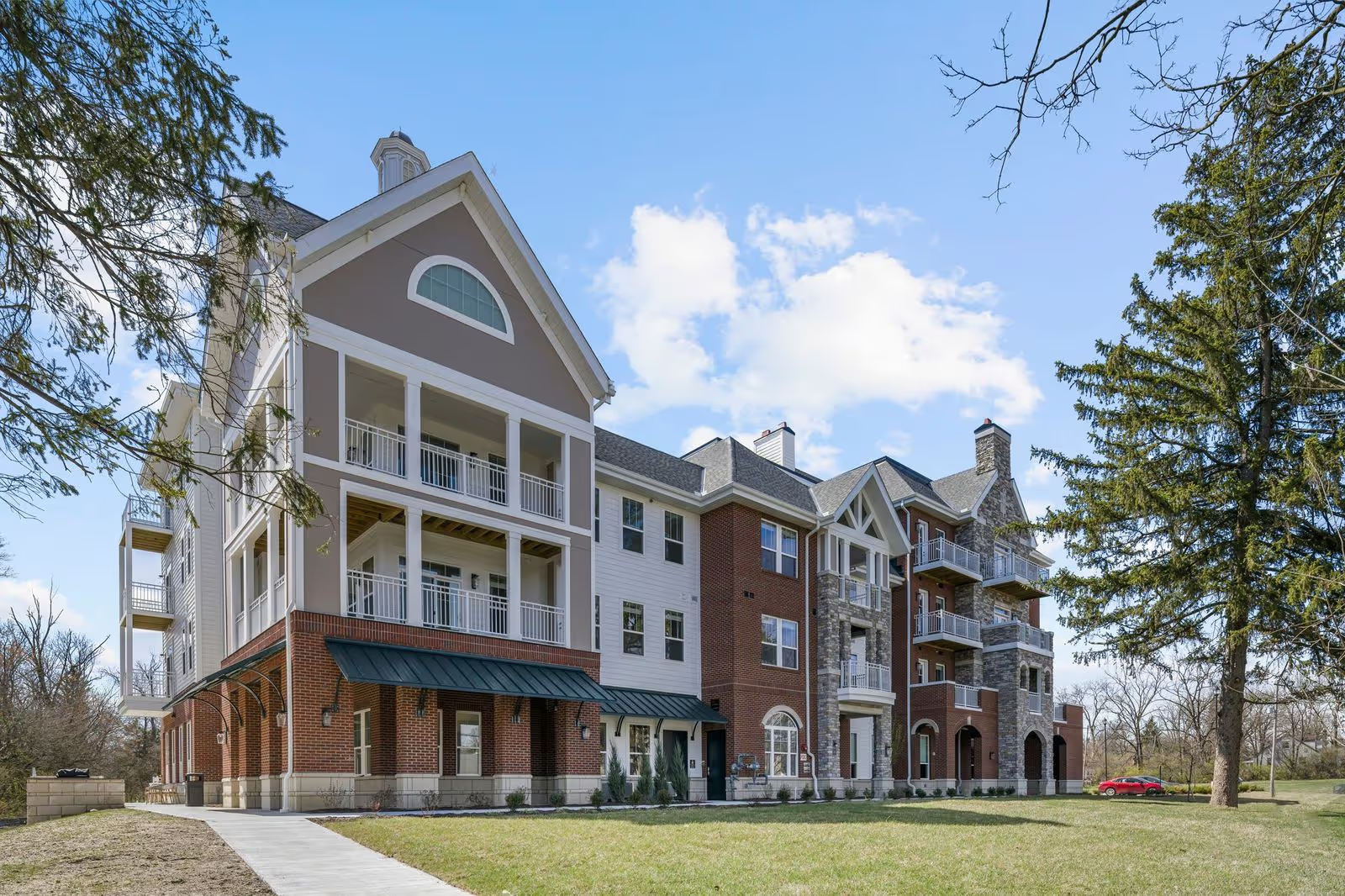
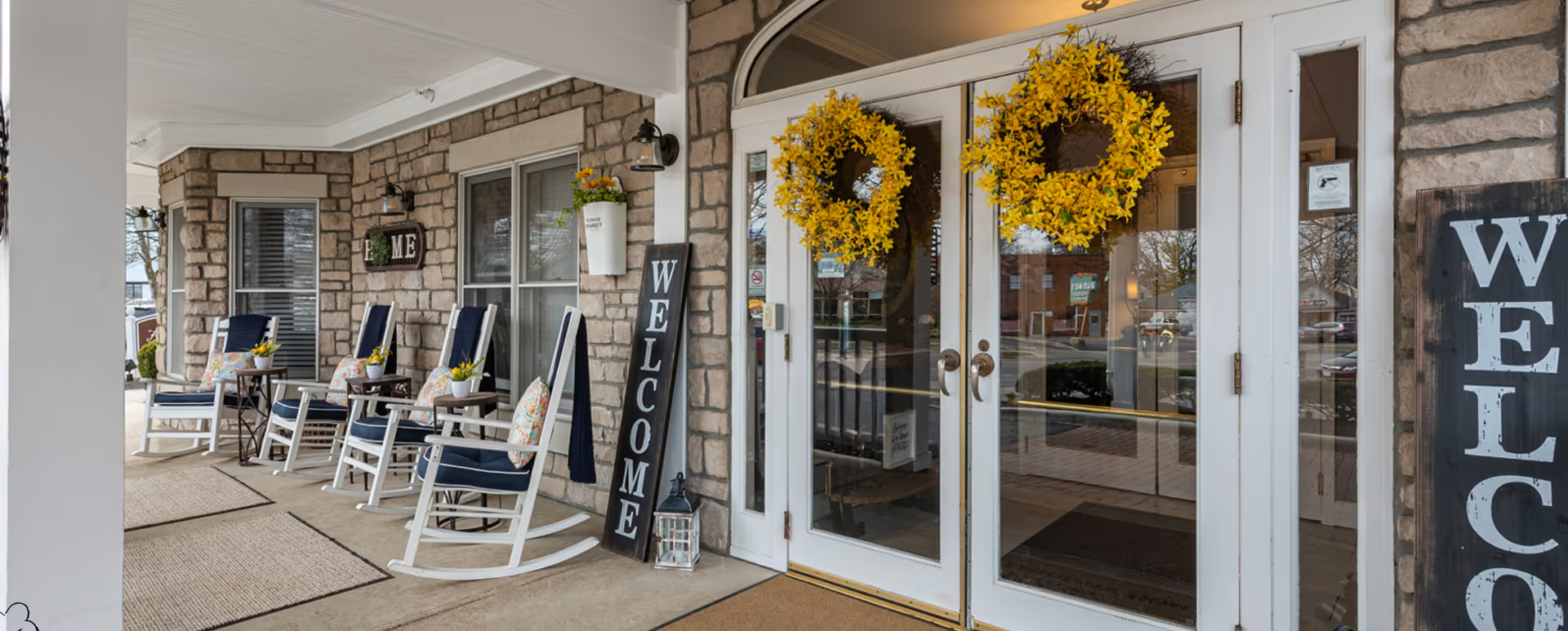
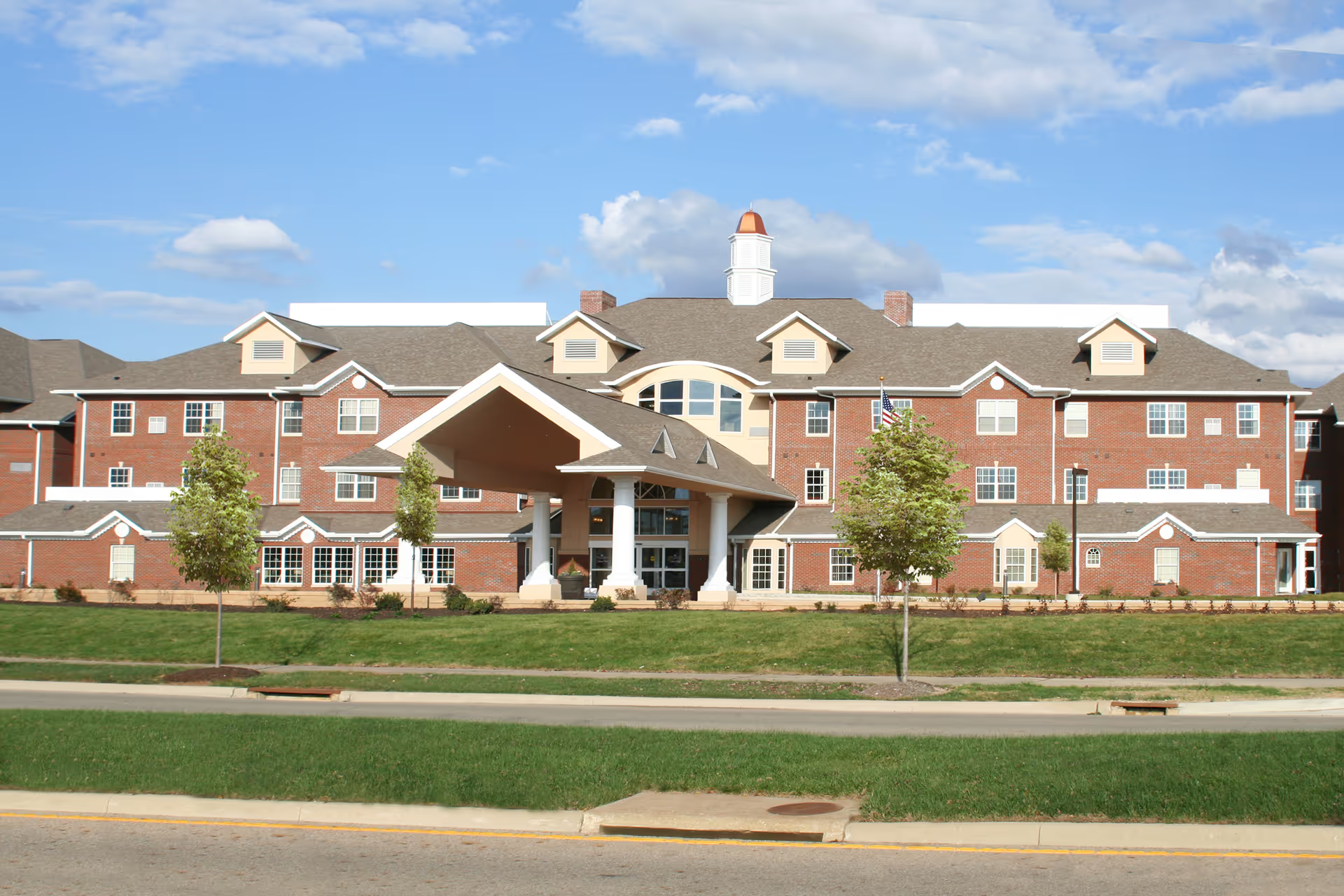
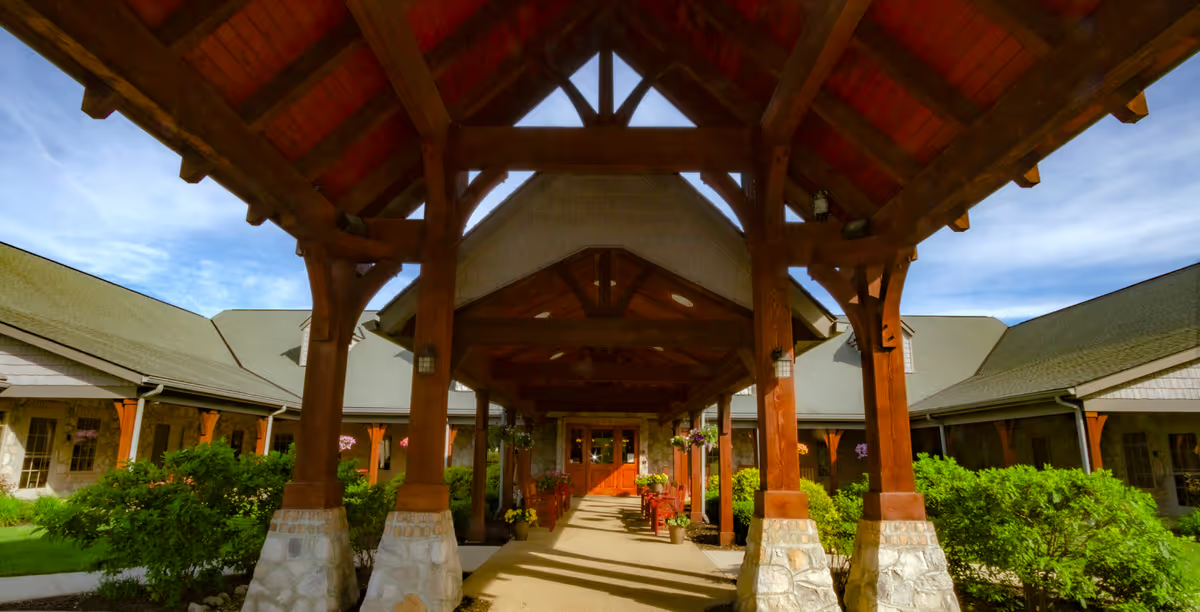
StoryPoint Grove City presents as a well-designed, amenity-rich senior community with many strengths around staff culture, social life, and physical environment. Reviewers commonly highlight a warm, family-like atmosphere, an energetic life-enrichment team, frequent live music and events, and chef-driven dining presented in a restaurant-style setting. Apartments are generally described as bright and spacious with modern finishes, balconies or patios, and easy access to on-site amenities such as a bistro, salon, library, therapy spaces, and outdoor walking areas.
Staffing and direct care are among the community's most frequently cited strengths. Many families and residents praise compassionate, engaged caregivers and nurses who provide personalized attention, creative activities, and supportive transitions. The facility's wellness and therapy services are noted as convenient and effective for many residents. At the same time, a clear pattern emerges around staffing consistency: reviewers describe periods of strong, stable caregiving interspersed with times when temporary or agency staff are used. This variability is linked to concerns about supervision in memory-care areas, engagement levels for residents with cognitive impairment, and occasional delays in clinical tasks.
Dining is a defining feature for many residents: a number of reviews emphasize high-quality, chef-prepared meals, made-to-order options, and menu variety. However, dining operations also show recurring operational weaknesses. Reviewers cite inconsistent meal delivery, missing menu items, long waits, limited diabetic/therapeutic choices at times, and packaging or waste concerns. These issues point to gaps in meal-service continuity and inventory management rather than a uniformly poor food program.
Facility upkeep and housekeeping receive generally positive comments about cleanliness and design, but there are intermittent sanitation and maintenance concerns. While many residents describe a meticulously maintained environment, others describe uneven housekeeping performance in specific units and delays resolving plumbing or hot-water problems. Emergency call systems are perceived as reassuring by many, though a few reviewers noted problems with call-button responsiveness or follow-up communication.
Management and contract-related matters are a mixed area. Admissions staff, tour experiences, and move-in coordination are often described as welcoming and informative, with occasional move-in incentives. Conversely, multiple reviewers point to rigid lease/contract terms, automatic renewals, challenges with lease termination, and billing or communication gaps that require family advocacy. Some reviewers also described a decline in operational consistency following leadership changes, indicating that turnover at the management level can affect service reliability.
Notable patterns for prospective residents and families: the community offers strong social programming, active staff who generally go above and beyond, and high-quality apartments and amenities. However, families should specifically evaluate (1) staffing stability and the use of agency staff on the units relevant to their loved one, (2) memory-care staffing ratios and engagement strategies for residents with cognitive impairment, (3) meal-service continuity and accommodations for dietary/medical needs, and (4) lease terms and billing practices before signing. Asking for current staffing rosters, a sample care plan, recent maintenance logs, and a copy of the contract with clear explanations of renewal/termination provisions can help align expectations with operational realities.