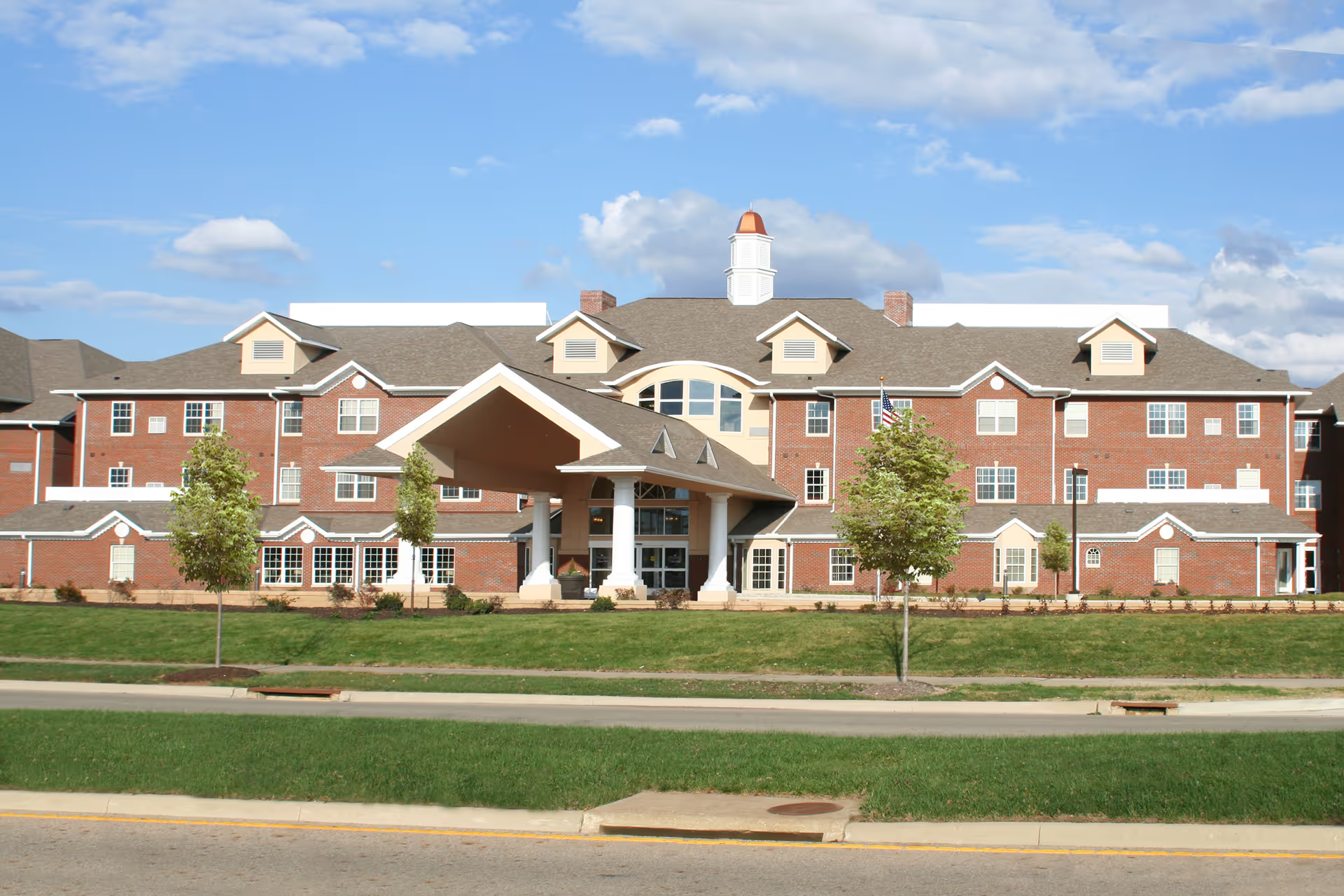
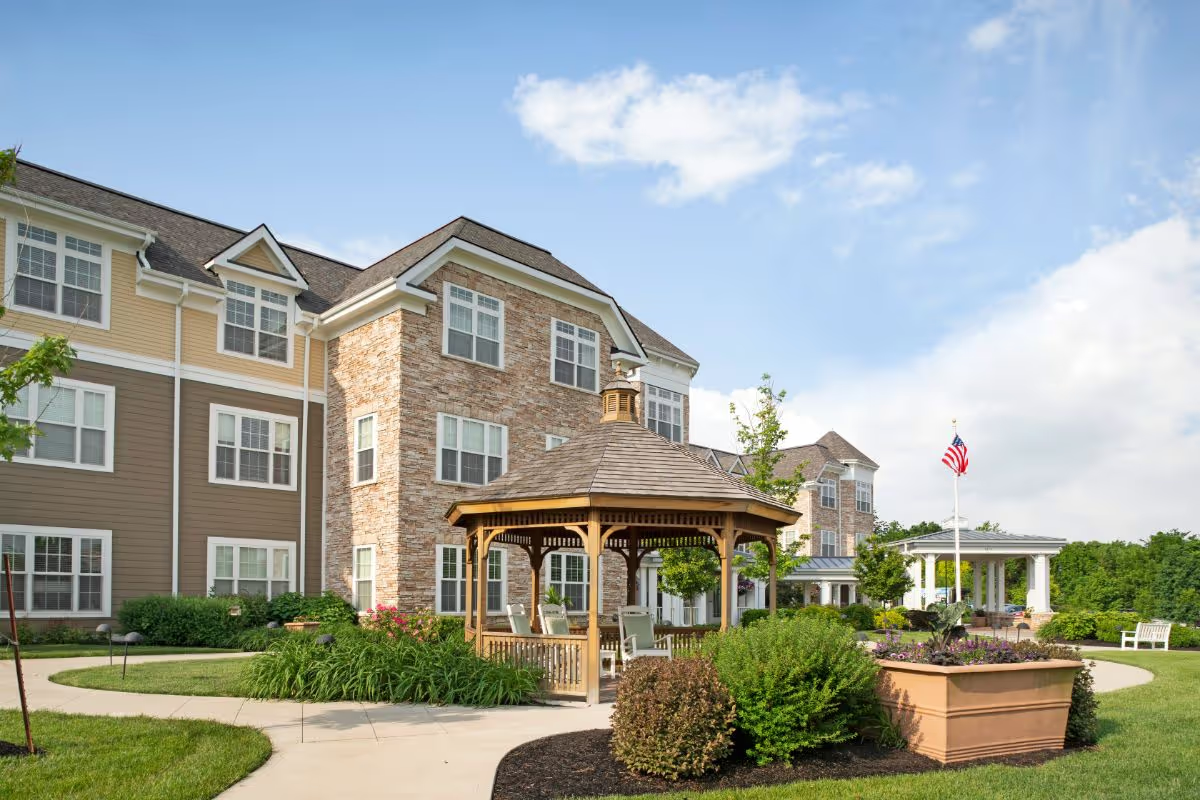
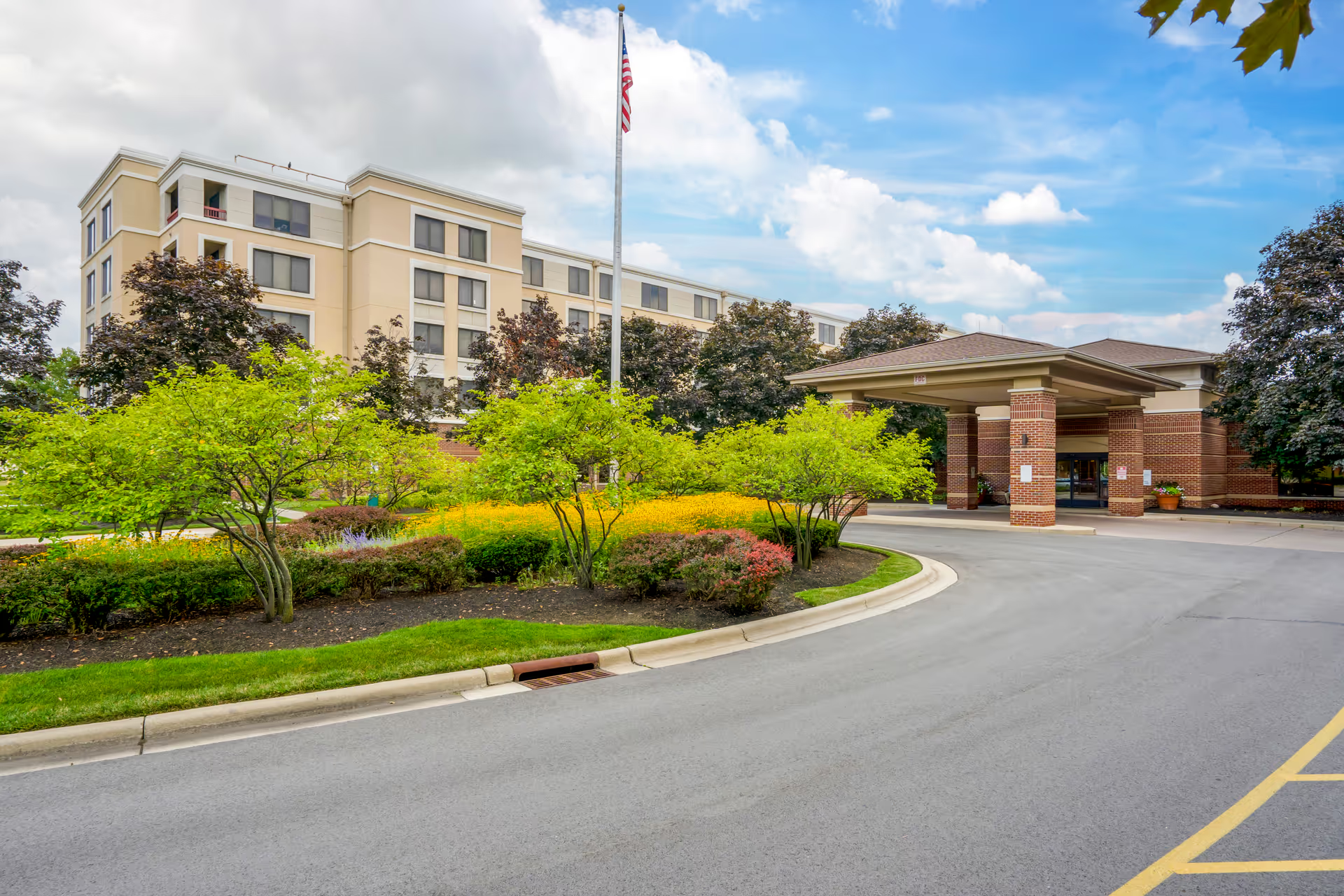
Overall impression: The Inn at Library Way presents as a newly built, well-appointed assisted living and memory-care community with extensive amenities and an active social program. Many families describe the campus as immaculate, lodge-like, and comfortable, with features such as a chapel, beauty salon, library, courtyard, and a bird aviary. The facility’s single-level layout, wide hallways and spacious units — including two-room suites and kitchenettes — are repeatedly cited as strengths for mobility and resident comfort.
Care and staff: Reviews consistently praise frontline caregivers and clinical leadership for compassionate, resident-focused care. Several accounts highlight strong nursing direction, individualized care plans, attentive aides, and on-site therapy services that support rehabilitation and ongoing medical needs. Families frequently describe a family-like atmosphere, personalized attention (staff calling residents by name), and proactive daily check-ins. At the same time, there are recurrent operational concerns: intermittent staffing shortages and turnover, periods of slower response to personal-care needs (including toileting assistance), and specific supervision problems in the memory-care unit. These issues have led some families to question consistency of care and clinical oversight despite otherwise favorable impressions of staff competence.
Dining and activities: The dining program is generally regarded as a positive feature — nutritious, varied menus and an engaged chef are frequently noted, along with social dining settings and resident-friendly meal presentations. However, food preference mismatch and occasional shortages of side items are mentioned as areas for improvement. Programming and engagement are strong points: daily activities, holiday crafts, field trips, and an active events calendar appear to support socialization and cognitive stimulation, particularly in assisted living. Memory-program engagement receives praise in some accounts but simultaneous concerns about supervision create a mixed picture for that population.
Safety, cleanliness and equipment: The facility’s physical cleanliness and upkeep are often highlighted, yet some reviews raise sanitation and odor concerns in select care areas and identify gaps in fall-prevention practices (including missing fall monitors) and availability of mechanical transfer equipment. Those operational gaps have been associated with falls or injuries in individual accounts. Prospective residents and families should clarify current fall-prevention protocols, monitoring systems, and available lifting/transfer resources during tours.
Management, communication and billing: Leadership presence and hands-on administrators are praised in many accounts, with examples of good communication, text/picture updates, and attentive move-in support. Conversely, other families describe poor responsiveness, inconsistent follow-up after incidents or hospitalizations, and concerns about how certain staff conduct was handled by management. Financially, the community positions itself at a premium price point and some families report unclear billing practices (e.g., post-hospital grace-period charges). There are also notes about limited options for switching to Medicaid later, so long-term payment planning should be discussed explicitly.
Bottom line: The Inn at Library Way offers a high-quality physical environment, strong amenities, robust activity and therapy programs, and many examples of compassionate, individualized care. However, recurring operational themes — intermittent staffing shortages, inconsistencies in memory-care supervision, communication lapses, certain safety- and sanitation-related concerns, and opaque billing practices — warrant careful, specific follow-up by prospective families. Recommended next steps before a decision include an in-person tour focused on the memory-care neighborhood, questions about staffing ratios and turnover, review of fall-prevention and transfer equipment, and a clear written explanation of billing and Medicaid-transition policies.