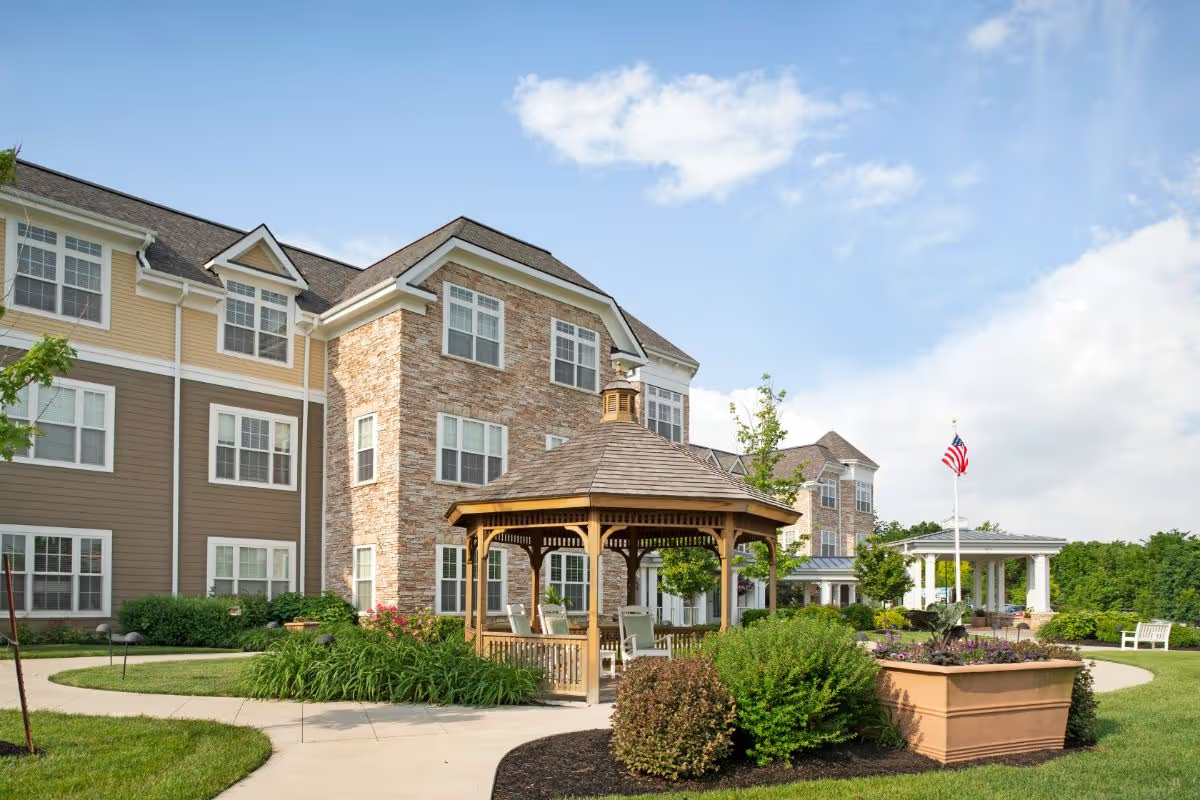
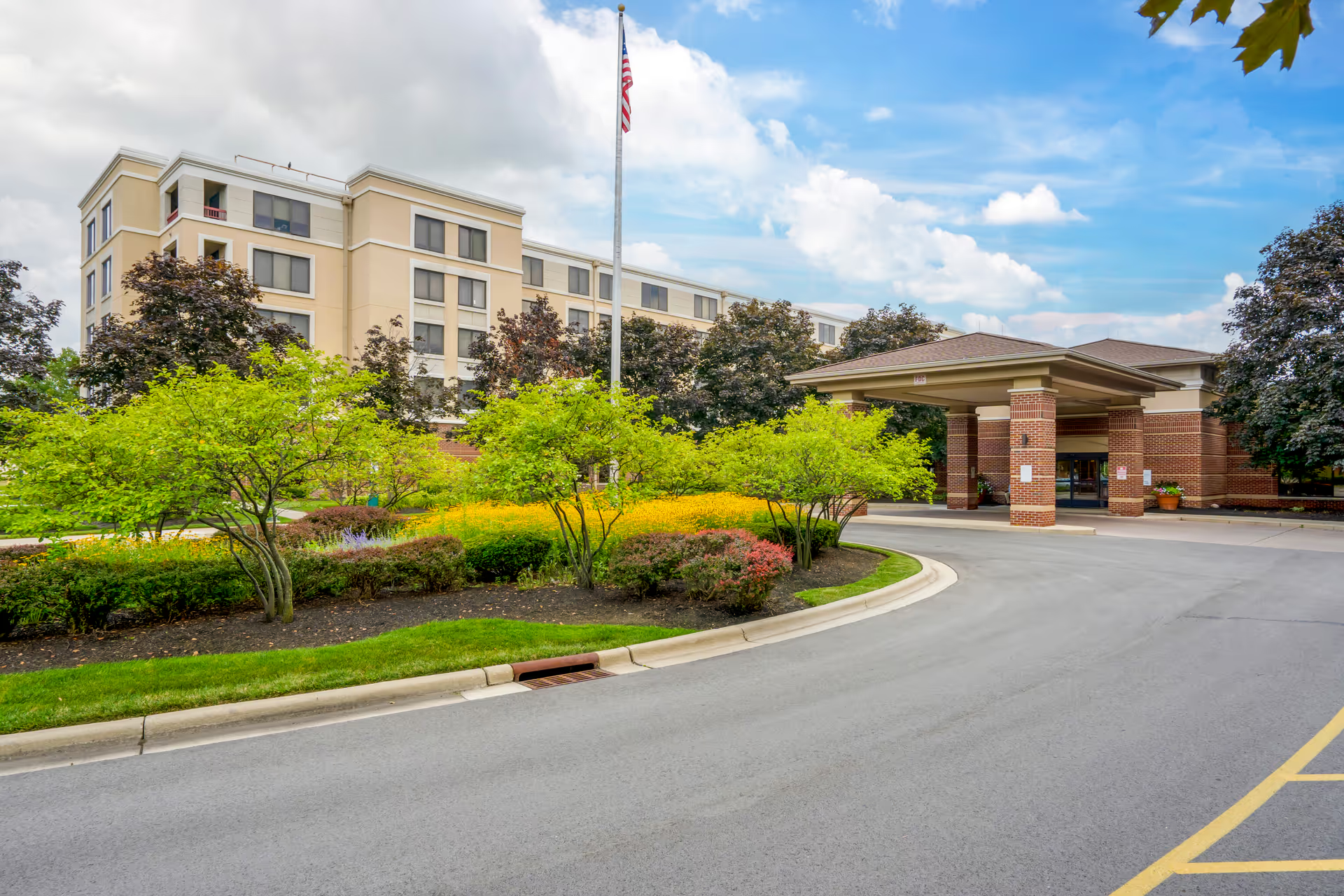
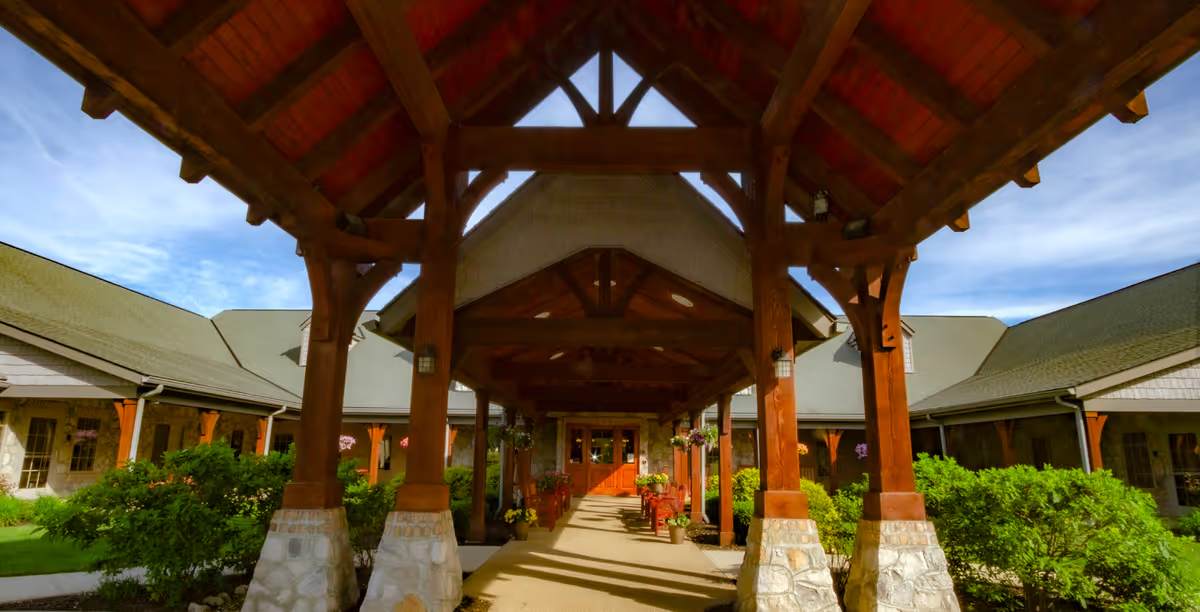
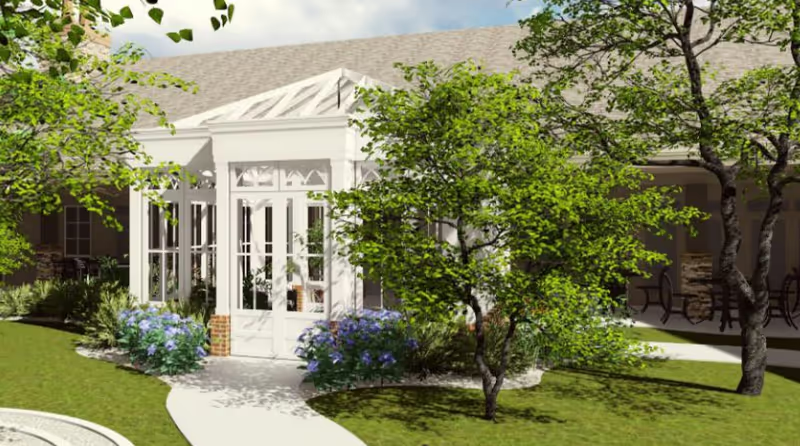
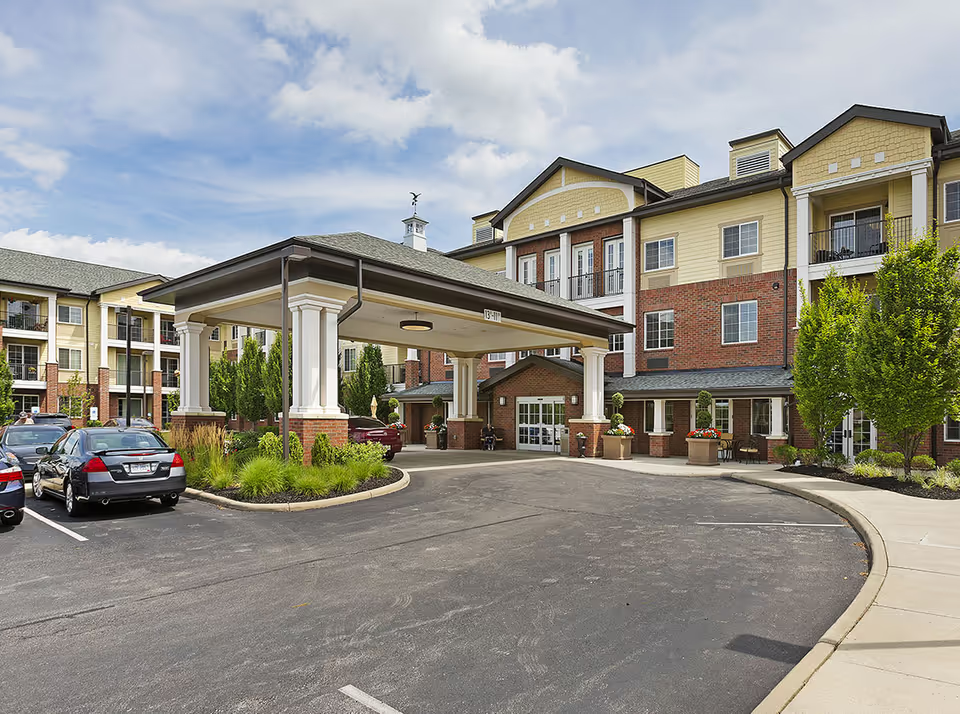
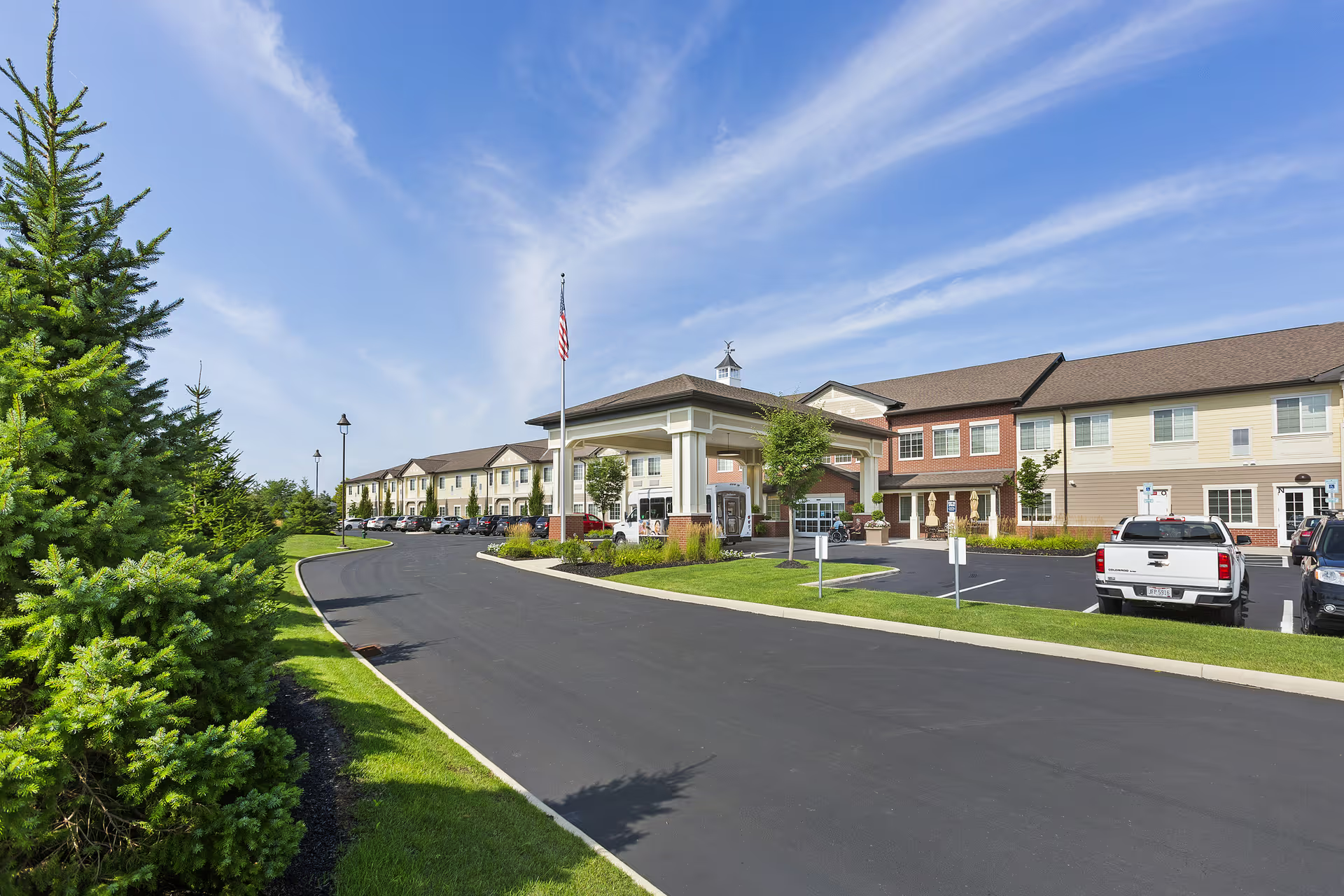
Overall impression Dublin Retirement Village presents as an upscale, amenity-rich campus set in a wooded, nature-preserve environment. Many reviewers praised the community’s grounds, campus amenities (exercise room, gardens, bistro), and resort-like atmosphere. The facility frequently receives positive comments for move-in coordination, on-site therapy, scheduled transportation and outings, pet-friendly policies, and an active calendar of programs that includes field trips, lectures, and fitness options.
Care and staff Care quality and staff interactions are a central strength in the reviews. Numerous families describe attentive, personable caregiving and nursing staff who provide individualized attention, remember residents’ names, and offer compassionate support. Several accounts note strong clinical leadership (nursing director, nurse practitioner) and responsiveness to care needs, with timely maintenance and efficient caregiver support during transitions. At the same time, reviewers also describe operational staffing variability — floor staff can be difficult to locate at times and there are references to periodic staffing challenges that affect on-the-floor availability.
Dining and nutrition Dining receives mixed feedback. Many residents and guests praise the food — fresh items, bakery offerings, and a new bistro are highlighted — and some families describe excellent meals and a welcoming dining environment. Conversely, other reviewers describe inconsistent meal quality, overcooked or unappealing presentation, limited snack options, and discrepancies between what is shown on tours and what is served day-to-day. These divergent accounts suggest variability in meal execution and portioning that prospective residents should confirm during visits and follow-up meals.
Activities and engagement Activity programming is generally a positive feature: an active schedule, transportation to local sites, outings, arts and crafts, and exercise classes are commonly cited as contributing to resident engagement. That said, some reviewers experienced a mismatch between promotional materials and daily offerings — promised activities were sometimes absent or less substantive than expected. Overall, the calendar is robust, but actual participation and program depth may vary by unit and day.
Facilities and unit conditions The community’s exterior, grounds, and many renovated interiors draw favorable comments. However, unit conditions are uneven across the campus: some apartments are recently remodeled and well-appointed, while others appear dated and in need of updates. Reviewers also raised concerns about upgrade costs and unequal availability of paid upgrades; prospective residents should confirm unit condition, included finishes, and any upgrade fees in writing.
Management, operations, and notable concerns Management and administrative staff receive both praise and criticism. Several families described positive, accommodating interactions with administrators, an excellent move-in coordinator, and prompt resolution of issues. Conversely, there are recurring concerns about inconsistent management follow-through, gaps in communication, and perceived lack of accountability in some instances. A limited number of reviewers raised serious concerns about clinical-protocol adherence and safety practices; those concerns were escalated externally in some cases. Additionally, reviewers cite perceived issues with medication-management practices that warrant direct clarification when evaluating the community.
Bottom line and recommendations for prospective residents Dublin Retirement Village is characterized by strong hospitality, an active program of amenities and outings, and many staff who deliver personalized care. Areas to scrutinize during a visit include current unit condition and which upgrades are included versus fee-based, consistent observation of meal service (ask to sample lunch), floor-staff availability at different times of day, medication-management protocols, and management’s documented procedures for incident reporting and family communication. Clarifying these operational details in writing will help align expectations with the community’s strengths and observed variability.