Overall impression Dublin Glenn Memory Care presents as a modern, well-appointed memory-care community with many reviewers praising the facility’s appearance, therapeutic programming, and day-to-day caregiving. Families commonly highlight compassionate nursing and aide teams, a wide variety of activities (notably music, exercise, outings and holiday events), on-site therapy services, and a secure outdoor area. Several comments describe the community as welcoming and supportive of hospice and end-of-life needs, with staff who create a family-like atmosphere for residents.
Care and staffing Clinical and direct-care staff receive frequent positive comments for being attentive and resident-focused; nurse practitioners providing weekly oversight and available therapy services were seen as strengths. However, a recurring operational weakness is staffing instability. High turnover, reliance on temporary staff, and uneven weekend staffing were noted as factors that contribute to inconsistent competency and occasional missed care tasks. Related patterns include concerns about medication administration reliability and variability in staff responsiveness to family inquiries. Families should ask about current staffing ratios, staff tenure, and weekend coverage when evaluating the community.
Safety, clinical processes, and communication Some reviewers described incidents that signal broader process gaps: supervision of interactions between residents, monitoring/alarm response, and inventory/supply management (including incontinence-care supplies) were areas of concern. There are also mentions of missing personal items and inconsistent follow-up on family phone calls. Communication quality appears mixed — many families praised the community-relations staff and some direct-care staff for proactive outreach, while others experienced delays or billing/contract confusion. A few reviews raised allegations of billing errors and ethical concerns under prior leadership; these point to the importance of obtaining clear written explanations of billing cycles and contract terms before move-in.
Dining and clinical nutrition Dining quality was described variably. Some families praised nutritious meals and attention to dietary needs, while others found the food bland and associated it with weight loss for some residents. This suggests inconsistency in meal preparation or portion/monitoring practices; prospective families should review menu cycles, adaptive-diet options, and weight-monitoring policies.
Activities and resident engagement Activity programming is a clear strength: day-to-day options include music/singing, exercise classes led by PT staff, crafts, mini-concerts, bowling, and outings. Staff are noted for adapting activities to different cognitive levels. A potential limitation is that the community’s larger size and activity format may be overwhelming or less accessible for residents with more advanced cognitive or physical impairments; ask how programs are individualized and how staff support participation for residents at different functional levels.
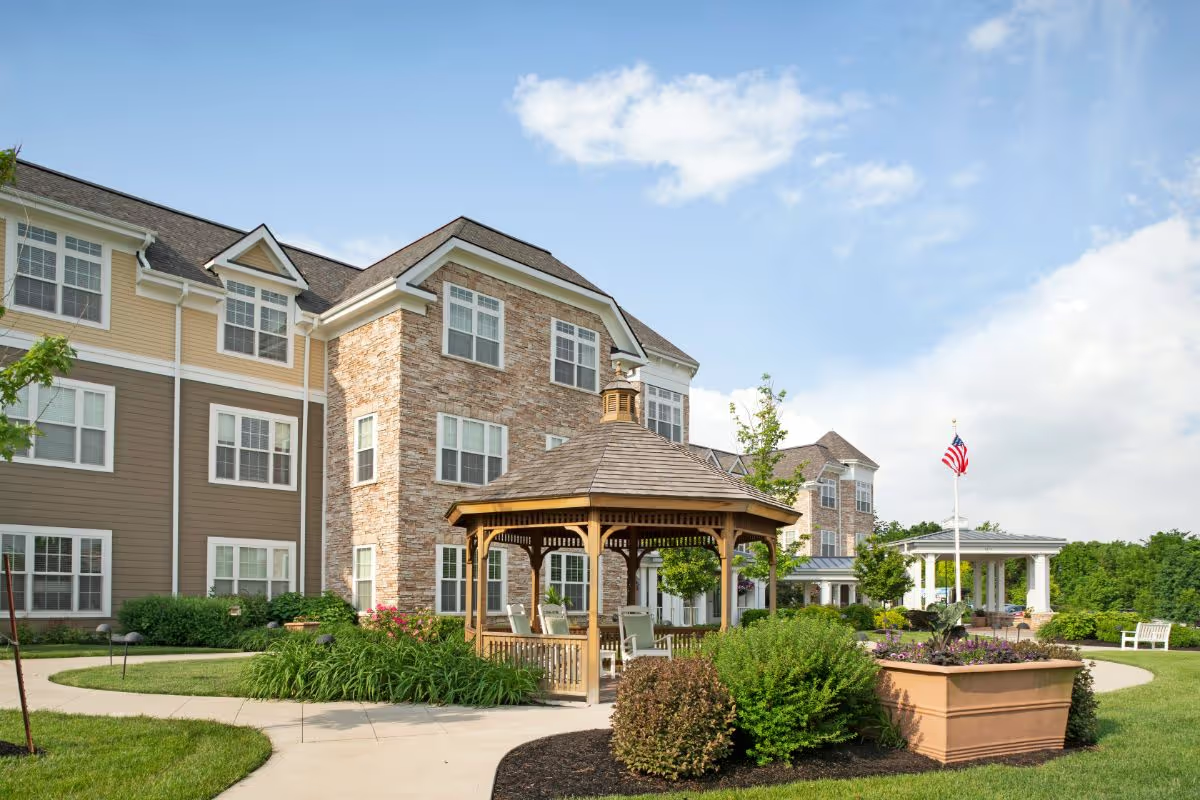
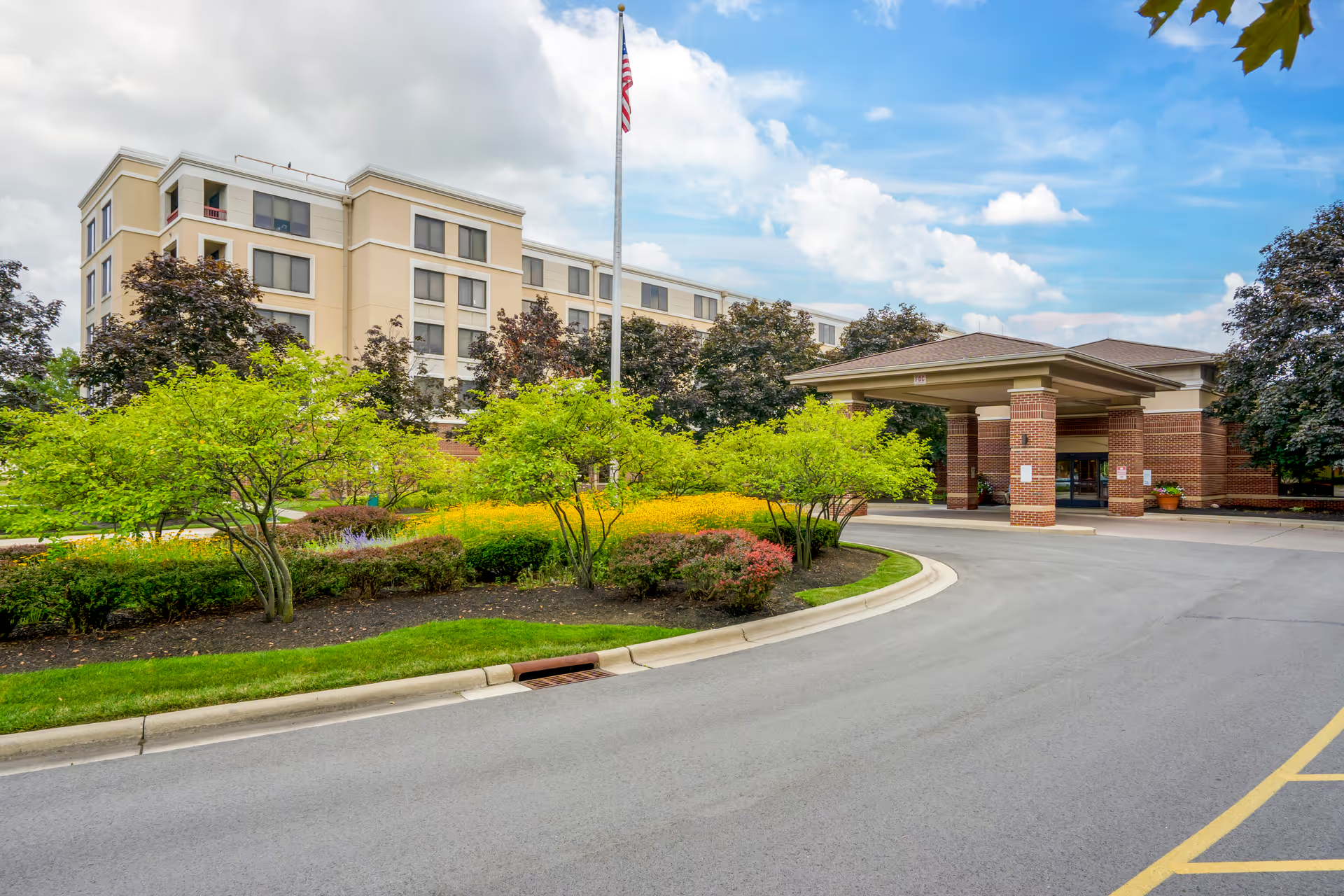
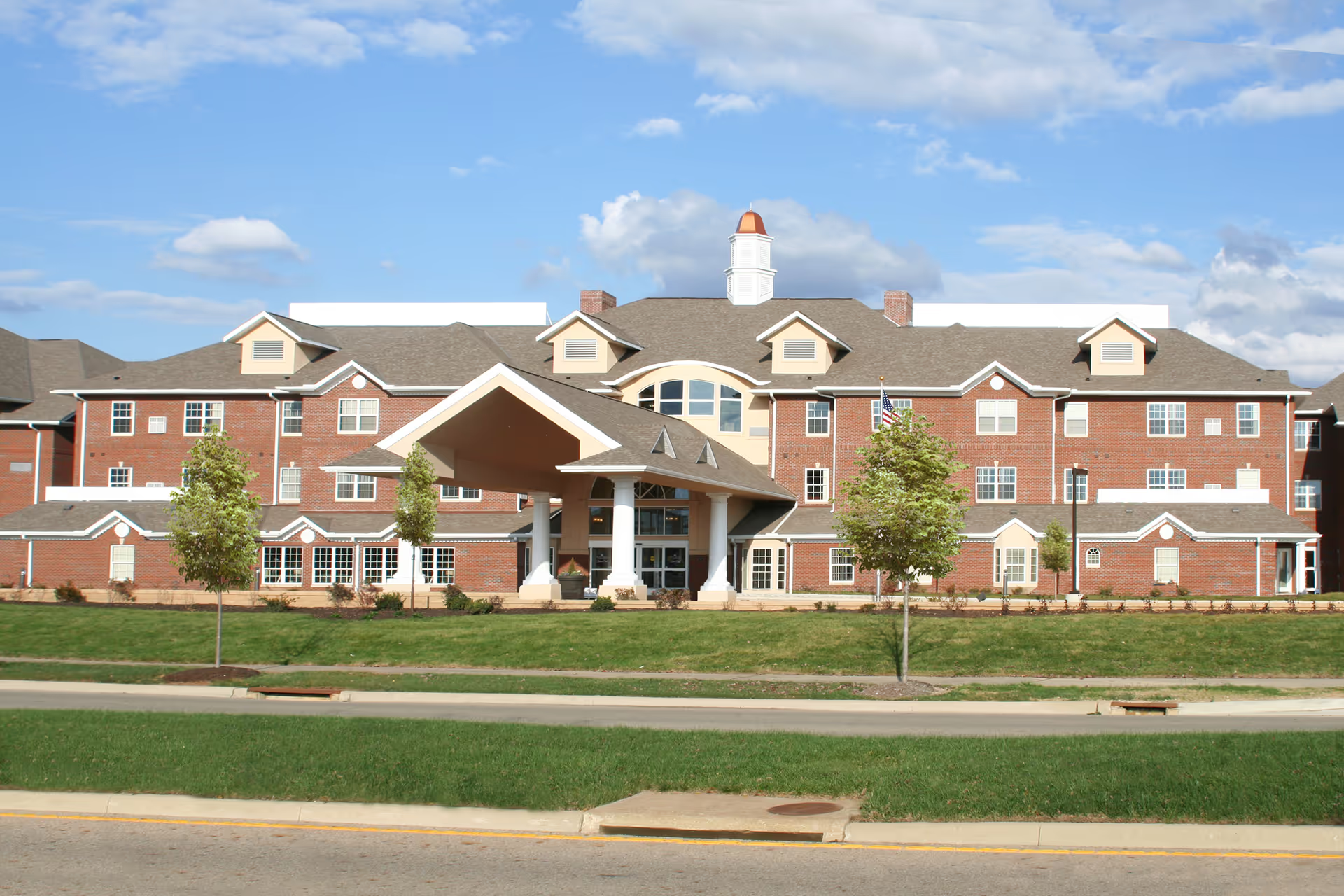
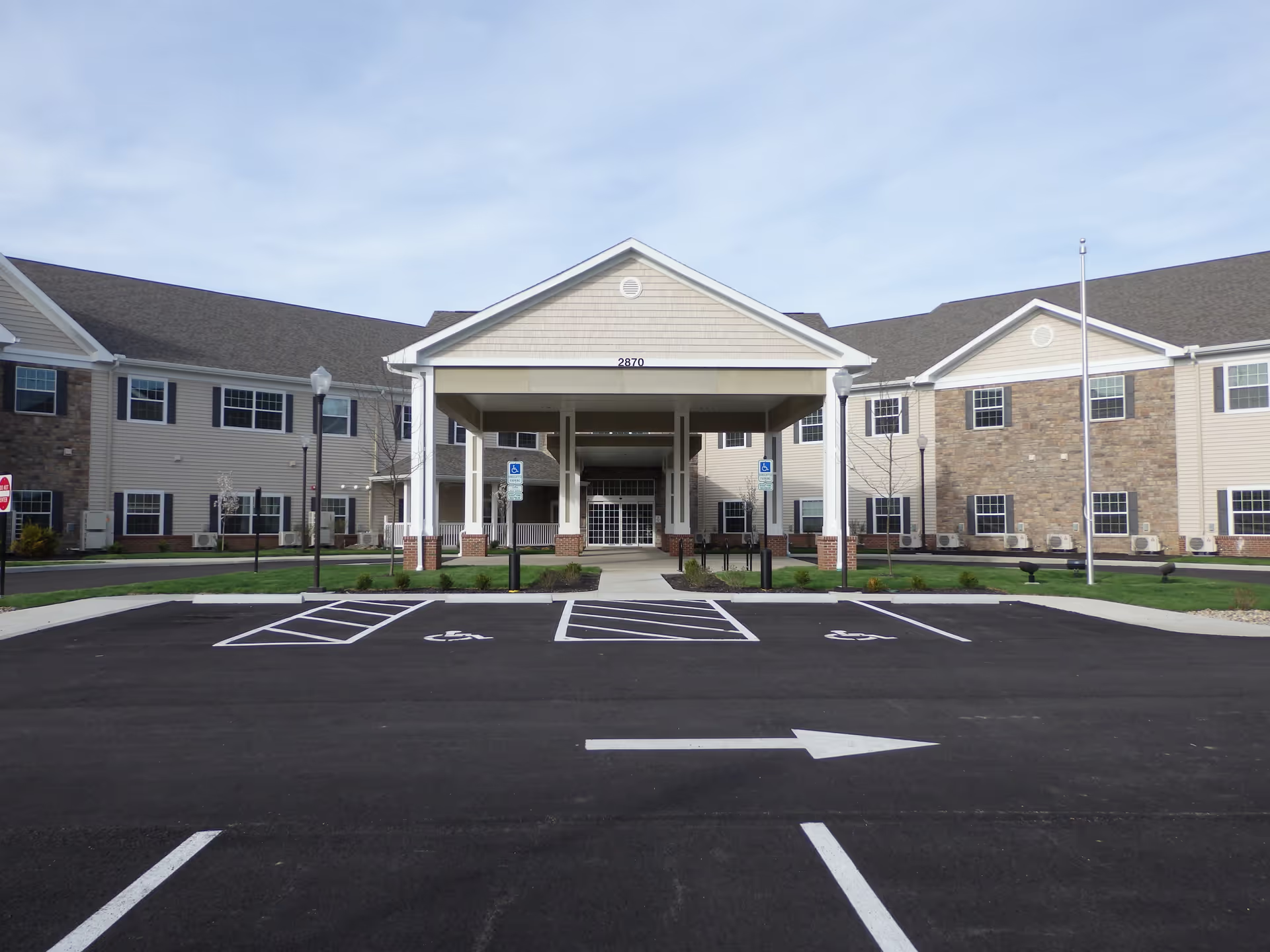
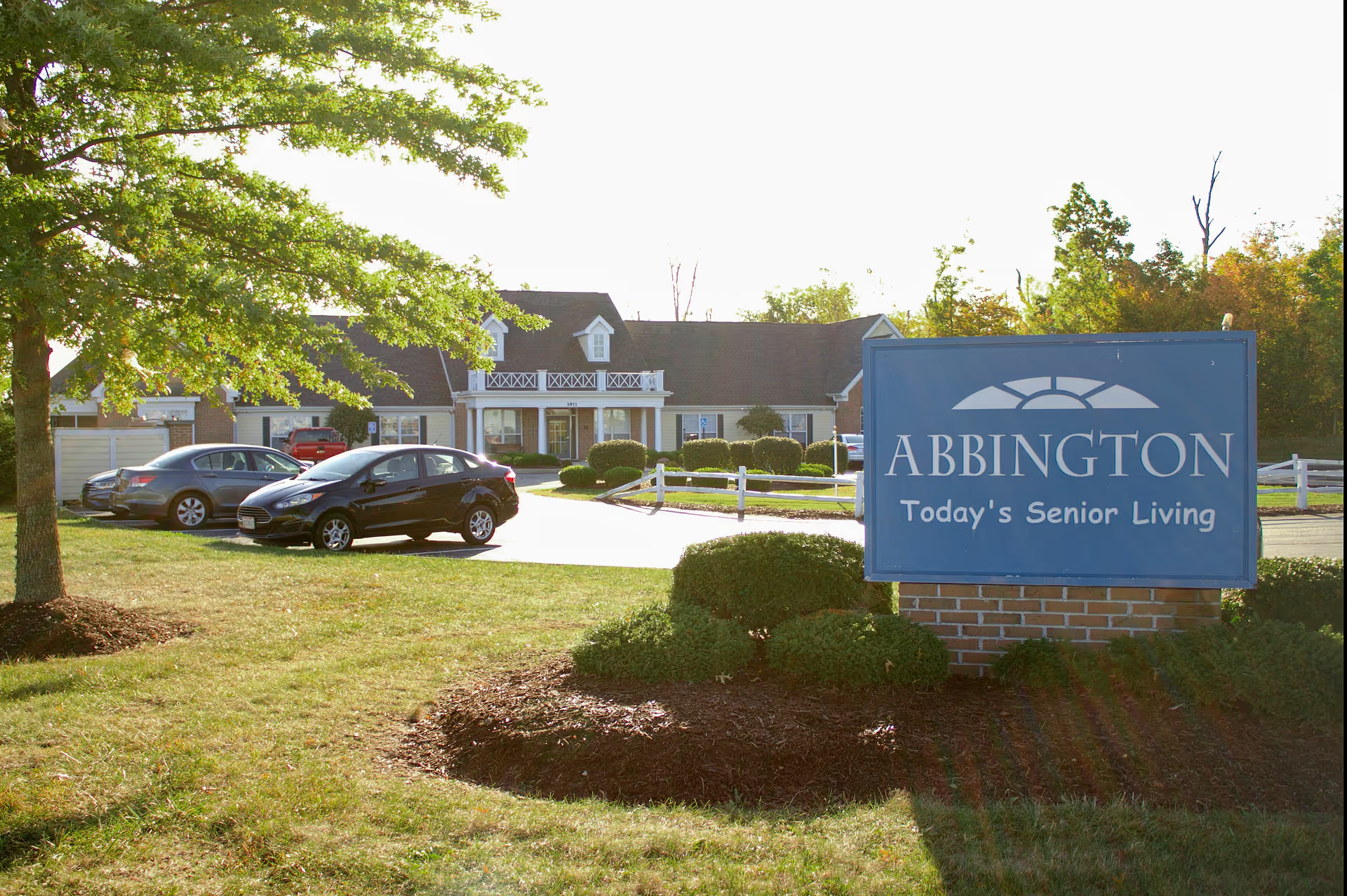
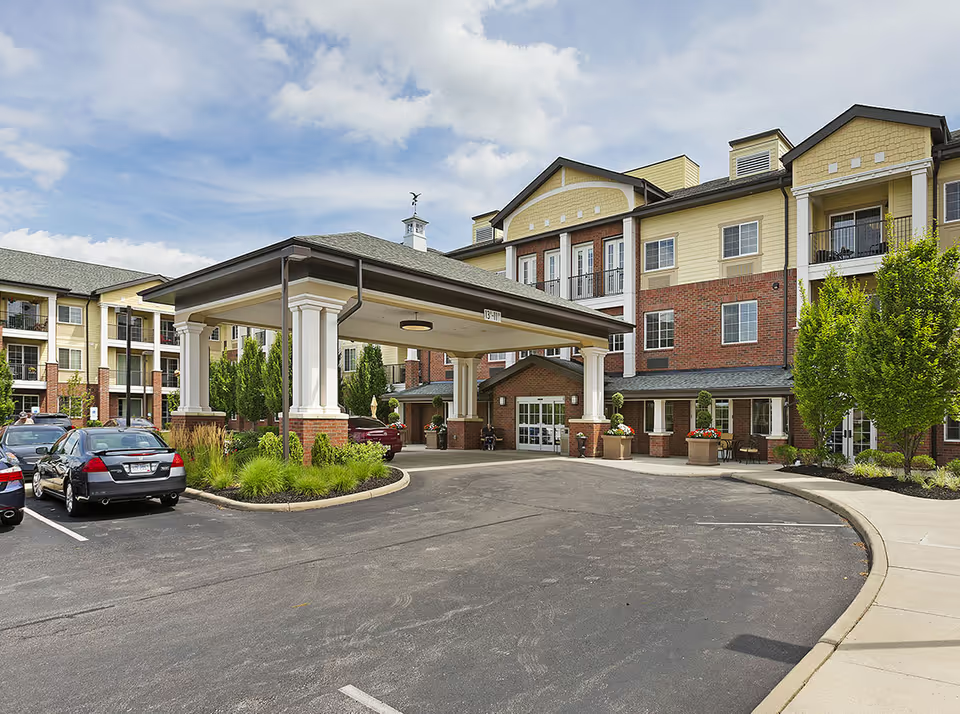
Facilities and environment The building and grounds earn consistent praise: updated décor, clean rooms, pleasant common areas, and a fenced outdoor area with supervision. Several reviewers suggested the monitoring system and alarm responsiveness could be improved — this is an operational detail to confirm during a tour.
Management and notable patterns Management impressions are mixed. While community-relations staff and some leaders receive positive mention for family engagement, other comments describe leadership turnover, past billing mistakes, and uneven managerial competence that affected morale and continuity of care. These patterns imply that administrative stability and clear financial practices are important points to verify in person. During pandemic-related restrictions, visitation policies followed infection-control guidance but some families wished for clearer, more consistent visitor guidelines.
Bottom line and practical recommendations Dublin Glenn offers many of the strengths families seek in memory care: a therapeutic, activity-rich environment; compassionate direct-care staff; modern facilities; and clinical oversight. At the same time, operational weaknesses — especially around staffing consistency, medication processes, communication, supply management, and billing/contract clarity — appear frequently enough to warrant attention. Prospective families should (1) ask for current staffing metrics and use of agency staff, (2) review medication-administration and monitoring protocols, (3) inspect dining menus and weight-monitoring practices, (4) get contract and billing terms in writing, and (5) discuss how activities and supervision are individualized for advanced-stage residents. These steps will help determine whether the community’s strengths align with a particular resident’s needs and risks.