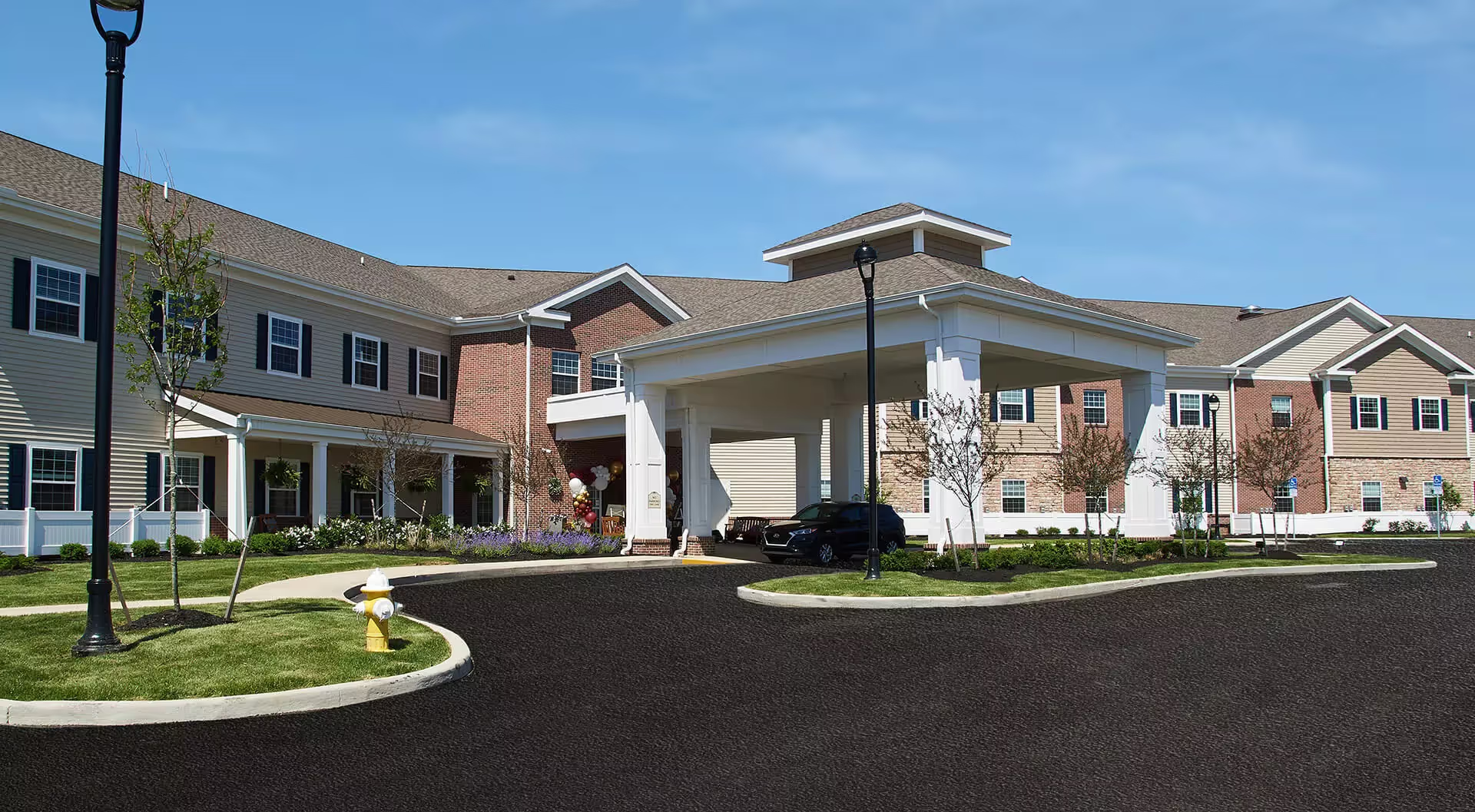
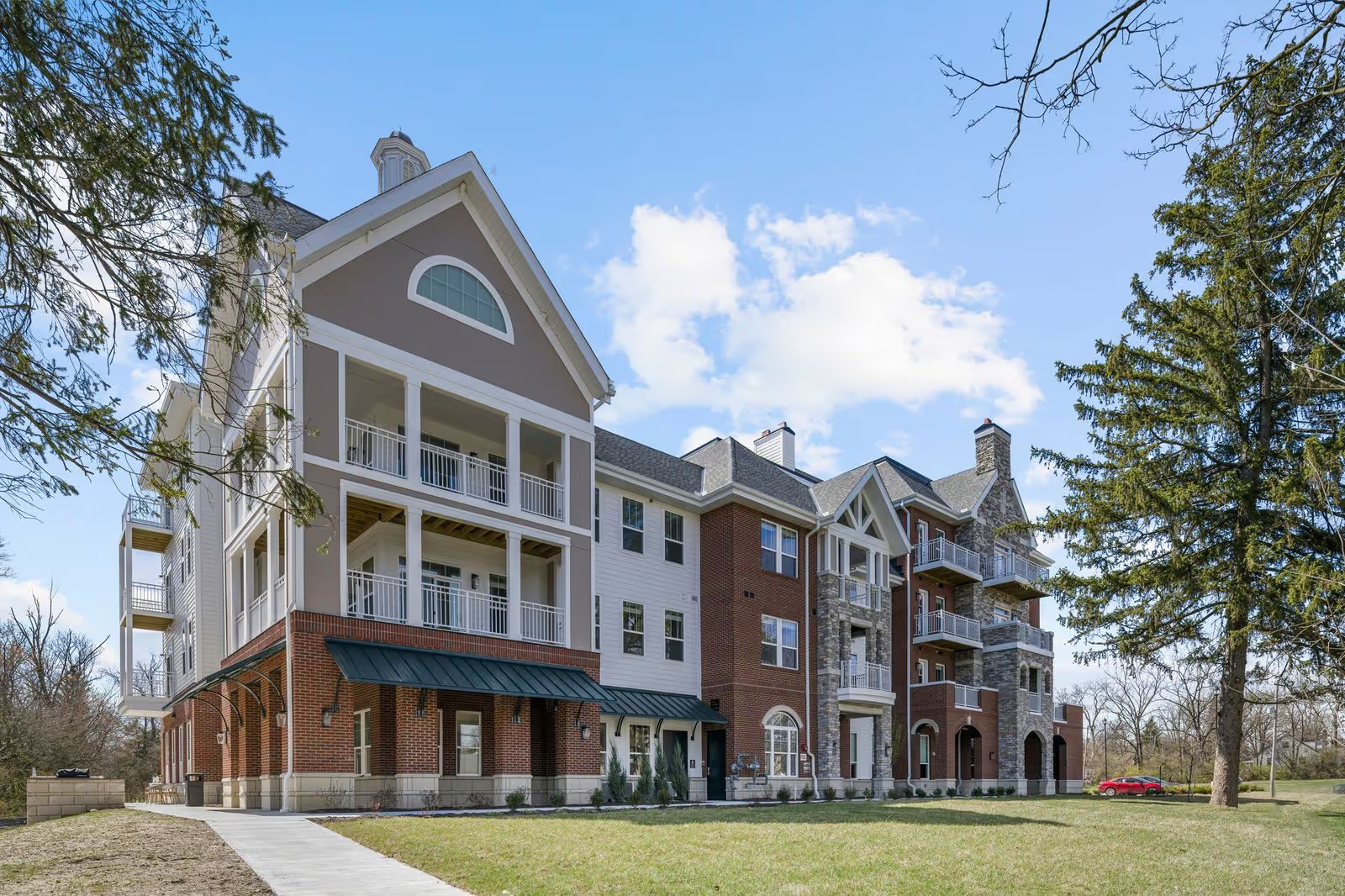
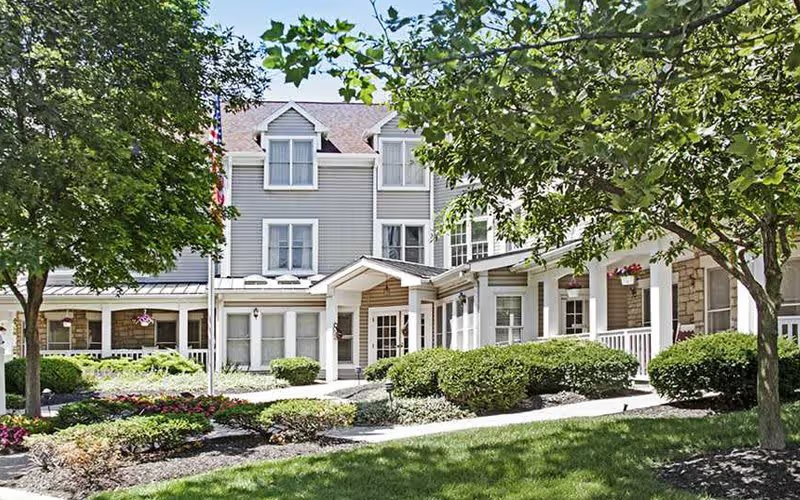
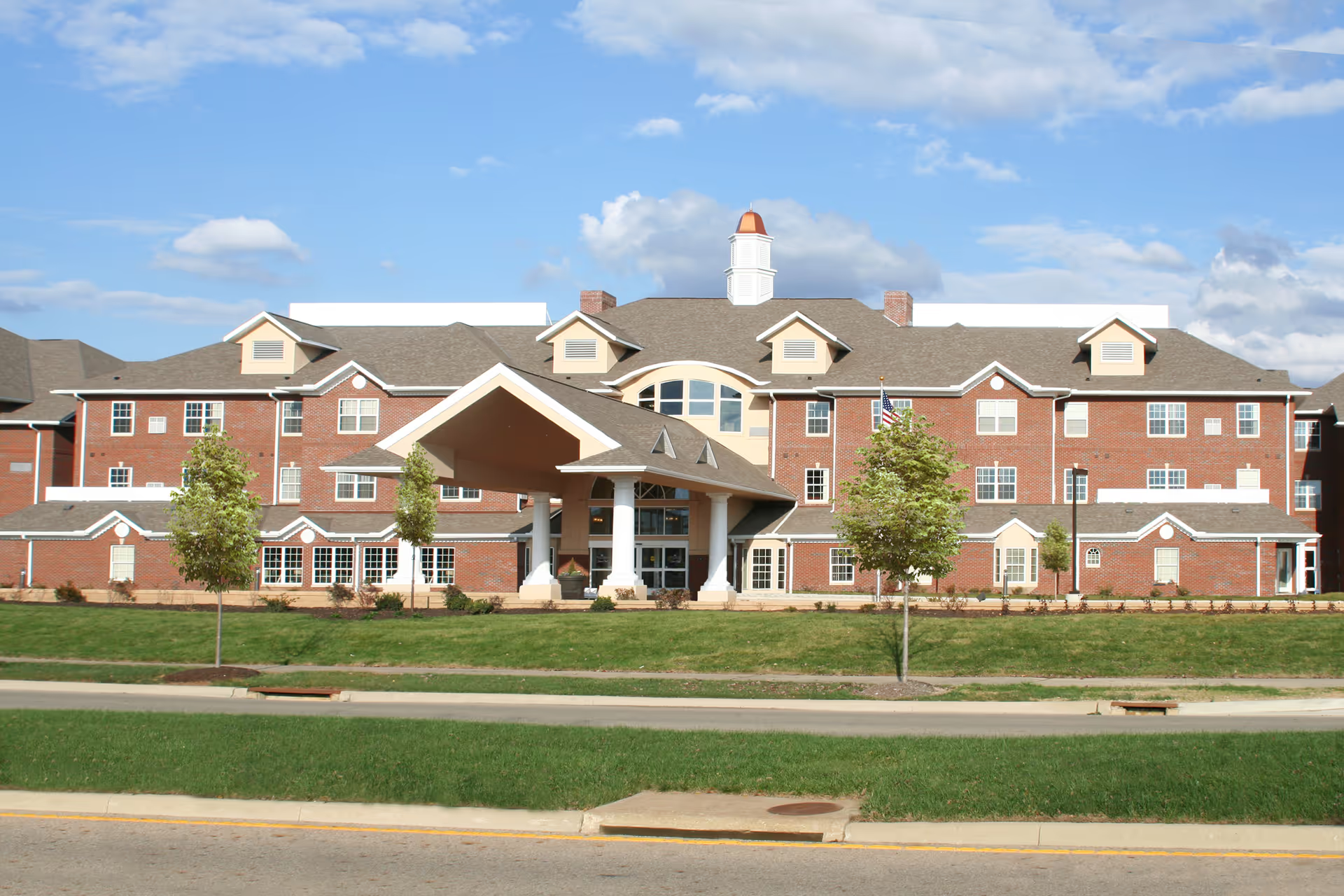
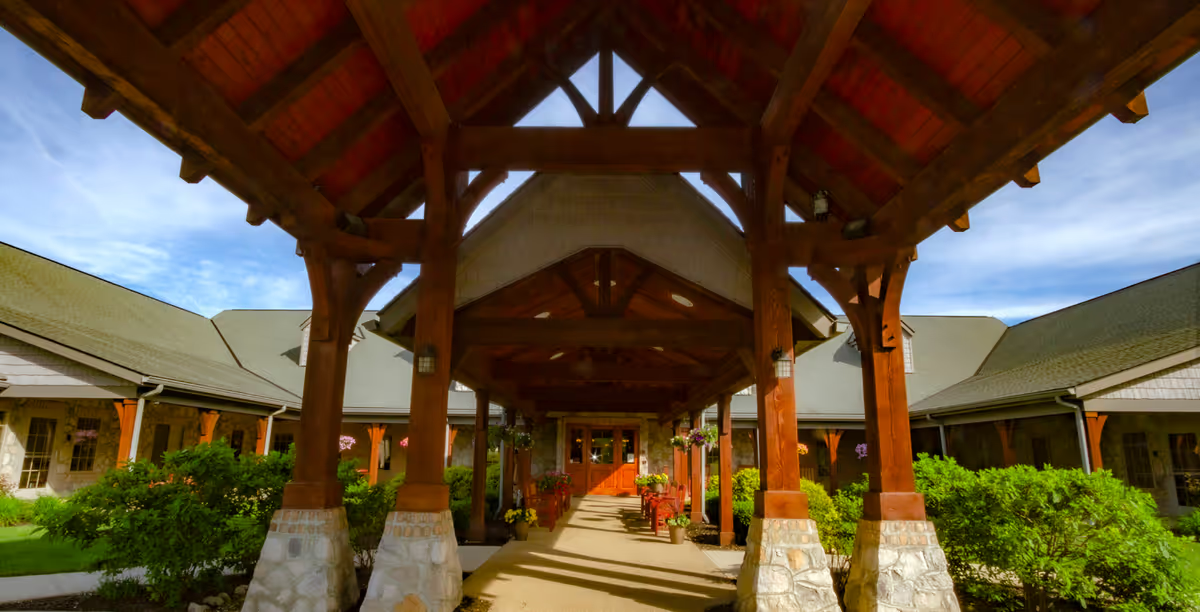
The Ashford of Grove City presents as a recently built, attractive senior living community with many physical strengths: bright, well‑lit common areas, a sheltered outdoor courtyard, spacious resident rooms with private bathrooms and in‑room amenities, and a large dining venue. Reviewers consistently praise the aesthetic and functional design of the building and the availability of rehabilitation and exercise programming. The activities program is described as varied and engaging, including coordinated memory‑care activities, group exercise, outings, and social events, which many families find beneficial for residents’ socialization and mood.
Care quality and staffing are areas of mixed feedback. Many families highlighted compassionate, attentive aides and nursing staff, effective therapy services, and communicative nursing leadership in individual cases. However, an operational pattern of inconsistent staffing levels and high staff turnover was noted across multiple accounts. These staffing challenges are linked to delays in personal‑care tasks (for example, bathing and call‑light response), intermittent gaps in medication administration and clinical follow‑up, and variable housekeeping and laundry reliability. A limited number of reviewers described serious clinical and responsiveness concerns following specific incidents; those accounts signal the need for clearer incident‑management protocols and stronger family communication when events occur.
Dining receives generally positive remarks about meal quality, presentation, and the dining-room experience, though reviewers also described occasional disruptions in kitchen continuity—particularly on weekends—resulting in pre‑packaged meals or scrambling to meet demand. Families should expect a mixture of sit‑down service and meal delivery depending on staffing and shift. Financially, the community advertises all‑inclusive options and participation in Medicaid‑waiver programs, but some families reported difficulties with pricing transparency, extra charges, and rent escalation that affected affordability over time.
Management and communication elicit polarized impressions. Several reviewers praised responsive leadership, named staff who provided consistent updates, and staff who went above and beyond. Conversely, others described challenges with management responsiveness, inconsistent messaging, difficulty reaching staff after hours, and periodic changes in leadership. These governance and communication issues appear to amplify the operational impact of staffing variability. Additional concerns include inconsistent credentialing or training among some direct‑care staff and reports of item loss in memory‑care units, which raise questions about security and asset controls.
Overall, The Ashford of Grove City offers a modern, well‑appointed physical environment with active programming and many compassionate caregivers. At the same time, recurring operational themes—primarily inconsistent staffing, variable execution of routine care tasks, communication gaps, and some transparency issues around billing and security—warrant attention. Prospective residents and families should tour the community, ask for current staffing ratios by shift, review medication‑administration and incident‑response policies, clarify fee structures and escalation history, and inquire about security measures in memory‑care units before making a placement decision.