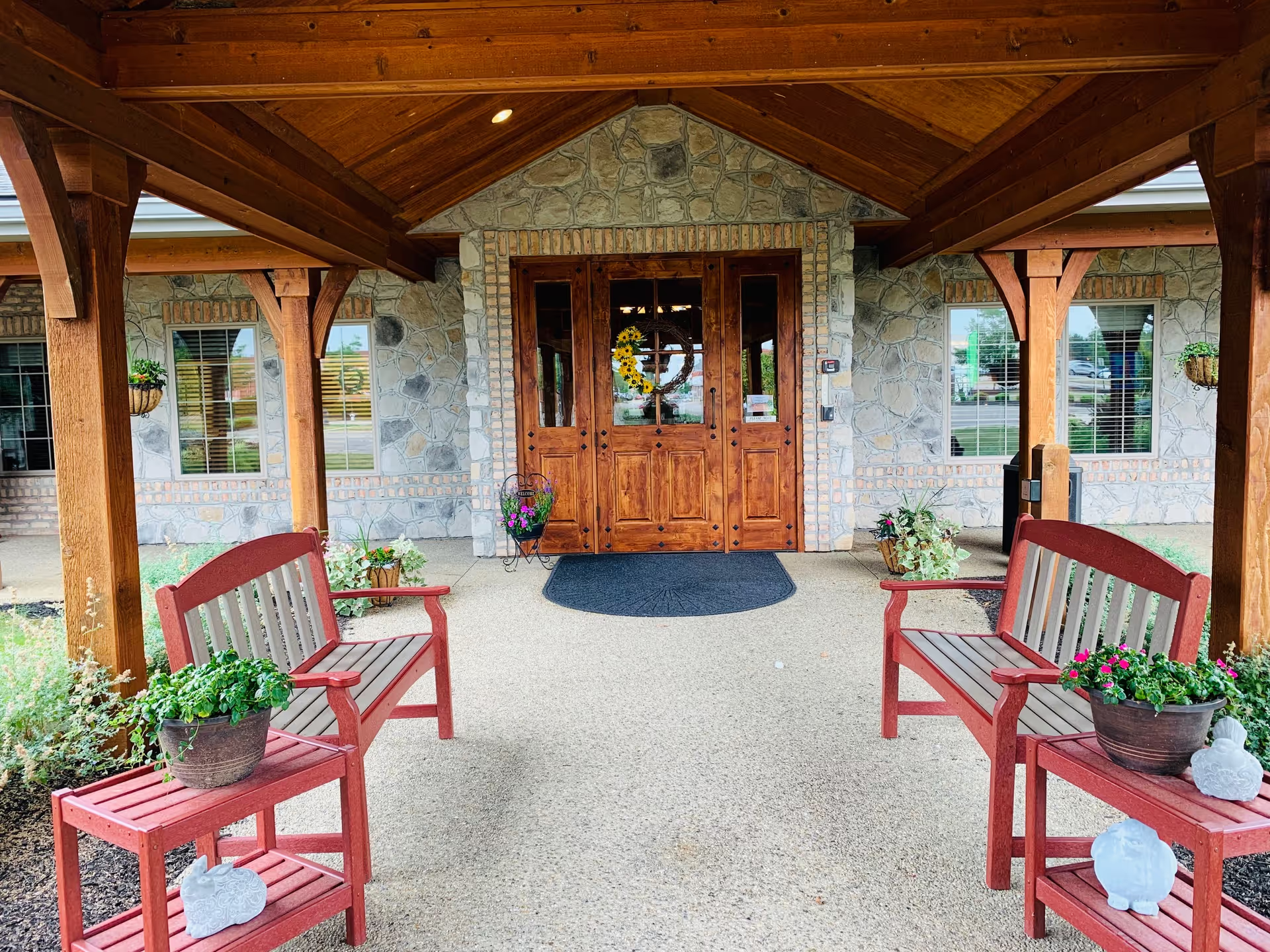
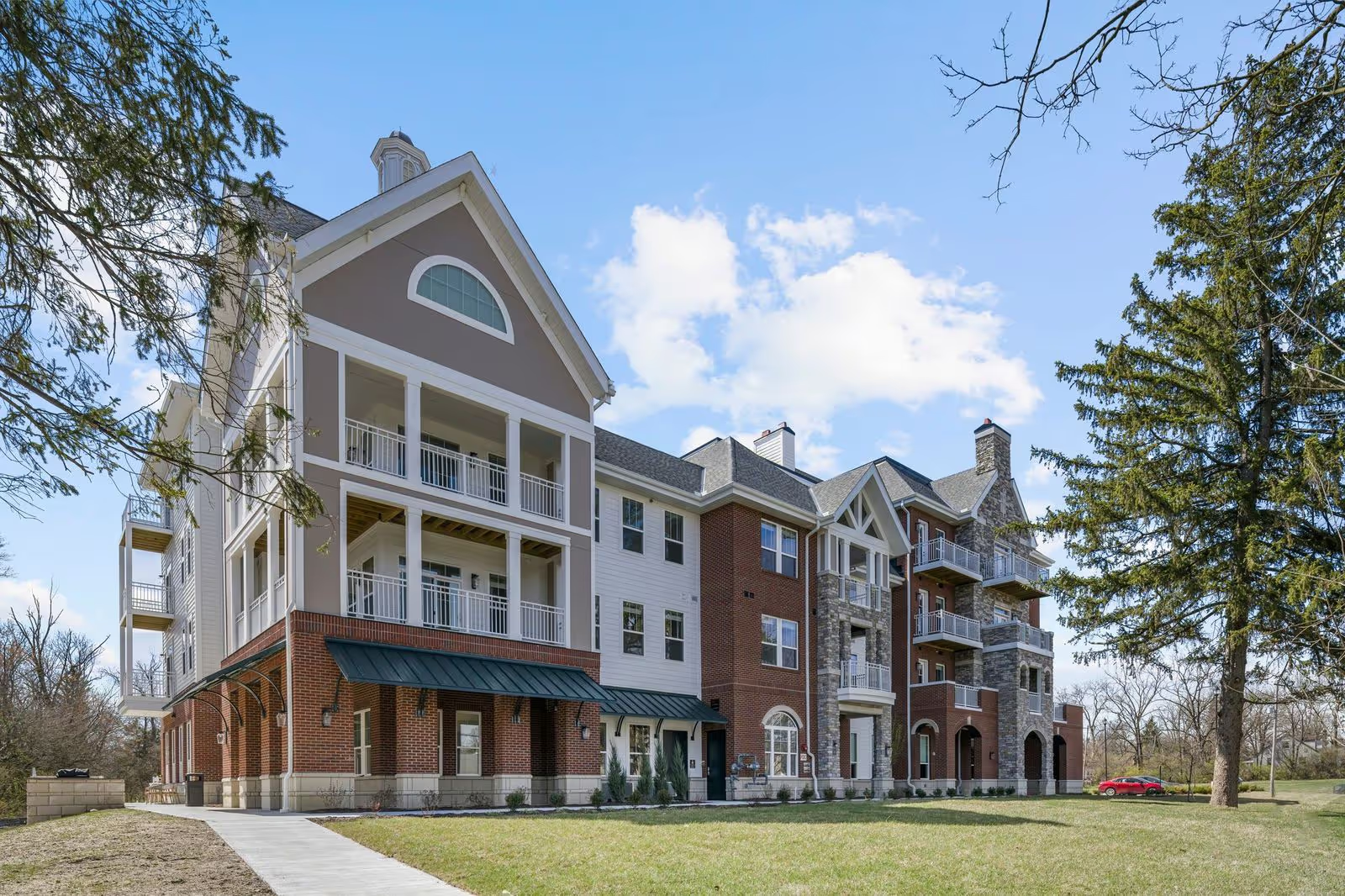
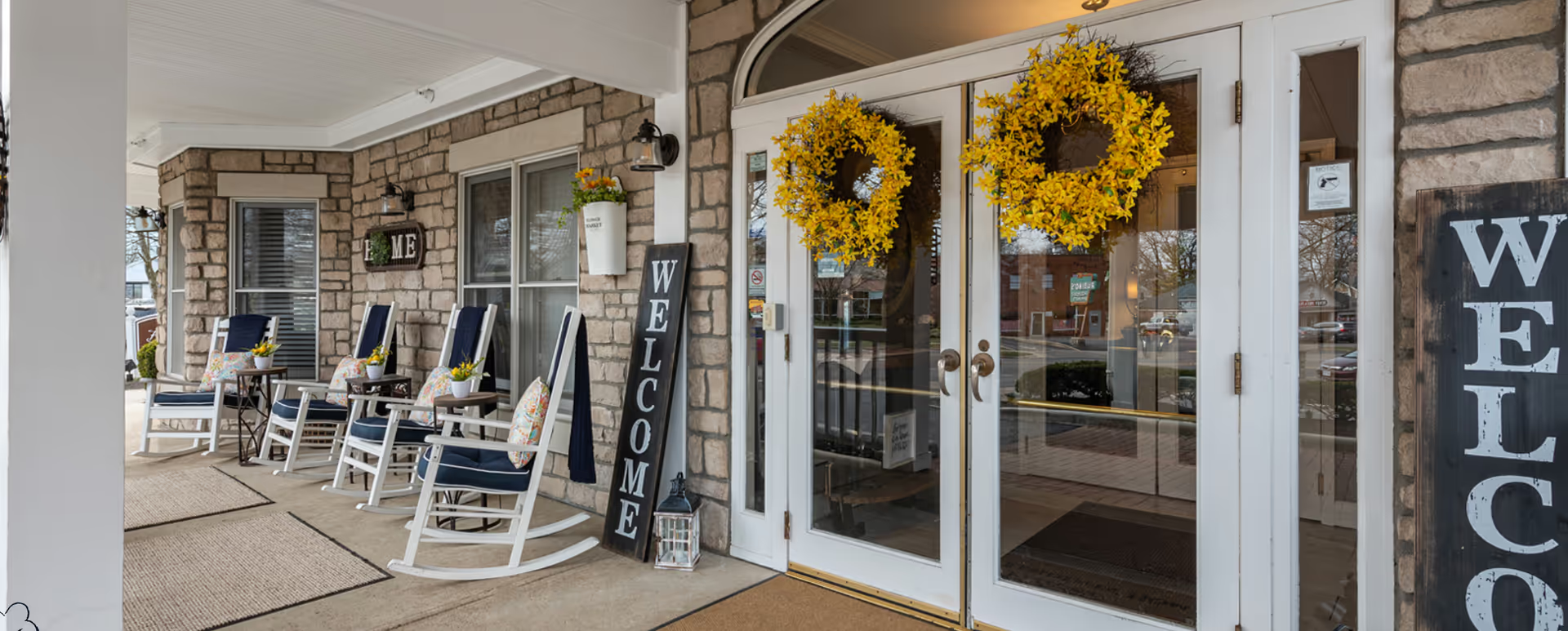
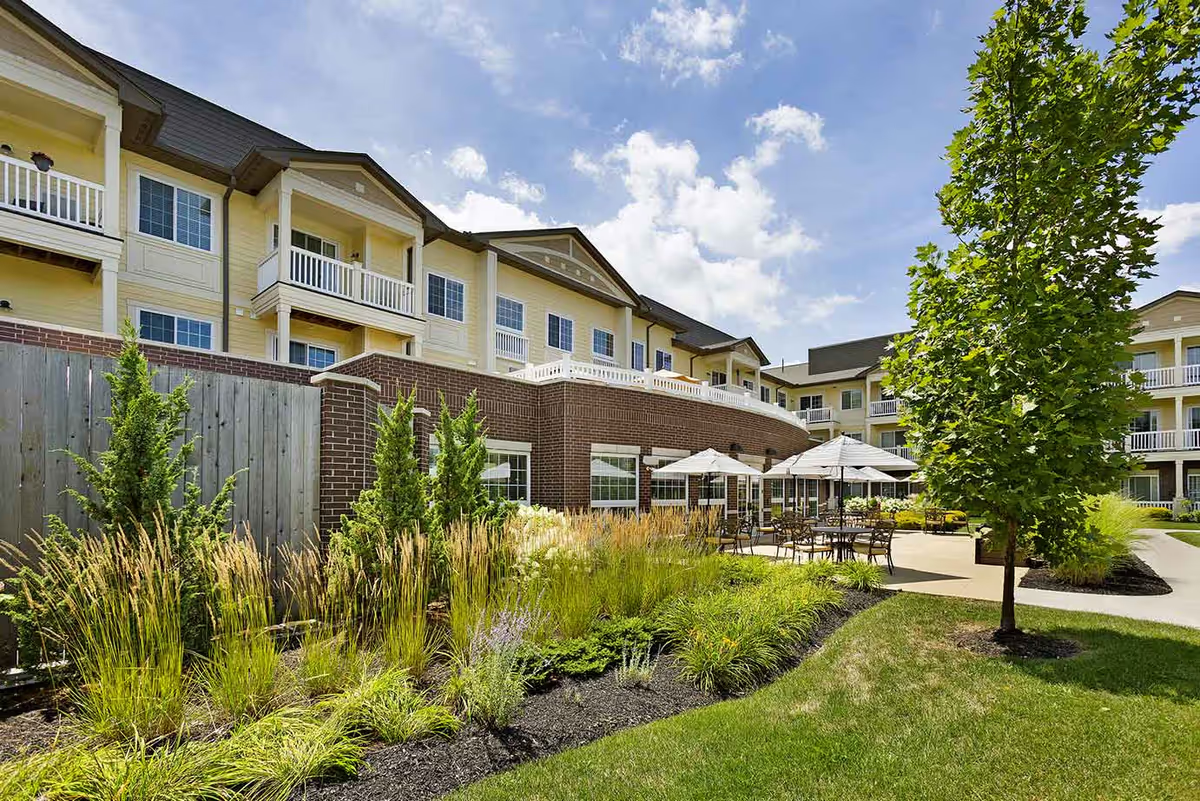
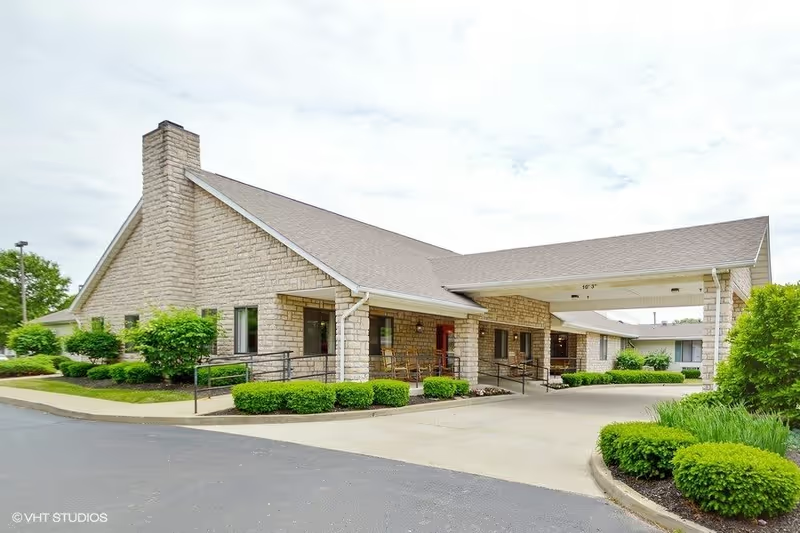
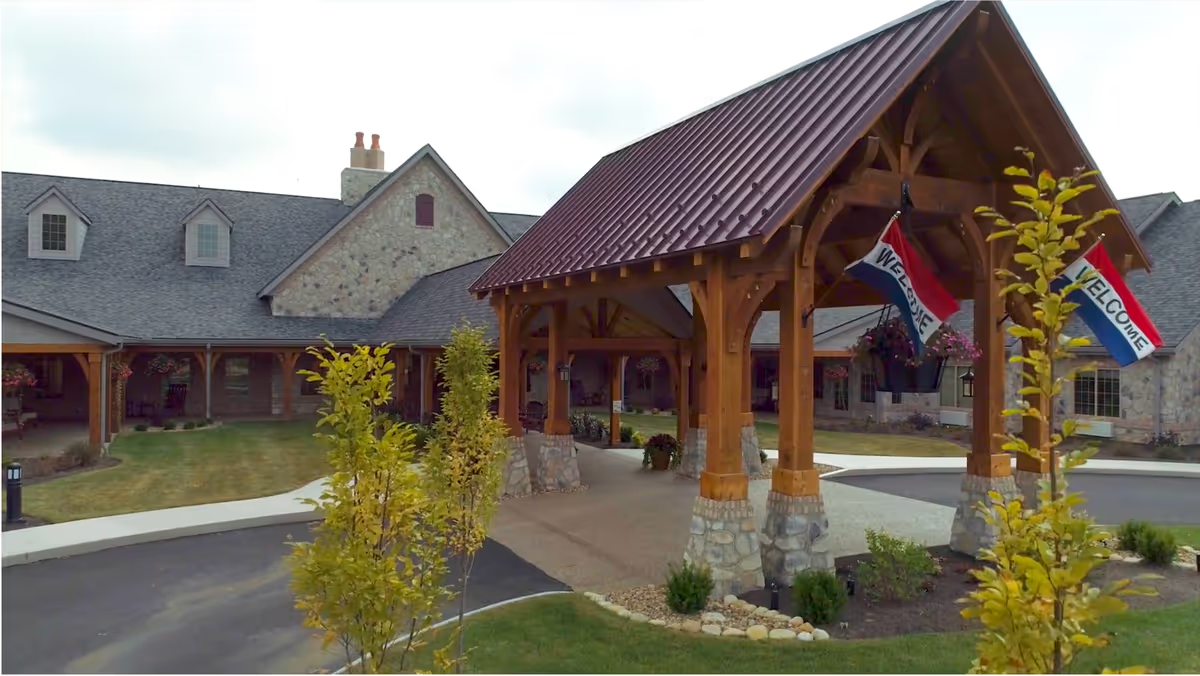
Brookdale Lakeview Crossing presents a mix of clear strengths and recurring operational weaknesses. Families and visitors frequently describe a warm, community‑oriented atmosphere supported by caregiving staff who are personable, attentive, and often go beyond routine duties to engage residents. The nursing and CNA teams receive many positive comments for compassion and responsiveness, and on‑site clinical services such as PT/OT are noted as well coordinated and helpful. Common areas are generally described as clean and well maintained, and the campus offers a range of apartment options and on‑site amenities (salon, dining rooms, activity spaces, transportation) that support social life and convenience.
Dining and activities are distinctive strengths for many residents. The community provides restaurant‑style dining with multiple menu choices, a professional chef in some dining venues, and regular social programming — exercise classes, bingo, gardening, music, happy hour and organized outings are mentioned repeatedly. These programs contribute to resident engagement and socialization and are often cited as improving quality of life.
At the same time, the facility shows consistent operational challenges. Staffing levels and shift coverage — particularly on nights and weekends — emerge as a frequent concern and are linked to variability in personal‑care delivery (timeliness of showers, assistance to meals) and in monitoring. Several families described inconsistent medication handling and communication around clinical changes, and there are identified gaps in follow‑through for some medical documentation and physician reporting. Safety processes for fall monitoring and emergency response also raise concerns for some families; while many staff respond promptly in routine situations, there are isolated but significant accounts of delayed responses that merit attention.
Cleanliness and housekeeping present a mixed picture: public spaces and shared amenities are commonly described as well cared for, but private rooms show uneven standards, including sanitation and pest‑control concerns in some units. Food quality is likewise variable — while many praise the variety and presentation, others find meal taste and menu options inconsistent (with particular limitations noted in memory‑care dining and vegetarian choices). Memory care elicits polarized feedback: staff in that unit are often praised for skill and patience, yet several comments indicate limited activity programming and resource constraints after staffing changes.
Administrative and billing processes are additional areas of variability. Reviewers describe inconsistent move‑in coordination, occasional confusion over move‑in fees and discounts, and periodic price increases with unclear justification. Communications from management can be responsive and helpful at times, but other families experienced delays in resolution or inconsistent follow‑through. Together these operational patterns — staffing variability, uneven room housekeeping, inconsistent clinical and medication processes, and financial/administrative opacity — represent the primary areas for improvement.
Overall, Brookdale Lakeview Crossing appears to offer a strong social environment, engaging programming, and many committed frontline caregivers. Prospective residents and families should weigh those strengths against the facility’s operational variability: confirm current staffing levels and shift coverage, clarify billing and move‑in terms in writing, review memory‑care programming and dining options for specific needs, and ask about the facility’s fall‑response and medication‑management protocols before making a placement decision.