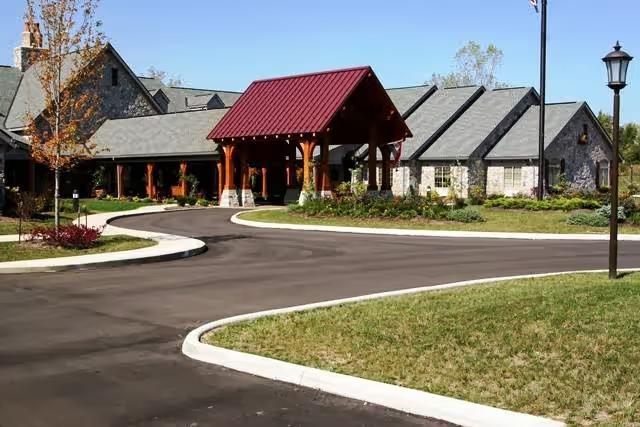
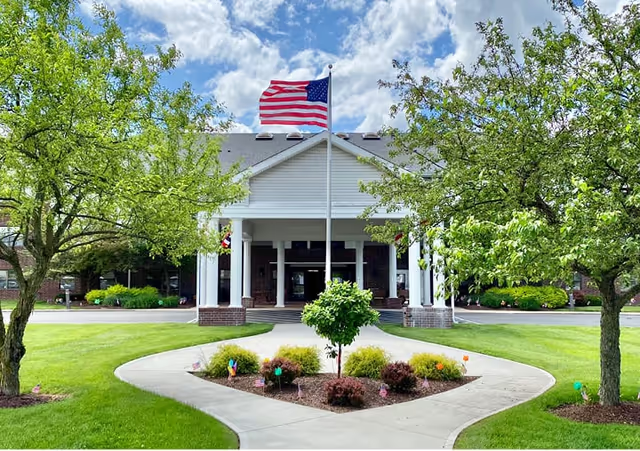
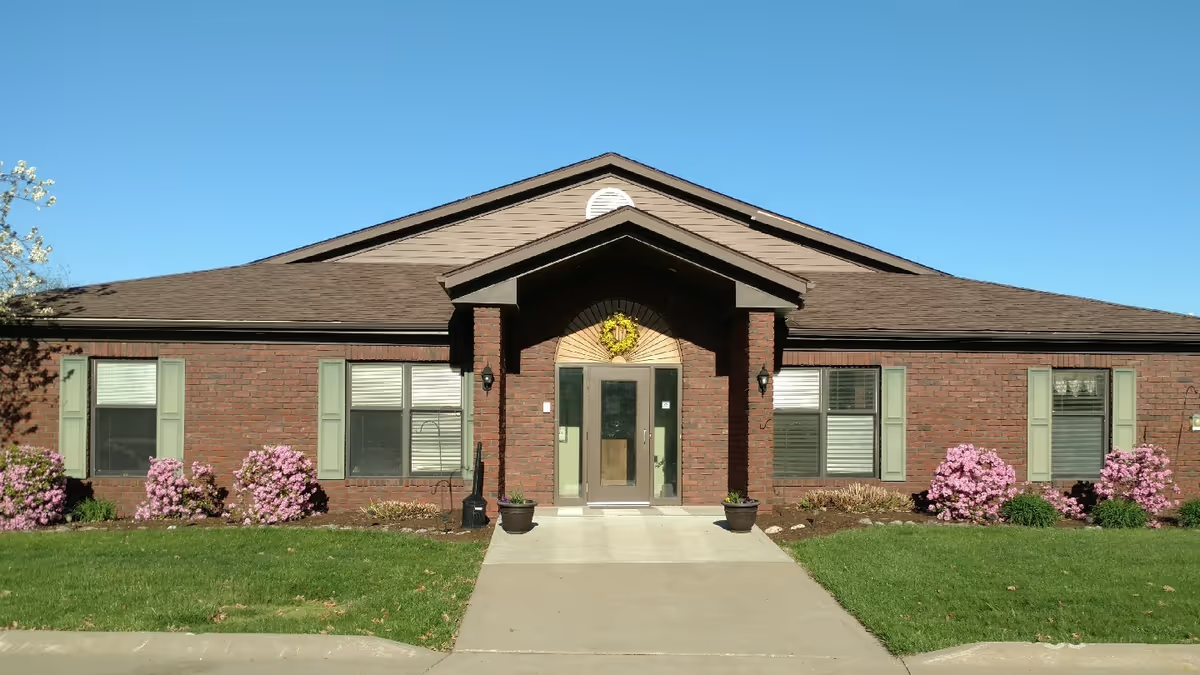
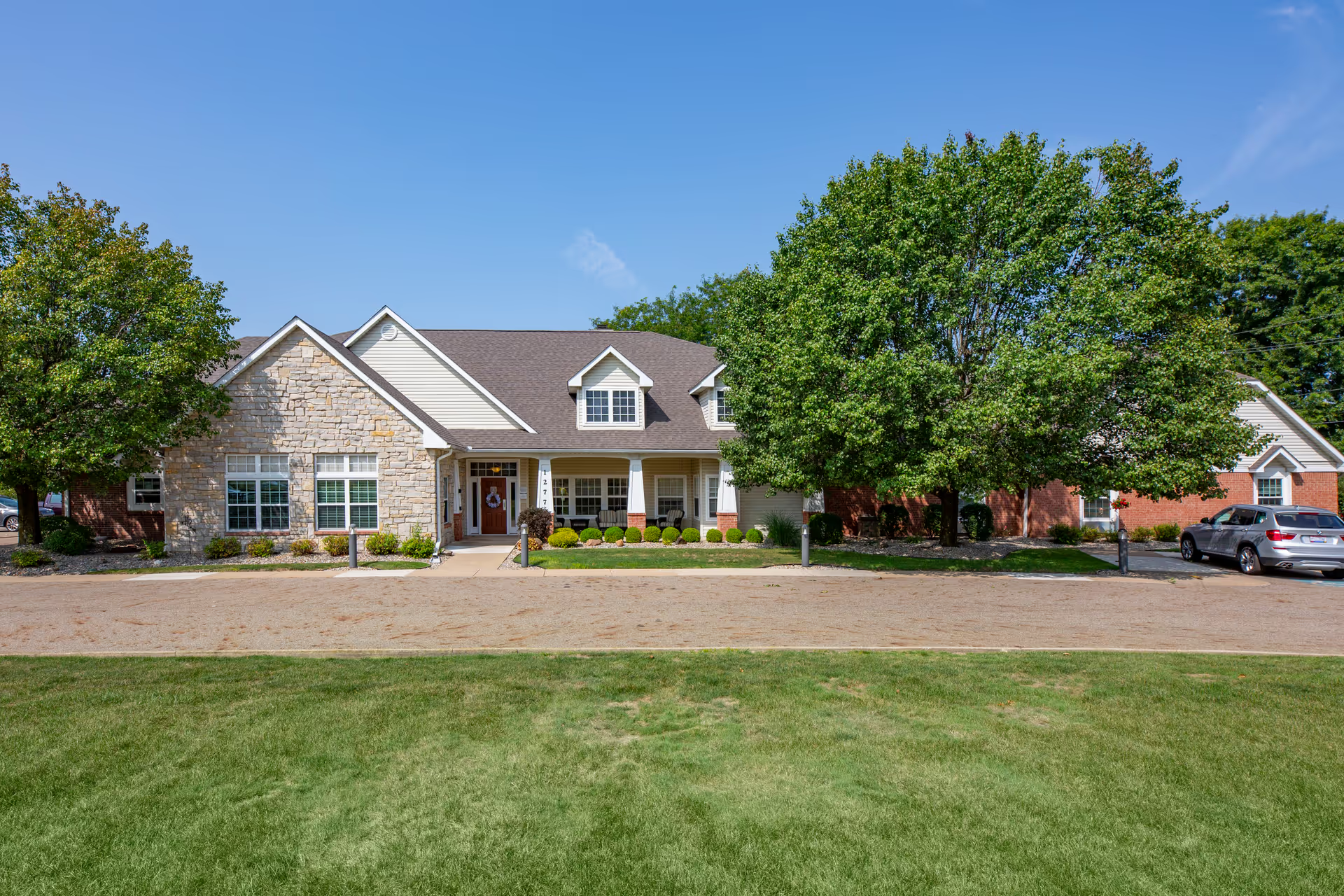
The HomeStead at Gentlebrook is consistently described as an attractive, well-kept memory-care community with strengths in day-to-day caregiving and community life. Reviewers emphasize a clean, well-maintained interior, spacious resident rooms, and an overall welcoming atmosphere aided by a friendly front desk and common social spaces. The facility’s physical attributes and tidiness are frequently noted as supporting a positive first impression.
Care quality and staff impressions are a clear strength in the available feedback. Many accounts describe compassionate, attentive aides who interact frequently with residents, assist with personal-care needs, and provide support to family members — including end-of-life care. Multiple comments convey confidence in the caregiving team and appreciation for staff members who go above and beyond routine duties.
Dining and activities receive generally positive mentions but with some informational gaps. Several families refer to home-style, family-friendly meals and holiday programming, and the community appears to offer regular activities that encourage socialization. However, details about specific menus and daily activity schedules are not always available in the listings; some information appears to be published primarily through the community’s social channels rather than in formal documentation.
Despite these strengths, there are operational concerns that prospective families should evaluate. A small number of accounts raised medication-related issues that suggest gaps in medication administration and documentation processes; these incidents have contributed to broader questions about clinical oversight. Relatedly, comments about staffing and management stability indicate variability in administrative follow-through and supervision. Some families also described administrative decisions that felt abrupt, leading to uncertainty about admission and resident-retention practices.
Transparency and communication emerge as cross-cutting themes. While many families praised direct staff interactions, others noted limited clarity around certain operational areas (for example, formal activity/calendar information and dining particulars), and a few described communication shortfalls tied to administrative decisions. The facility’s visitation policies during infection-control periods were experienced as restrictive by some families; prospective residents should inquire about current visitation flexibility and protocols.
In summary, The HomeStead at Gentlebrook appears to offer a warm, well-maintained memory-care environment with a caregiving team that many families find compassionate and engaged. At the same time, prospective residents and their representatives should probe clinical oversight (particularly medication management), staffing and leadership stability, and the facility’s communication practices about dining, activities, and admission/retention policies to ensure alignment with their expectations and care needs.