Overall impression: The Meadows of Kalida is described predominantly as a clean, welcoming facility with a strong frontline caregiving culture. Reviews emphasize competent nursing and aide teams, successful short-term rehabilitation outcomes, and a general sense of resident safety and comfort. Many families express peace of mind based on staff attentiveness, the facility’s environment, and accessible therapy services.
Care and staff: Care quality is frequently characterized as compassionate and skilled. Reviewers highlight nurses and aides who are respectful, engaged, and visible throughout the day; several accounts describe smooth recoveries and positive rehab experiences. Leadership is often described as professional and collaborative, and staff are noted to tailor care plans to resident needs. There are repeated comments that staff seem to enjoy their work, which reviewers connect to approachable interactions and a family-oriented atmosphere.
Dining and activities: Dining is presented as varied and accommodating to dietary requirements, with reviewers noting multiple food choices and tailored meal options. Social programming is robust, including daily activities, bingo, bus outings, and on-site social features such as a coffee/sweets area. These elements are associated with good socialization and resident engagement.
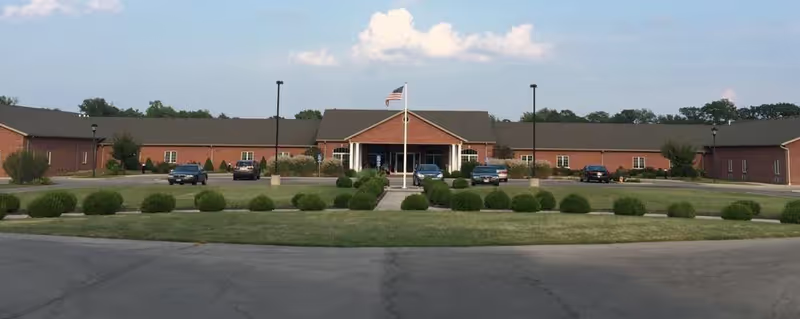
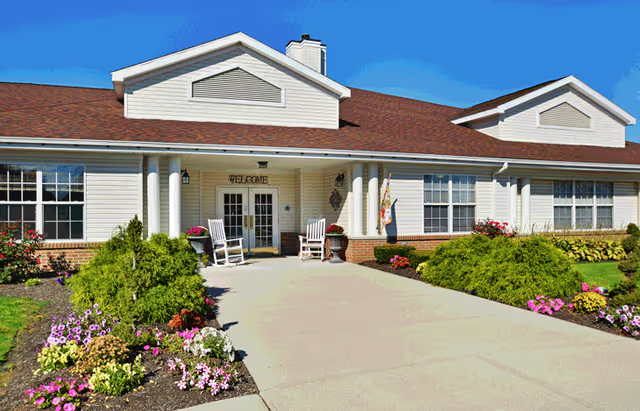
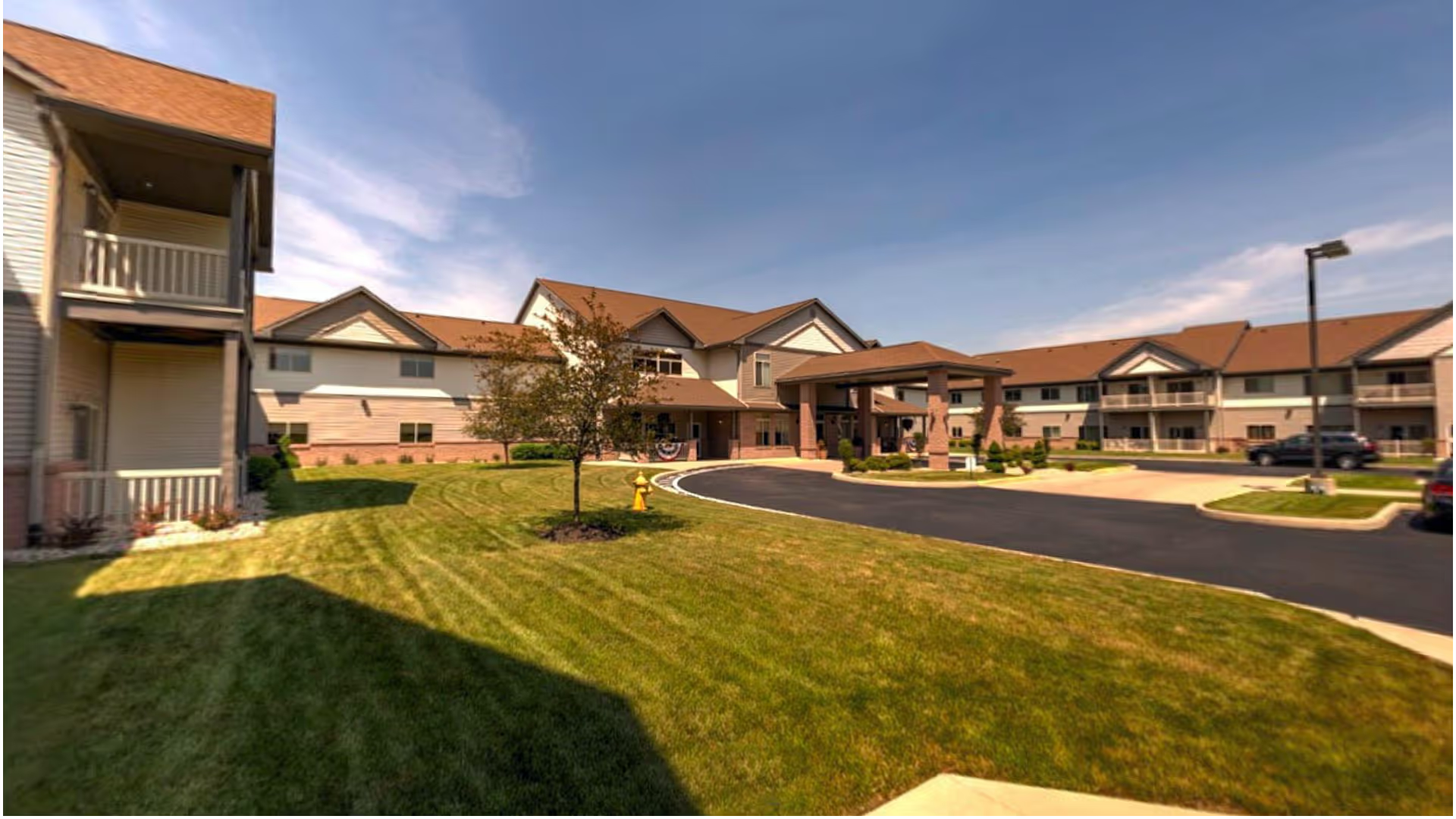
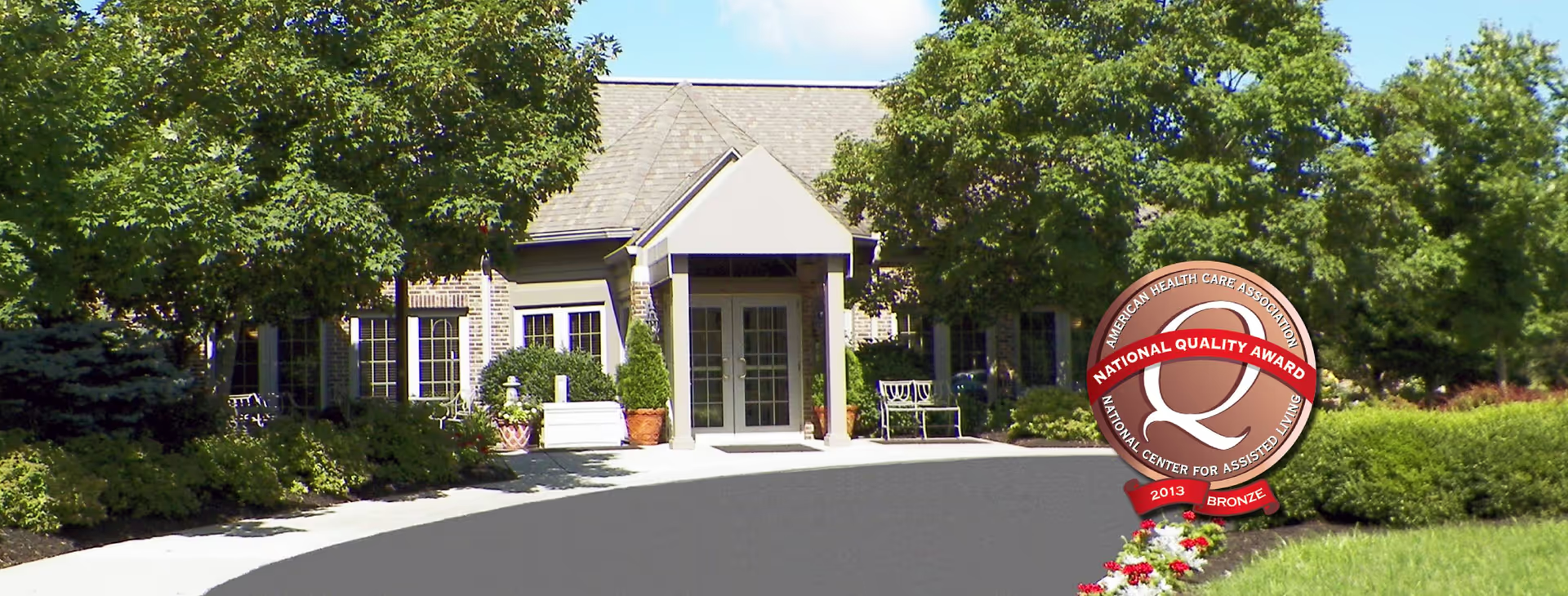
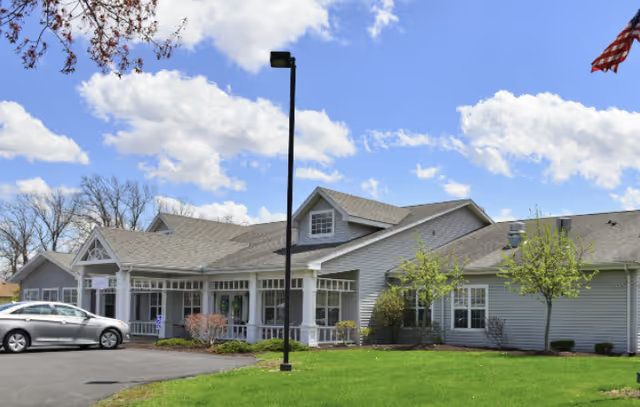
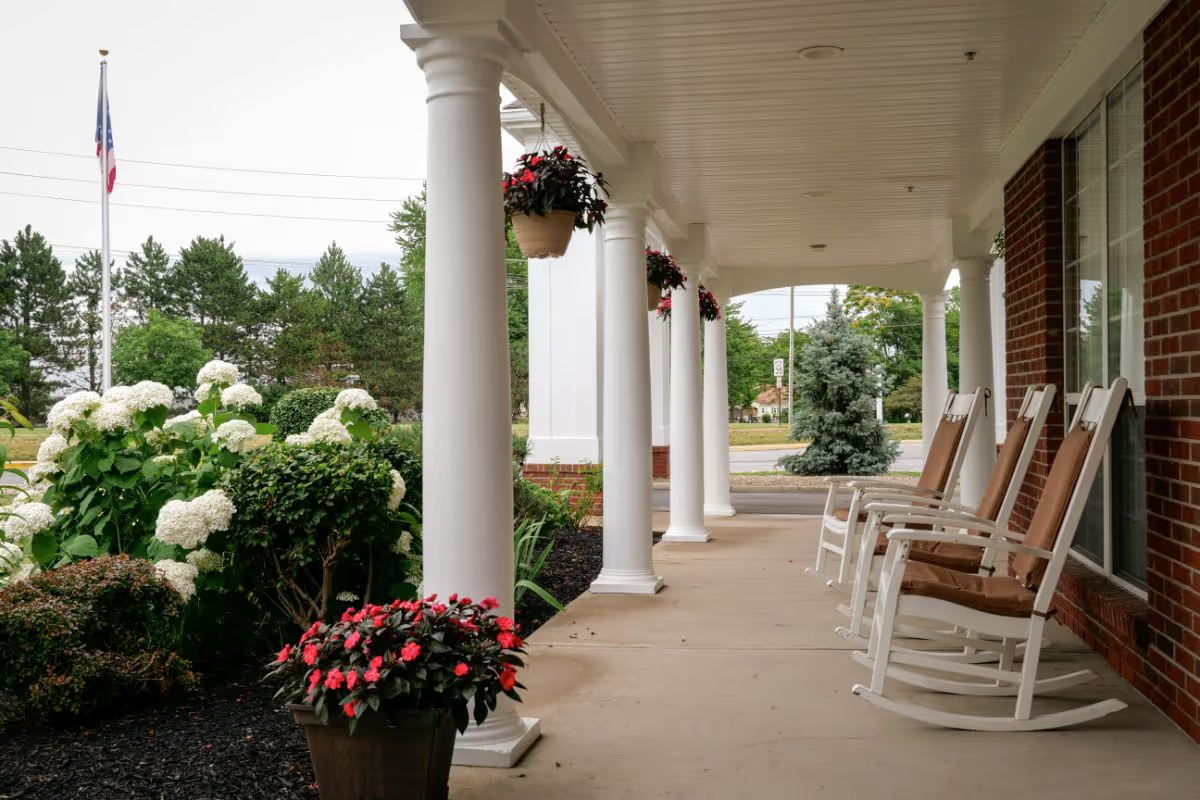
Facilities and operations: The physical environment is described as very clean, inviting, and laid out to feel home-like. Common areas, accessible staffing, and a perceived safe environment contribute to families’ confidence. Therapy services are noted for convenient scheduling and flexibility, which supports rehabilitation goals and transitions back home.
Management and notable patterns: While many reviews praise leadership as responsive and communicative, there is a contrasting thread in which a minority of reviewers express concerns about senior management behavior and decision-making. Specifically, some families describe care decisions being made without sufficient input from bedside nursing staff or family members and perceive a lack of empathy at the administrative level. This creates a pattern of mixed experiences: consistently positive frontline care paired with occasional governance or communication frustrations.
What to watch for and suggested next steps: Prospective residents and families should weigh the facility’s strong frontline care, cleanliness, activity programming, and rehab capabilities against the possibility of variable administrative interactions. When touring, consider asking how care decisions are made and documented, how family and nurses are involved in care planning and changes, and what escalation pathways exist for concerns. Observing a mealtime, an activity, and speaking with both frontline staff and a member of senior leadership can help clarify whether the facility’s day-to-day practice aligns with family expectations.