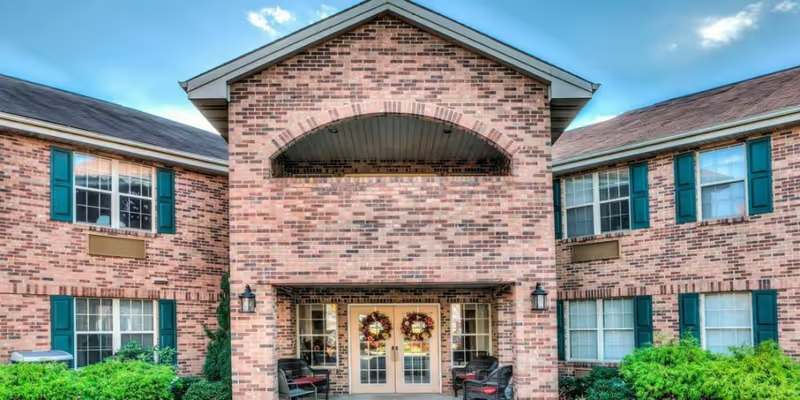
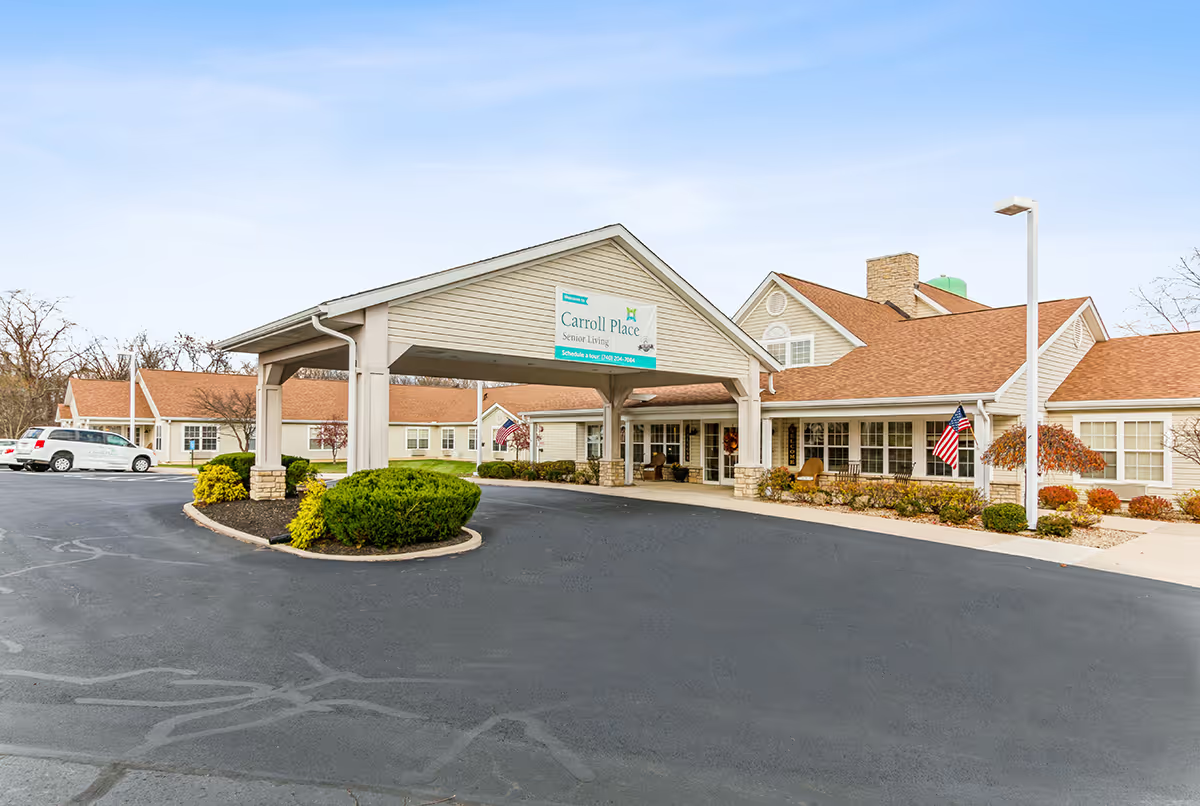
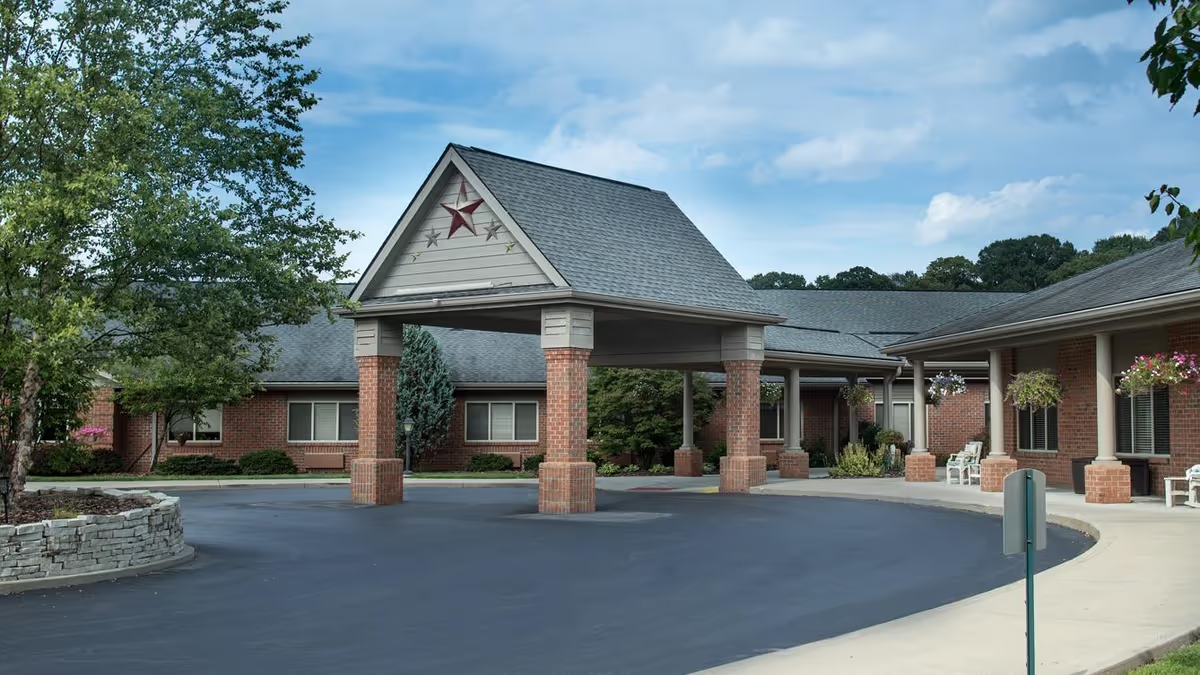
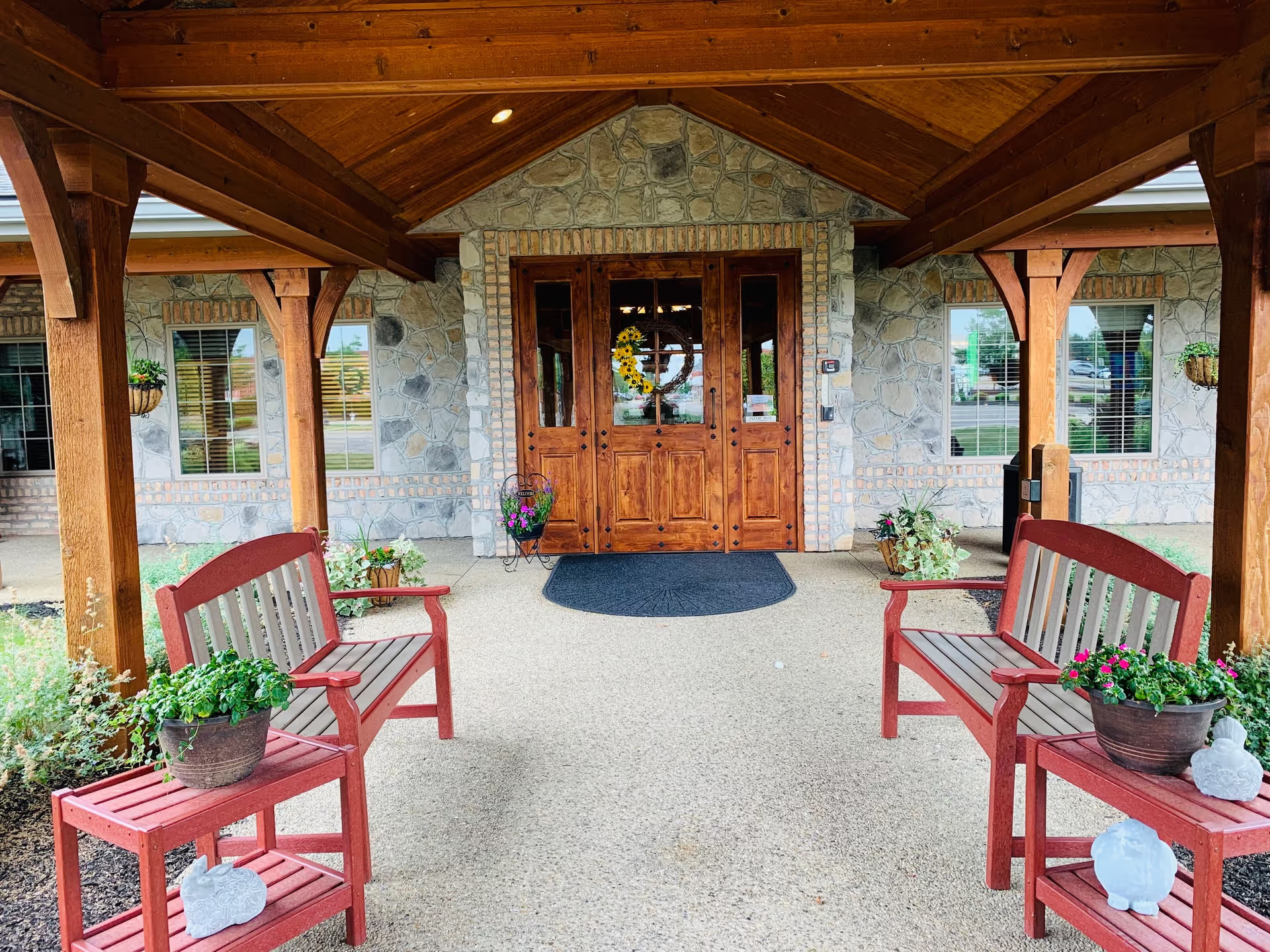
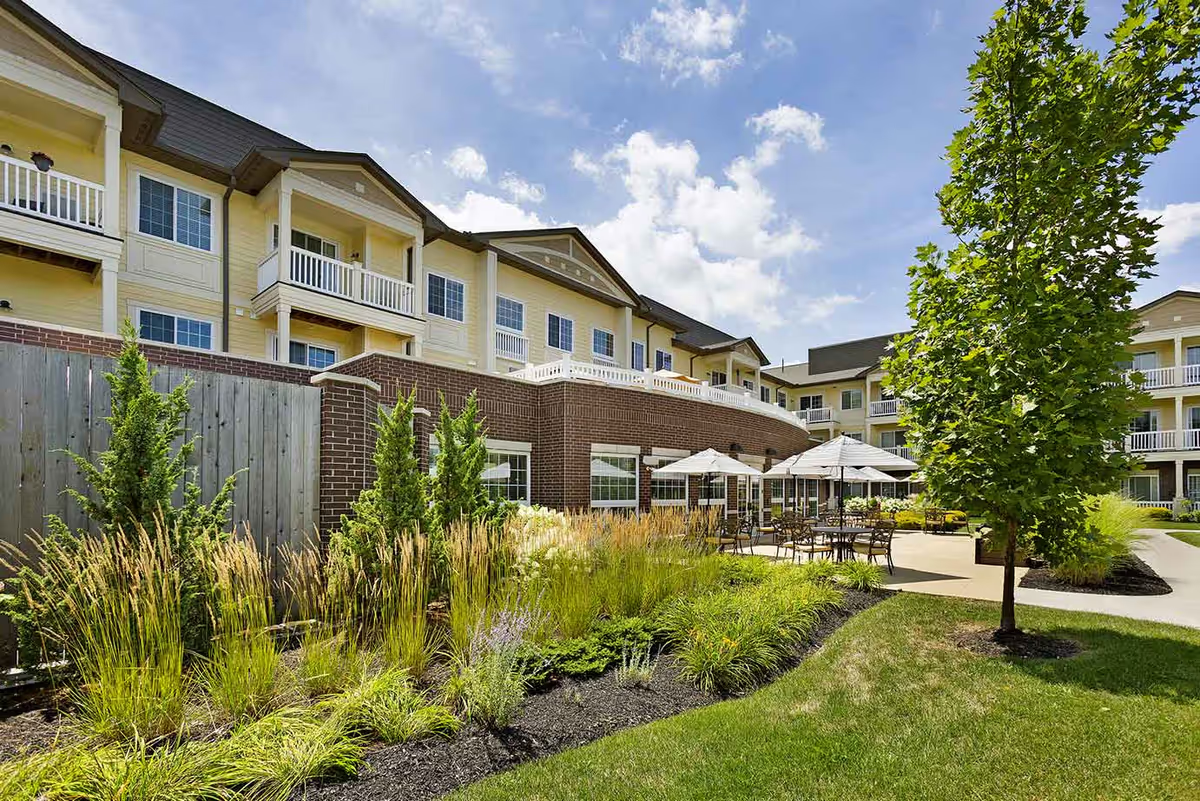
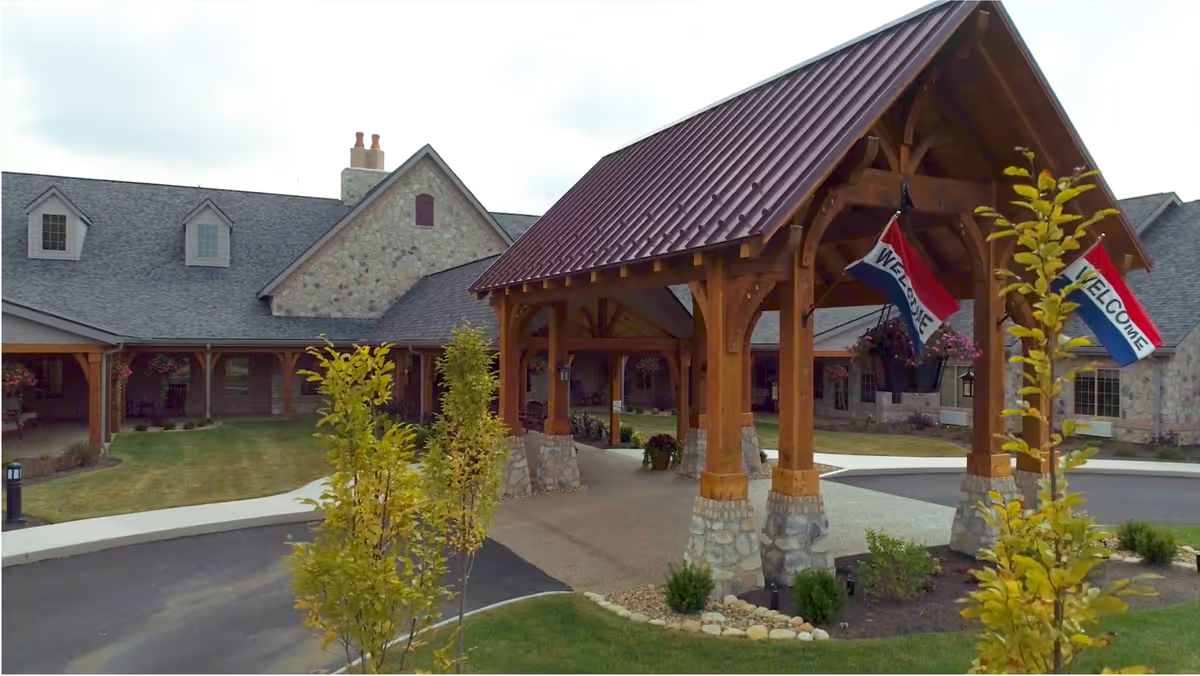
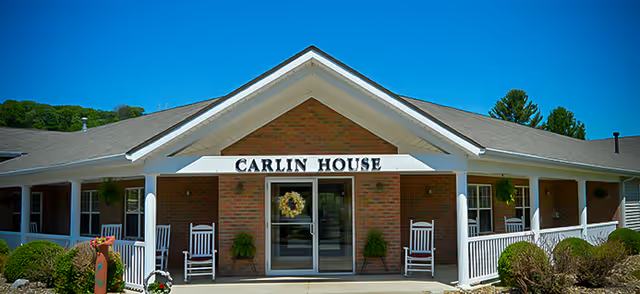
Carriage Court of Lancaster presents as a small, well-maintained assisted living community with many operational strengths noted by families and visitors. The facility is described as clean, with attractive and spacious common areas (courtyard, activity rooms, dining/party rooms) and a generally homey atmosphere. Reviewers commonly cited regular housekeeping and weekly laundry services, visible grounds maintenance, and a wristband access system as positive features. Medical access appears structured: onsite podiatry is scheduled monthly and physician visits occur regularly, and staff report the ability to coordinate with a sister facility for residents who require higher levels of care.
Staff and caregiving are a prominent positive theme. Many comments highlight friendly, respectful interactions; aides and nurses who learn residents' names and preferences; and staff who are perceived as caring and engaged. Several reviewers praised quick or coordinated admissions and noted good communication from management during placement. Staff retention and proactive management were described as strengths, and transportation for local errands (e.g., pharmacy and shopping runs) is available.
Dining and routines receive generally favorable feedback. Reviewers report varied menus, flexible dining options, and accommodating meal service; food quality was described as good by multiple families. Regular weekly menus and responsiveness to special requests were also noted. Amenities such as a TV room, craft room, and light exercise facilities contribute to daily options for residents.
There are recurring operational concerns that prospective families should weigh. Staffing levels and responsiveness emerge as a consistent theme: several accounts point to short staffing that can produce delays in assistance, lagged checks, or slower buzz-in/out processing. Relatedly, reviewers described variability in staff engagement or rounding frequency, with some shifts appearing more attentive than others. A few strong criticisms included accounts of clinical errors or events that led to hospitalization; while these appear to be minority reports, they indicate potential gaps in clinical oversight and incident-response procedures that warrant discussion during a tour and a review of the facility’s clinical policies.
Memory care and safety features are another area to evaluate carefully. Some reviewers expressed concerns about the facility's fit for people with advanced memory impairment and recommended confirming staffing ratios and dementia-care protocols. Security and unit-level privacy also drew attention: the building uses a wristband door system, but several comments referenced limited apartment locks or perceived access-control delays. Apartment configurations tend to be compact (reported sizes in the ~300–400 sq ft range), many units are basic and require family furnishing, and several units lack full kitchens — these layout choices contribute to an environment that some described as having a nursing-home ambience rather than an independent-apartment feel.
Other practical considerations include occasional odor concerns in specific rooms or corridors and additional fees that are not included in base rent (for example, cable service and mileage charges for out-of-area transportation). Availability can be constrained; a waiting list and limited unit inventory were reported. Activity programming is present (bingo, crafts, musical and social events), but some families found the offerings limited for certain residents and recommended verifying the activity calendar and participation levels.
In summary, Carriage Court of Lancaster offers many of the operational features families expect in assisted living: a clean physical environment, engaged caregiving staff, regular clinical visits, and a range of onsite amenities. At the same time, there are recurring concerns about staffing consistency, clinical oversight, memory-care suitability, unit security features, and occasional sanitation/odor issues. Prospective residents and families should arrange a detailed tour, request current staffing ratios and clinical-policy documentation, review the activity schedule, and clarify additional fees and apartment specifications to determine fit for specific care and lifestyle needs.