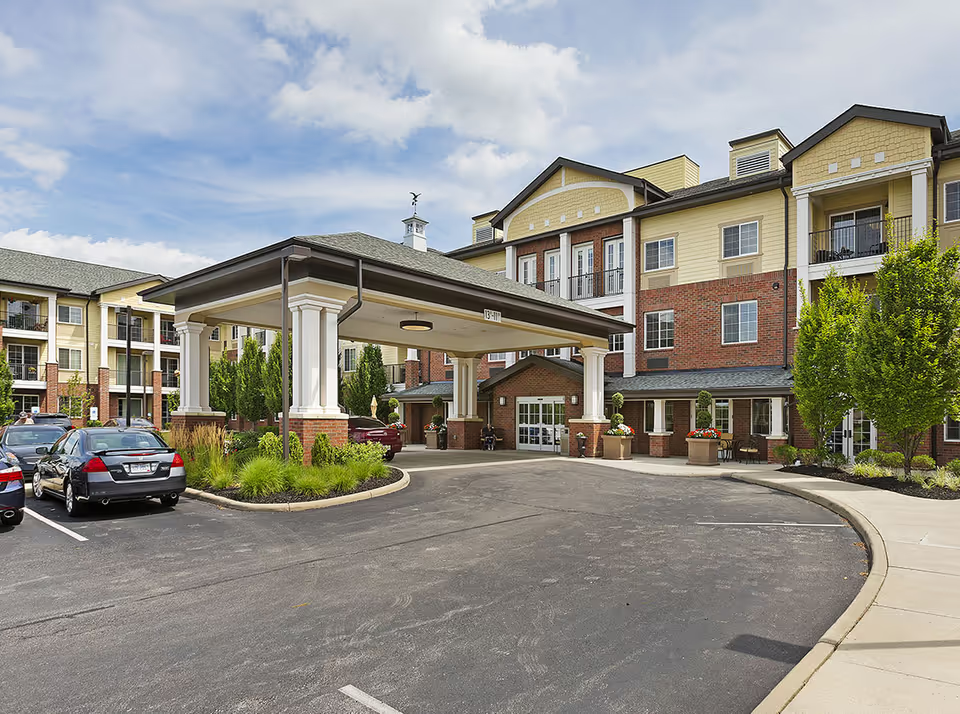
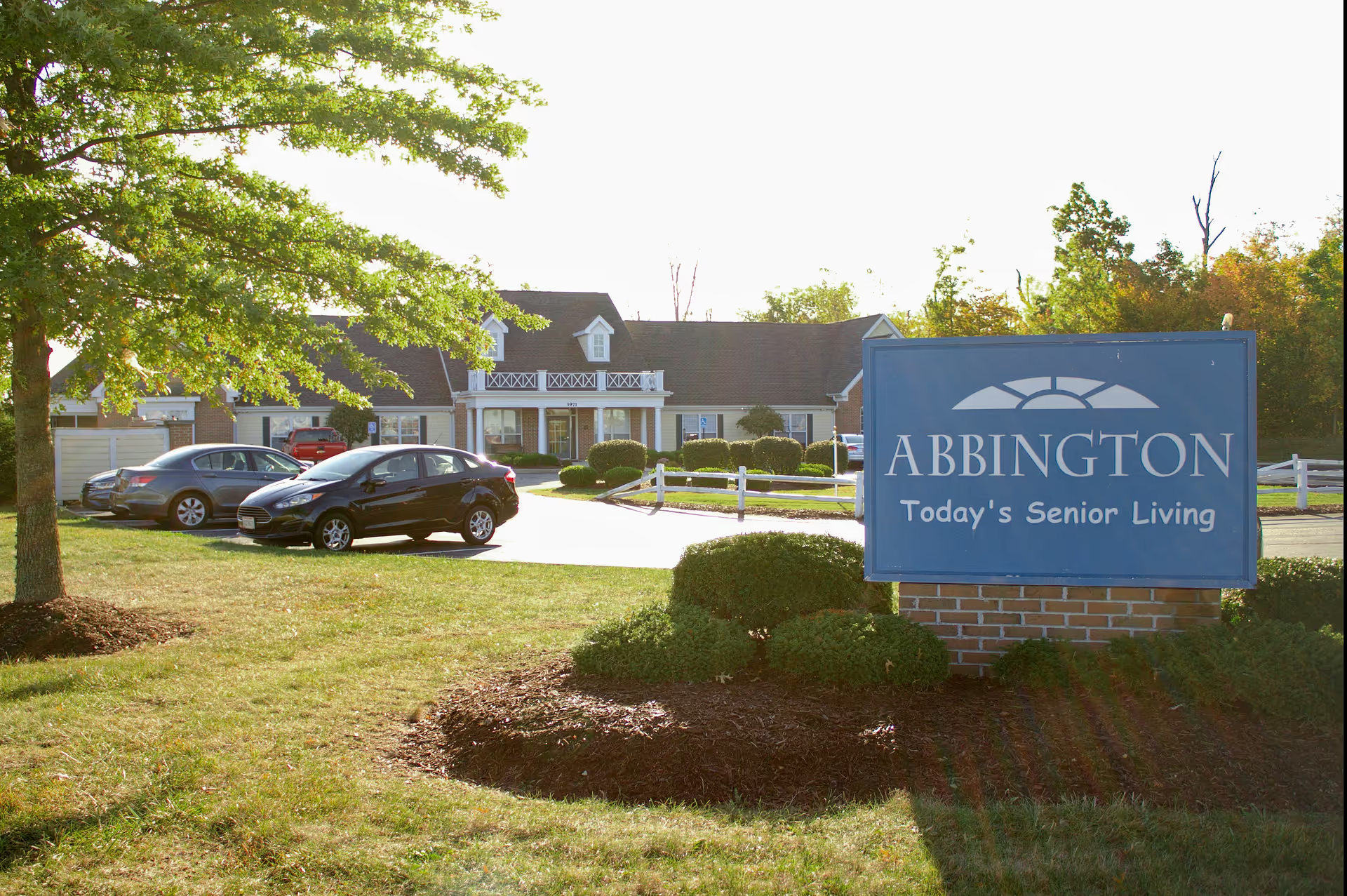
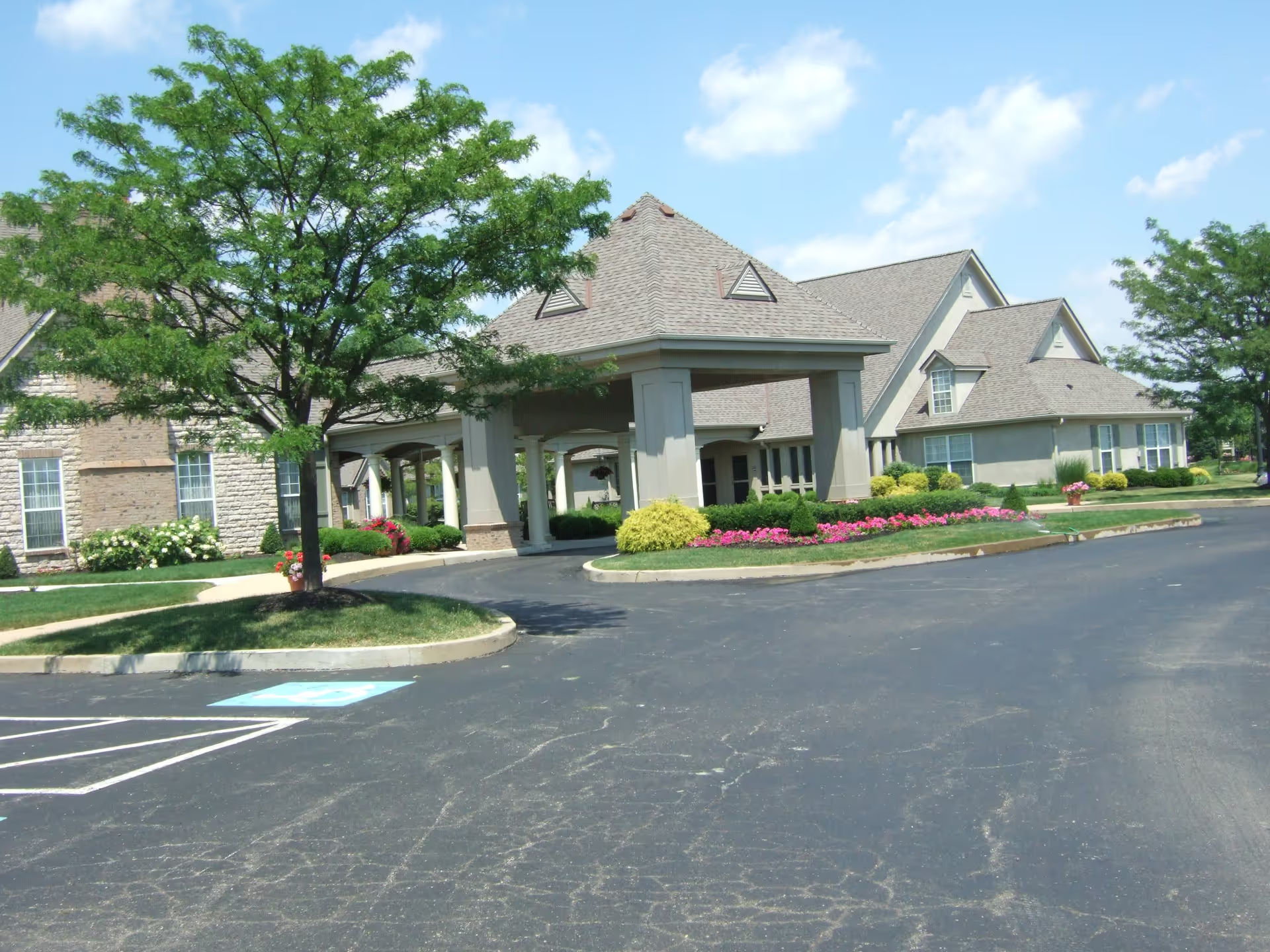
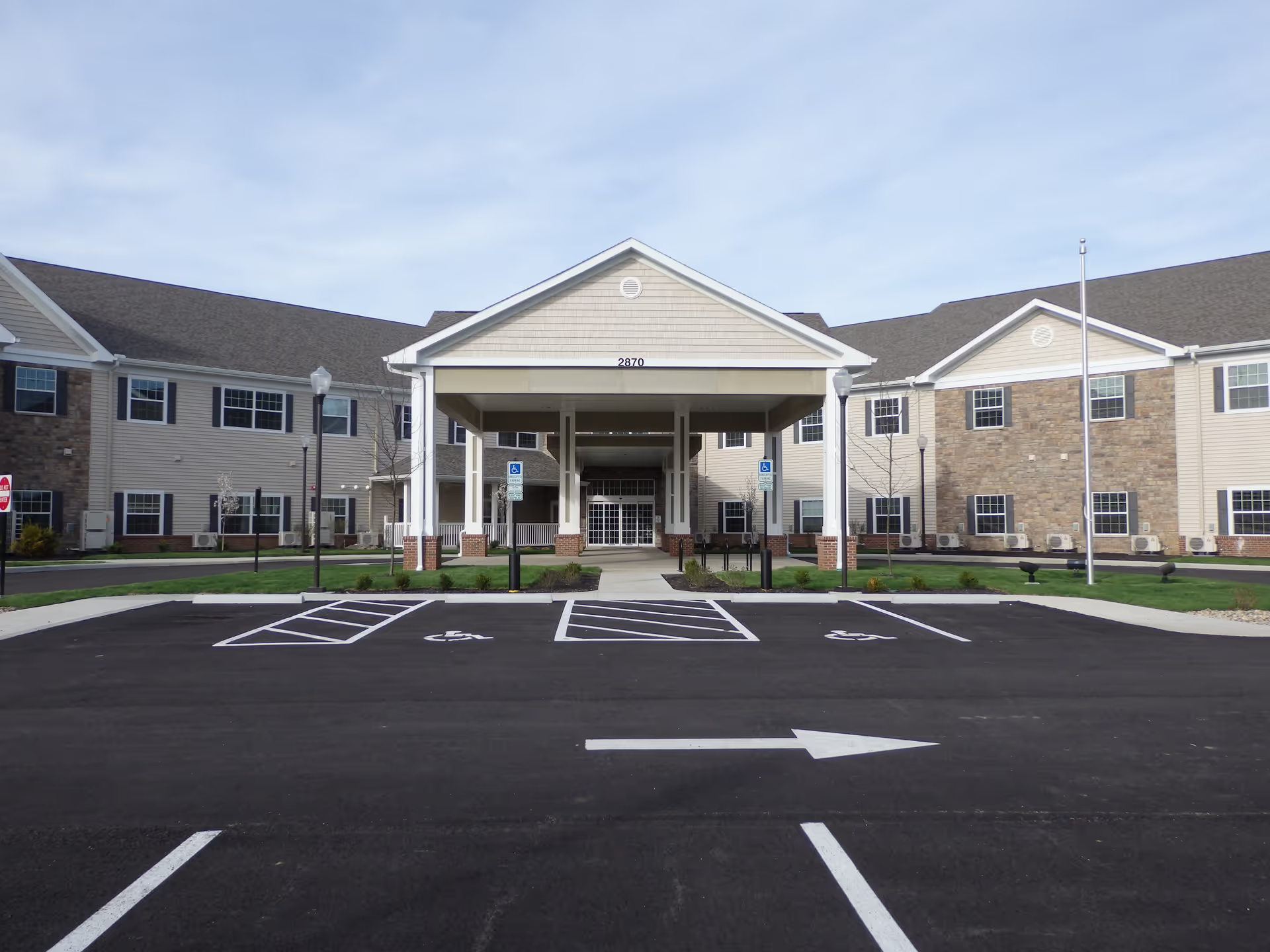
Capri Gardens Nursing Center elicits a highly mixed but recurring set of impressions. Many accounts describe a modern, well‑kept facility with bright, home‑like common areas and private rooms. Families frequently highlight an active therapy program with an on‑site gym and motivated therapists, an engaging activities schedule, and a generally calm atmosphere that supports family visits and social interaction. Numerous comments emphasize compassionate, attentive nursing and support staff who provide personalized and family‑inclusive care, including commendations for end‑of‑life attention and special resident events.
Clinical care and rehabilitation are commonly seen as strengths: reviewers note capable therapists, effective short‑term rehab programming, and a therapy environment that promotes recovery. At the same time, there are multiple reviewers who describe operational shortcomings that affect clinical safety and continuity. These concerns center on medication administration processes (including delays and order changes), gaps in fall‑prevention practices and equipment availability, and inconsistent staffing supervision that can produce variable care delivery, particularly during night shifts.
Dining and activities are generally viewed positively, with references to nutritious meals and lively programming; however, there are also accounts of inconsistent meal quality and occasional failures to follow prescribed diets. Cleanliness impressions are polarized: many families describe an immaculately clean, odor‑free facility, while others report sanitation concerns in specific rooms or bedside areas. Admissions and administrative processes are similarly mixed—some families find admissions and the social‑work guidance seamless and supportive, whereas others experienced miscommunication, delays, and insurance coordination failures that affected placement and coverage.
Management and communication practices show variability across reviews. Several comments praise a helpful admissions director and front‑line staff who go above and beyond, yet others describe limited responsiveness from administration, HR issues, and difficulties obtaining timely information after adverse events. Given the pattern of highly positive caregiver interactions alongside operational gaps, prospective residents and families would benefit from in‑person assessment focused on medication-management procedures, fall‑prevention measures, room sanitation checks, and verification of insurance/network status prior to placement. Verifying staffing coverages for nights and weekends and discussing specific therapy schedules can help align expectations with individual care needs.