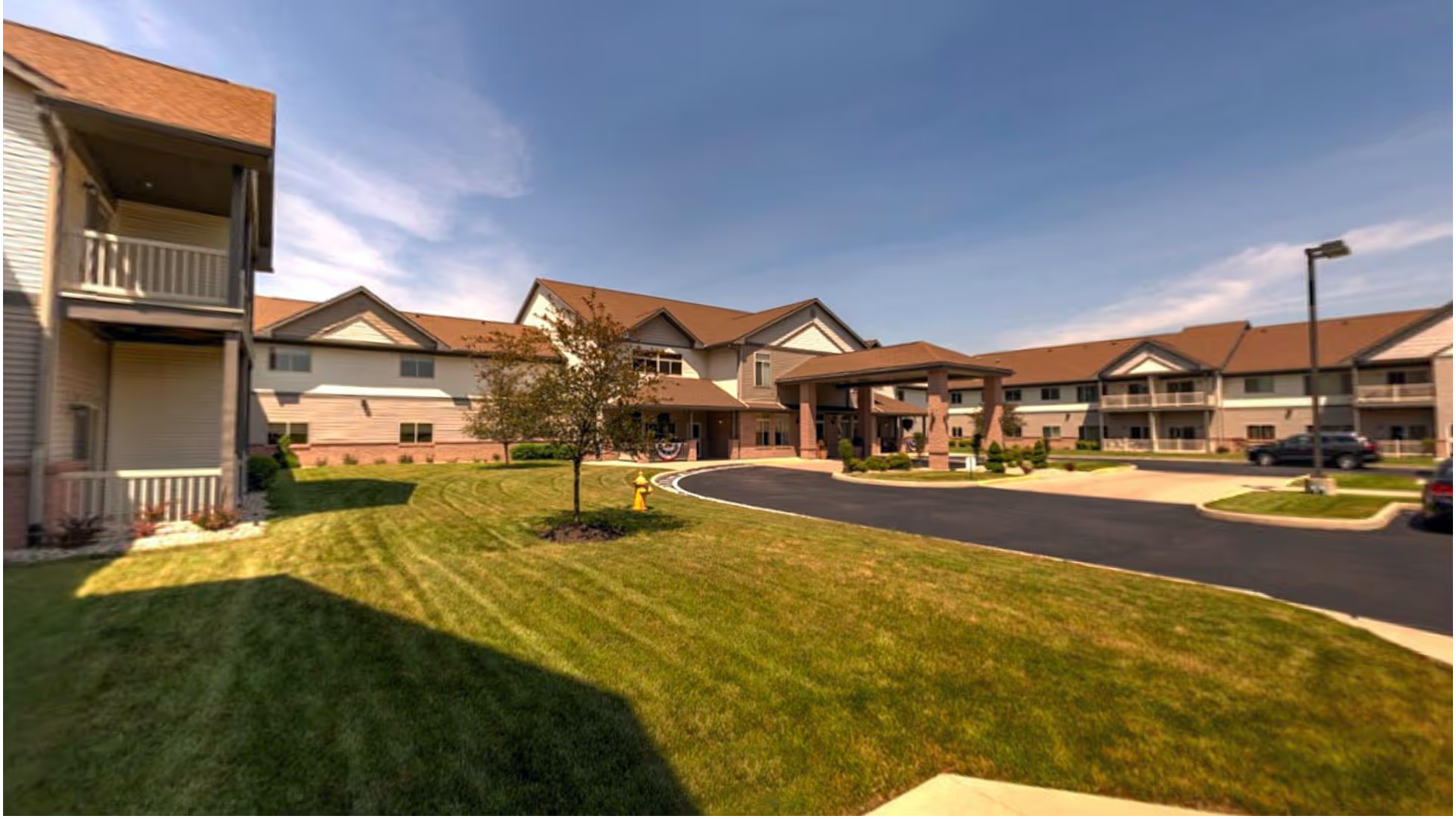
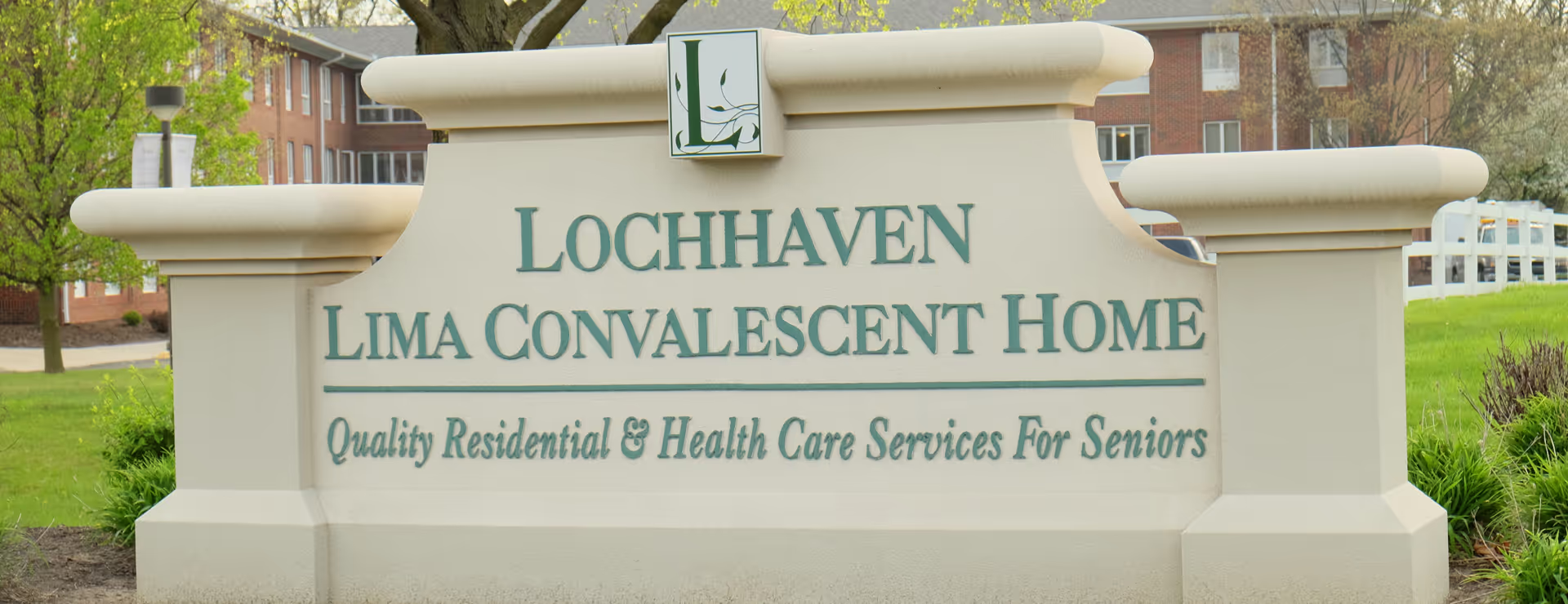
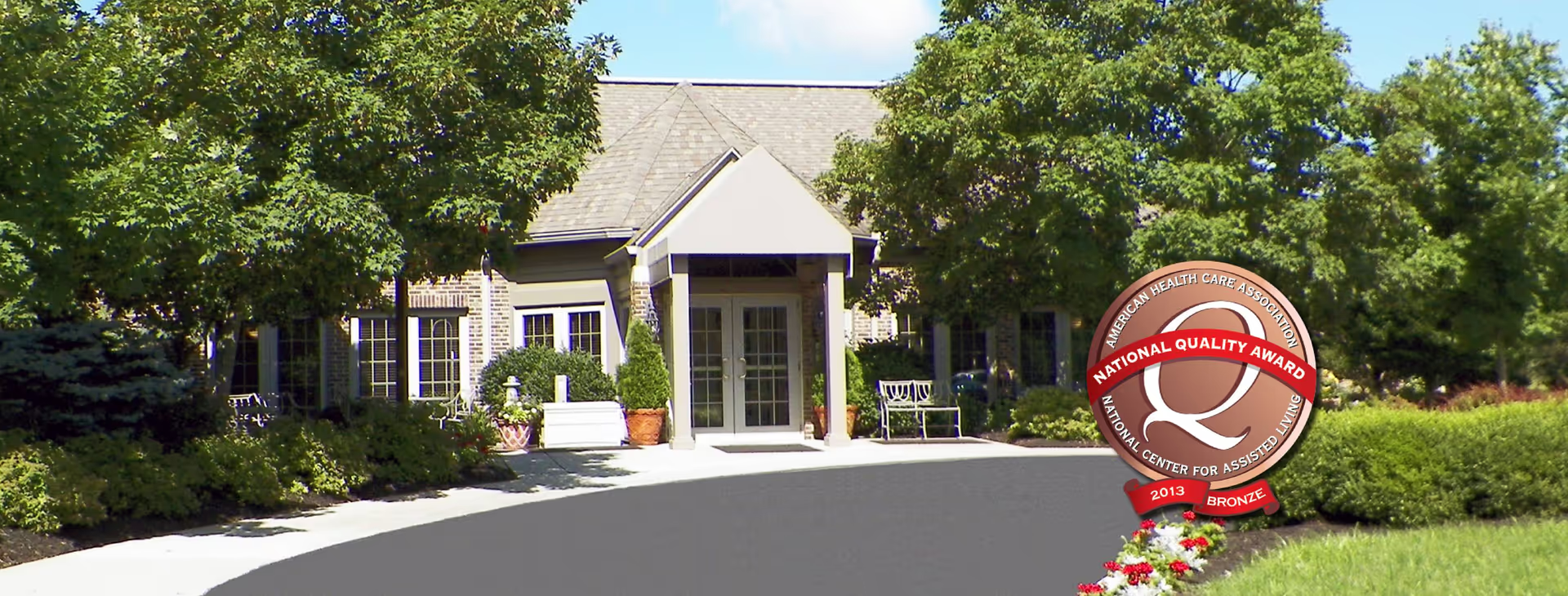
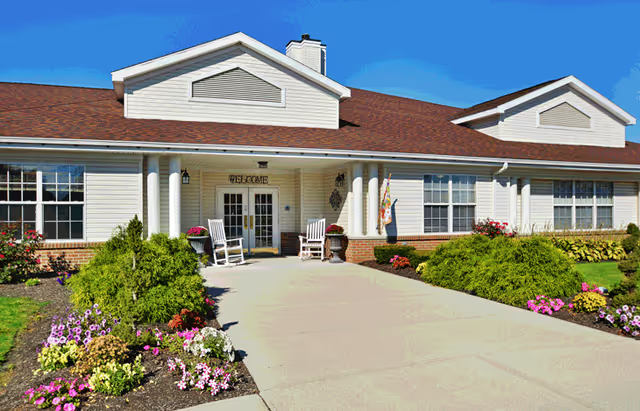
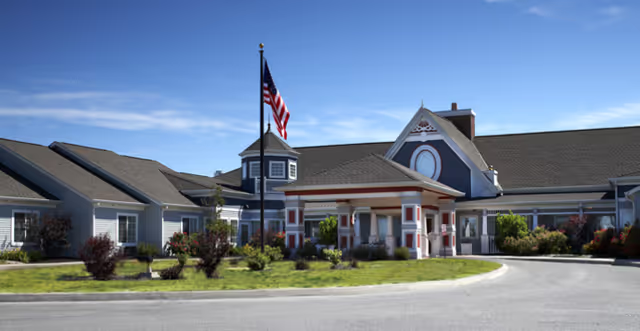
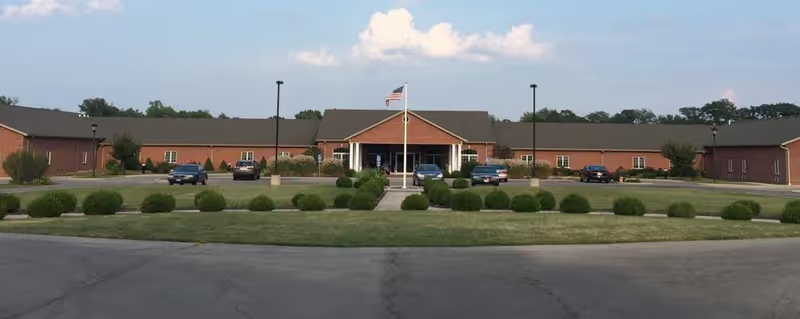
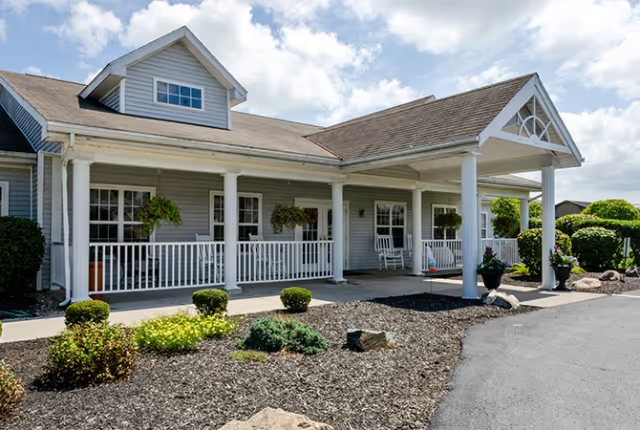
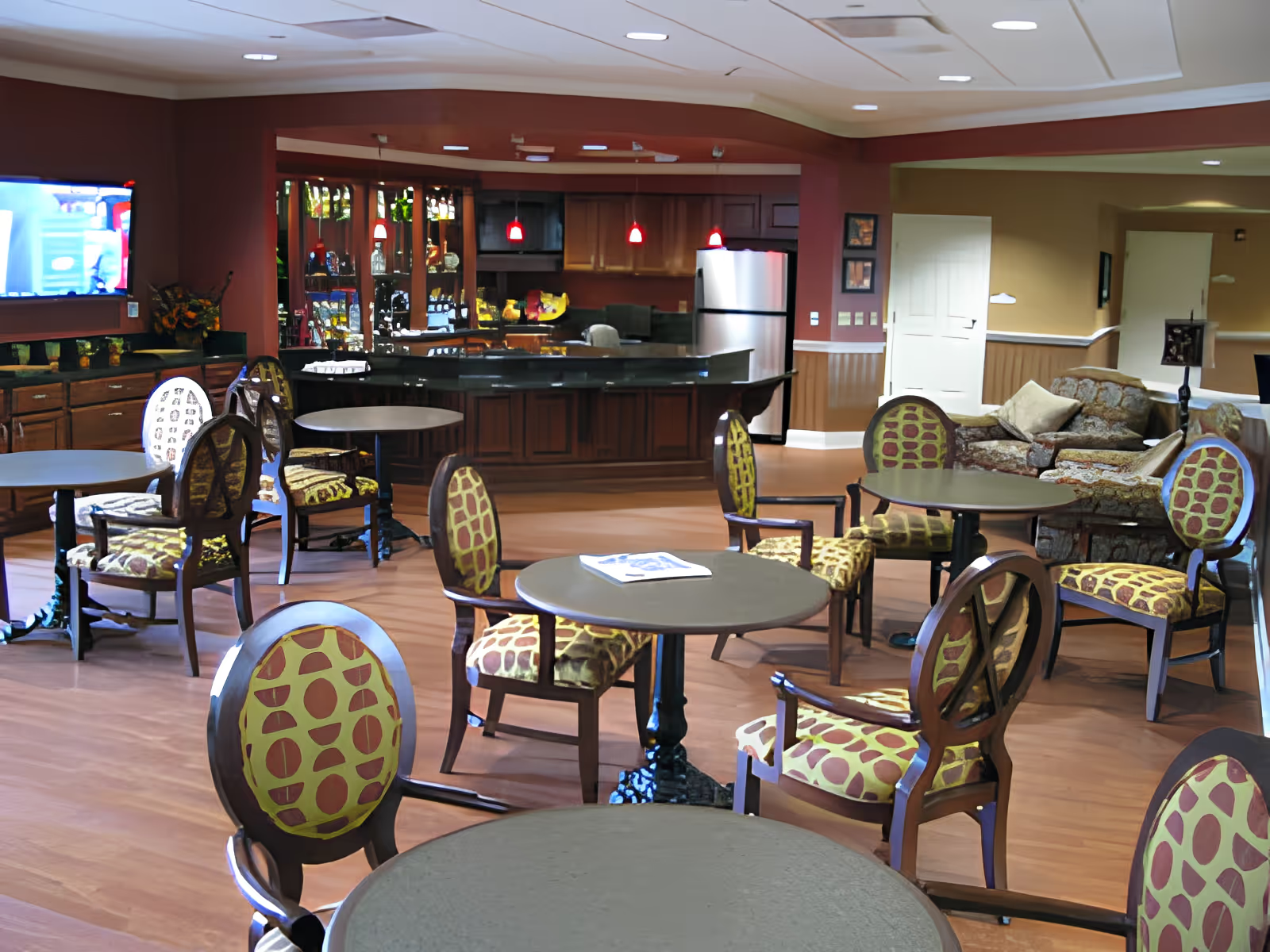
The Wyngate Senior Living Community-Lima elicits mixed but consistent themes across reviews. Many families and residents describe a warm, home-like environment with inviting cottages, spacious apartments, pleasant outdoor spaces and well-appointed common areas. Reviewers frequently highlight individualized attention—staff who know residents by name, personalized engagement that helps residents feel useful, and proactive transition support. On-site amenities such as a beauty shop, exercise area, library, private dining for families, and regular social programming contribute to a community-oriented feel.
Activity programming and social life are strong points: bingo, cards, games, frequent outings (restaurants, shopping, casinos, zoo), happy-hour entertainment and other regular events are cited as contributors to resident engagement. Several reviewers specifically praised staff who arrange special requests and follow up with families, and respite/hospice services are available for those who need them.
At the same time, there are recurring operational concerns that prospective families should evaluate closely. Staffing levels and staff stability are prominent issues; reviewers describe situations where staff are stretched thin, which has been linked to inconsistent personal-care delivery, delayed responses to call buttons, and uneven monitoring. Some comments indicate that residents with higher medical needs may require more clinical oversight than is consistently available on site.
Dining and housekeeping present a mixed picture. While some residents praise the food, three-meal service, and pleasant dining areas, other accounts point to variable food quality, slow service, and concerns about kitchen and dining sanitation practices. Housekeeping and laundry services are described as inconsistent in some cases—schedules for room cleaning and linen changes may not be reliably maintained across all units.
Management and workplace culture receive both positive and negative mention. Several reviewers named specific staff members and managers who were proactive, communicative, and reassuring; others raised concerns about leadership, staff morale, and service follow-through. Cost and affordability are also noted: some families find the community valuable and worth the price, while others consider it relatively expensive.
Overall pattern: experiences appear to vary by unit, shift, and individual staff members. The facility offers many features attractive to independent and assisted-living residents—comfortable living spaces, active programming, and an engaged social environment—but operational weaknesses around staffing, clinical oversight, dining operations, and consistency of housekeeping warrant targeted questions during a tour. Recommended next steps for families: request current staffing ratios and shift schedules, ask about clinical oversight for higher-acuity residents, observe meal service and common-area cleanliness on a site visit, meet the managers who will oversee daily care, and, if possible, speak with current families about their recent experiences.