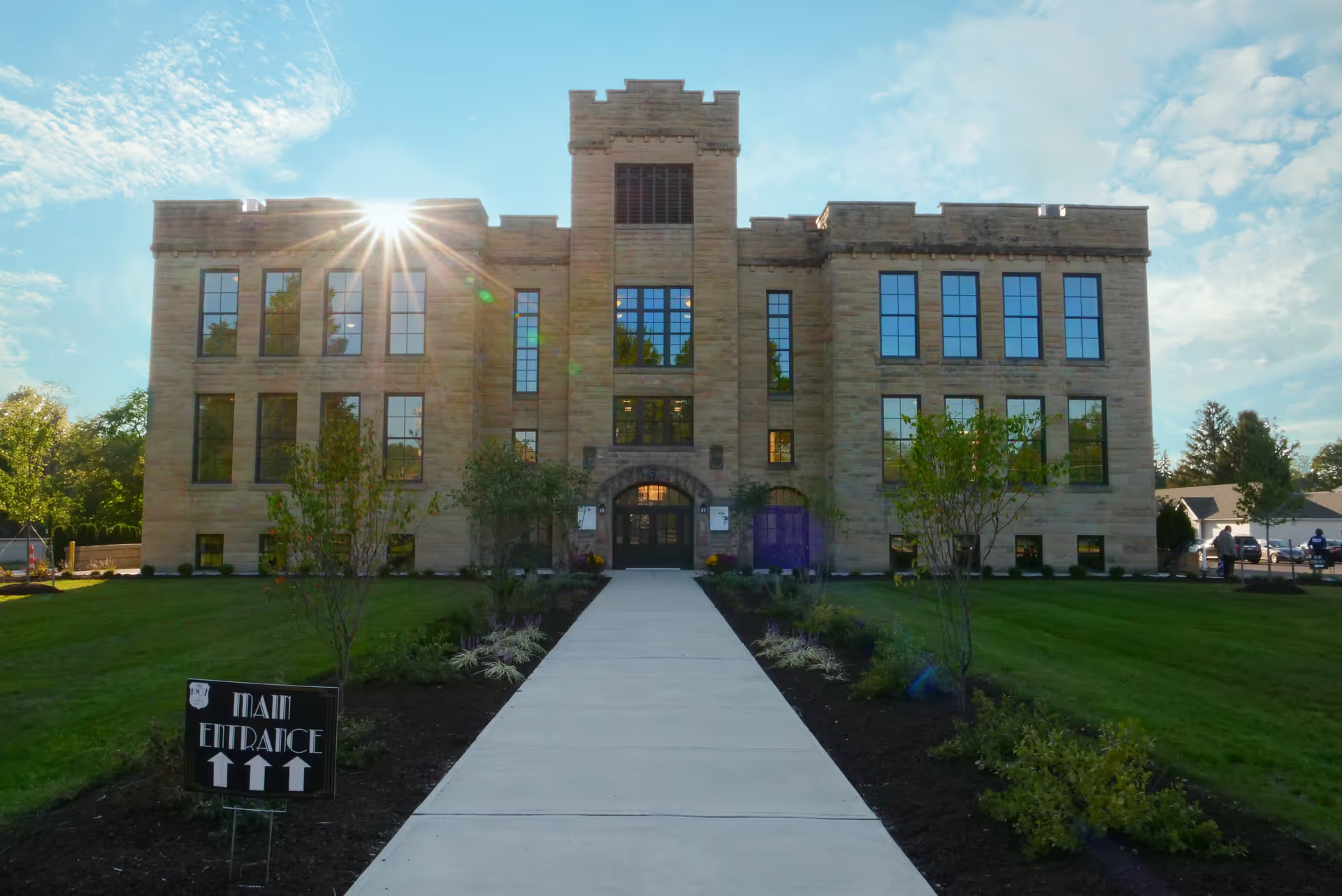
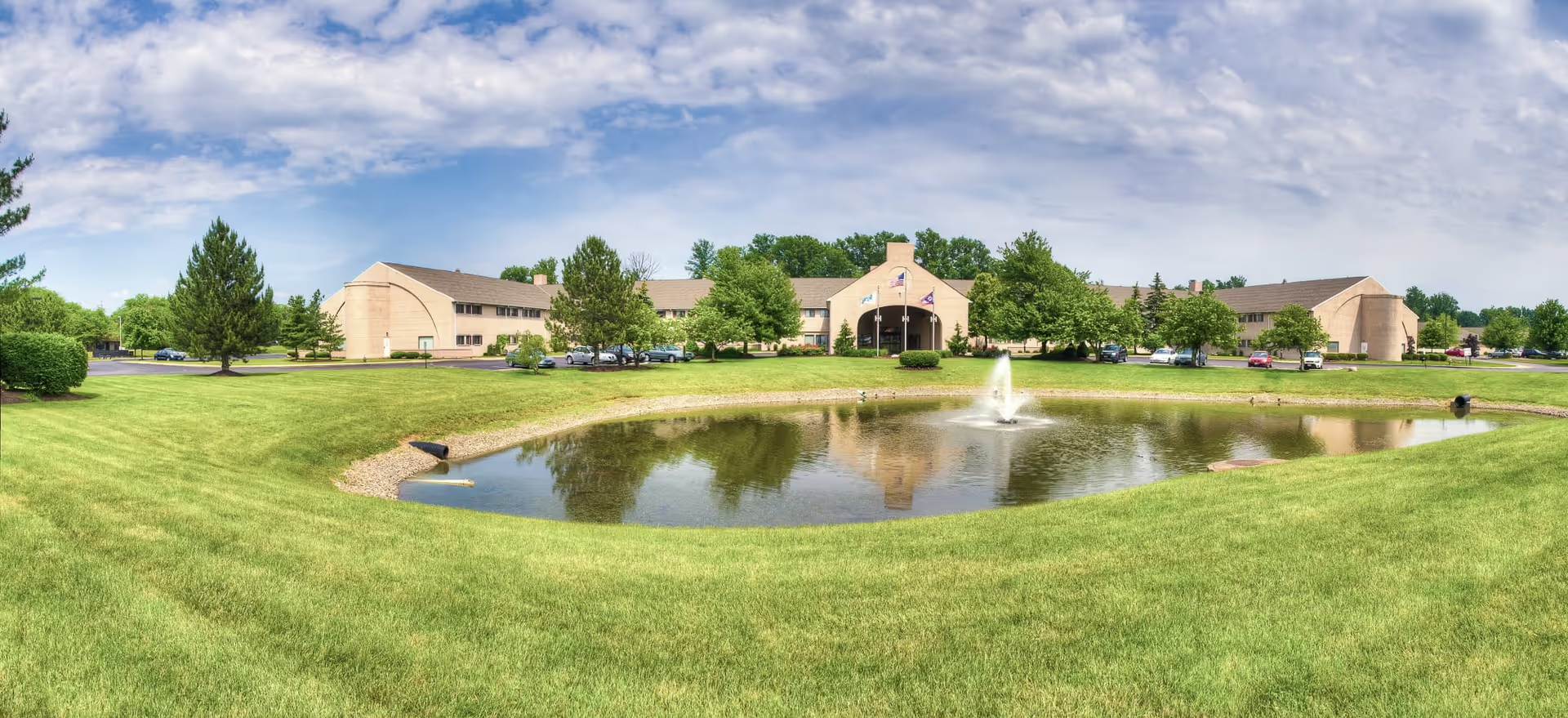
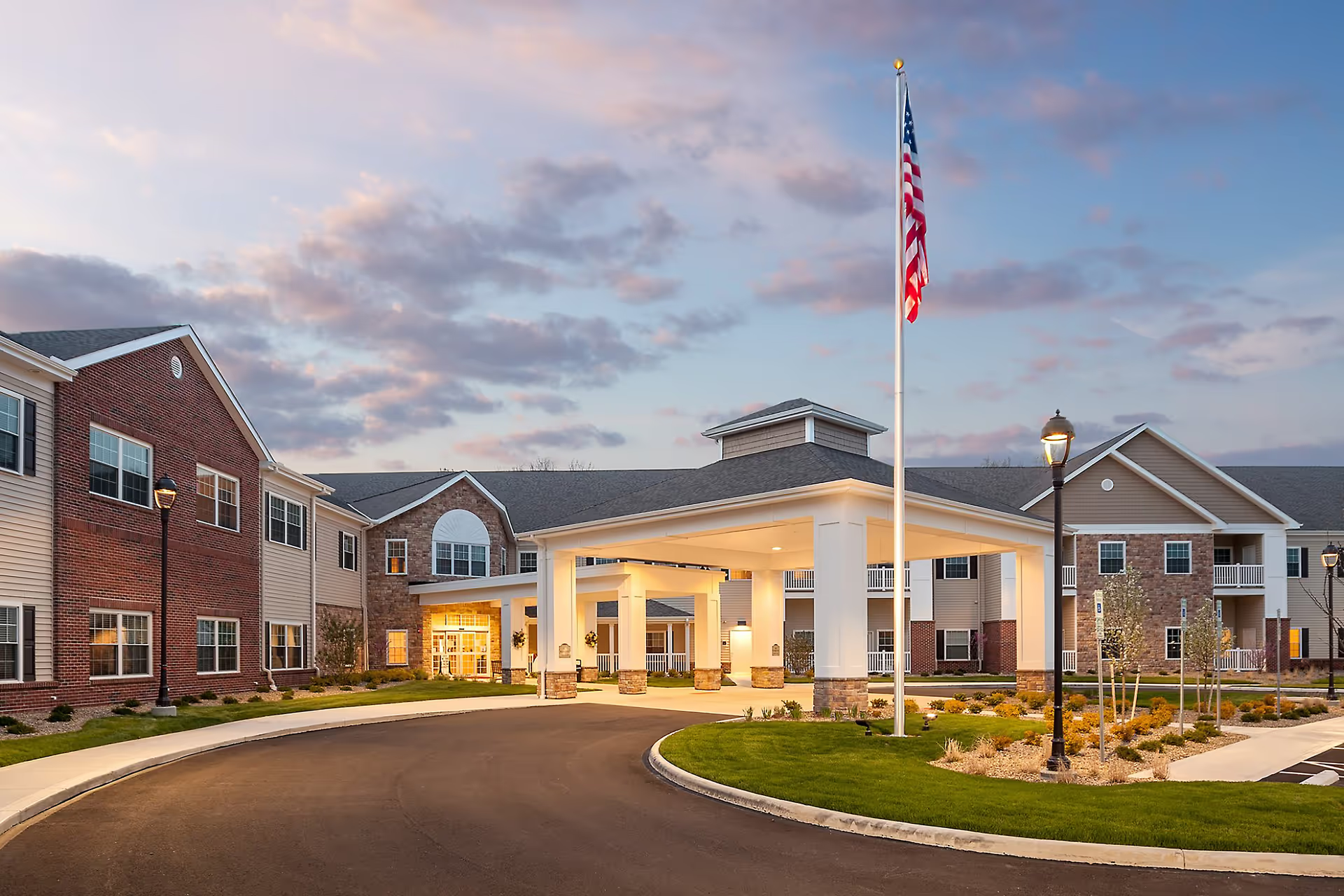
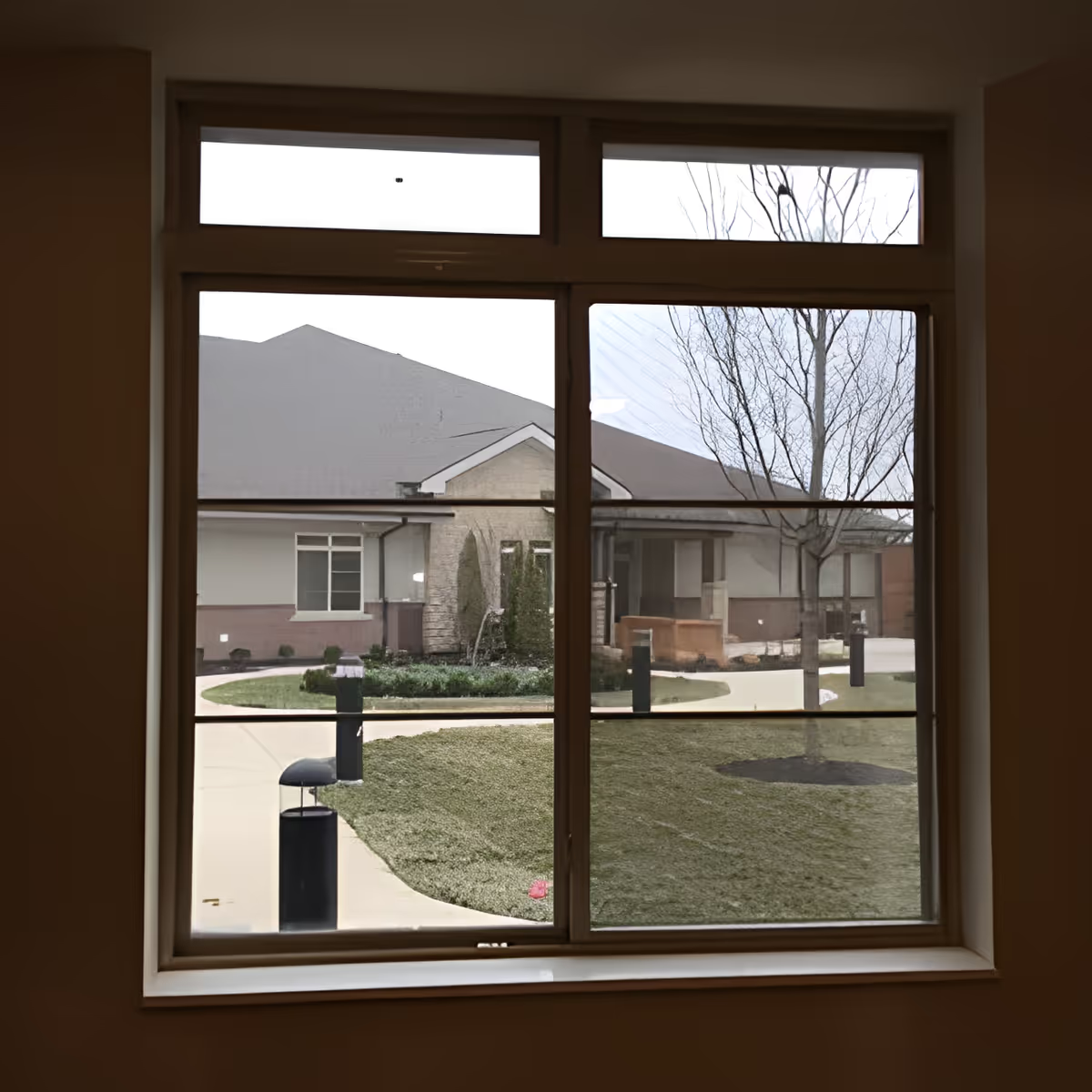
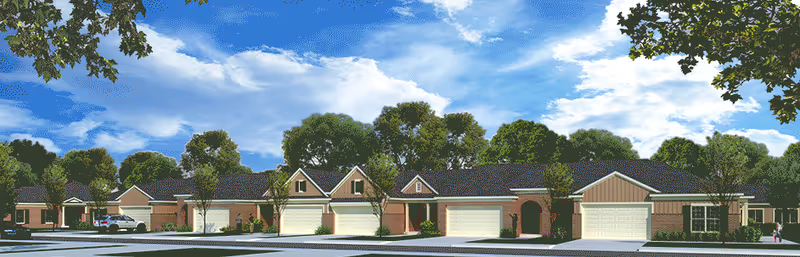
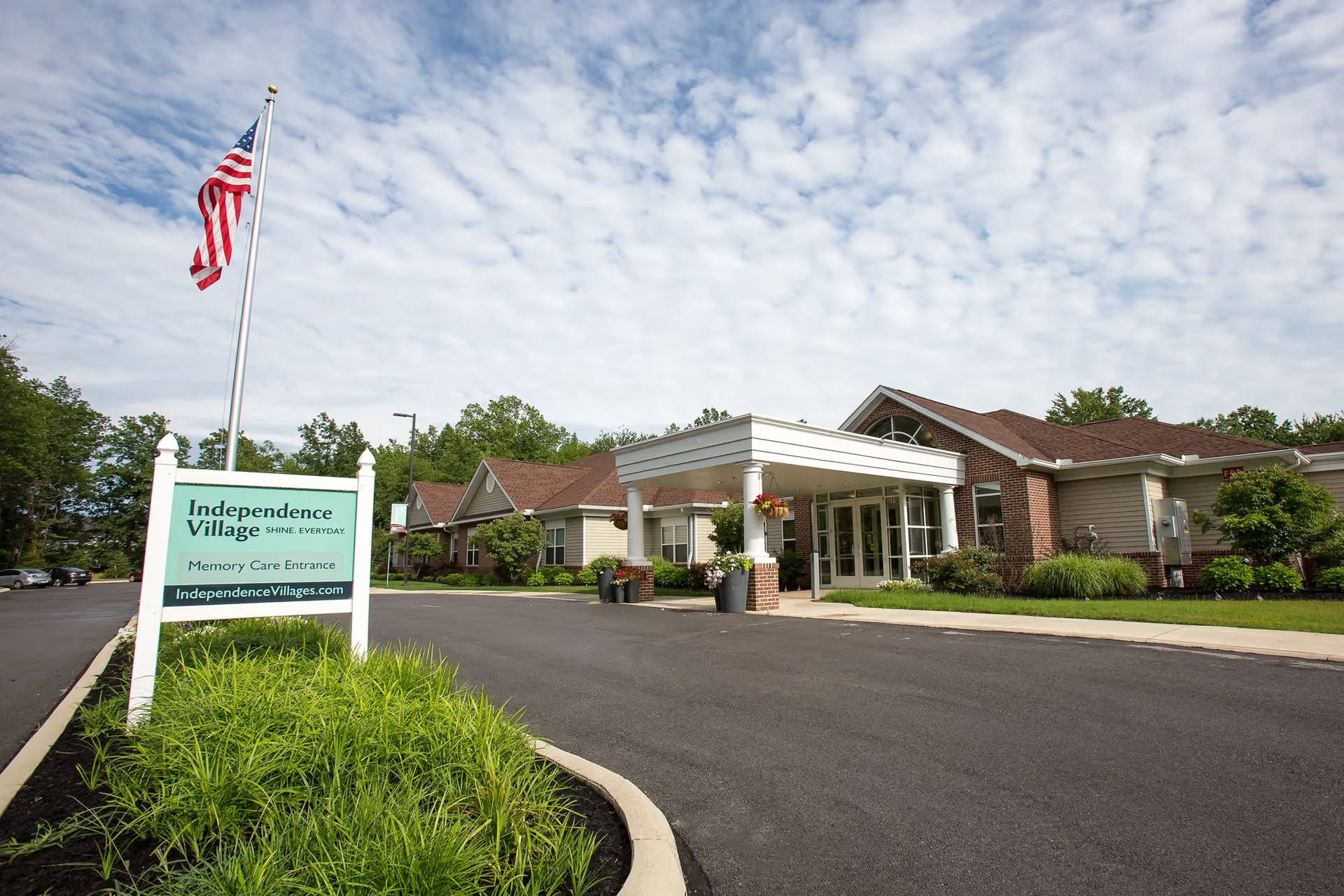
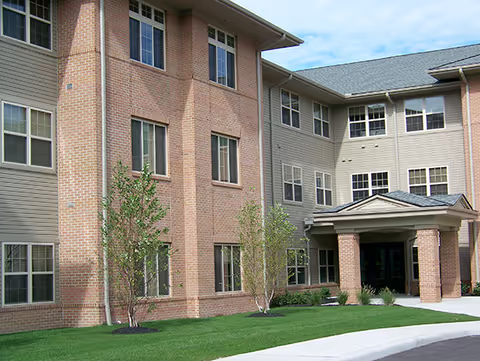
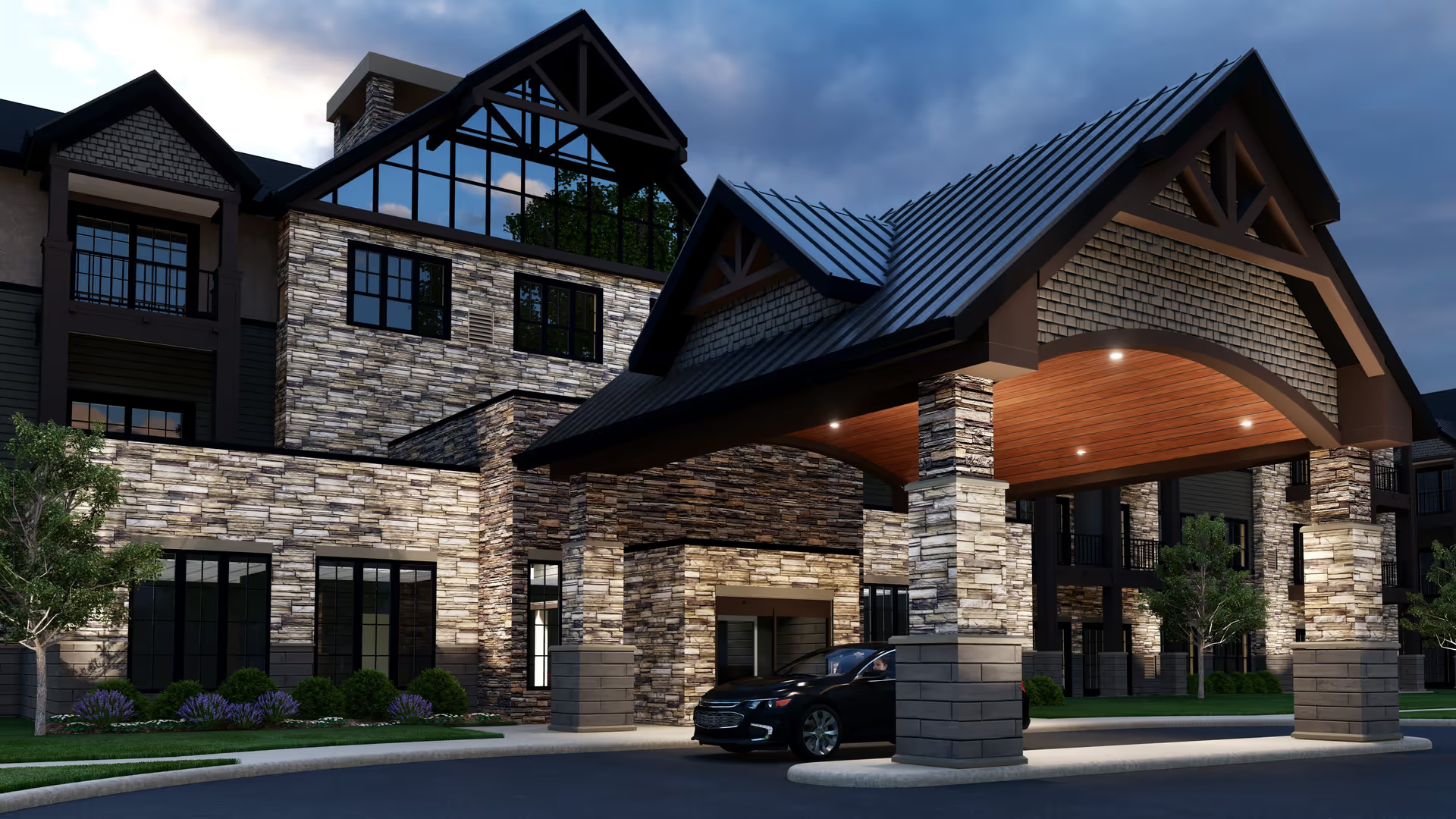
Lorain Estates is consistently described as a clean, well‑kept senior living community with a strong emphasis on hospitality and social programming. Many reviewers highlight the facility’s attractive layout, outdoor paths, and a broad set of on‑site amenities such as a barber/beauty salon, home theater, laundry, and short‑term furnished units. Apartment options (efficiency, one‑ and two‑bedroom) and accessible single‑floor design are noted strengths for residents seeking an apartment‑style setting.
Care quality and staff performance receive broadly positive commentary. Numerous families describe caregivers as compassionate, attentive, and proactive; staff are credited with personalized, person‑centered approaches, timely maintenance actions (for example, grab‑bar installation), and close collaboration with therapy teams (PT/OT). The community offers on‑site therapy services and rehabilitation, and reviewers describe smooth transitions for short‑term stays and good clinical follow‑up in many cases. That said, reviewers also identify operational inconsistencies: nurse turnover, uneven clinical continuity, and variability in responsiveness—particularly on weekends—are recurring themes. A subset of reviews raises serious concerns about incontinence‑care delays and sanitation issues; these concerns suggest variability in daily care practices that prospective families should clarify during tours and in written agreements.
Dining and food service are often praised for variety, monthly menus, and quality meals; many families appreciated options, breakfast delivery availability, and the culinary staff’s efforts. Conversely, some reviewers cite slow service, meals served at suboptimal temperatures, and unexpected charges (for example, tray fees or hidden meal charges). These are operational matters that may affect perceived value for cost, and they warrant explicit discussion with management when comparing options.
Activities and social life are prominent strengths. The activity department is described as energetic and creative, offering outings, entertainment, themed events, fundraising activities, and person‑centered programming. Reviewers frequently note family‑inclusive events and community engagement. Some residents and families, however, found the programming did not match every resident’s preferences (comments about fewer male‑oriented activities and policies that can feel pressure to participate were reported). Prospective residents should review activity calendars and observe programming during a visit to assess fit.
Facility management and administration draw a mixed picture. Many reviewers praise accessible directors, helpful admissions staff, and clear communication during moves. Other reviewers describe variable management responsiveness, requests for more timely communication, and concerns about clarity of billing practices. There are isolated but serious allegations of financial misconduct; while not presented as the dominant pattern, these claims are significant enough that prospective families should safeguard by requesting clear, written financial policies and by documenting agreements.
Overall, Lorain Estates appears to offer a high level of hospitality, engaging programming, and useful on‑site clinical services, with staff frequently described as the community’s strongest asset. Operational weaknesses center on staffing consistency, some aspects of daily care practice (including incontinence care and memory‑care supervision), dining service reliability, and transparency around extra charges. For families considering Lorain Estates, recommended next steps include unannounced visits at varied times (including weekends), written confirmation of fees and clinical protocols, review of staffing patterns and memory‑care safeguards, and a close look at meal service during a typical dining period to confirm fit and value.