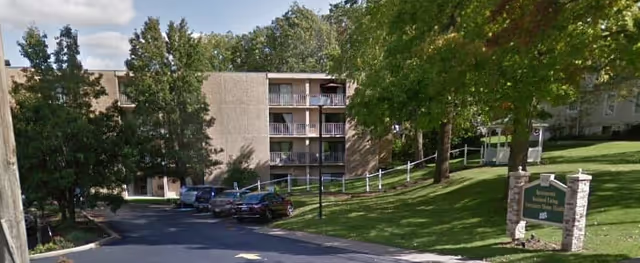
The review set presents a polarized view of Winchester Terrace Nursing Center: multiple accounts praise individual staff and specific departments, while a substantial number of reports identify recurring operational and quality gaps. Strengths tend to cluster around direct-care individuals and certain service lines, whereas weaknesses appear organized around system-level staffing, communication, and facility maintenance.
Care quality is uneven. Positive feedback highlights compassionate nurses, attentive CNAs/STNAs, and a therapy department that helped residents regain mobility. However, operational patterns indicate inconsistent delivery of activities of daily living (ADLs) — including bathing, dressing, and timely toileting assistance — plus delays in medication administration and dressing changes. Several reviewers described lapses in responsiveness to call lights and concerns about monitoring for residents at high risk of falls. These items point to variability in shift-level performance and potential staffing or workflow constraints affecting baseline clinical care.
Staff performance is similarly mixed. Many families singled out compassionate, professional caregivers, therapy staff, and supportive dietary and maintenance employees. At the same time, reviewers described uneven staff conduct across shifts, with some shifts or newer/agency personnel characterized as less engaged. This pattern suggests turnover or reliance on temporary staff contributes to inconsistent resident experience. Communication tone and staff–family interactions were also areas of concern for some families, with accounts of unprofessional or dismissive behavior from certain administrative team members.
Dining and therapy received both praise and criticism. The therapy/rehabilitation service is frequently noted as effective and helpful in improving mobility and function. Dietary staff were praised by several families for care and attention; nevertheless, there are complaints about inconsistent meal quality and occasional continuity problems in meal service.
Activities and social engagement appear limited for portions of the population. Multiple reports describe residents spending much of the day in rooms with few structured social or recreational opportunities. Where activities staff were engaged, families reported better resident morale; however, overall programming consistency is a concern.
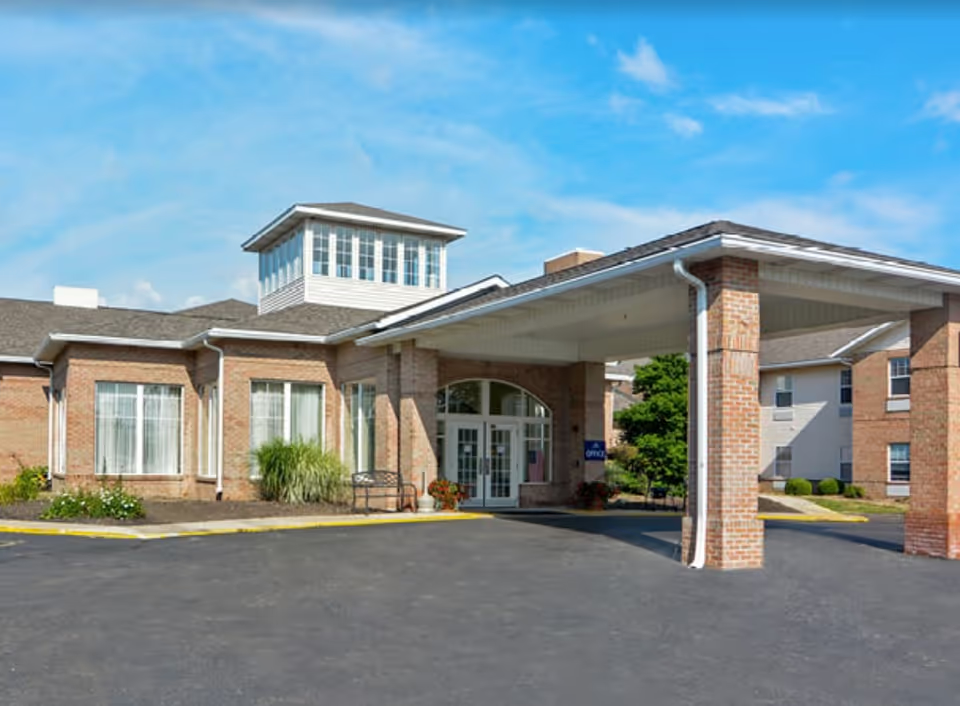
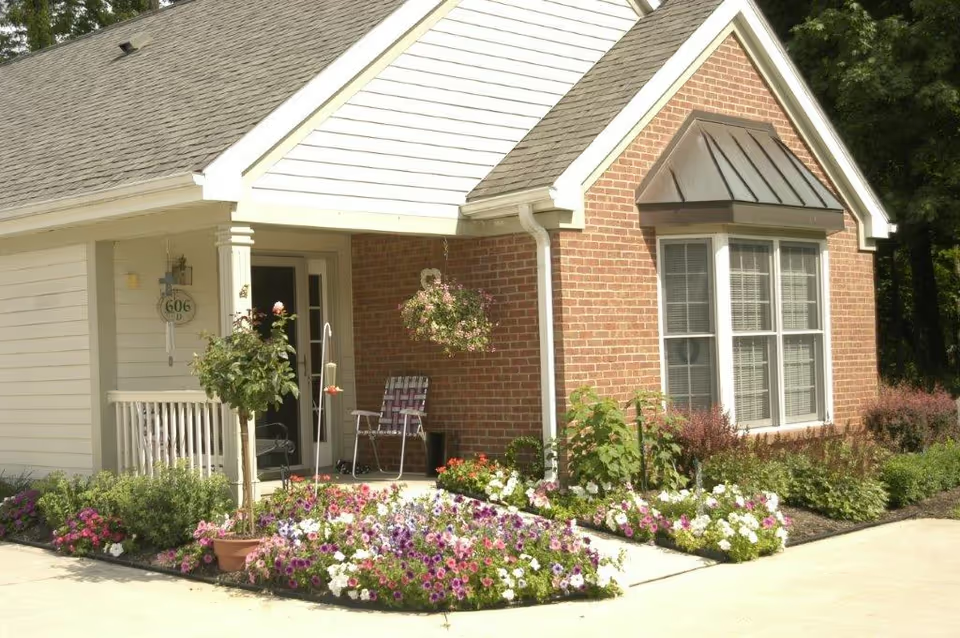
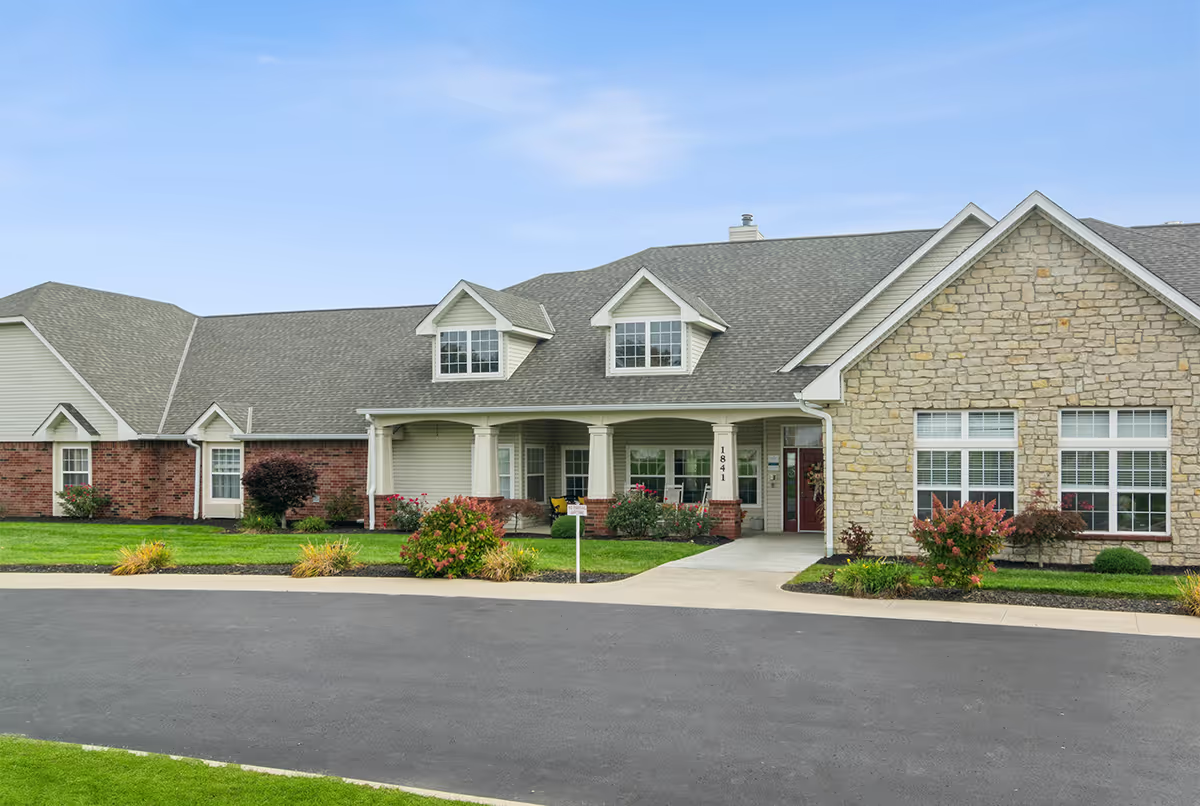
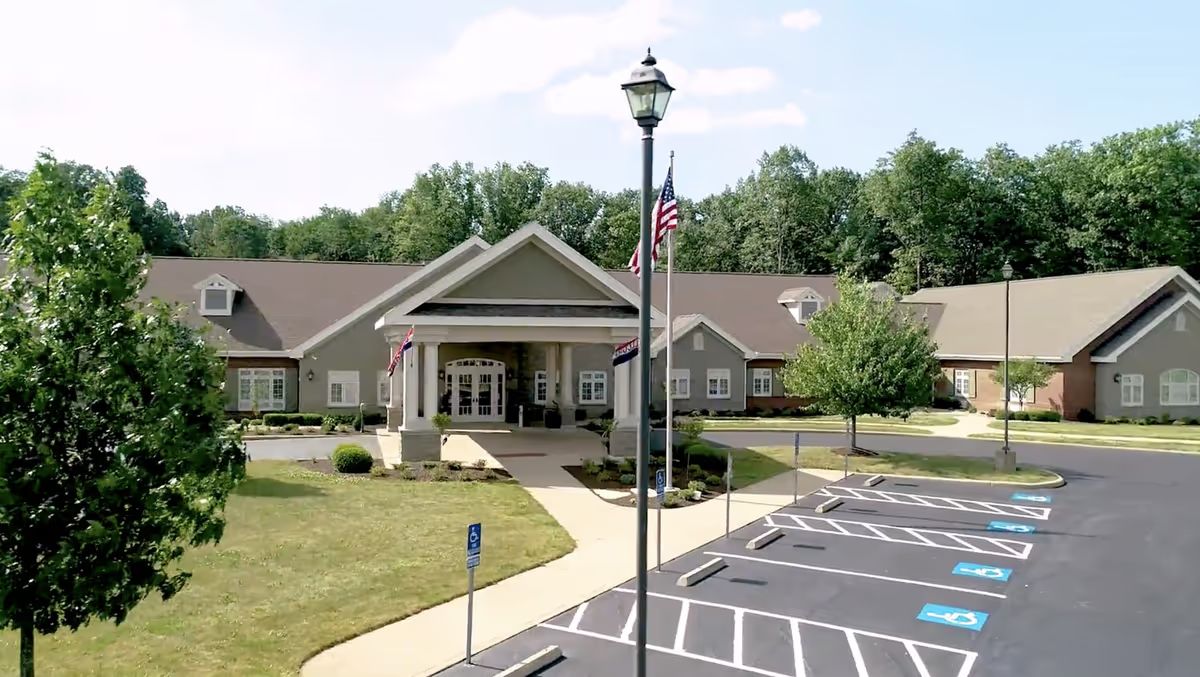
Facility condition and equipment issues emerged as recurrent themes. Some reviewers reported sanitation and odor concerns in particular rooms, worn or dingy linens, mildew odors, and broken or non-functioning furniture and medical equipment. At the same time, maintenance staff received positive remarks for responsiveness in some accounts, indicating that physical plant performance may vary by area or shift.
Management and administrative practices are another notable pattern. Families described inconsistent communication between clinical staff and administration, delays in follow-up after room moves or care issues, and concerns about billing processes and a confidentiality breach allegation. Several reviewers characterized leadership as unprofessional or insufficiently responsive to clinical concerns, which compounds front-line care problems when escalations are needed.
Taken together, the reviews describe a facility with meaningful strengths in individual caregiver commitment and therapy services, but with systemic weaknesses in staffing consistency, clinical oversight, communication, and maintenance processes. Prospective families should weigh the documented strengths in therapy and some caregiving teams against the reported variability in basic care delivery and administrative responsiveness. Where possible, asking for current staffing ratios, observing multiple shifts, reviewing incident follow-up procedures, and clarifying care plans and laundry/possession policies may help assess whether the facility’s operational performance aligns with a particular resident’s needs.