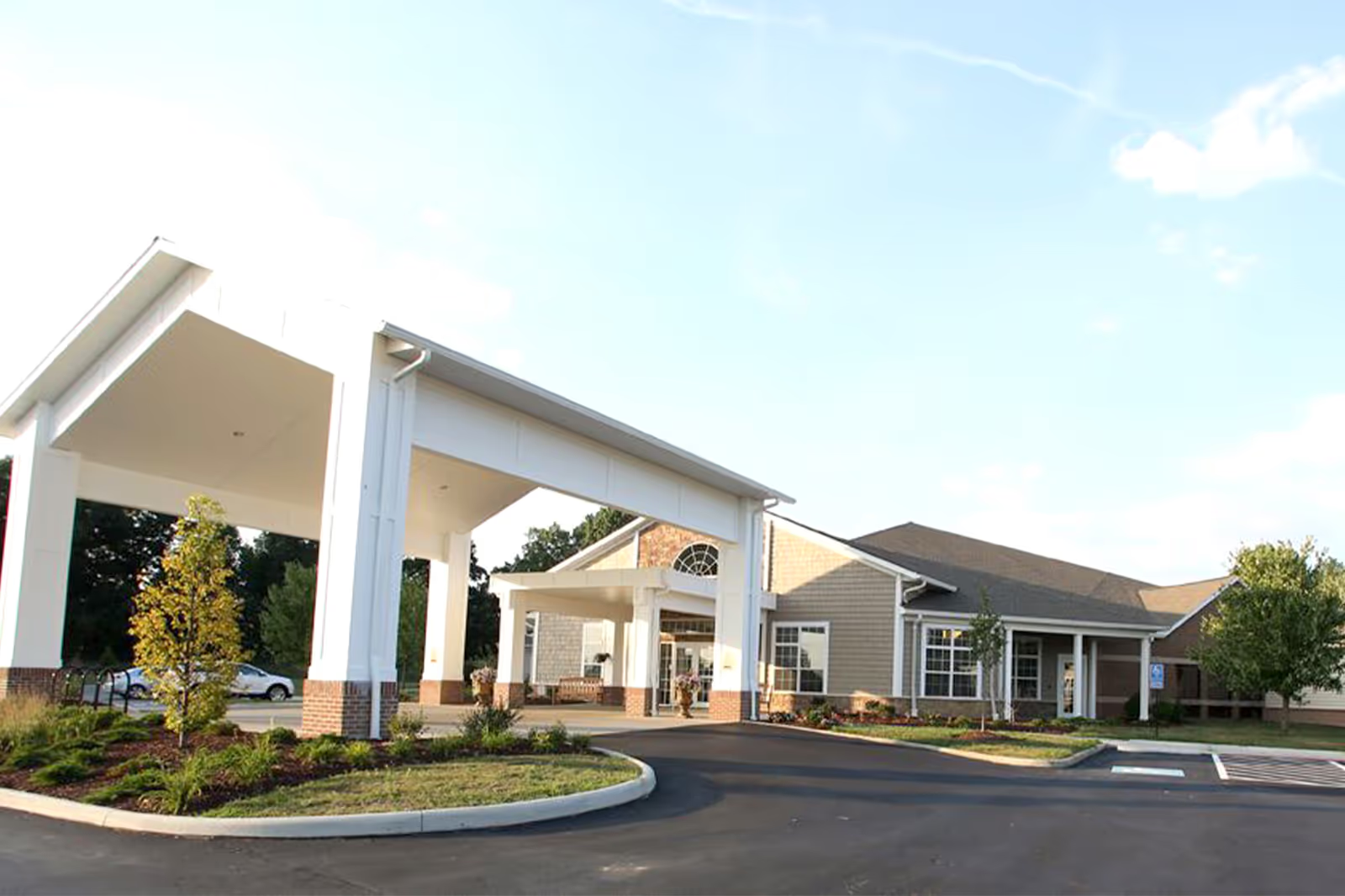
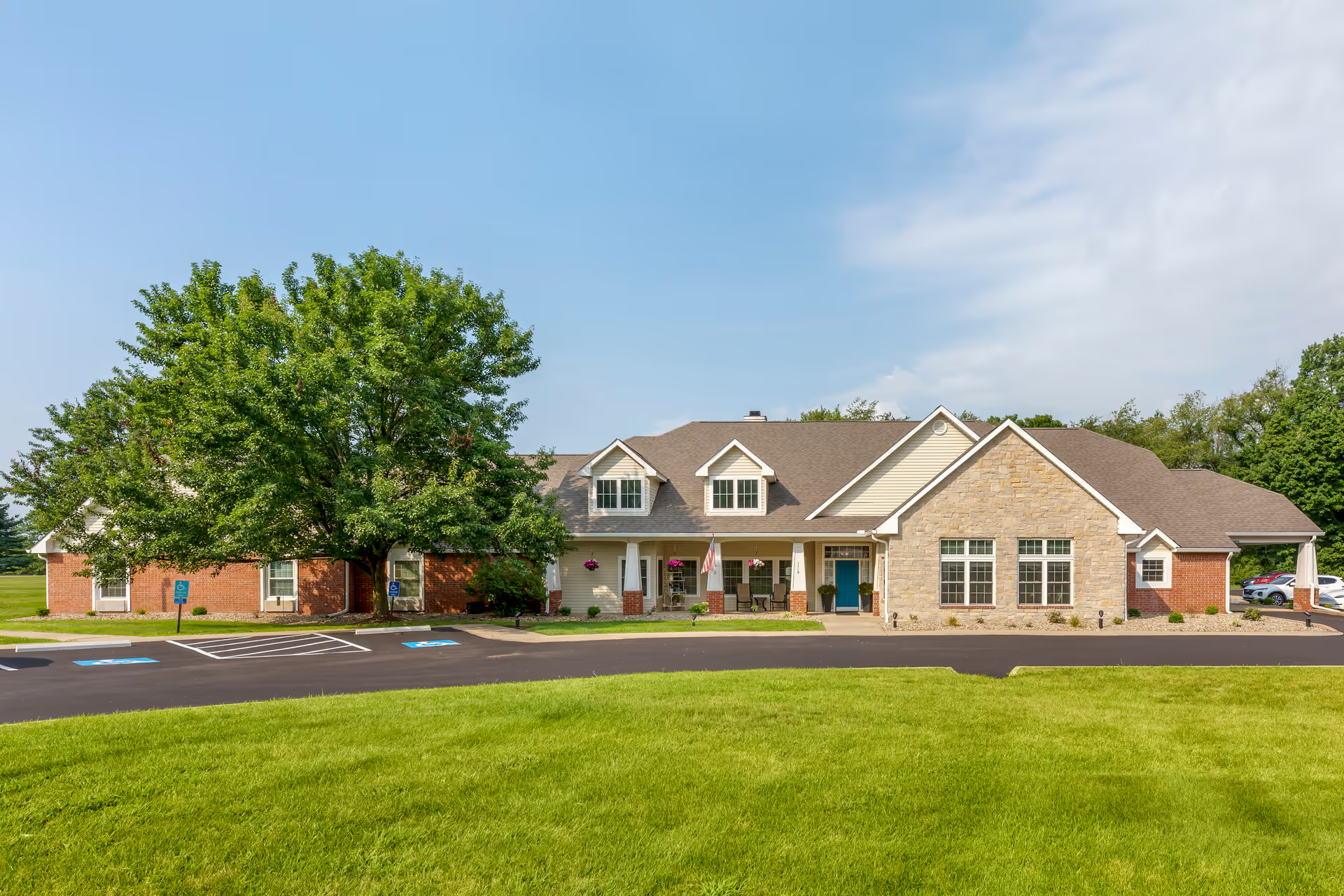
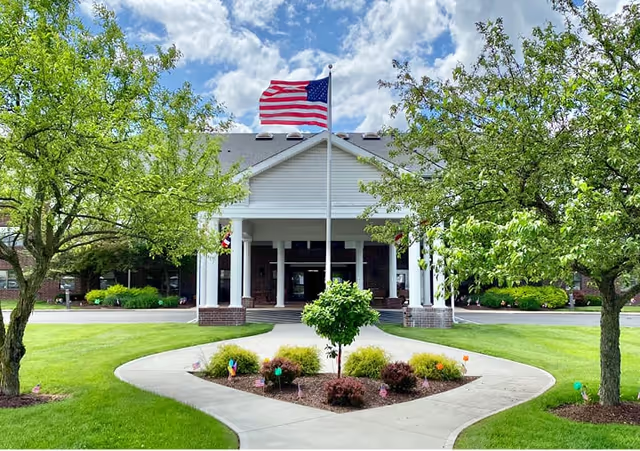
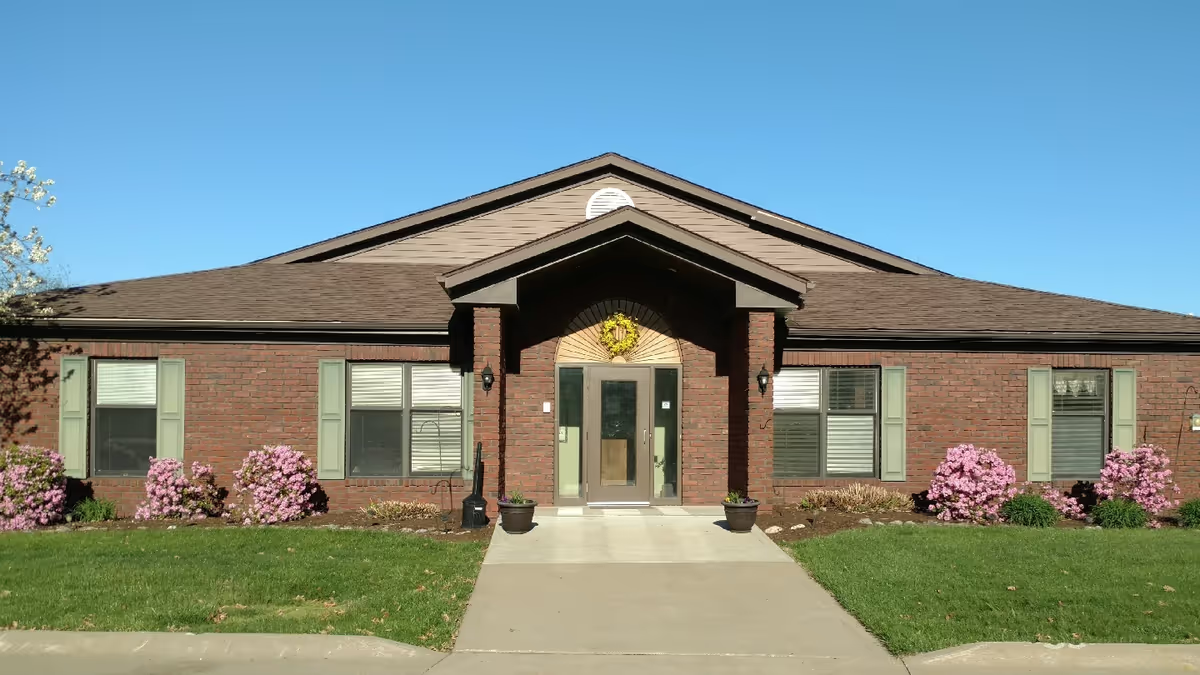
Amherst Meadows presents a mixed picture for prospective residents and families. Many reviewers describe caring, skilled nursing and therapy staff, with particular praise for the rehabilitation program and specific clinicians. The facility offers apartment-style units and well-maintained rehab rooms, accessible common areas and outdoor spaces, frequent activities (bingo, exercise groups, social evenings), on-site personal-care services, and social-work support that can facilitate transitions. For many residents the environment is described as clean, supportive, and conducive to recovery or long-term living.
At the same time, a consistent pattern emerges around staffing and oversight. Several reviews describe variability in staff conduct and supervision, including instances of inattentive behavior and uneven responsiveness. These accounts align with reports of understaffing or weekend coverage gaps that appear to contribute to delayed assistance for time-sensitive personal-care needs. Families should be alert to staffing levels on the unit where their loved one would be placed and clarify expected response times for toileting, dressing, and medical-device care.
Operational and facility issues are also notable. While many common and rehab areas are praised for cleanliness, there are specific concerns about building maintenance responsiveness, parking accessibility, and localized sanitation and pest-control problems. Laundry and personal-property handling have been inconsistent in practice, leading to lost or mixed clothing and inconsistent return of belongings. Dining is described variably: some reviewers praise meals and timely delivery, while others report limited portions, uneven breakfast quality, or occasional taste concerns.
Communication and administrative practices present another area for caution. There are descriptions of unclear or unexpected charges, lease and billing enforcement perceived as uncompromising, and at least some instances that prompted regulatory follow-up. Families should request clear documentation about billing, consent for diet or medication changes, and procedures for incident reporting. Equally, prospective residents often report excellent individual clinicians and aides; therefore, a focused tour and direct conversations with nurses, therapy staff, and the social worker can help assess whether the facility’s strengths align with a family’s priorities.
In summary, Amherst Meadows appears to offer robust rehabilitation services, numerous activities, and many compassionate caregivers, but it also exhibits operational variability that may affect quality and experience. Key evaluation steps for families: verify staffing levels and supervision practices on the intended unit, ask about recent regulatory findings and remedial actions, inspect apartment location relative to parking and common areas, review laundry and property procedures, and obtain a clear written outline of billing and consent policies. These targeted inquiries will help determine whether the facility’s strengths meet a given resident’s clinical and everyday needs.