Reviews for Sprenger Health Care Rose Lane Nursing and Rehabilitation are highly polarized: many families describe a well-appointed, scenic facility with strong therapy services and compassionate caregivers, while others report systemic operational problems that affected resident experience and safety.
Care and clinical oversight: Positive accounts highlight effective physical and occupational therapy programs, successful short-term rehabilitation outcomes, and attentive hospice and end-of-life support. At the same time, reviewers describe recurring clinical concerns including inconsistent medication administration, problems with wound and catheter management, and infection-related complications. These issues suggest gaps in clinical oversight and care-continuity processes that warrant careful review by prospective families.
Staff and responsiveness: Numerous reviewers praise individual nurses, therapists, and aides for compassion, skill, and clear communication. However, a contrasting pattern describes understaffing, high turnover, and variable staff responsiveness — including delays in assistance for personal care and long wait times for call-light response. Family communication and coordination of care are similarly inconsistent: some families report proactive outreach and helpful discharge planning, while others encountered disorganization and poor follow-through.
Dining and activities: The facility offers on-site dining with the ability to accommodate special diets and a full activities program with outings, courtyard amenities, and on-site services such as a salon. Positive reports cite varied, healthy meals and an engaging activity calendar. Conversely, other accounts describe uneven meal quality, cold or small portions, and occasional service lapses that reduce the dining experience.
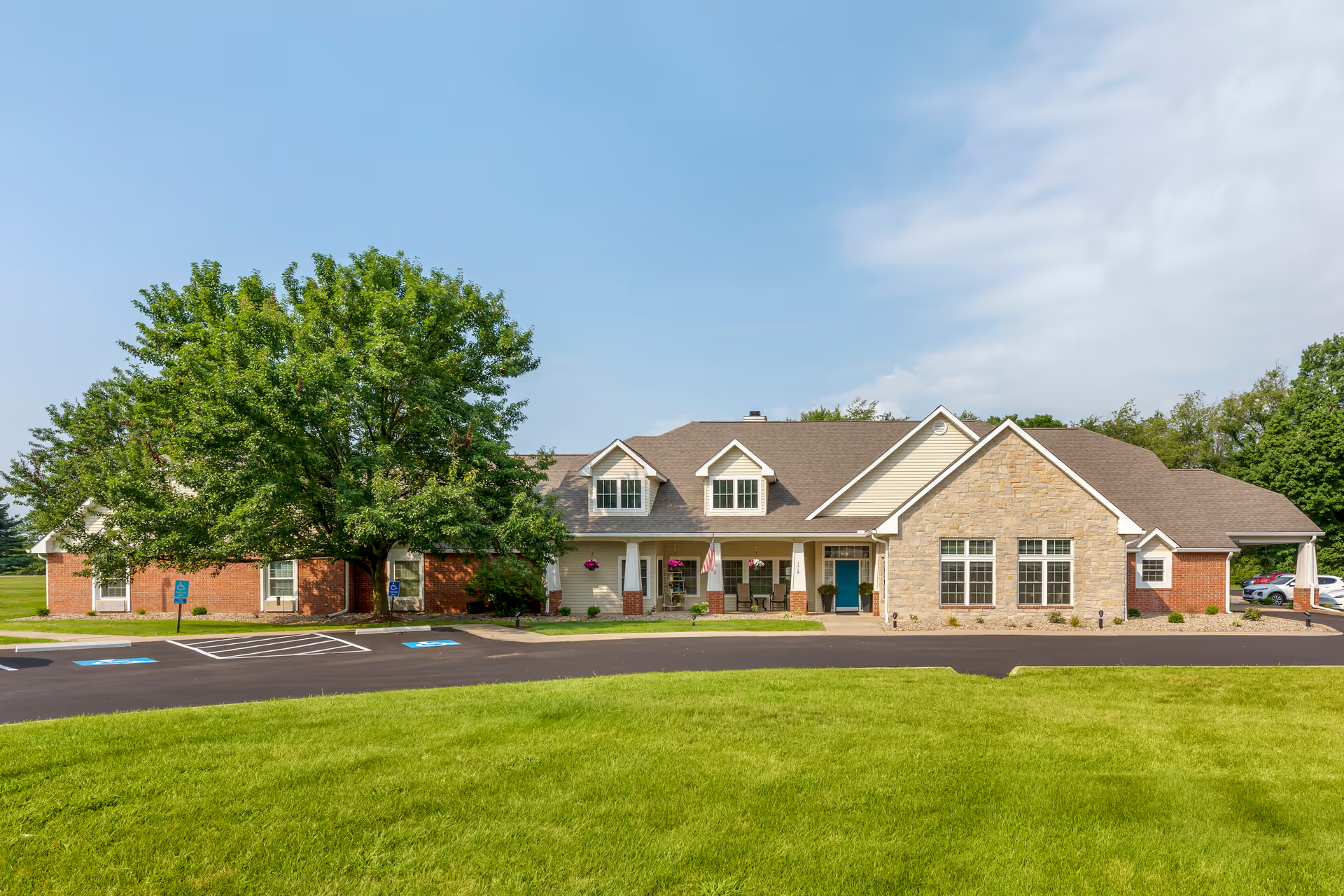
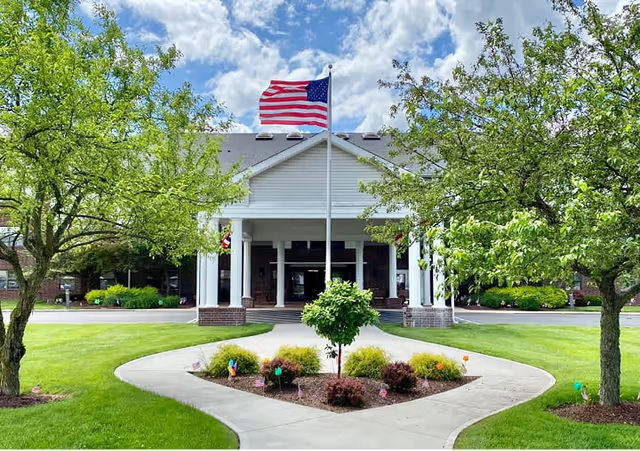
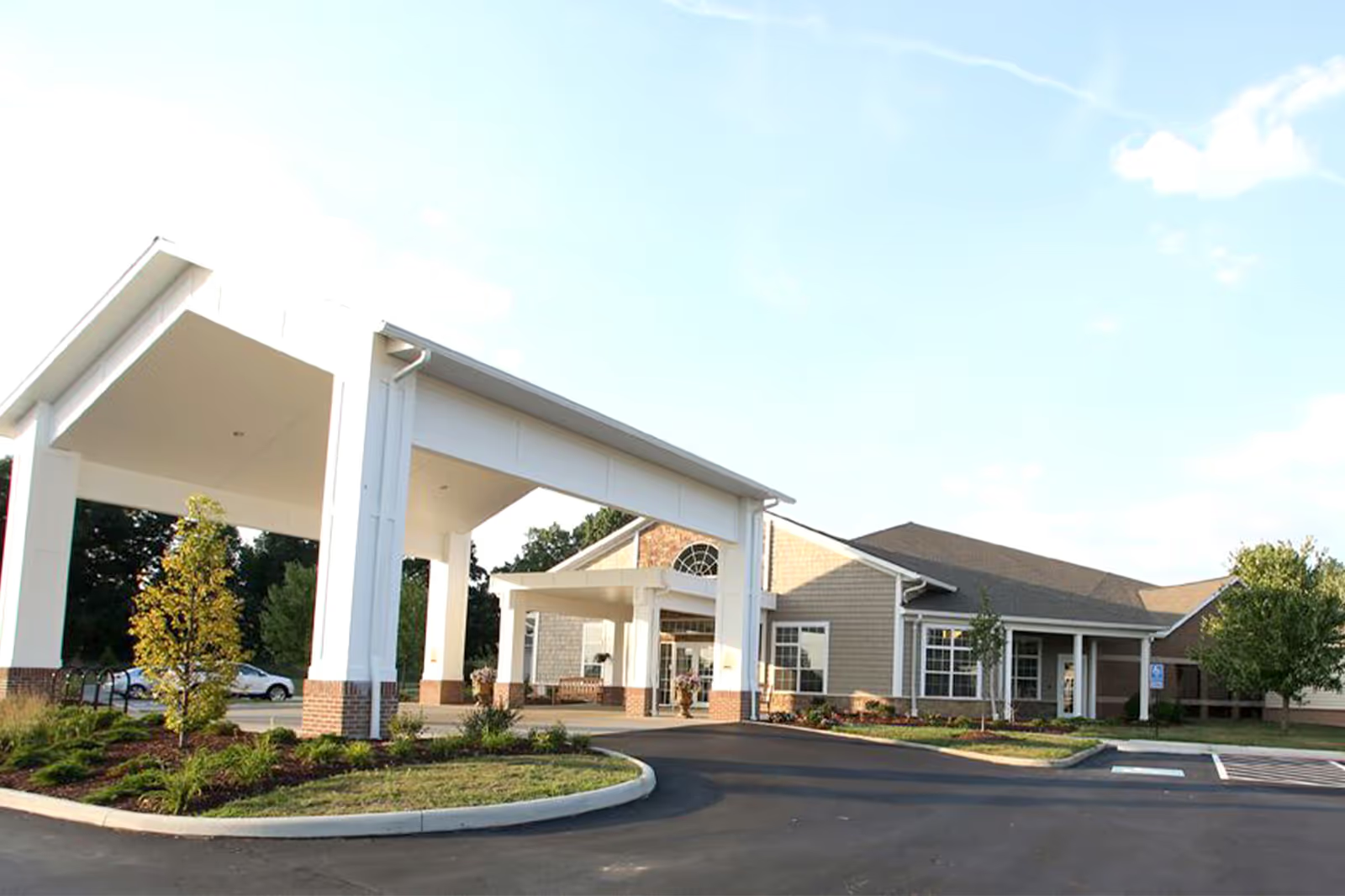
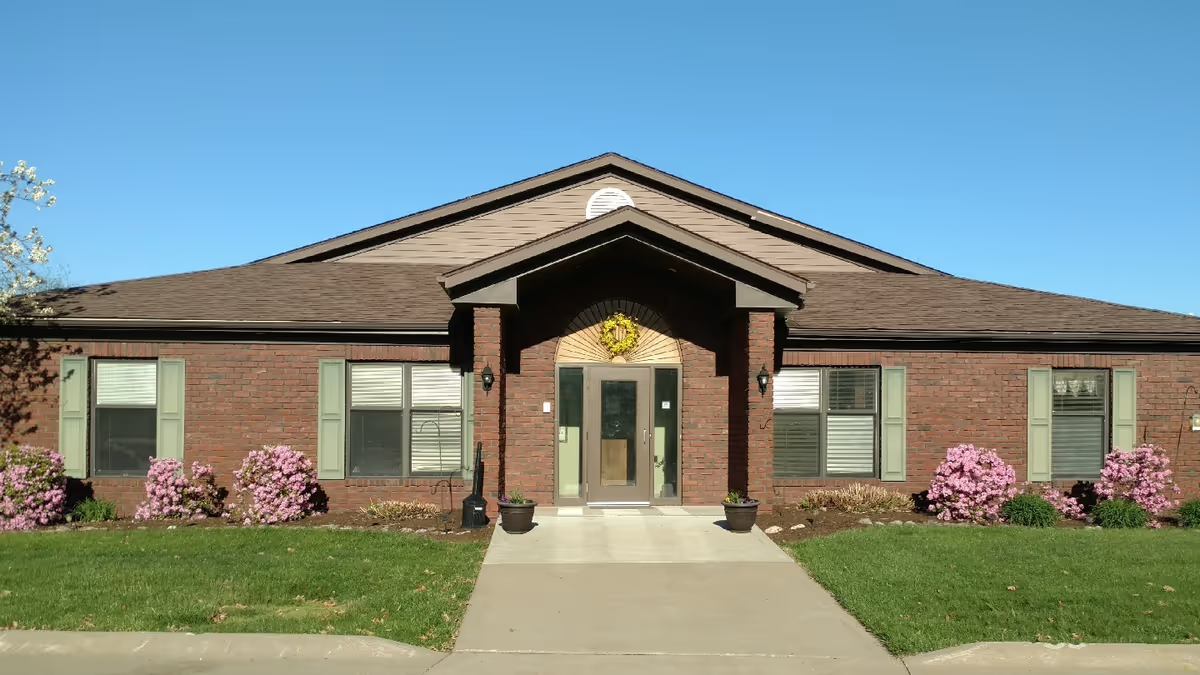
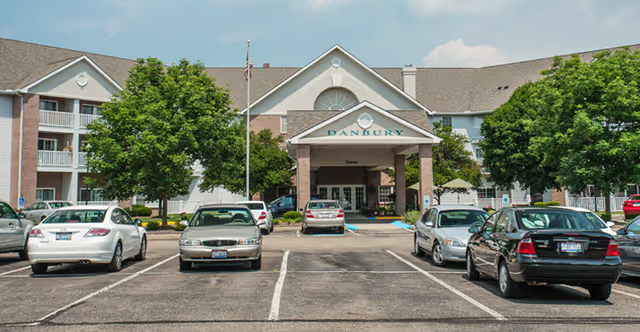
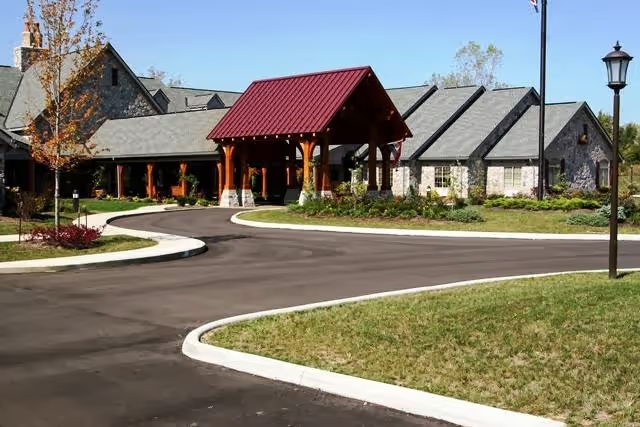
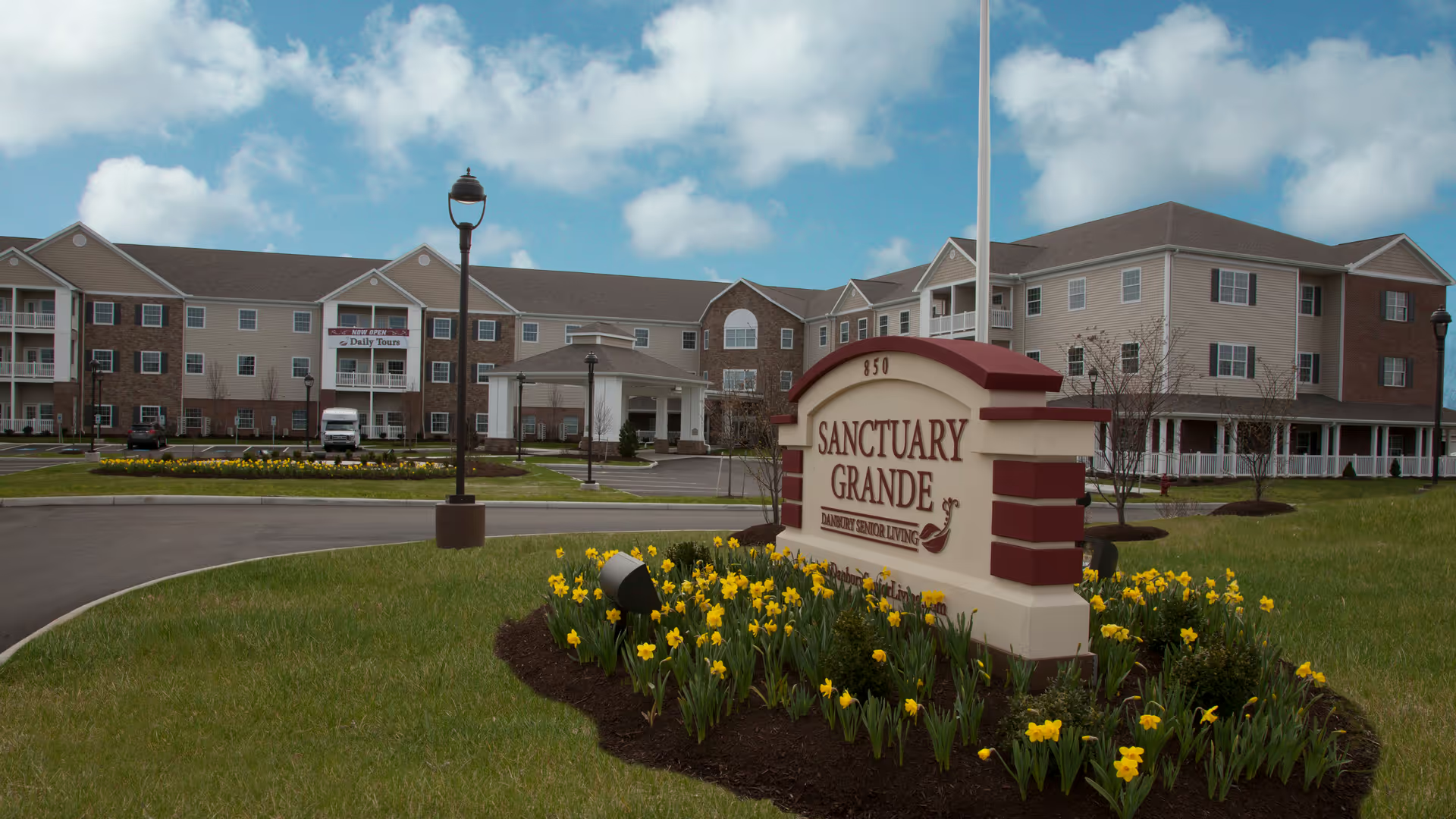
Facilities and security: The campus, landscaping, courtyard features, and room configurations receive frequent praise; many families note a pleasant, home-like environment with private rooms and outdoor spaces. Counterbalancing this, there are concerns about building security, wayfinding, and access control, as well as inconsistent housekeeping and sanitation practices in some areas. Reviewers also raised serious allegations involving missing personal items and financial/property-management issues; those claims, along with isolated accounts of record-handling problems, indicate areas for administrative clarification.
Management and organizational patterns: Several comments point to changes after ownership transition, including perceived emphasis on cost control, staffing challenges, and procedural rigidity. Positive feedback exists for admissions, therapy coordination, and some leadership individuals, but organizational instability and uneven enforcement of policies emerge as recurring themes.
Overall impression and guidance: The facility demonstrates clear strengths in therapy, campus amenities, and many individual staff members who provide compassionate care. At the same time, persistent operational weaknesses — especially around staffing consistency, medication and wound/catheter oversight, property controls, and sanitation in certain units — create risk variability between resident experiences. Prospective residents and families should prioritize an in-person tour, speak directly with unit-level clinical leadership about medication, infection-prevention, and security protocols, request recent inspection and staffing records, and ask current families about day-to-day responsiveness before making a placement decision.