Reviews for this facility are mixed, with many families and residents praising interpersonal care and environment while others raise substantive operational concerns. Positive comments focus on the conduct of direct-care staff, the activities and dining programs, and the facility’s suitability for dementia care. At the same time, a number of reviews describe care- and management-related problems that prospective families should consider and investigate further.
Care quality and clinical services appear variable. Several accounts commend nurses and aides who provide respectful, dignified attention and a willingness to go beyond assigned duties. Conversely, other accounts describe uneven nursing engagement and concerns about responsiveness at times. There are specific criticisms related to rehabilitation and therapy — including descriptions of limited access to therapy for some residents, dissatisfaction with intensive therapy effectiveness, and instances where requested feeding plans were not implemented. Reviewers also cited a notable example of significant resident weight loss, which highlights the importance of confirming nutrition-monitoring practices and feeding-plan adherence before placement.
Staffing and staff culture are recurring themes. Many reviews highlight friendly, professional, and communicative staff members, including housekeeping and activity personnel. However, comments about short-staffing and variable staffing adequacy suggest the level of direct care may fluctuate by shift or unit. Families describe both extraordinary staff efforts and times when staffing constraints appear to affect care delivery and timeliness.
Dining and activities are generally reported positively. Multiple reviewers mentioned good food and an active program schedule; dementia-care services were specifically noted as a strength. These programmatic areas appear to enhance quality of life for many residents and support family involvement through frequent visits.
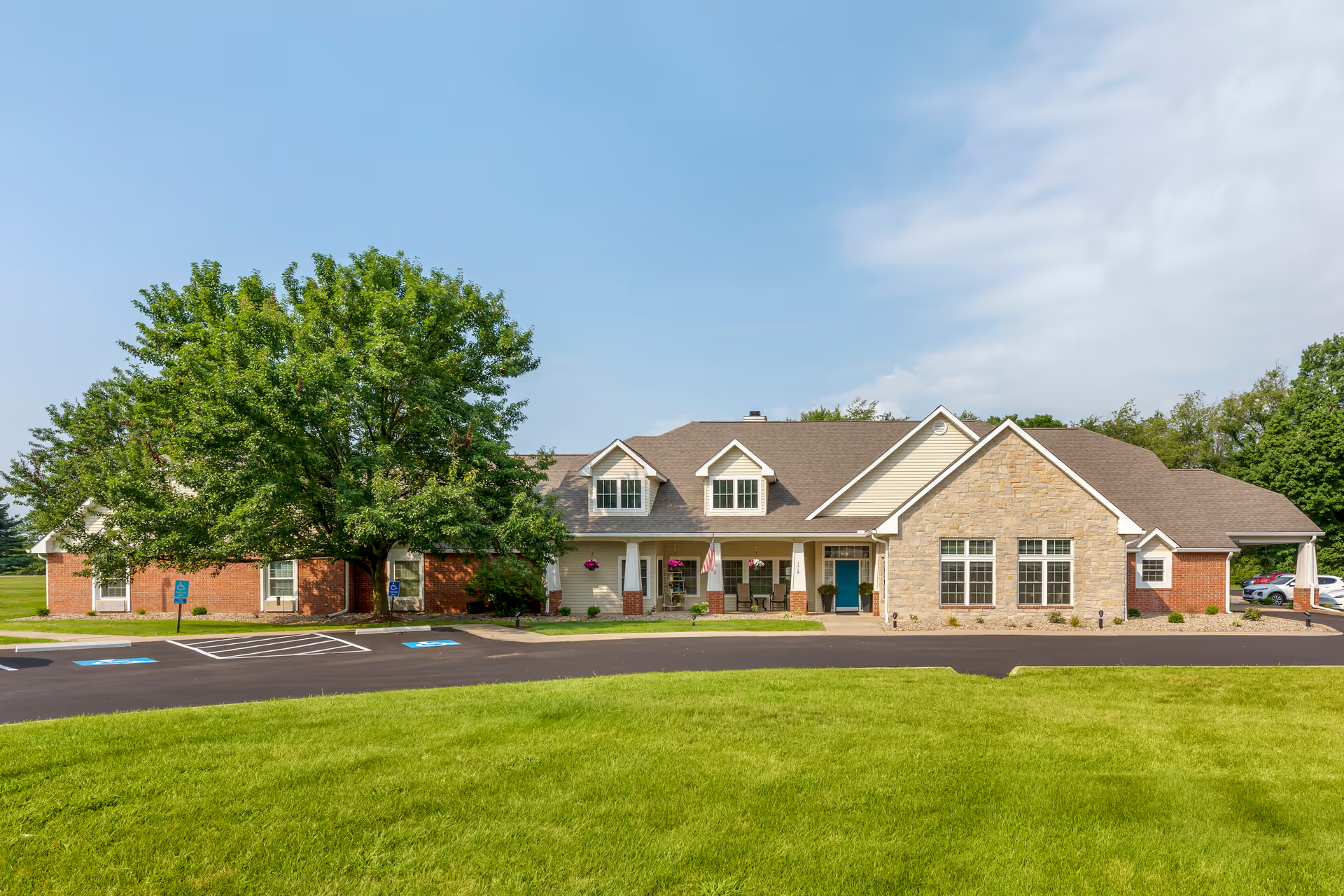
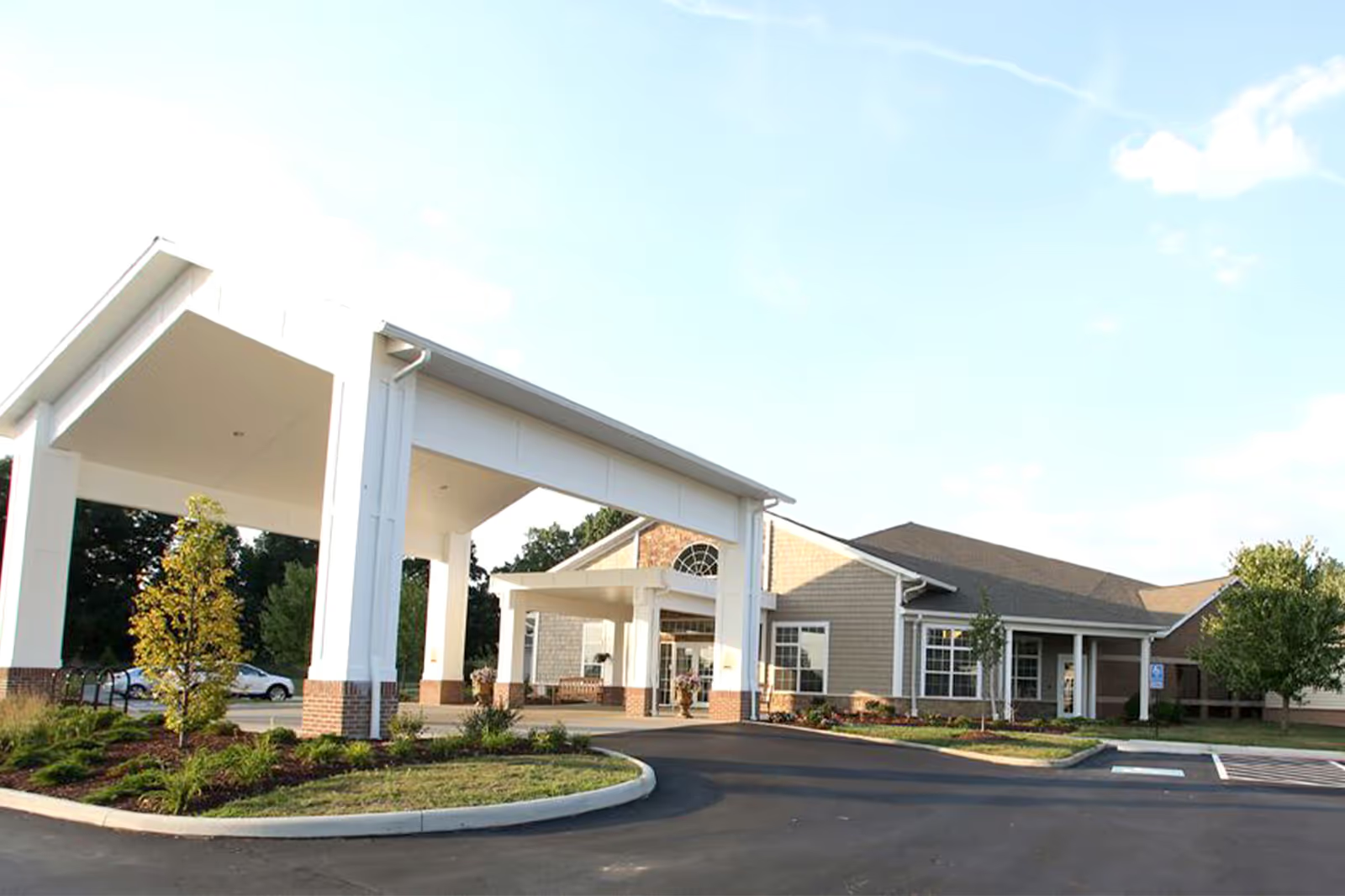
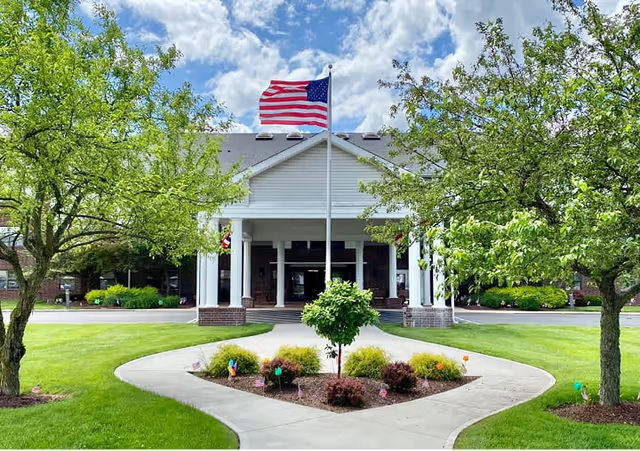
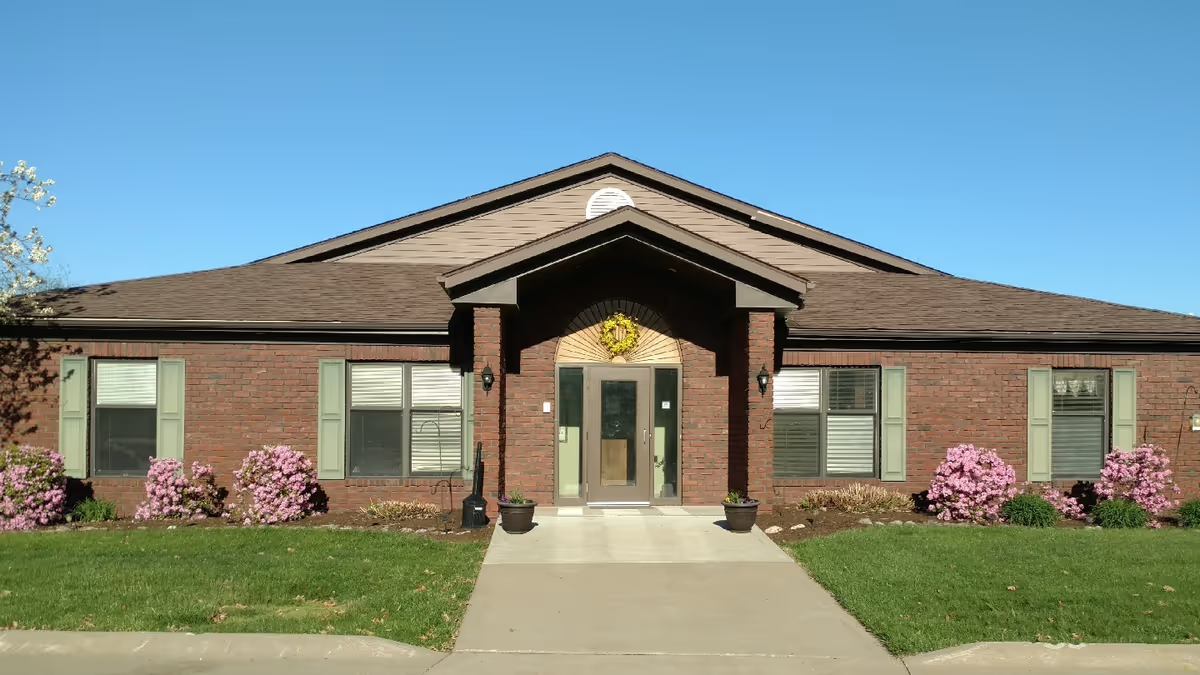
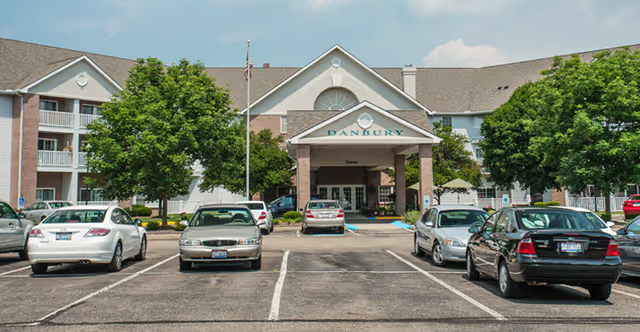
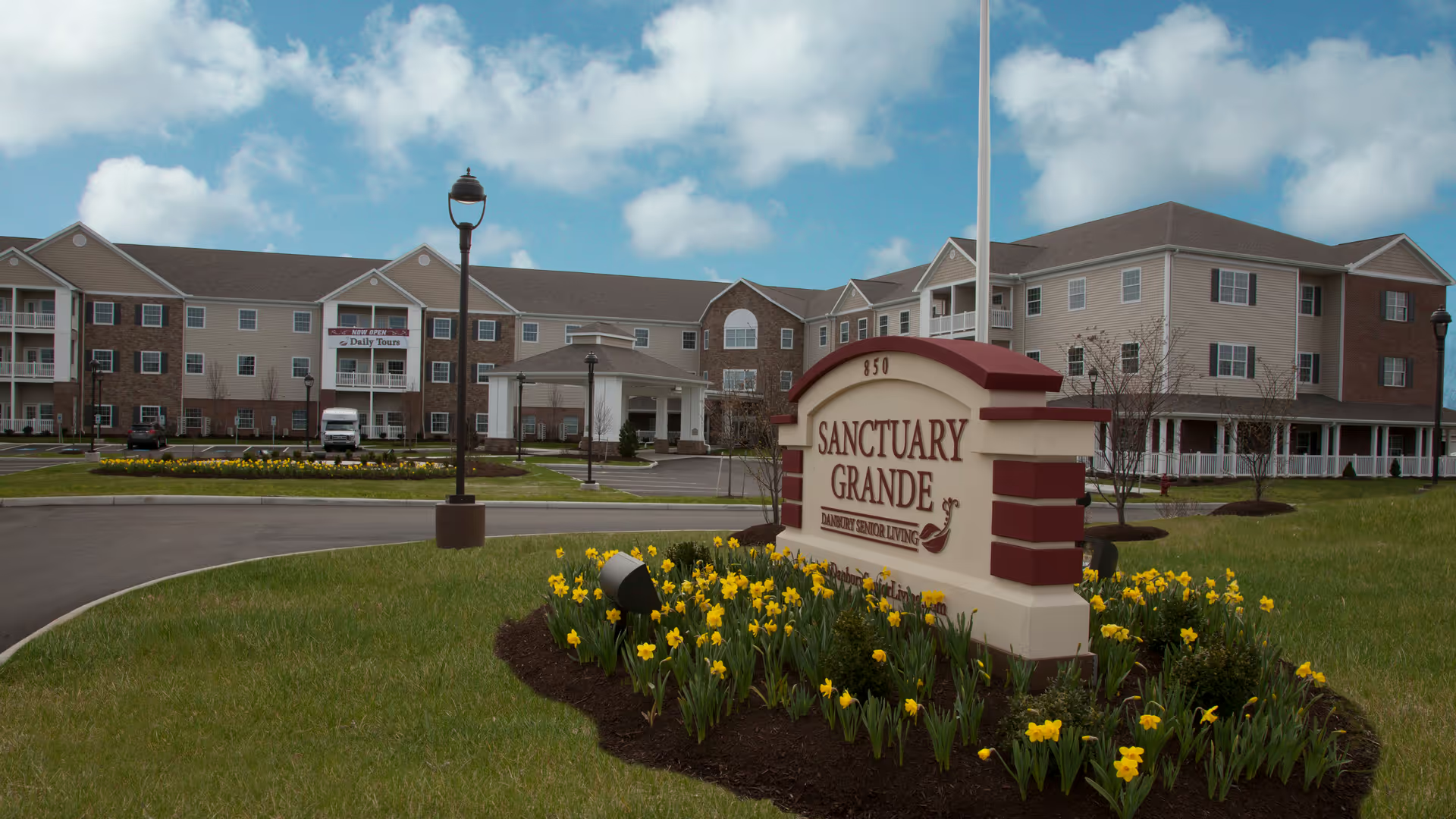
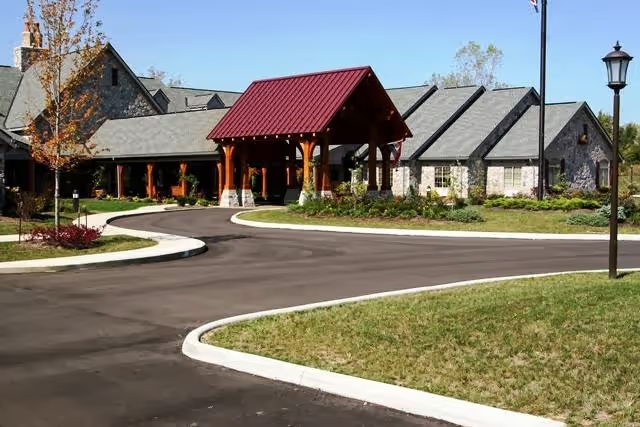
Facility condition and management responses show a split picture. The building is described as older but in many areas well maintained and clean; at the same time, some reviewers reported outdated sections, sanitation concerns in parts of the facility, and evidence of inconsistent housekeeping in specific units. Operational issues raised include missing personal items and laundry-management problems, perceived prioritization of cost control by corporate ownership, and occasional conflicts between advertising and observed conditions. These points suggest variability in administrative follow-through and property management practices.
Notable patterns for families to investigate during a tour include: typical staffing ratios by shift and unit, therapy schedules and expected outcomes, documented processes for feeding plans and weight monitoring, laundry and belongings protocols, sanitation audits, and how the facility addresses family concerns and incidents. Requesting recent inspection reports, asking for examples of care-transition plans, and speaking with current family members can help clarify whether the strengths highlighted by many reviewers are consistent in the specific unit or neighborhood you are considering.
Overall, the facility demonstrates clear strengths in staff-resident interactions, activities, dining, and dementia care, but also reports operational inconsistencies that can affect clinical outcomes and daily living. Prospective residents and their families should weigh the positive interpersonal aspects against the variability described in clinical delivery, staffing stability, and facility maintenance when making placement decisions.