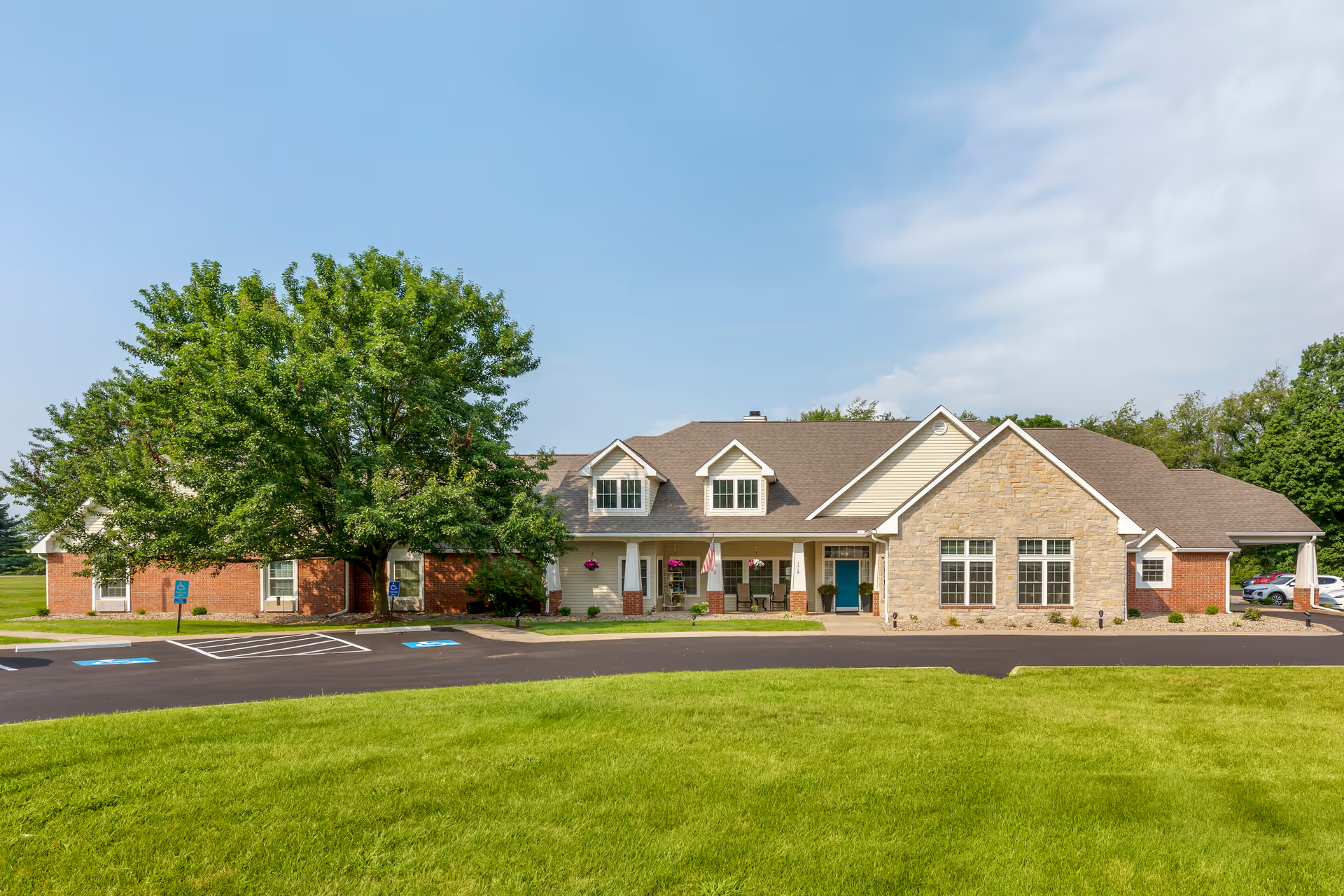
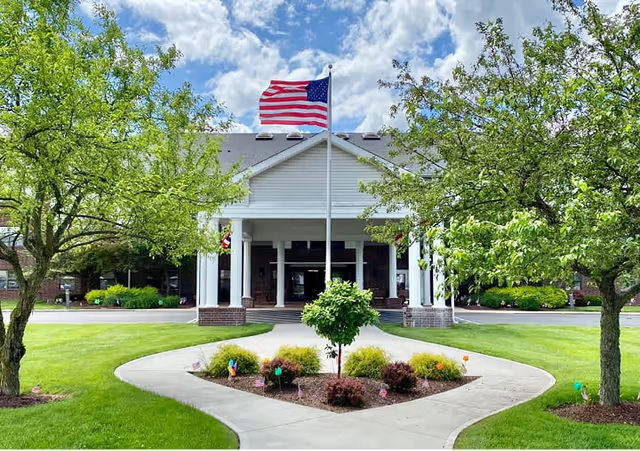
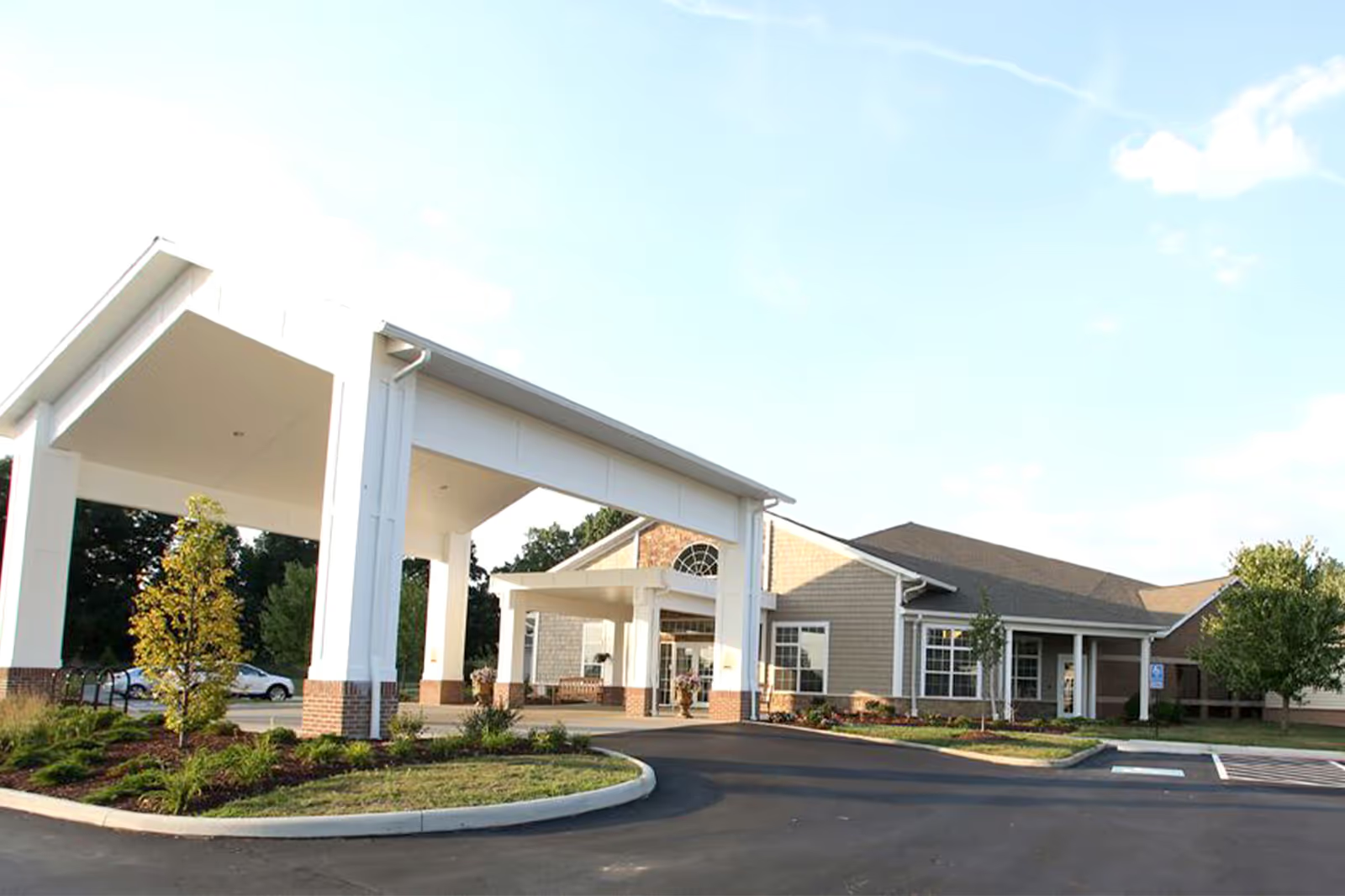
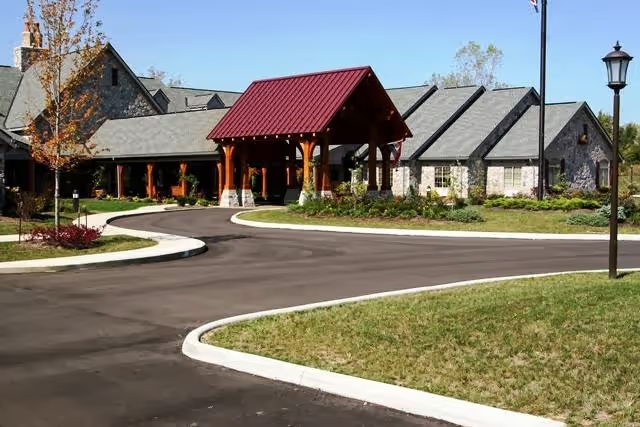
The Laurels of Massillon elicits highly polarized feedback: many families and residents describe strong clinical rehabilitation services and a warm, welcoming environment, while others identify operational gaps that affect reliability of day-to-day care. The facility's physical plant and rehab program receive consistent praise — reviewers describe a modern, clean building with spacious rooms, an up-to-date therapy gym, and therapists who produce measurable functional gains. Occupational and physical therapy, as well as wound care and other clinical therapies, are frequently called out as strengths that facilitate safe return home for rehabilitating patients.
Direct-care staff are frequently characterized as compassionate, personable, and attentive. Numerous reviewers named nurses, nurse managers, therapists, dietary staff, and aides for above-average responsiveness and individualized attention; social work and admissions personnel also receive positive mention for facilitating transitions and paperwork. At the same time, there are repeated comments about variability in staff performance: while many staff are praised for going beyond expectations, other accounts describe distracted or inattentive behaviors, particularly during some shifts and overnight hours.
Operationally, a consistent pattern in the reviews is uneven staffing and care timeliness. Reviewers reported delays in call-light responses, late or missed medication passings, and slower-than-expected assistance for toileting or breathing treatments. These issues are framed as systemic rather than isolated events — reviewers point to staffing shortages at certain times (nights, dining periods, weekends) and to gaps in medication-management controls and nurse–physician communication. There are also specific infection-control concerns, including a noted COVID event that affected residents and family members.
Dining and activities are generally well regarded but inconsistent. Many reviewers praise a heart-healthy menu, personalized meal service, and active dietary staff who remember preferences; several community programs (Breakfast Club, drive-thru meals, bingo, outings) are described as meaningful to resident quality of life. Conversely, other reviewers noted cold or poorly prepared meals after menu changes and variability associated with a transition in dietary leadership.
Management and care coordination show a mixed picture. Some reviewers commend visible, prompt leadership, proactive unit managers, and staff who provide clear shift communications. Others describe breakdowns in discharge planning, abrupt room moves without family notification, delayed or incomplete discharge arrangements, and concerns about privacy and visitation policy application. A small number of comments include serious claims (allegations of theft or financial bias and reports of disputed billing or holds) that suggest the need for careful inquiry during a tour or intake meeting.
Overall pattern and guidance: prospective residents and families should weigh the facility's strong rehabilitation and therapy reputation and many accounts of compassionate caregiving against recurring operational weaknesses in staffing consistency, medication administration, and some aspects of management communication. When considering The Laurels of Massillon, visitors should (1) observe staffing levels on the unit and during the time of day their loved one would need most support, (2) ask about medication-safety protocols and nurse–physician communication practices, (3) review discharge-planning procedures and financial policies in writing, and (4) assess meal service and overnight supervision during a site visit. The facility offers clear strengths for therapy-centered stays and community programming, but families should confirm operational reliability for long-stay or high-acuity needs.