Arbors at Minerva receives a large number of positive assessments centered on its direct-care teams and rehabilitation services. Many reviewers highlight compassionate, attentive nurses and nurse aides who provide hands-on support, and an especially strong therapy department (physical, occupational, and speech) that families credit with measurable functional gains. Admissions and care-coordination functions — frequently identified by name — are described as helpful with insurance and logistics, and the facility’s short-term, rehab-focused orientation is repeatedly praised. Housekeeping, meals, and activities are often described as pleasant contributors to resident well-being, and the building is commonly characterized as clean and comfortably decorated.
Care quality observations are mixed but tilt positive for rehabilitation and everyday assistance. Numerous comments emphasize prompt pain management, medication administration, and teamwork across shifts; several individuals referenced notable clinical improvements and successful discharges home. At the same time, a recurring operational theme relates to inconsistent responsiveness during busy periods (for example, delays in evening assistance) and signs of staff exhaustion. These operational pressures appear to affect the resident experience at times even while many direct-care employees are described as going above and beyond.
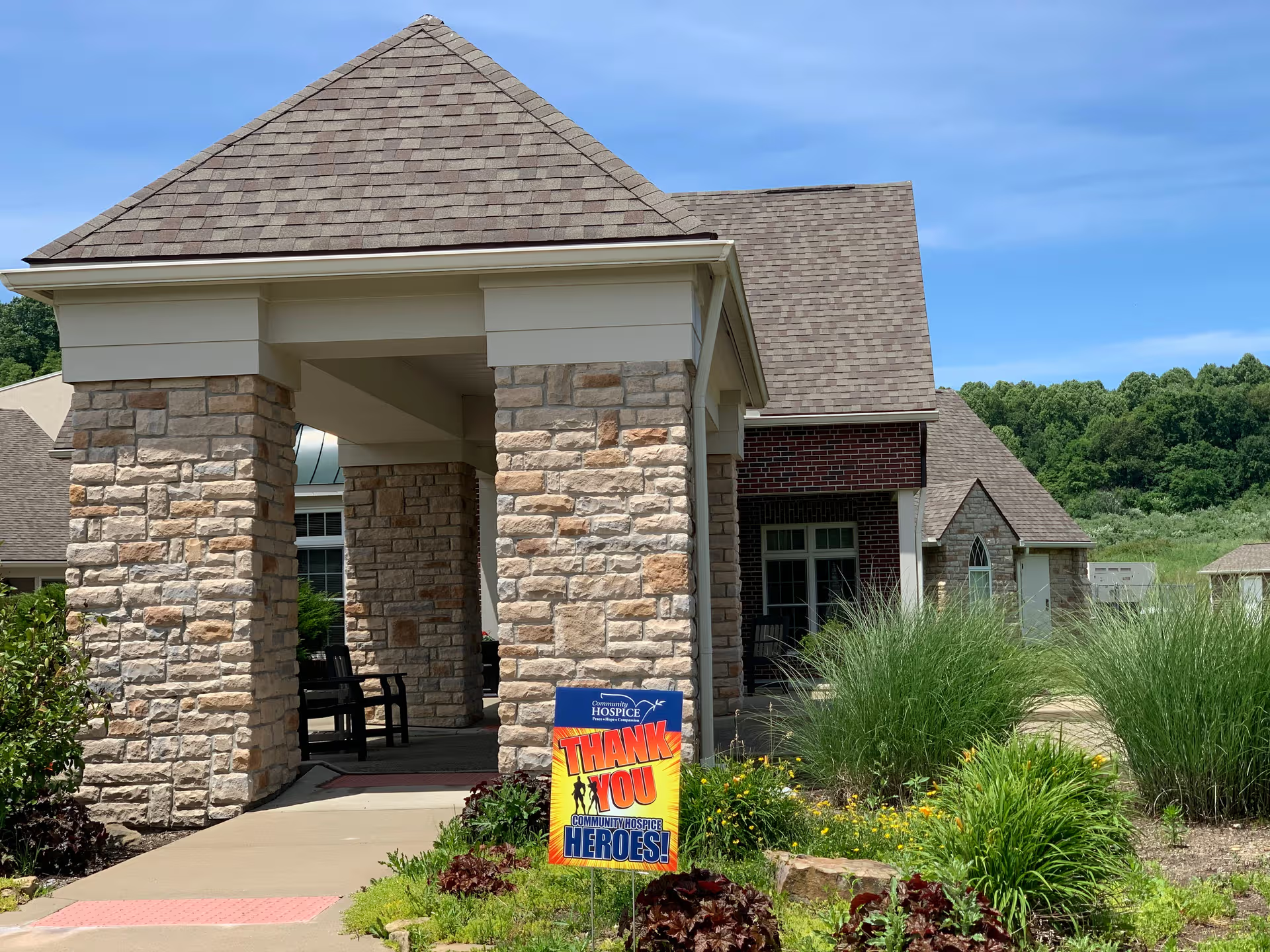
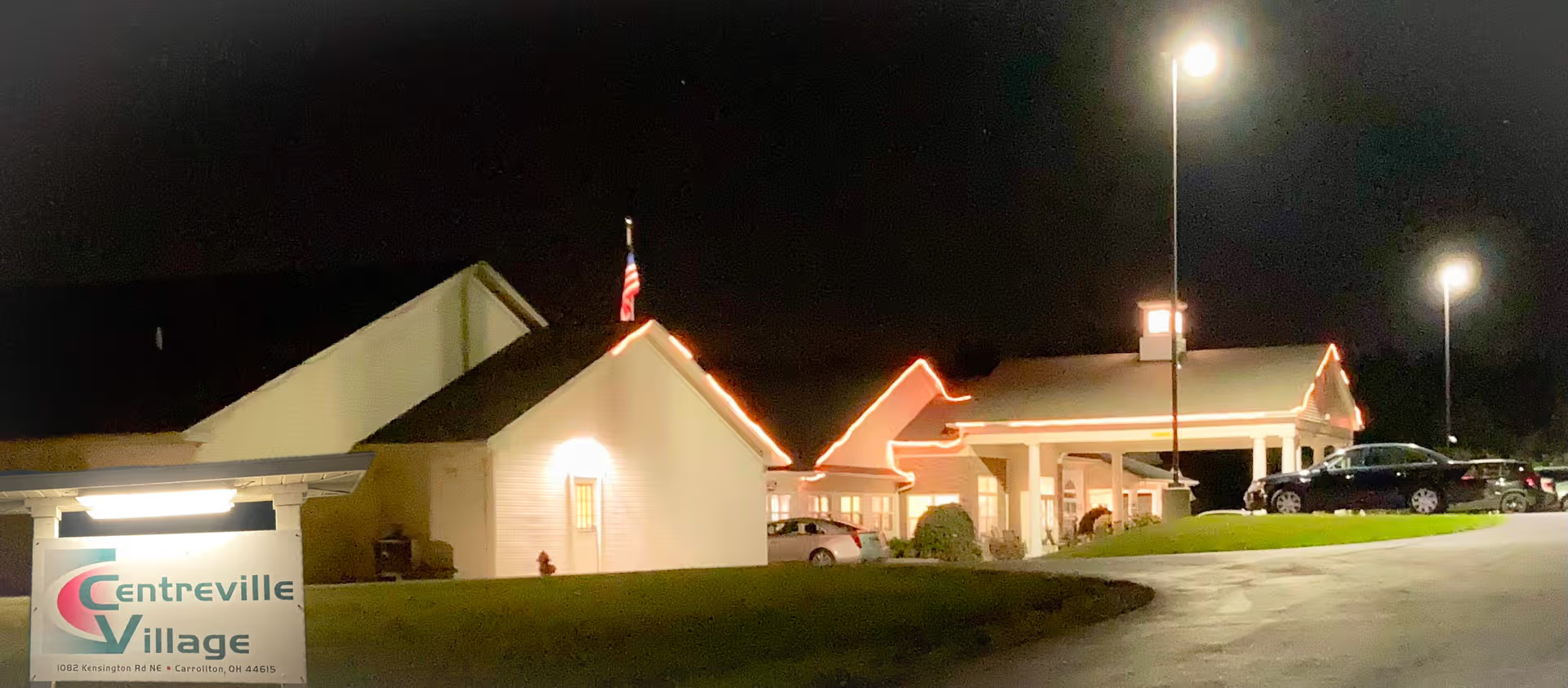
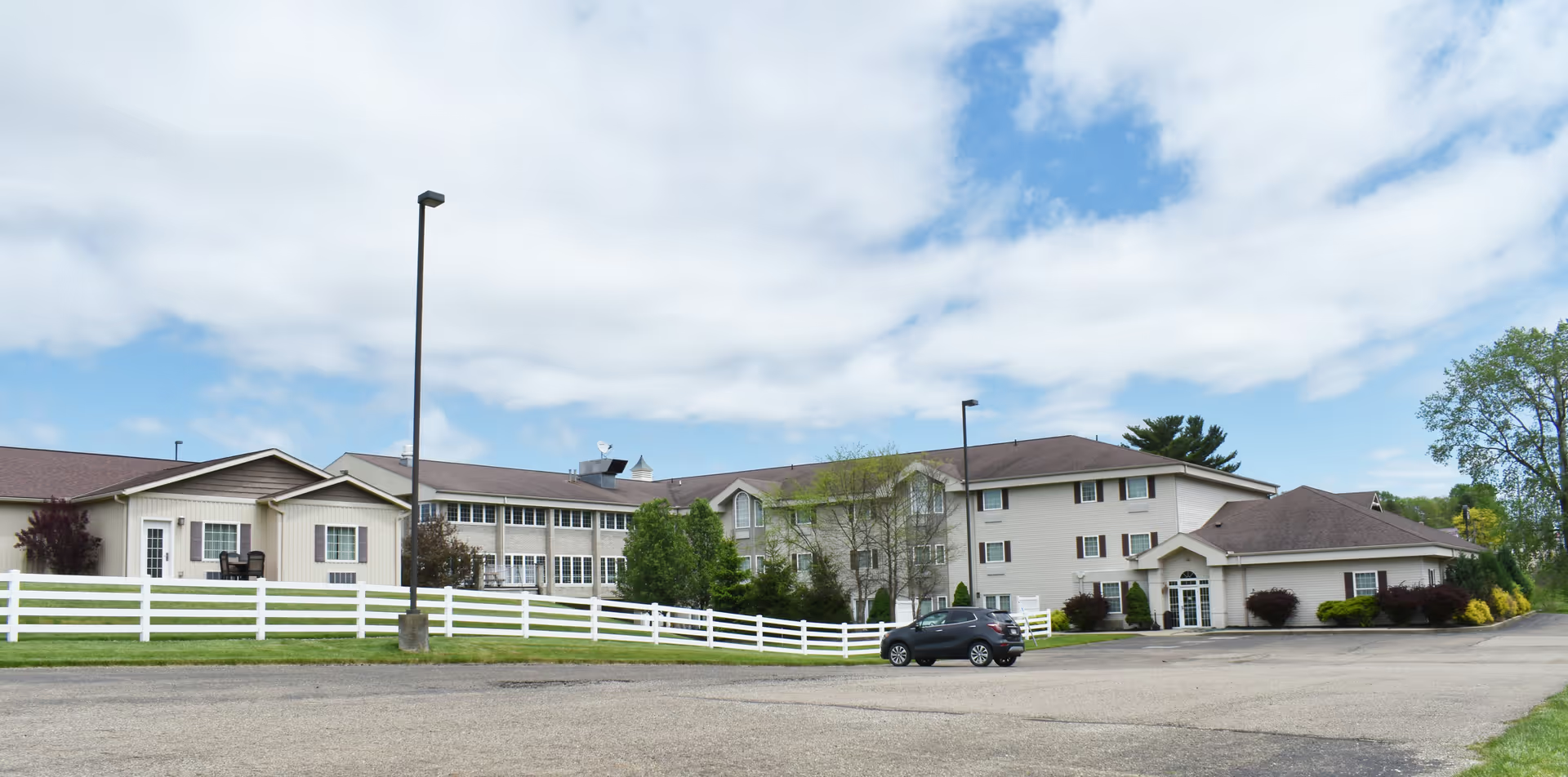
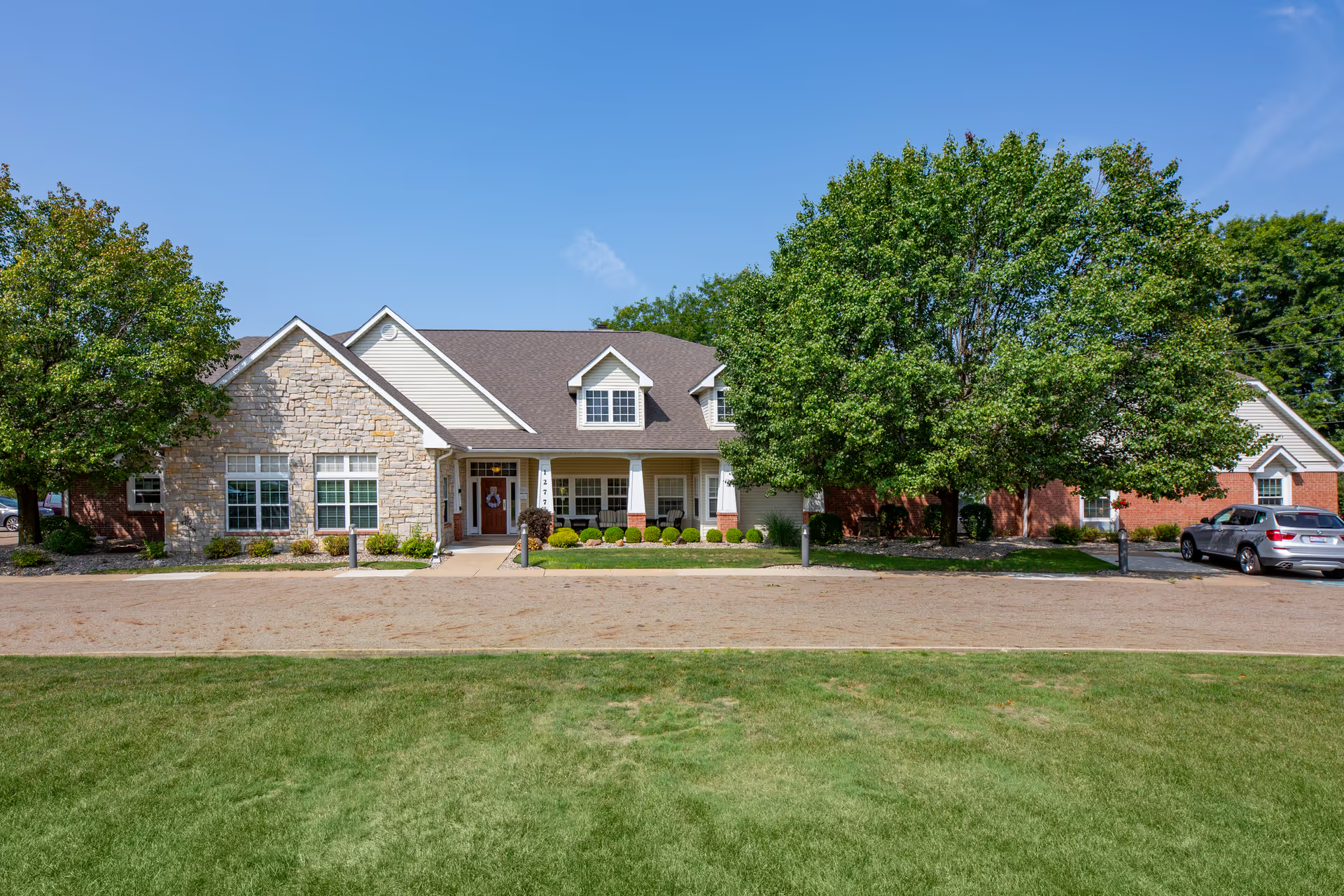
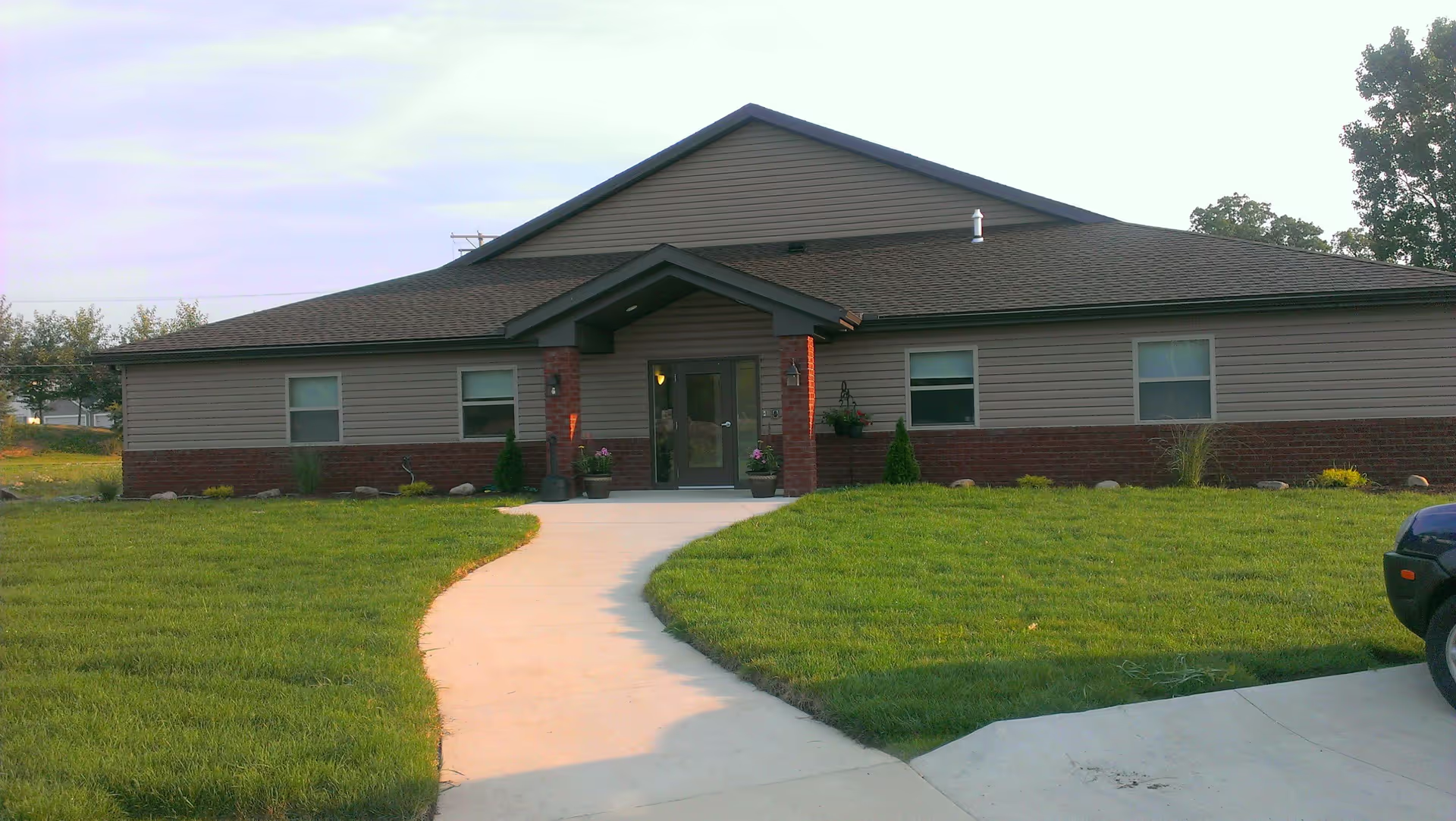
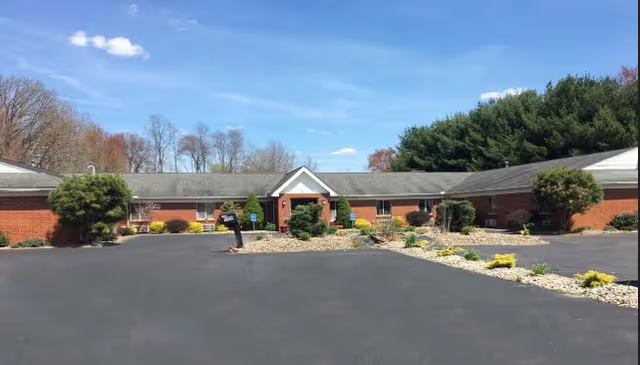
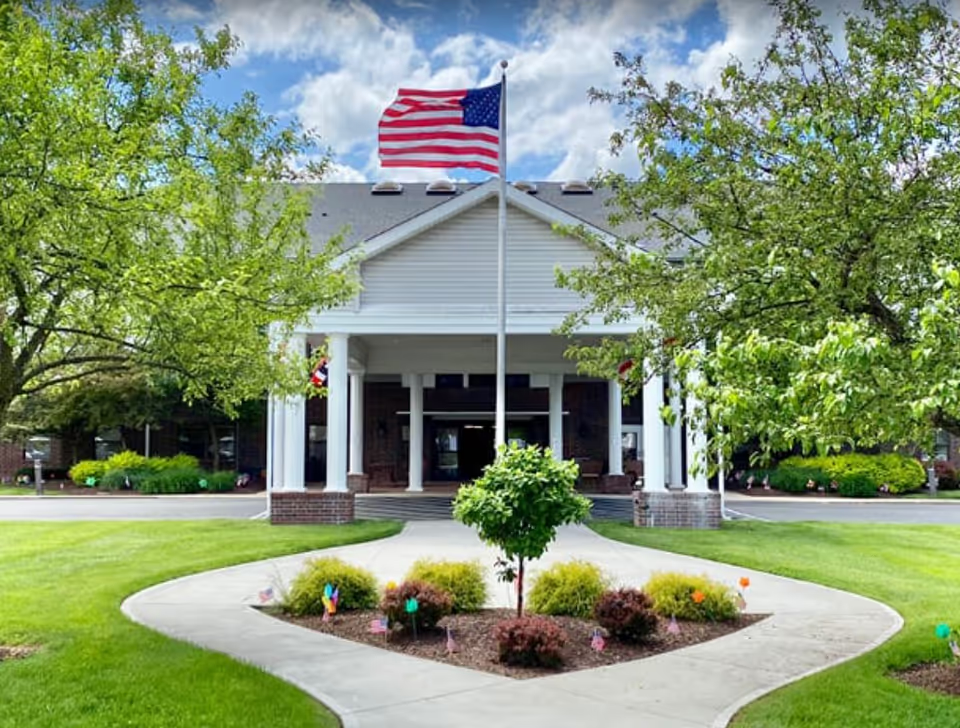
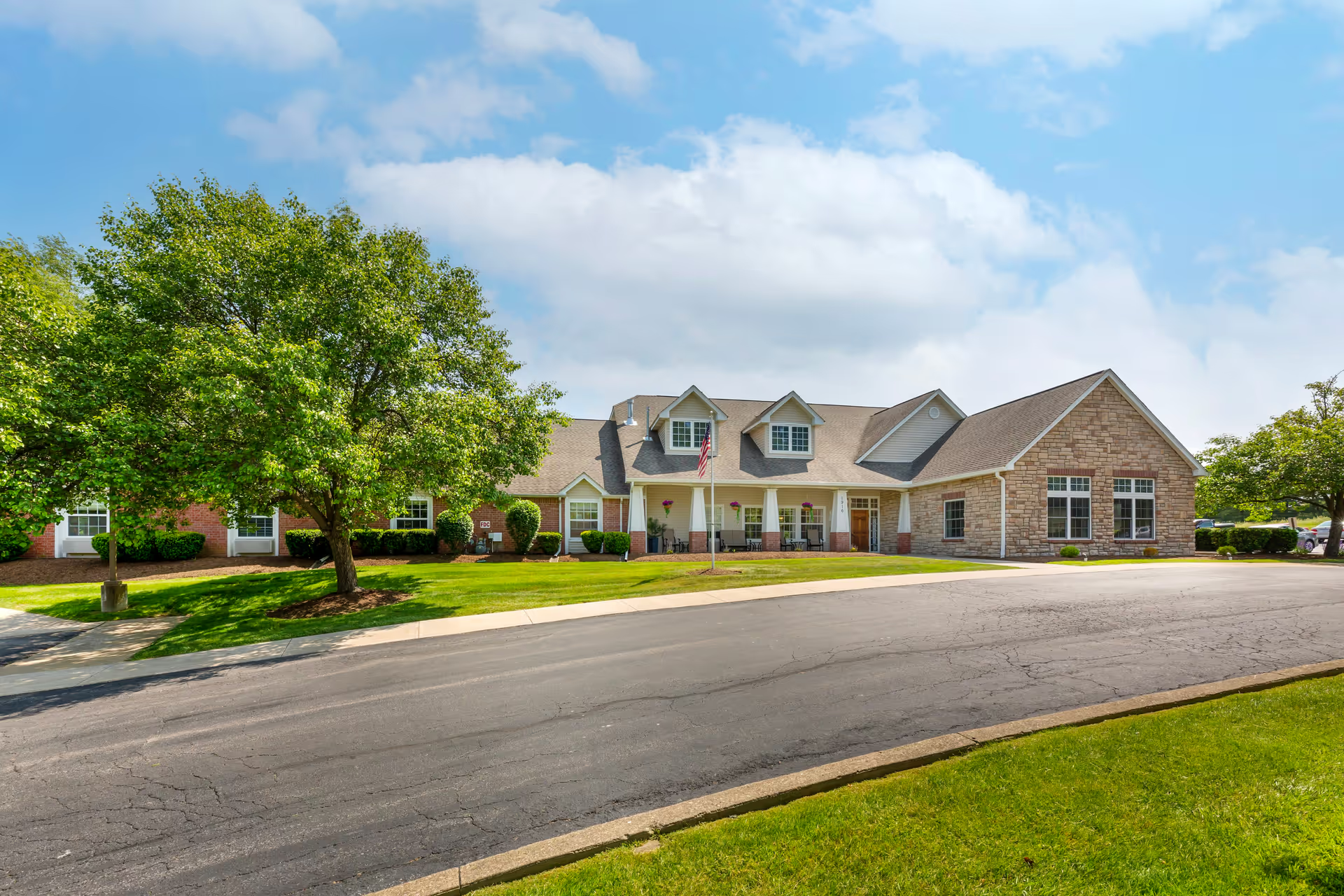
Dining and activities are generally seen as strengths. Meals receive multiple favorable remarks for taste and variety, and activity programs are described as engaging and holiday-focused. Facilities-level impressions are largely positive: reviewers cite a tidy, home-like environment, clear wayfinding, and maintenance of common areas. A small number of comments mention room size or temperature as minor issues.
Management and workplace culture are areas of concern in this review set. While admissions leadership and certain administrators receive strong praise for responsiveness and coordination, there are consistent mentions of managerial communication gaps, limited executive outreach, and perceived favoritism or cliquish dynamics among staff. Related operational issues include reported compensation instability and staff-treatment grievances that reviewers link to morale and turnover. A few reviewers raised serious accusations about medication handling and staff conduct; such allegations warrant direct inquiry with facility leadership and regulatory records when evaluating care options.
Notable pattern: the facility demonstrates clear strengths in rehabilitation services, individualized therapy outcomes, and many compassionate frontline caregivers, but those strengths coexist with operational vulnerabilities around staffing, supervisory consistency, and accountability systems. Prospective residents and families should weigh the strong clinical and therapy capabilities against the reported variability in day-to-day responsiveness and management practices, and consider asking facility representatives about staffing ratios, turnover, medication-safety protocols, incident reporting, and recent inspection or survey results before making a placement decision.