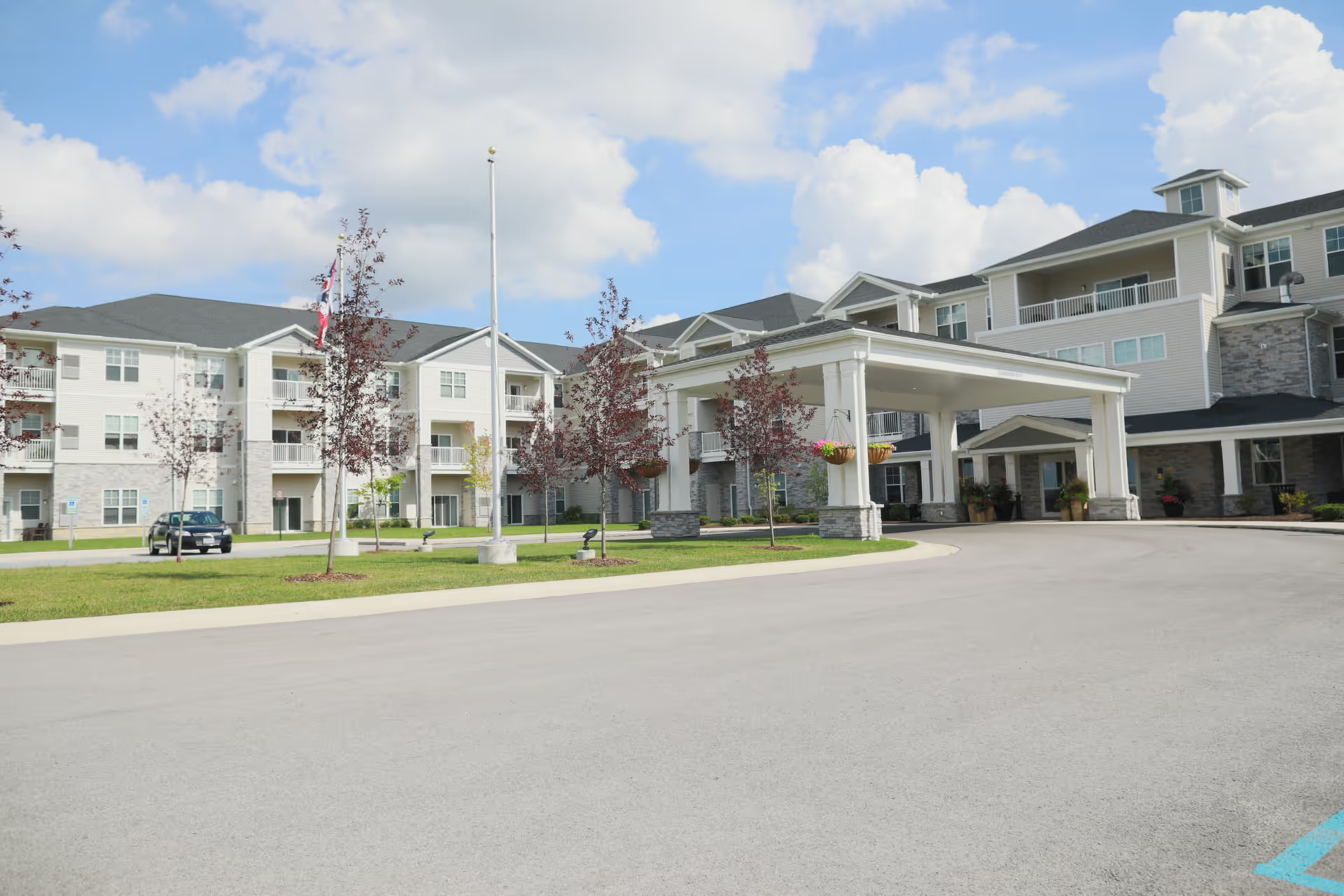
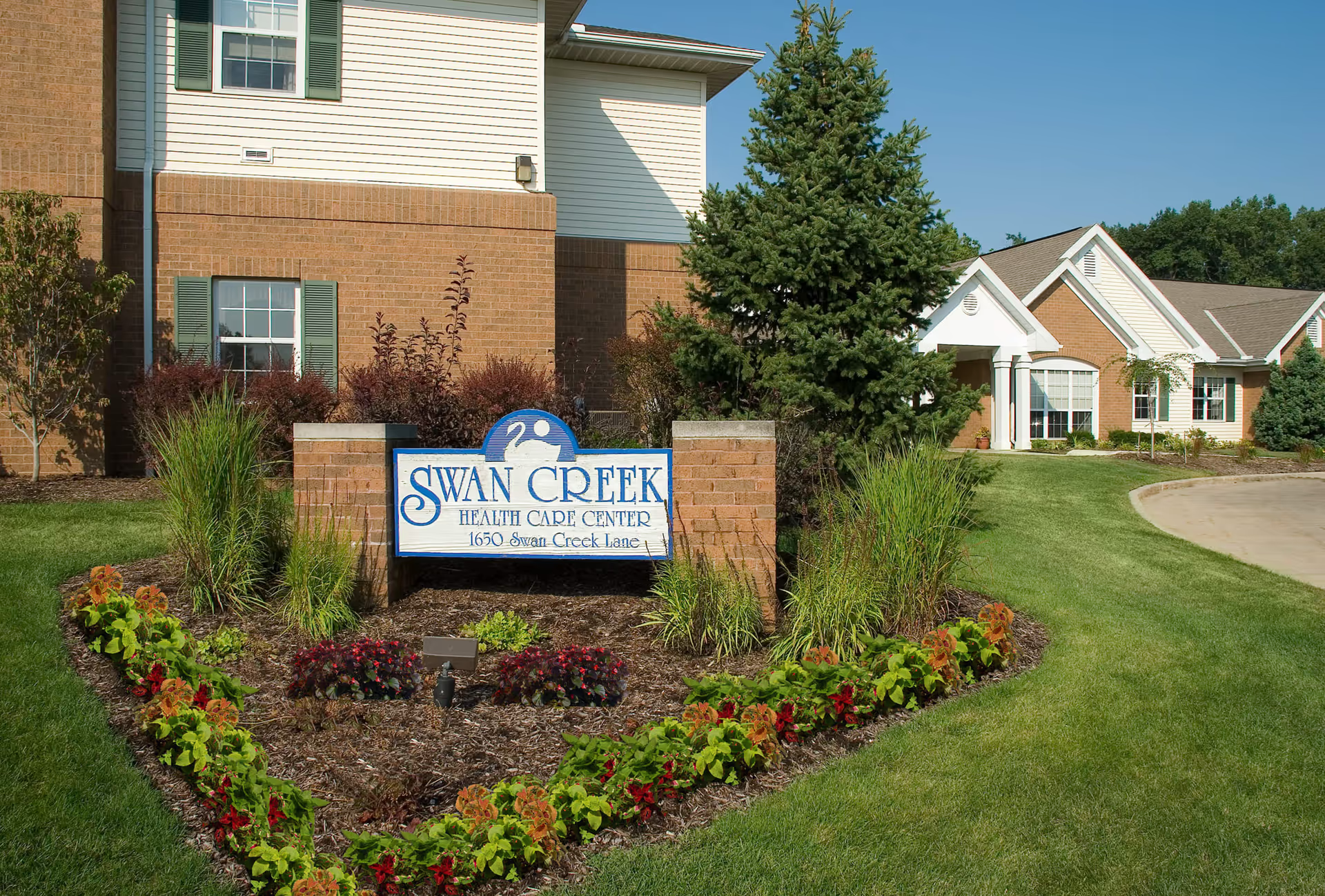
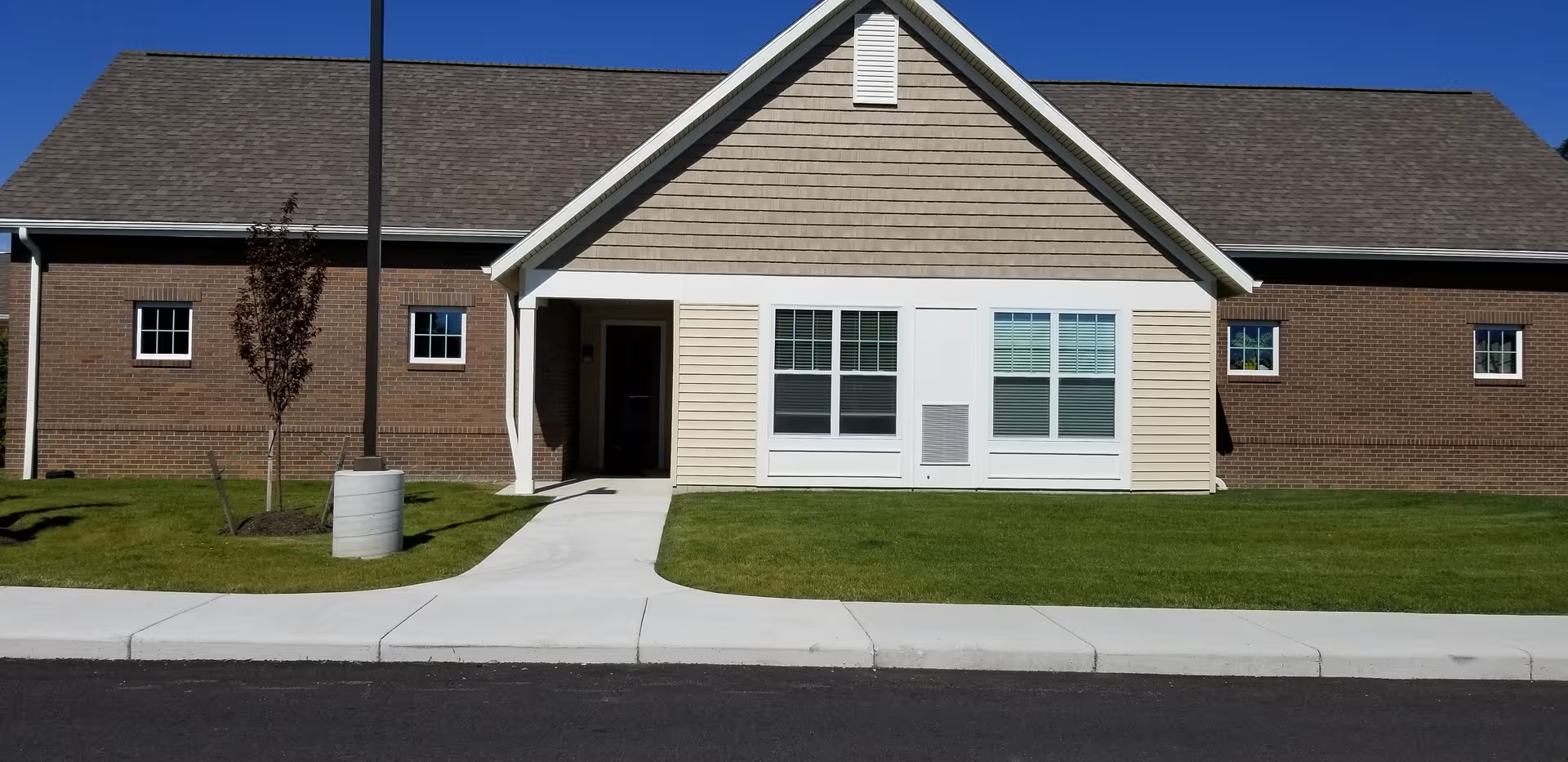
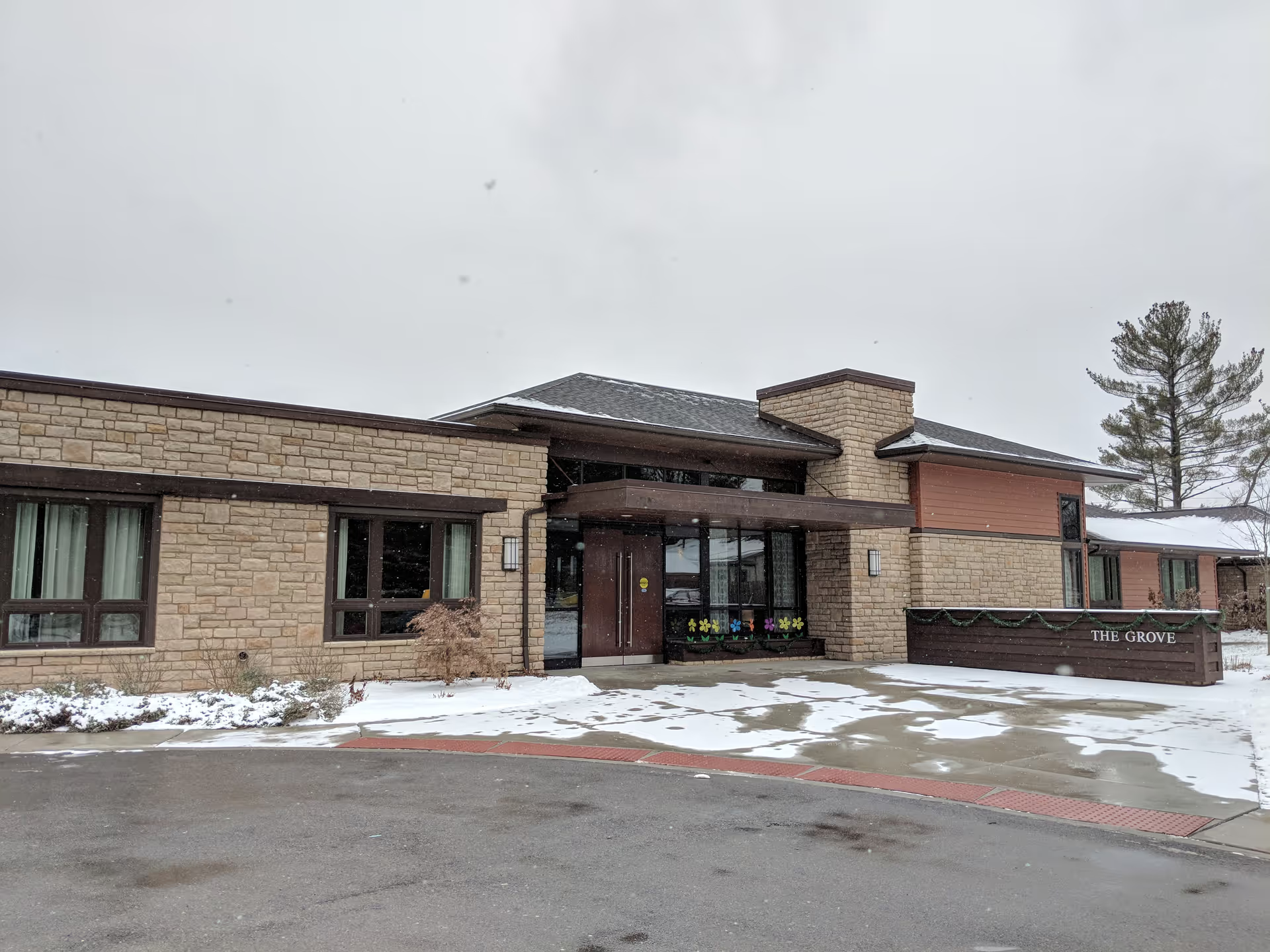
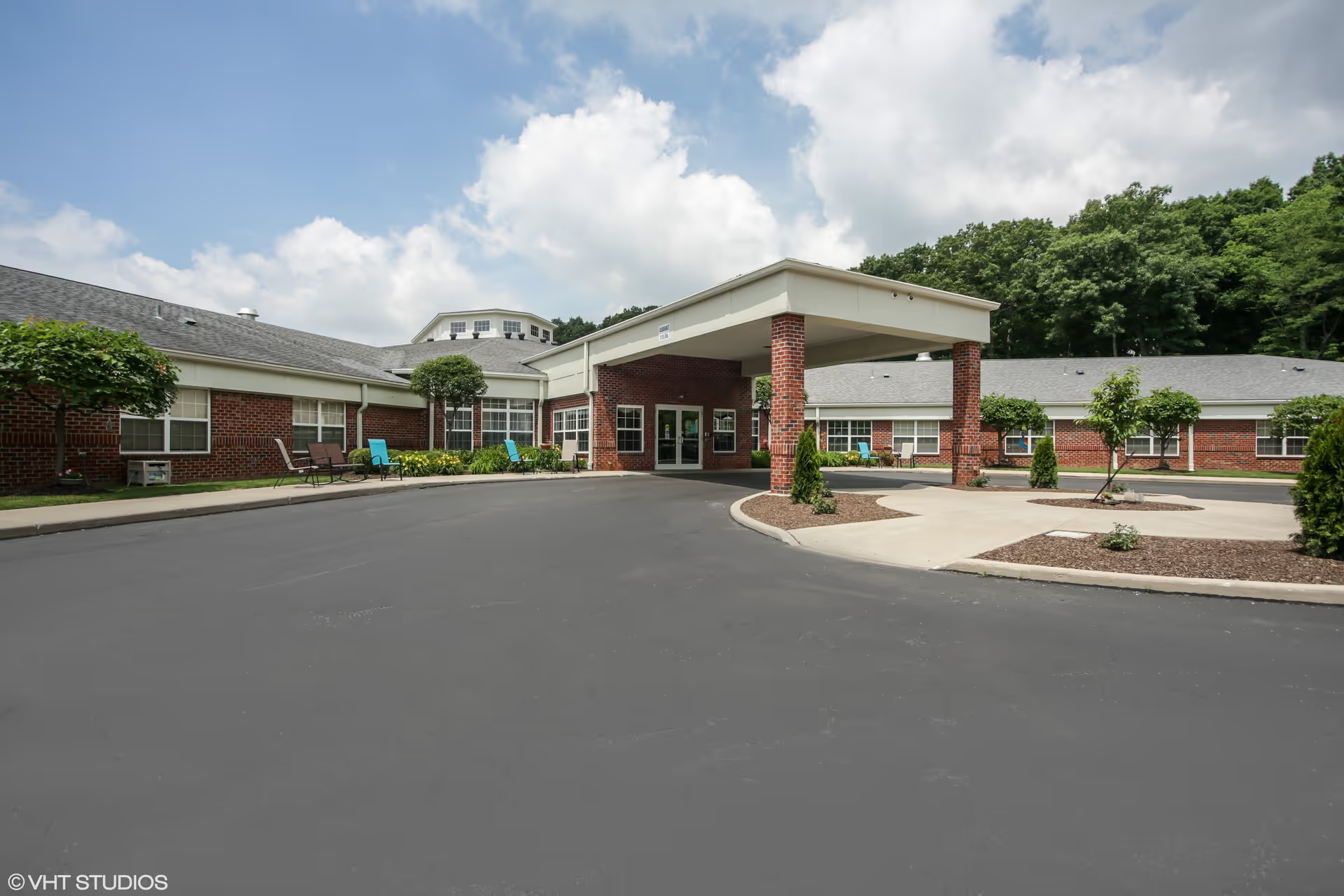
Otterbein Monclova SeniorLife Neighborhood is frequently described as a small, home-like community with private rooms and en-suite bathrooms, family-style dining, and an active calendar of social and cultural activities. Reviewers commonly highlight the facility’s domestic layout, gated outdoor spaces, well-kept grounds, and on-site amenities such as a salon, recreation room and music opportunities. Therapy and rehabilitation services receive repeated positive mentions for helping residents recover and regain function, and transportation and discharge-planning support are noted as practical strengths.
Care and staff characterizations are mixed but distinctive. Many families describe attentive, compassionate caregivers and administrators who advocate for residents and create a familial atmosphere; several reviewers named individual nurses and administrators as supportive. At the same time, there are repeated operational concerns about inconsistent responsiveness to call lights and delays in attending to residents. These responsiveness issues are tied in some reviews to broader staffing variability—coverage and caregiver attention appear uneven at times, which affects perceived continuity of care and rehabilitation progress for some residents.
Dining and activities are among the facility’s strongest features for many families. Home-cooked, family-style meals with resident input and occasional gourmet offerings, along with frequent outings, concerts, religious services and crafts, are commonly praised. However, isolated comments raise concerns about limited menu variety or simpler meal service on occasion; prospective families may want to clarify meal planning, resident choice processes, and how special diets are handled.
Facility maintenance and hygiene are described positively in many accounts, especially in shared areas and outdoor spaces, but several reviews point to inconsistent housekeeping practices within some private rooms and to variability in incontinence-care and bathing schedules. These issues are described as operational gaps rather than universal conditions, but they are serious enough that they merit direct questions during a tour and on follow-up about daily care routines and escalation procedures.
Management and billing impressions are similarly mixed. There are strong endorsements of administration that advocates for residents and handles admissions well, yet there are also comments about variable professionalism, a culture of gossip or poor communication in some interactions, and unclear billing or financial expectations. A few families raised significant concerns about emergency-transport coordination and clinical-incident response; there are also isolated, serious allegations related to end-of-life care that prospective families should investigate by asking about incident reporting, clinical escalation protocols, and family communication practices.
Overall, experiences at this facility appear polarized: many families describe a high-quality, warm, home-like option with strong therapy, engaging activities, and caring staff, while other families describe operational inconsistencies around staffing, responsiveness, housekeeping, and billing. Prospective residents and their families would benefit from an in-person tour that includes speaking with nursing leadership, reviewing staffing ratios and on-duty coverage, observing meal service, inspecting private-room housekeeping procedures, asking about emergency and transport protocols, and obtaining written billing and discharge policies before committing.