Country Club Rehabilitation Campus at Mt. Vernon receives a large volume of positive feedback for its rehabilitation-focused services, facility environment, and many caring team members, while also generating discrete operational concerns that prospective residents and families should weigh.
Care and staff: Reviewers frequently praise the clinical and support staff — nursing, aides, therapists, and dietary teams are repeatedly described as compassionate, attentive, and team‑oriented. The therapy department (physical and occupational therapy) is a standout in many accounts, with goal‑driven programs credited for improving mobility and enabling discharge home. At the same time, a pattern of inconsistent responsiveness emerges in a subset of accounts: families and some residents describe delays in attending to needs, variability in professionalism or communication tone, and differences in care quality between shifts or units. There are also a limited number of serious clinical concerns referenced, best summarized as issues with skin‑integrity monitoring and wound prevention; these specific allegations merit direct follow‑up during any tour or assessment.
Dining and activities: Dining is commonly noted as a strength — reviewers mention plentiful portions, accommodating kitchen staff, and satisfactory options for special diets. However, meal delivery and temperature consistency are a recurring operational weakness: some visitors reported lukewarm or cold plates and delays in meal service. Programming and activities are well regarded; the facility offers a broad slate of events, volunteer involvement, and guest‑friendly functions that support social engagement.
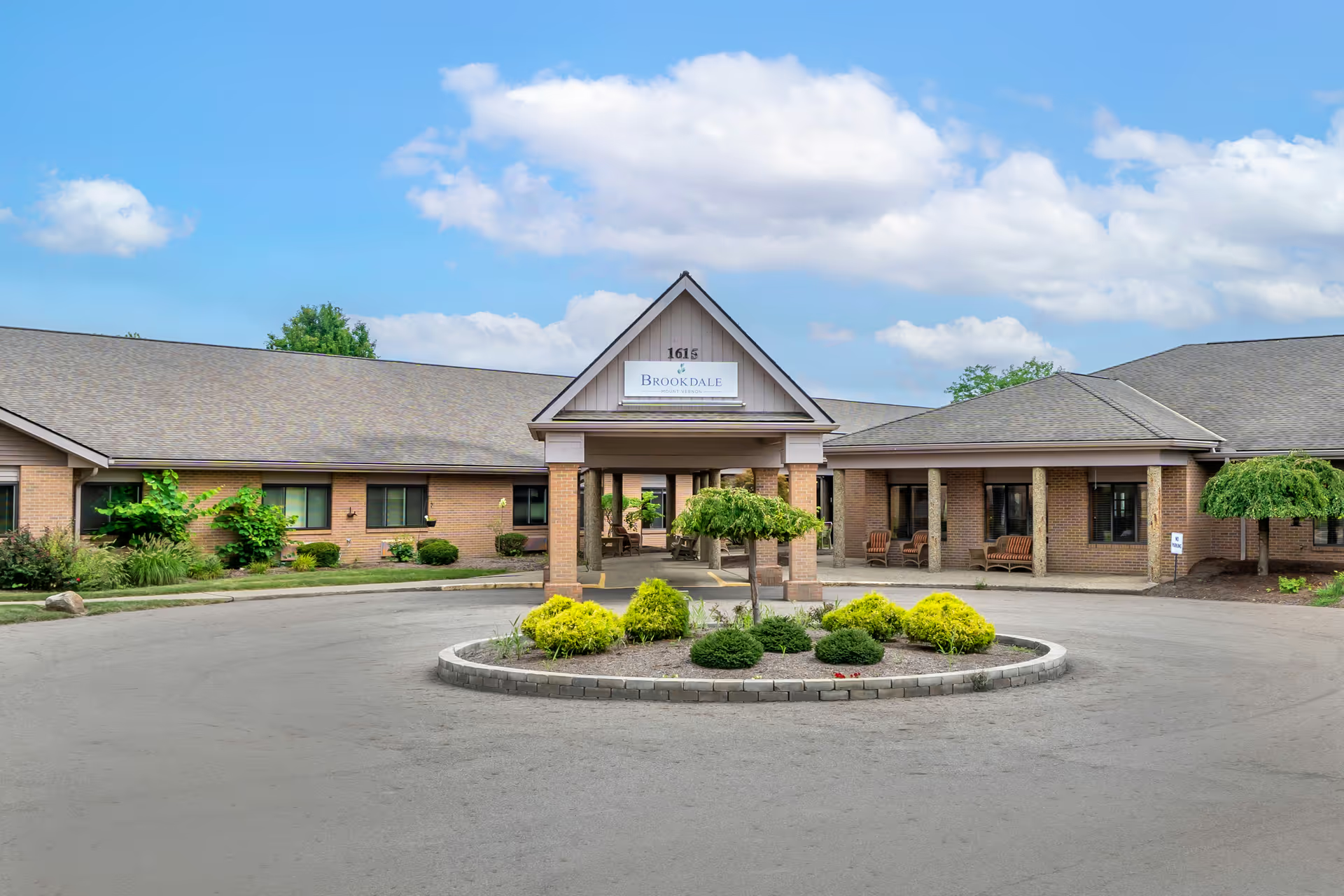
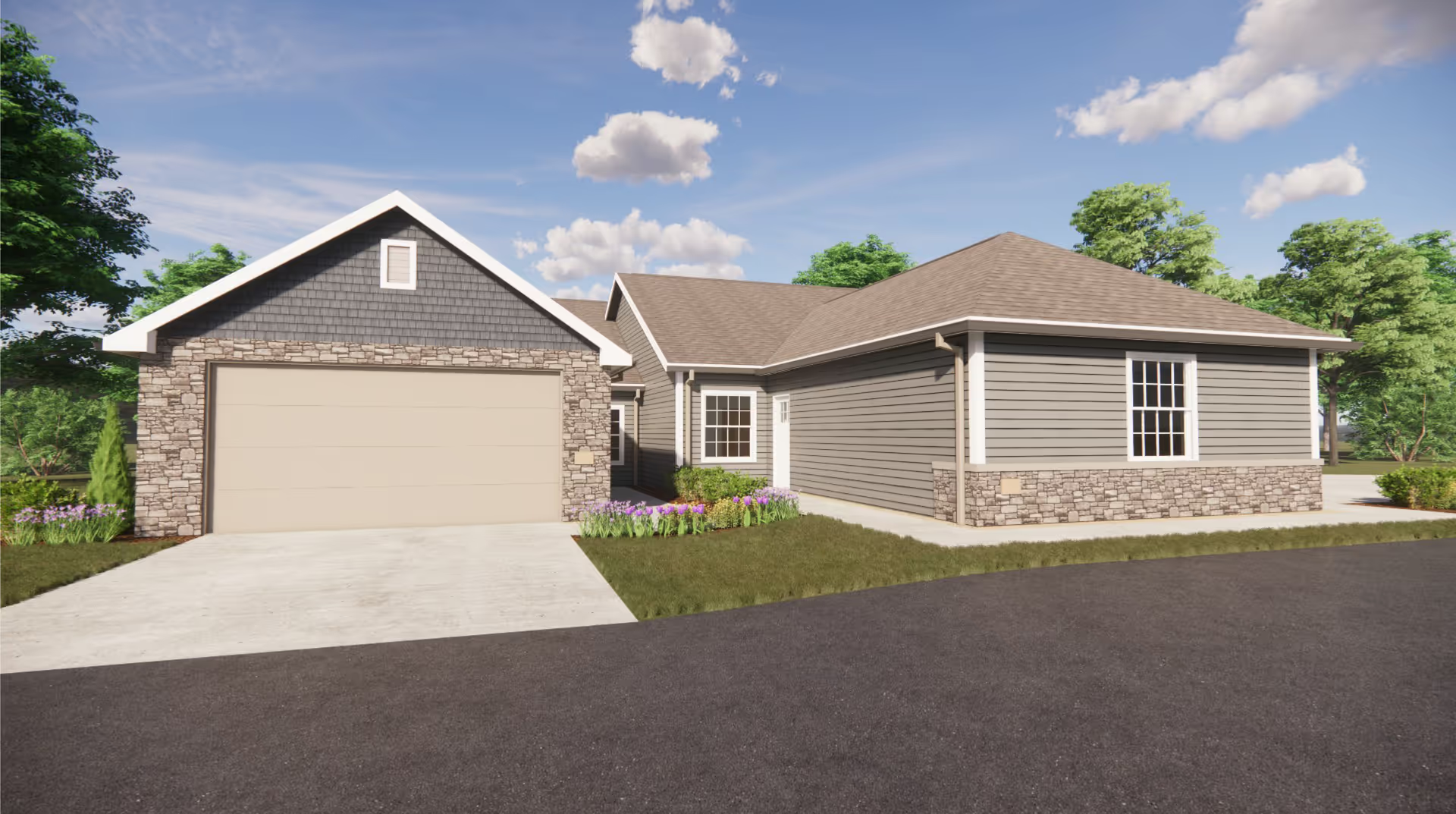
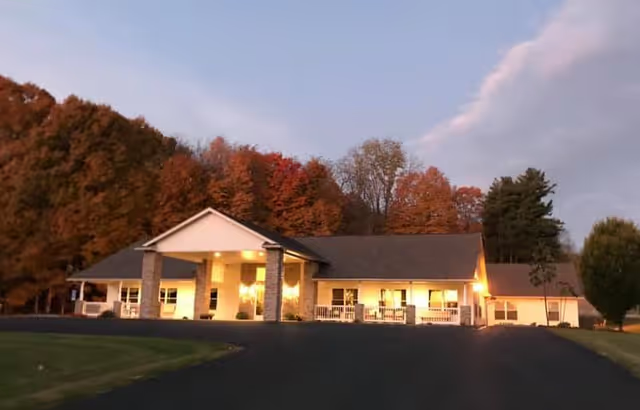
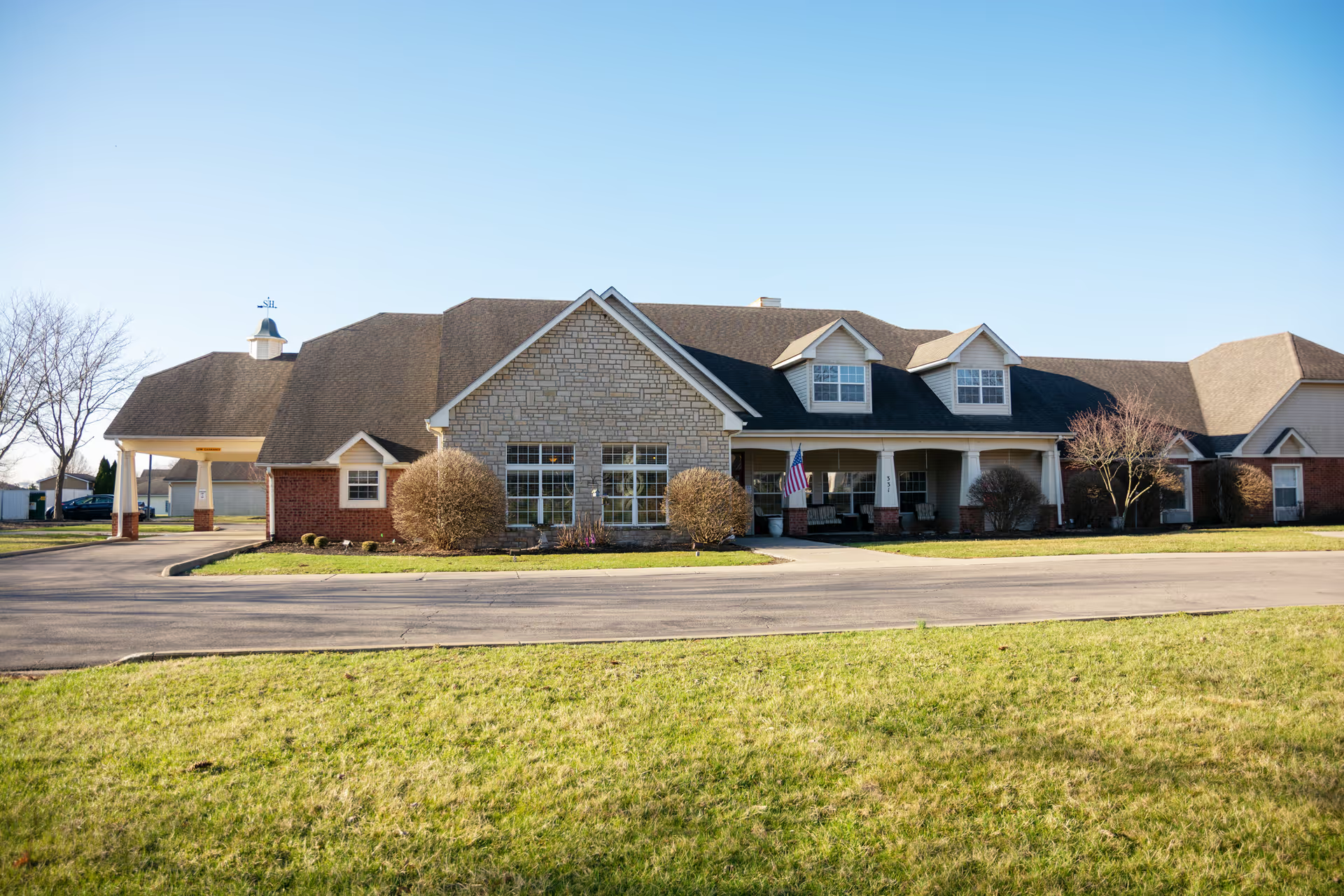
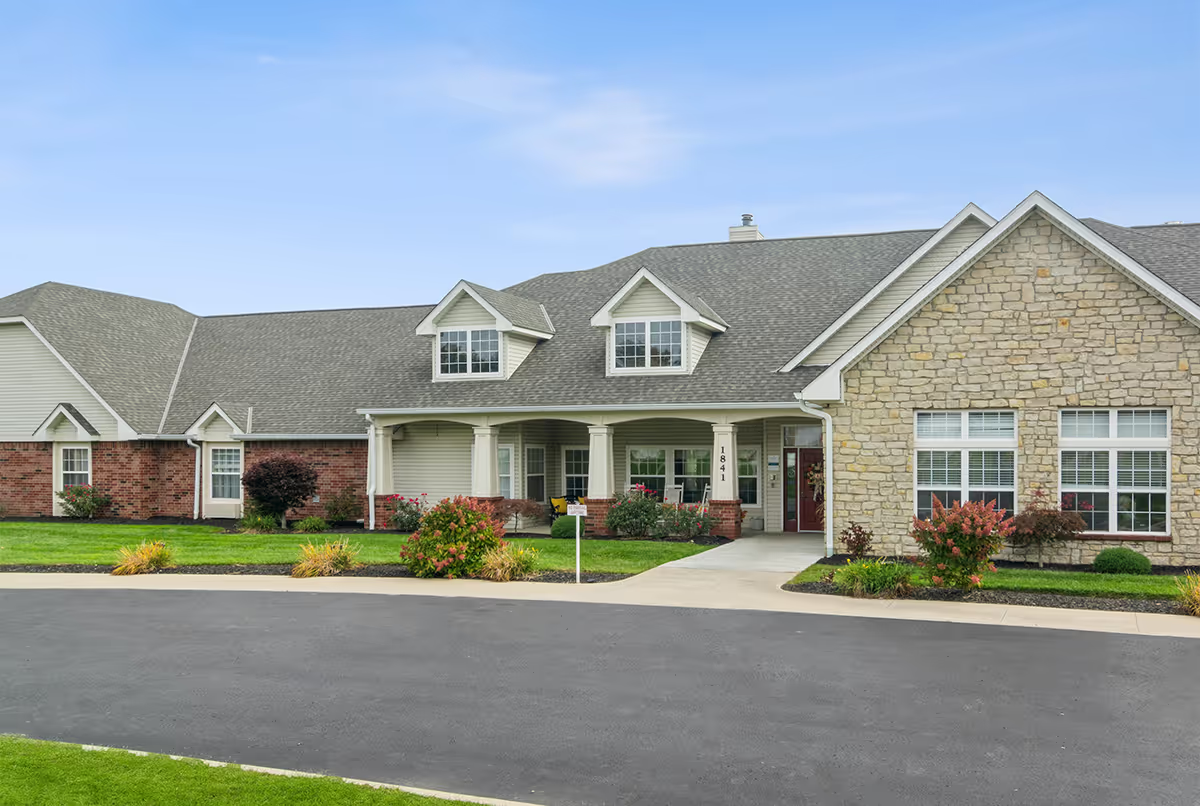
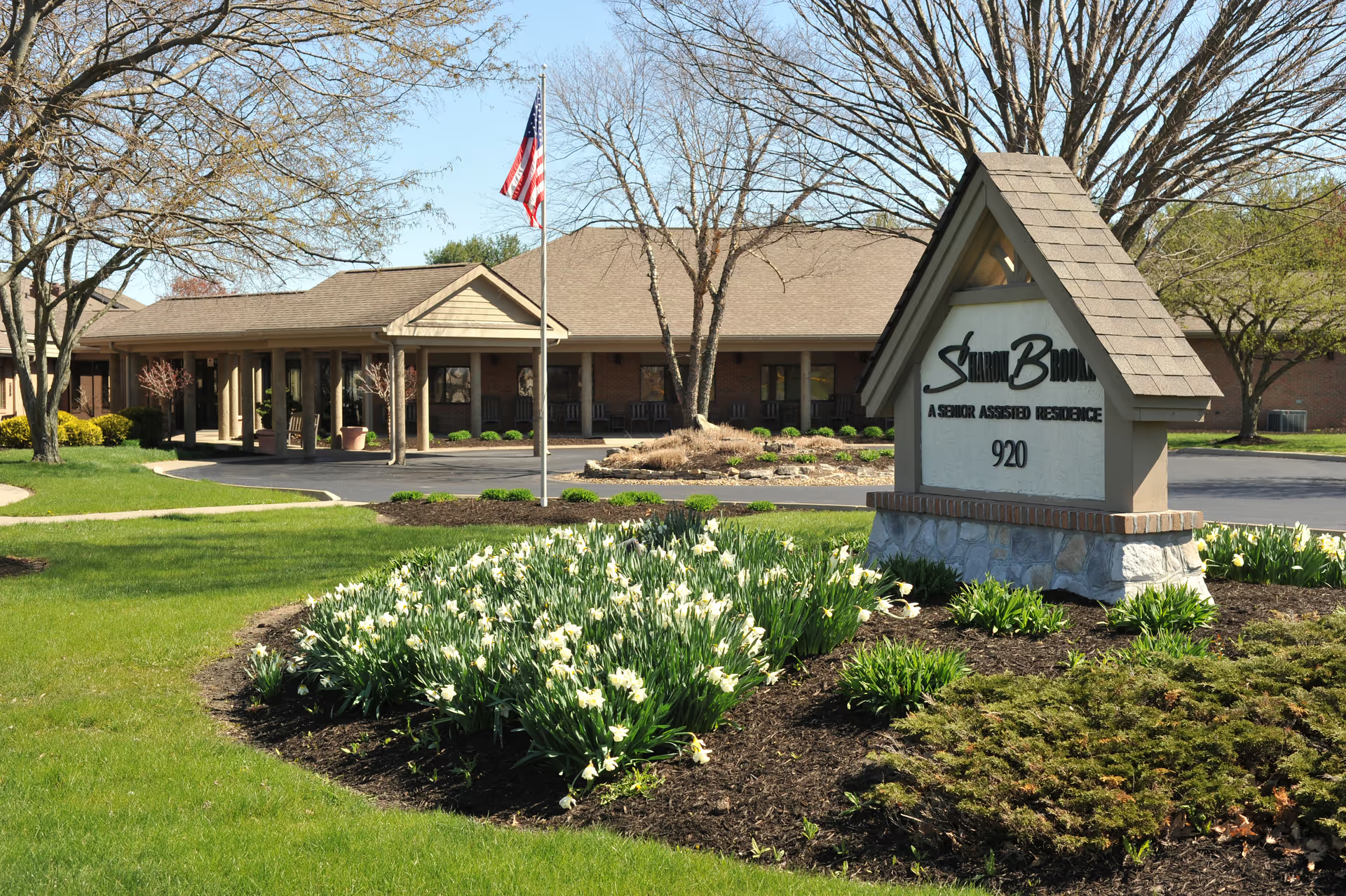
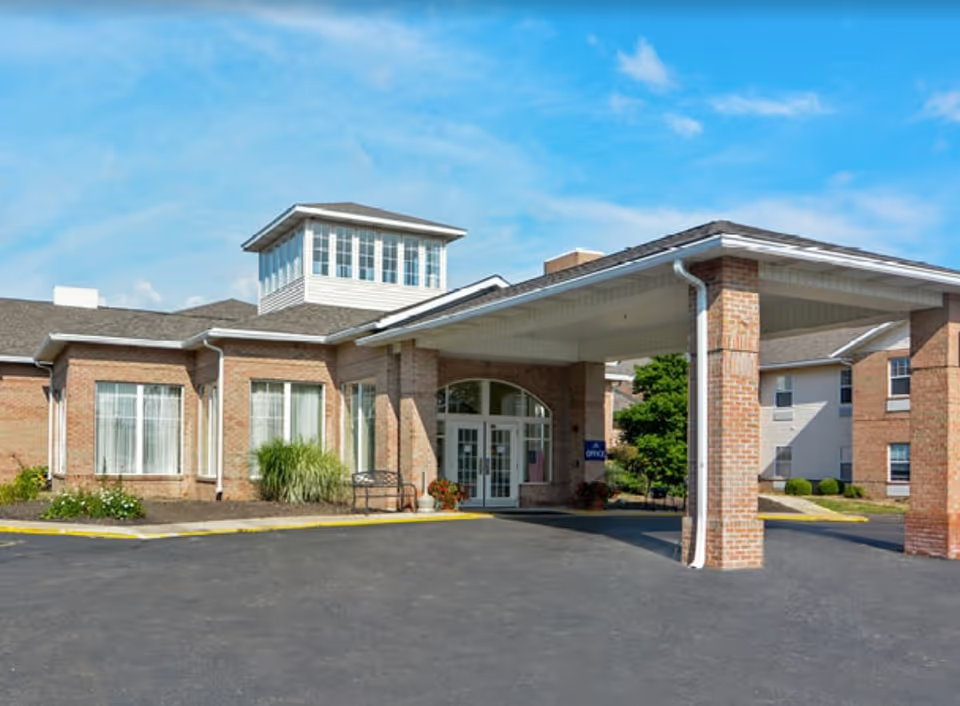
Facilities and environment: The campus is described as attractive, peaceful, and recently renovated in several areas. Private rooms, large bathrooms, two private patios, and a new rehabilitation wing are repeatedly cited as positives. Housekeeping and landscaping receive frequent praise, though there are occasional sanitation and cleaning lapses reported (floor and bathroom cleaning inconsistencies, and localized odor or incontinence‑care concerns). Renovation activity has caused noise and dust disruptions for some residents during certain periods.
Management and communication: Admissions and marketing personnel receive favorable mentions for being helpful and responsive, and some staff members are named for above‑and‑beyond involvement. Nevertheless, several families reported feeling dismissed or inadequately heard when raising concerns, and billing delays or unclear value explanations were noted. Staffing strain is a recurring theme — staff shortages are cited as an explanation for operational problems in some reports, and that pressure may contribute to inconsistencies in responsiveness and housekeeping.
Notable patterns and guidance: The dominant pattern is one of strong rehabilitation capability and many staff who deliver warm, family‑style care; this is balanced by operational variability that can affect day‑to‑day experience. Prospective residents and families should prioritize an in‑person tour that includes observation of mealtime service, a review of staffing levels for the intended unit/shift, and discussion of skin‑integrity protocols and fall‑prevention practices. Ask admissions about current renovation timelines, typical meal delivery procedures, and billing timelines to clarify the facility’s approach to the specific concerns noted in the reviews.