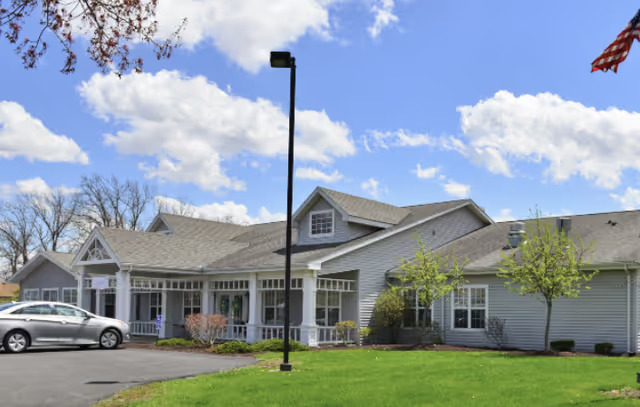
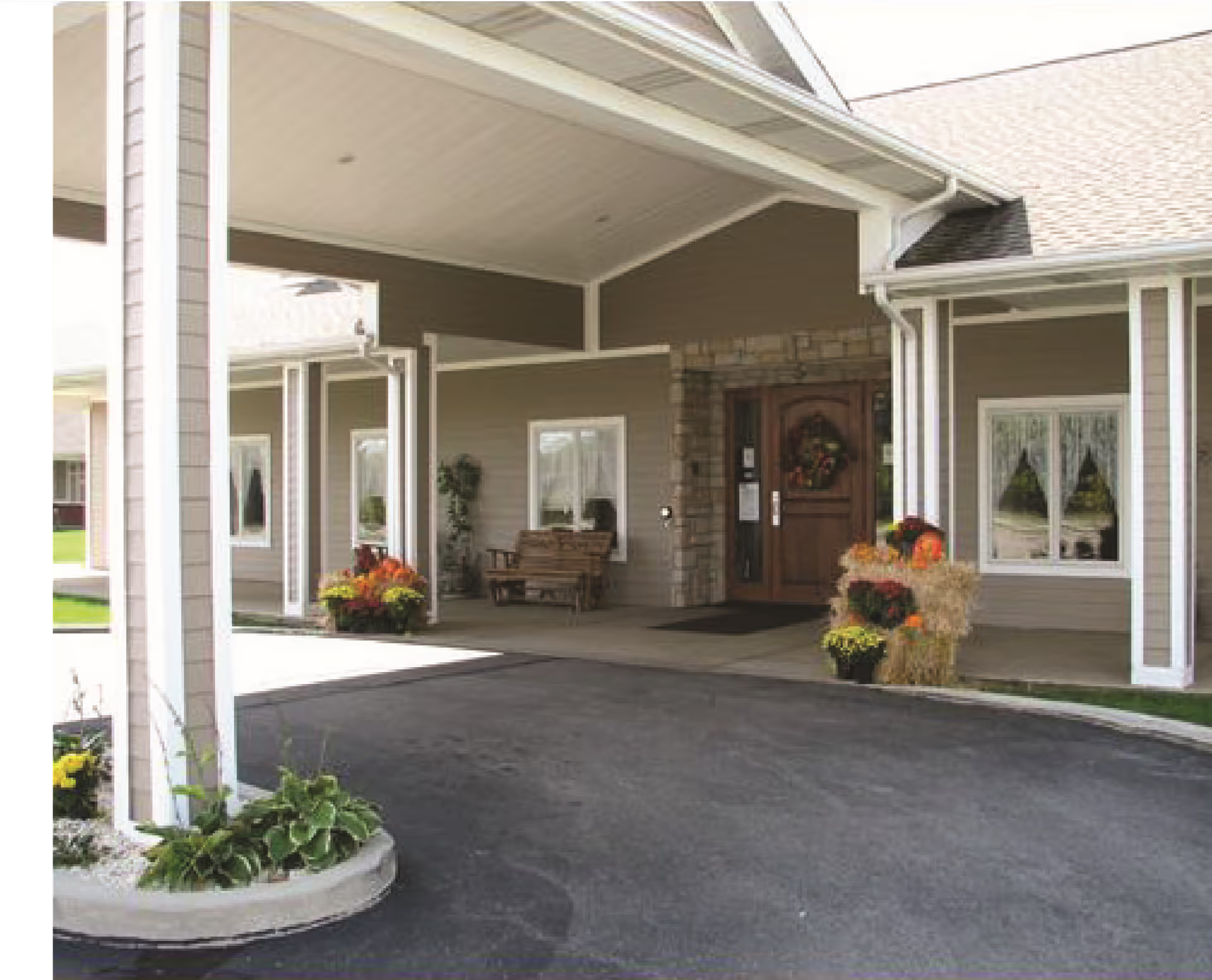
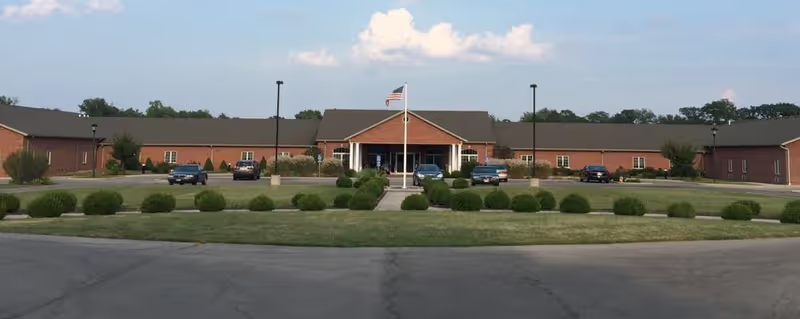
Overall impression: Reviews present a mixed but distinct pattern. Many families and residents describe a welcoming, well‑kept campus with compassionate caregiving, active social programming, and on-site therapy and chaplaincy. At the same time, a substantial set of concerns centers on staffing stability, management practices, and inconsistent aspects of clinical and dining services. Prospective residents and families are likely to encounter both strong day-to-day resident support and operational variability depending on unit staffing and leadership circumstances.
Care quality and clinical services: Positive comments emphasize personalized attention, successful therapy outcomes, and staff who are caring and accessible. On-site rehabilitation and therapy programs are noted as responsive in several accounts. However, reviews also indicate variability in clinical and nursing consistency — families described uneven responsiveness and organizational gaps that can affect rehabilitation or longer-term nursing expectations. This pattern suggests reliable performance when staffing and supervision are stable, but potential lapses during staffing shortfalls or high turnover periods.
Staff and workplace environment: Many reviewers praise polite, helpful, and empathetic front-line staff and describe friendly resident interactions. Conversely, recurring operational themes include understaffing, frequent use of agency personnel, and elevated staff turnover. Several accounts raise concerns about management decisions, transparency, and the tone of staff communications; a minority of comments include allegations regarding personnel actions and incident-reporting. These items together indicate a workplace environment in flux for some periods, which appears to influence resident experience and consistency of care.
Dining and activities: Activity offerings receive positive feedback — programs such as games, exercise opportunities, bingo, chapel services, and social events contribute to an engaging daily life for many residents. Housekeeping and laundry services are commonly described as reliable, and the facility’s aesthetic upkeep is frequently praised. Dining receives mixed evaluations: some reviewers describe good meals, while others cite inconsistent food quality and suggest families review menus and meal service practices before deciding.
Facilities, safety, and location: The campus is generally described as clean and well maintained, with attractive interiors and pleasant communal spaces. Practical amenities such as laundry and housekeeping are strengths. Notable operational concerns include oversight gaps for emergency equipment and occasional safety- related maintenance items. The location is considered desirable much of the year, though reviewers note increased noise and heavy traffic during the local fair week that may affect resident comfort during that period. There were also comments about contested infection-control and visitation policies during the pandemic, indicating differing perceptions of safety protocols.
Notable patterns and guidance: The dominant positive themes are compassionate direct-care staff, active programming, and a well-maintained environment. The dominant negative themes are inconsistent staffing, reliance on agency personnel, and management/communication concerns that can affect care continuity. Prospective residents and families may wish to ask specific questions about current staffing ratios, use of agency staff, turnover rates, clinical supervision, emergency-equipment maintenance, dining menus, and infection-control policies to assess whether the facility’s current operational status aligns with their needs.